
How the reduction of physical objects can increase time efficiency in work environments
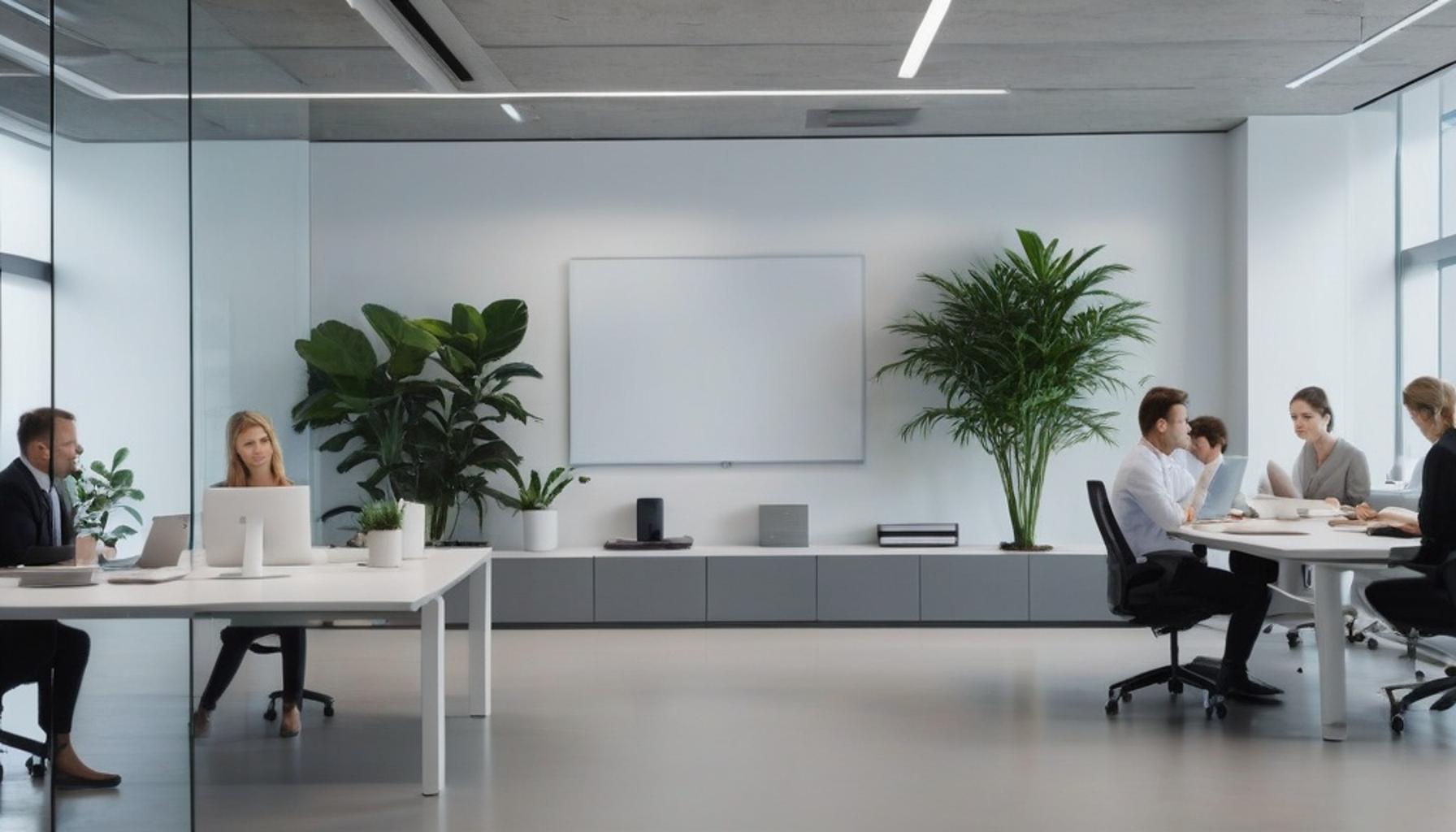
The Hidden Costs of Clutter in Today’s Workplaces
The average U.S. employee spends 4.3 hours per week searching for misplaced documents or supplies, according to workplace productivity studies. This staggering statistic translates to nearly 28 days a year lost due to unnecessary clutter. Imagine what teams could accomplish if even a fraction of that time were regained for productive work. In an era where every hour counts, employers are realizing the importance of well-organized workspaces.
Across diverse sectors, from the bustling tech hubs of Seattle to the iconic financial districts of New York City, a quiet but significant shift is underway. Companies are discovering that reducing physical clutter can directly enhance time efficiency in work environments. The emphasis is now on creating spaces where employees can thrive rather than just survive amidst chaos.
The Hidden Cost of Too Much Stuff
Every extra file cabinet, disorganized stack of papers, or unused piece of equipment generates friction in the workplace ecosystem. This friction hinders decision-making and complicates daily tasks, resulting in lost productivity. Consider the various ways clutter impacts efficiency:
- Employees waste precious time maneuvering around cluttered desks, often leading to frustration and a sense of overwhelm.
- Visual distractions not only reduce focus but also heighten stress levels, which can adversely affect mental health and work performance.
- Excess inventory, be it physical items or digital files, complicates workflow tracking. This complication can lead to delays in project timelines and a lack of accountability.
These small inefficiencies do not only amount to lost hours but also compound over time, translating into significant losses in productivity for businesses. In fact, numerous studies suggest that clutter-related inefficiencies can cost companies thousands, if not millions, in lost revenue each year.
A Growing Trend Toward Minimalist Workspaces
Recognizing these challenges, businesses are increasingly exploring the benefits of decluttering workspace design as a strategic advantage. Leading firms like Google and IBM serve as pillars of this movement, having redesigned their offices around minimalist principles. These changes go beyond mere aesthetics; they represent a focused approach to time management and organization, tightly aligning with enhanced overall productivity and employee satisfaction.
As workplaces across the nation adopt minimalist principles, leaders are encouraged to employ practical workspace efficiency tips for decluttering. This can include implementing a “clean desk” policy, encouraging digital document management, or utilizing shared spaces designed to minimize the need for excessive personal storage. The surprising benefits of these minimalist environments can fundamentally transform workflows, boost morale, and drive innovation, fostering a culture of productivity and well-being.
Ultimately, the imperative to reduce physical clutter is not just about reclaiming space; it’s about leveraging that reclaimed time to inspire creativity, enhance collaboration, and ultimately, improve the bottom line in the competitive landscape of modern business.
# The Science Behind Physical Reduction and Productivity Gains
Breaking Down the Time-Space Connection
To truly understand how businesses increase time efficiency in work environments, it’s essential to examine the psychological and physiological mechanisms at play. Neuroscientists at Princeton University have found that visual clutter competes for attention in the brain, forcing employees to process unnecessary stimuli before they can focus on actual tasks.
This cognitive overload doesn’t just slow people down; it actively depletes mental energy reserves throughout the day. By late afternoon, workers surrounded by disorganized environments often report exhaustion levels comparable to those who’ve completed significantly more demanding tasks in cleaner spaces.
Quantifying the Impact of Object Reduction
Companies that have committed to reducing physical objects in their offices report measurable improvements. A notable case study from a Chicago-based marketing firm revealed startling results after implementing a comprehensive decluttering initiative:
- Task completion rates improved by 23% within the first quarter following office reorganization.
- Employee-reported stress levels dropped by nearly 18%, according to internal surveys conducted before and after the transition.
- Meeting room turnover time decreased significantly, as staff no longer needed to search for equipment or clear away unused materials.
- New hire onboarding became more efficient, with reduced confusion about where to locate necessary tools and resources.
These findings align with broader industry research demonstrating that when companies reduce physical clutter in offices, the ripple effects extend far beyond simple aesthetics.
The Domino Effect on Daily Operations
Consider a typical Monday morning at any American office. Employees who spend the first fifteen minutes of their day locating supplies, sifting through paper stacks, or clearing workspace debris have already lost valuable momentum before real work begins.
Multiply this scenario across a workforce of fifty employees, and organizations are potentially losing hundreds of collective hours weekly, hours that could otherwise fuel innovation, client interactions, or strategic planning.
This is precisely why time management and organization strategies increasingly emphasize physical space as a controllable variable. Unlike market fluctuations or unpredictable client demands, clutter is something companies can directly address through intentional design choices and policy changes.
Forward-thinking organizations in cities like Austin and Denver have begun treating workspace optimization as seriously as they treat software efficiency, recognizing that both digital and physical environments shape how quickly, and effectively, work actually gets done.

RECOMMENDED: The relationship between digital minimalism and the improvement of personal productivity
While psychological research explains why clutter drains productivity, the practical question remains: how do organizations transition toward leaner workspaces? Companies across the United States, from tech startups in Seattle to manufacturing plants in Ohio, have developed replicable frameworks that offer genuine workspace efficiency tips for any industry. Embracing minimalist systems not only leads to a more organized environment but also fosters creative thinking and enhances employee morale.
The 90-Day Object Audit Method
One effective method gaining traction is a structured 90-day audit where employees track every physical item they use versus the items simply present in their workspace. The findings are often eye-opening, prompting immediate action.
For instance, a logistics company based in Memphis discovered that employees regularly used only 40% of the objects stored in their immediate work areas. The remaining 60%, ranging from outdated manuals to redundant office supplies, served no functional purpose yet still occupied valuable visual and mental space. Recognizing this, the company could focus on reducing this clutter, leading to more efficient workflow.
This audit process typically reveals three primary categories of physical clutter:
- Habitual items: Items kept out of habit rather than necessity, like old paperwork or discontinued product samples, which often take up space that could be used more productively.
- Duplicate tools: Resources that multiply because employees couldn’t locate the original, leading to inefficiencies and wasted financial resources.
- Personal artifacts: While decorative or sentimental objects can foster a welcoming atmosphere, too many can contribute to overwhelming visual noise.
Digital Transformation as a Catalyst
The shift toward paperless operations has emerged as a significant driver behind efforts to reduce physical clutter in offices. Financial services firms, typically drowning in paperwork, now present inspiring examples of how digitization supports efficiency goals.
A regional bank headquartered in Charlotte made remarkable strides by transitioning nearly 85% of its physical filing systems to cloud-based storage over eighteen months. The streamlined processes resulted in employees saving an average of six minutes per document search. Though it may seem like a small time cut, this efficiency compounds dramatically across thousands of daily transactions, resulting in significant operational gains and reduced stress levels among staff.
Moreover, these changes illustrate broader minimalist work environment benefits that encompass more than just individual desks. Shared workspaces, storage rooms, and even digital desktops benefit from the same reductive philosophy, promoting collaboration and a culture of efficiency.
Measuring Success Beyond Surface Appearances
For organizations serious about workspace transformation, tracking specific metrics has become crucial rather than relying solely on subjective impressions. Common indicators include average time spent locating resources, frequency of workspace-related complaints, and the correlation between office layout changes and project completion timelines.
This data-driven approach reshapes what might seem like mere tidying into a legitimate business strategy. Proactive organizations have learned that time management and organization principles directly connect with measurable financial outcomes. Whether assessing productivity increases or gauging employee satisfaction, organizations that embrace minimalist practices can expect observable improvements across various metrics.
In conclusion, the path to a minimalist work environment is not merely an aesthetic endeavor; it is a comprehensive strategy aiming to improve efficiency and productivity. By adopting methods such as the 90-day object audit and digital transformation, organizations can achieve significant gains while fostering a culture that values clarity and purpose in the workspace.
DISCOVER MORE: Click here for brilliant small space storage solutions
Rethinking the Modern Workspace: Final Takeaways
From Seattle startups to Charlotte banking floors, the evidence points to a consistent truth: organizations that increase time efficiency in work environments do so by treating physical space as a strategic asset, not an afterthought.
The numbers tell their own story. Whether it’s the Memphis logistics firm uncovering that 60% of stored items served no purpose, or the six minutes saved per document search after digitization, these figures represent far more than convenience. They translate into recovered hours, reduced friction, and employees who can focus on meaningful work rather than searching for misplaced tools.
A Cultural Shift, Not Just a Cleanup
Perhaps the most underappreciated insight is that decluttering succeeds only when it becomes cultural rather than cosmetic. A one-time cleanout rarely sticks. Companies that sustain results treat the benefits of decluttering workspace as an ongoing discipline, revisiting audits quarterly and holding teams accountable for maintaining lean environments.
This mindset shift also changes how leaders evaluate office design. Square footage, storage capacity, and desk count matter less than how efficiently those resources support daily tasks.
Looking Ahead
As hybrid work continues reshaping American offices, the principles behind time management and organization will likely extend beyond physical desks into digital clutter, shared drives, and virtual meeting overload. The next frontier may not be about removing staplers and file cabinets, but about applying the same reductive logic to notifications, software tools, and digital storage.
Ultimately, the minimalist work environment benefits extend beyond tidy desks. They reflect a deeper organizational commitment to intentionality, where every object, tool, and process must earn its place. For businesses willing to measure, audit, and adapt, the payoff is not just a cleaner office, but a measurably faster, more focused workforce.
Frequently Asked Questions
How does reducing paper clutter in the office help increase time efficiency in work?
Reducing paper clutter minimizes distraction and makes it easier for employees to locate important documents quickly. By transitioning to digital documents, teams can access, share, and collaborate on files in real-time, significantly speeding up workflows and decision-making processes.
What role do digital tools play in decreasing the need for physical objects in the workplace?
Digital tools, such as cloud storage and project management software, allow teams to organize their work without relying on physical items. This not only saves physical space but also streamlines communication, enabling quicker updates and access to resources, which ultimately increases time efficiency in work.
Can minimizing physical inventory contribute to faster project completion?
Yes, reducing physical inventory can lead to faster project completion by eliminating time spent on managing, storing, and retrieving items. When teams focus on essential resources, they can allocate more time to productive tasks, thus increasing overall efficiency in the workplace.
How does adopting a minimalist workspace impact employee productivity?
A minimalist workspace reduces visual distractions and promotes focus, allowing employees to concentrate better on their tasks. With fewer physical objects, workers can declutter their minds, leading to improved cognitive function and ultimately enhancing time efficiency in work.
What methods can organizations use to transition from a cluttered to a more streamlined environment?
Organizations can begin by conducting a thorough assessment of all physical items and determining what is necessary. Implementing digital solutions for documentation and communication, alongside encouraging a culture of minimalism, helps create a more streamlined environment that promotes time efficiency in work.
Are there specific examples of businesses that have successfully increased time efficiency by reducing physical objects?
Many tech companies, such as Google and Microsoft, have adopted open, clutter-free office designs paired with digital tools to foster collaboration and efficiency. These businesses report higher productivity levels, as employees spend less time managing physical clutter and more time focusing on their projects.

Linda Carter
Linda Carter is a writer specializing in minimalism and personal organization. With extensive experience helping readers create more functional and balanced routines, she shares practical advice on decluttering, organizing spaces, simplifying daily tasks, and making more intentional choices. Her goal is to offer clear guidance and accessible strategies that help people reduce excess, improve their surroundings, and enjoy a calmer, more organized lifestyle.