
The Impact of Mindful Consumption on Personal Organization and Stress Reduction
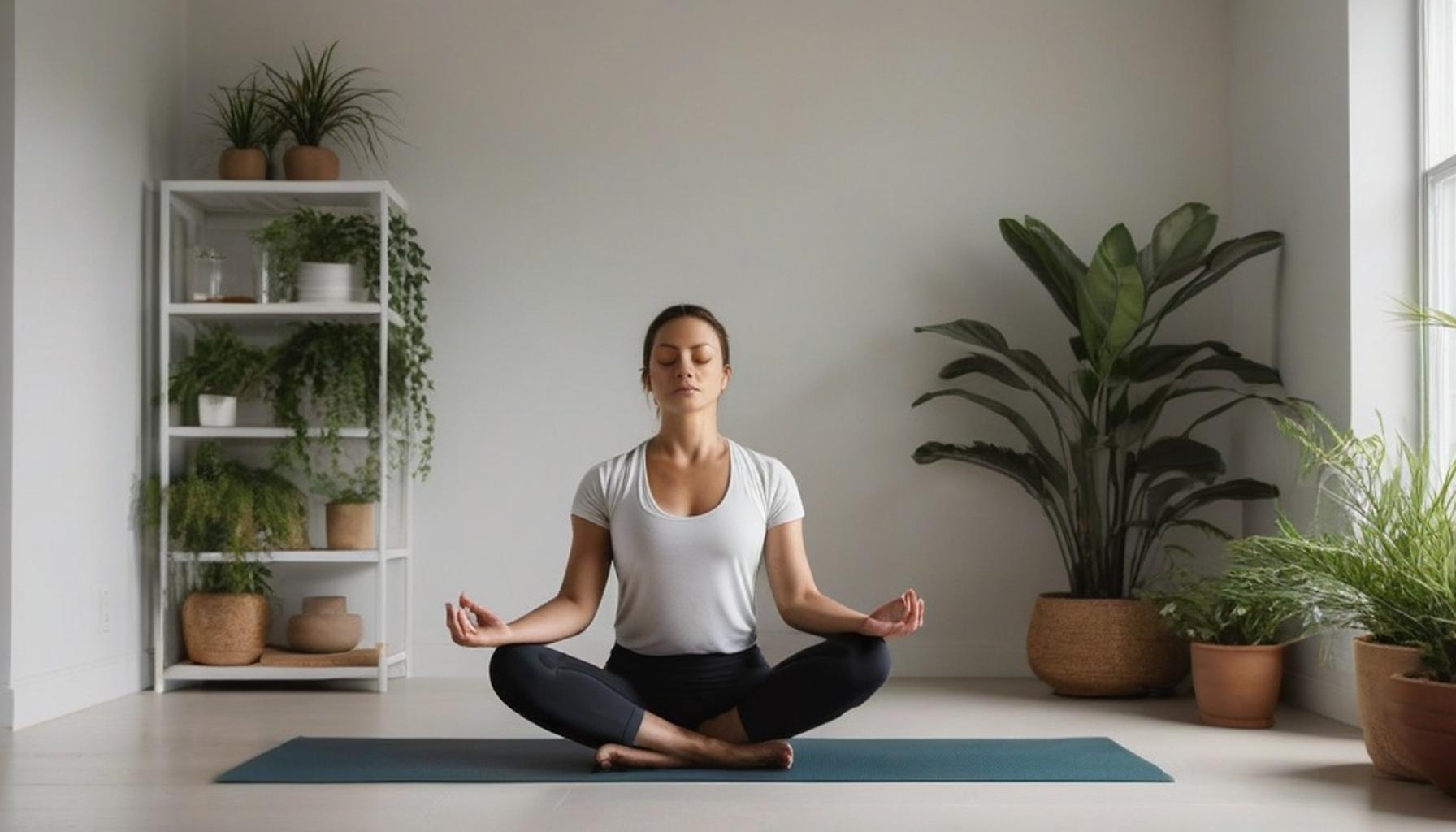
The Impact of Mindful Habits on American Lifestyle
The average American household is a treasure trove of belongings—boasting over 300,000 items. While possessions can be a source of joy, studies indicate that excessive clutter contributes directly to anxiety and decision fatigue. This realization is prompting individuals to reassess their relationship with their belongings, leading to a resurgence in mindful consumption and stress reduction as vital strategies in today’s fast-paced society.
In various parts of the nation, from the minimalist closets of Brooklyn apartments to the carefully curated capsule kitchens of suburban Ohio, the culture of questioning what, how, and why we shop is gaining traction. This transformation extends beyond mere aesthetics; it delves into the psychological realms of our daily lives, influencing how we think and feel.
What This Article Will Explore
Mindfulness has been widely recognized for its benefits in meditation and mental health, but its applicability spreads far beyond these realms. It permeates our choices in shopping, our methods of storage, and how we organize both our physical environments and mental landscapes.
- Personal organization techniques grounded in purposeful purchasing decisions
- The measurable benefits of mindful consumption in relation to cortisol levels and improved daily focus
- Practical stress reduction strategies that initiate right at the shopping cart
- The surprising relationship between decluttering and mindfulness practices
Research by Princeton University highlights a startling truth: visual clutter competes for our attention, detracting from the brain’s capacity to process information efficiently. Thus, decluttering goes beyond maintaining a tidy environment; it taps into the neuroscience of how we engage with our surroundings.
As American consumer culture is increasingly scrutinized, a subtle yet impactful movement is on the rise. It emphasizes that what we choose not to acquire can be just as significant as our acquisitions. This conscious decision-making process encourages individuals to prioritize quality over quantity, leading not only to a more manageable lifestyle but also promoting mental well-being.
This article will delve into the science behind mindful living and reveal actionable strategies for implementing these principles in real life. By understanding how to live with less, we can unlock greater peace and clarity in our daily lives, fostering a deeper appreciation for what truly matters.
SEE ALSO: The Practice of Conscious Consumption: How Minimalism Can Transform Our Daily Purchases
Understanding the Psychology of Shopping
Walk into any Target on a Saturday morning, and you’ll witness a familiar ritual: aisles filled with shoppers filling carts with items they didn’t plan to buy. This isn’t purely an accident; it’s a manifestation of intricate psychological techniques designed by retailers to exploit our cognitive biases and decision-making processes. Retailers spend billions of dollars annually crafting environments that effortlessly lead consumers to make impulse purchases. Understanding this manipulation is the first step toward reclaiming control, and it starts right at the moment before a purchase is made, where mindful consumption and stress reduction play critical roles.
The Cortisol Connection
Researchers at UCLA’s Center on Everyday Lives and Families conducted groundbreaking studies measuring the cortisol levels of mothers as they navigated their homes. The results were compelling: women who described their living environments as cluttered or “unfinished” exhibited significantly higher cortisol levels throughout the day, particularly during the evening when stress typically peaks. Cortisol, often referred to as the “stress hormone,” can have far-reaching impacts on physical health, including weakened immune responses and increased risk of chronic illnesses.
This connection isn’t merely a matter of correlation. The benefits of mindful consumption extend into measurable physiological changes, which include:
- Reduced cortisol production when environments are decluttered and organized.
- Improved sleep quality reported among individuals practicing intentional purchasing habits.
- Lower reported anxiety levels associated with organized physical spaces.
- Enhanced ability to focus on single tasks without the distractions of a cluttered environment.
These correlations are not abstract wellness claims; they arise from solid empirical research that documents psychological patterns and their physiological effects, illuminating the significant link between our environments and mental health.
Why Simplicity Appeals to the Mind
The human brain evolved under conditions where it had to process a limited number of stimuli at a time. However, modern American households often present a chaotic and overwhelming visual landscape. Think of the average kitchen cluttered with duplicate utensils and gadgets, closets bursting with seldom-worn clothing, and garages functioning merely as chaotic storage units. Each of these items competes for our cognitive resources, ultimately leading to low-grade, chronic stress.
This is where personal organization techniques rooted in mindfulness diverge from traditional tidying methods. Instead of merely rearranging possessions, mindful organization prompts a reflective inquiry: does this item serve a genuine purpose or bring joy to my life right now? The concept of the “one in, one out” policy can be a practical guide—each time you bring something new into your home, consider removing something else. This approach is exemplified by movements like Marie Kondo’s KonMari Method, which has swept across American households, encouraging individuals to seek joy through minimalism.
Small Shifts, Measurable Results
Stress reduction strategies do not necessitate dramatic lifestyle overhauls. They can start with a simple change in awareness—pausing before purchases, questioning impulse buys, and recognizing patterns of accumulation before they become overwhelming. This deliberate reflection, no matter how brief, creates a mindful mindset that encourages intentional living.
For instance, instead of loading the shopping cart with unplanned merchandise, consider adopting a shopping list based on necessity and prioritize needs over wants. Indeed, the act of checking in with oneself can foster a greater sense of control and satisfaction, leading to less clutter both mentally and physically. The mindful living movement, as it grows across American households, testifies to the power of small shifts that can yield significant results. This awareness is not just about decluttering your space; it’s about understanding how the spaces we inhabit can shape our physiological responses, ultimately leading to healthier lifestyles.

DISCOVER MORE: Click here for creative storage solutions
# The Impact of Mindful Consumption on Personal Organization and Stress Reduction
The Digital Clutter Nobody Talks About
While physical clutter grabs headlines, a quieter crisis brews in our inboxes and hard drives. The average American now owns more digital subscriptions, apps, and streaming services than they can realistically track, creating a parallel form of chaos that mirrors physical disorganization. This digital accumulation triggers the same stress responses as a cluttered closet, proving that mindfulness in daily life must extend beyond tangible possessions.
Consider this: studies from Carnegie Mellon University suggest that constant notifications and digital clutter can reduce cognitive performance by up to 20 percent, comparable to losing a full night’s sleep. Every unused app, every unread email sitting in an inbox, and every forgotten subscription silently drains mental bandwidth, even when we’re not consciously aware of it.
The Financial Weight of Impulse Buying
Beyond emotional and physical clutter lies a less obvious but equally powerful stressor: financial strain caused by careless spending. According to a 2023 Slickdeals survey, the average American spends over $150 monthly on impulse purchases, totaling nearly $1,800 annually on items that often go unused or forgotten.
This spending pattern creates a vicious cycle. Money spent impulsively often correlates directly with increased anxiety about personal finances, which in turn triggers more impulsive buying as a coping mechanism. Breaking this cycle requires concrete stress reduction strategies that address both the emotional triggers and the resulting financial consequences.
Practical steps that consumers across the country have found effective include:
- Implementing a 24-hour waiting period before any non-essential purchase over $50.
- Tracking monthly spending patterns to identify emotional triggers behind impulse buys.
- Setting a designated “fun money” budget to satisfy spontaneous urges without guilt.
- Unsubscribing from retail marketing emails that create artificial urgency.
Regional Trends in Mindful Living
Interestingly, mindful consumption isn’t distributed evenly across the United States. Cities like Portland, Austin, and Seattle have seen a notable rise in minimalist lifestyle communities, often correlating with local emphasis on sustainability and intentional living. These urban hubs report higher engagement with secondhand shopping platforms and repair cafes, reflecting a cultural shift toward decluttering and mindfulness as community values rather than individual choices.
This regional variation suggests that environment and social reinforcement play significant roles in sustaining mindful habits. When neighbors, coworkers, and local businesses normalize intentional consumption, individuals find it easier to maintain these practices long-term rather than reverting to old patterns during moments of stress.
Reframing Ownership as Responsibility
Every item brought into a home carries an invisible maintenance cost—time spent cleaning, organizing, insuring, or eventually discarding it. Recognizing this hidden responsibility transforms how consumers evaluate potential purchases. Rather than asking simply “Do I want this?”, mindful shoppers increasingly ask “Am I willing to maintain this indefinitely?”
This reframing represents one of the more sophisticated personal organization techniques gaining traction among professional organizers nationwide, shifting the conversation from acquisition to long-term accountability.
Bringing It All Together: A National Shift in the Making
From overflowing closets to overflowing inboxes, the evidence points to one clear conclusion: mindful consumption and stress reduction are deeply intertwined, affecting far more than just tidy shelves. What begins as a simple decluttering session often evolves into a broader recalibration of how Americans think about money, time, and mental energy.
The data throughout this discussion tells a consistent story. Whether it’s the $1,800 annually lost to impulse purchases, the cognitive toll of digital clutter, or the community-driven momentum seen in cities like Portland and Austin, the underlying theme remains the same—intentionality reduces chaos, and chaos reduction improves wellbeing.
What’s particularly compelling is how these findings challenge the traditional narrative around organization. This isn’t merely about owning less; it’s about understanding the full lifecycle of consumption, from purchase to maintenance to eventual disposal. The benefits of mindful consumption extend into financial stability, cognitive clarity, and even community connection.
Looking ahead, experts anticipate that personal organization techniques will increasingly incorporate digital habits alongside physical ones, treating notifications and subscriptions with the same scrutiny once reserved for closets and garages.
For readers ready to explore further, consider starting small: audit one digital subscription, track one week of spending, or simply pause before the next purchase. These modest actions, repeated consistently, form the foundation of lasting stress reduction strategies.
Ultimately, weaving mindfulness in daily life isn’t a one-time fix but an evolving practice—one that invites continuous reflection, adjustment, and, perhaps most importantly, a renewed sense of control over both possessions and peace of mind.
Frequently Asked Questions
How does mindful consumption specifically reduce stress levels?
Mindful consumption involves being conscious of your choices and their impacts, which can significantly reduce stress. By focusing on what you truly need and value, you minimize clutter and decision fatigue, leading to a more organized environment and a calmer mind.
Can practicing mindful consumption improve my time management skills?
Yes, practicing mindful consumption can enhance your time management skills by encouraging you to prioritize your resources and commitments wisely. By selectively choosing what to engage with, you can allocate your time more effectively, reducing the overwhelm that often leads to stress.
What strategies can I use to incorporate mindful consumption into my daily routine?
You can incorporate mindful consumption into your routine by setting aside time for reflection before making purchases or commitments. Try creating a checklist of essential items and priorities, practicing gratitude for what you have, and evaluating your emotional responses to potential purchases to ensure they align with your values.
How does mindful consumption influence my living space organization?
Mindful consumption leads to intentional purchasing and decluttering of unnecessary items, resulting in a more organized living space. A tidy environment not only promotes a sense of peace but also reduces distractions, which can lower stress and increase productivity.
Is there a connection between mindful consumption and mental health benefits?
Absolutely, mindful consumption can enhance mental health by fostering a sense of control and reducing anxiety related to material possessions. By focusing on quality over quantity and making intentional choices, individuals often experience increased satisfaction and reduced stress levels.

Linda Carter
Linda Carter is a writer specializing in minimalism and personal organization. With extensive experience helping readers create more functional and balanced routines, she shares practical advice on decluttering, organizing spaces, simplifying daily tasks, and making more intentional choices. Her goal is to offer clear guidance and accessible strategies that help people reduce excess, improve their surroundings, and enjoy a calmer, more organized lifestyle.