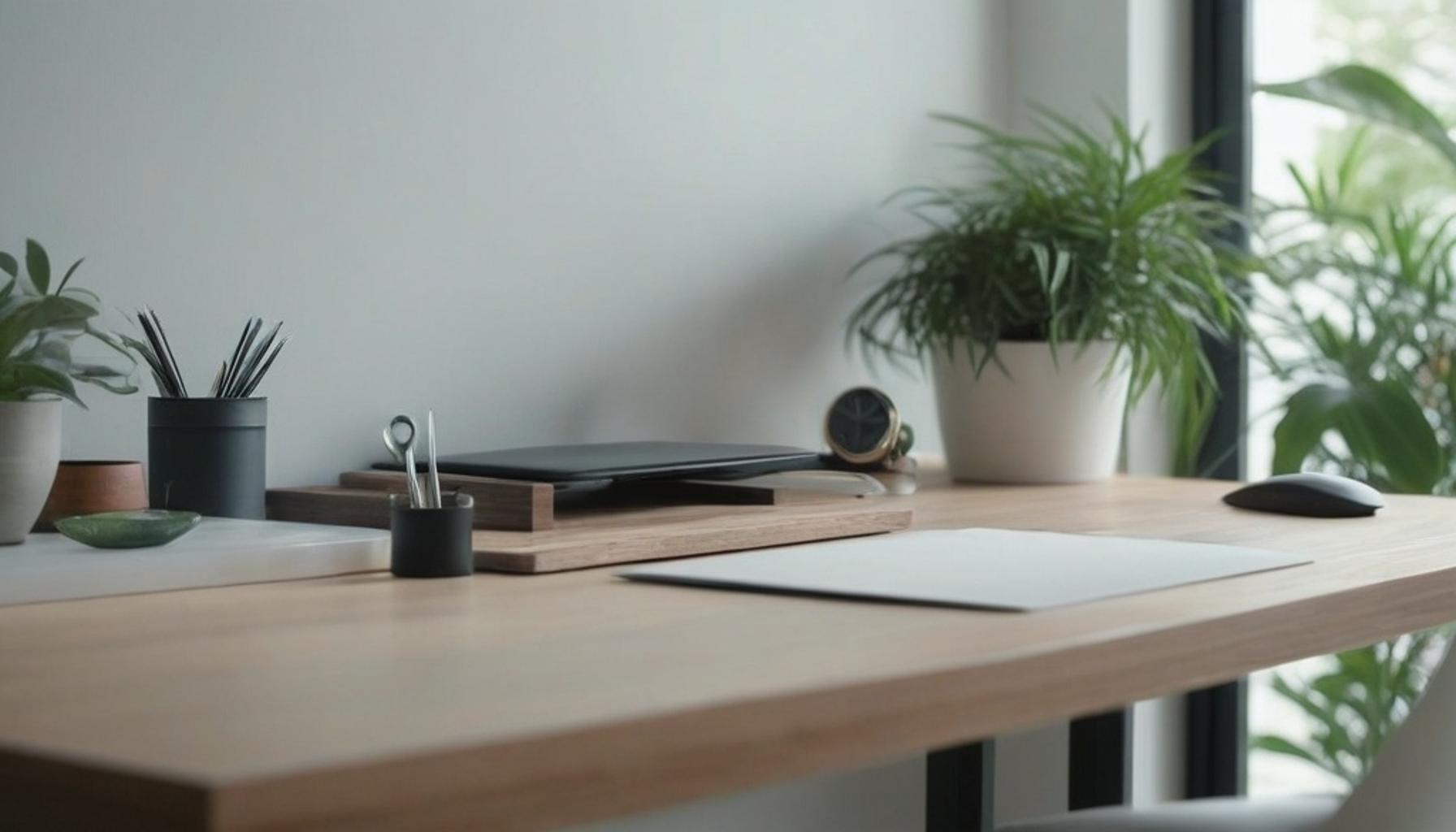
How Minimalism Can Increase Your Daily Time Efficiency

The Time-Consuming Effects of Clutter
Many people may not realize the profound impact that excessive belongings can have on their daily routines. The average American spends 2.5 days per year searching for misplaced items, according to a widely cited study by Newsweek. This staggering figure represents valuable time that could be spent on meaningful activities. Instead, it’s lost in the chaos of clutter, disorganization, and the burden of too many choices.
Minimalism, often perceived merely as a trendy aesthetic, serves as a powerful solution to this common dilemma. It is not merely about creating empty spaces or adopting a capsule wardrobe to impress others; it’s a comprehensive lifestyle change aimed at reclaiming time and improving mental clarity. Through minimalism, individuals find ways to optimize their living environments, leading to more freed-up hours in their busy lives.
The Hidden Cost of Excess
Every item in your home demands attention and decision-making. From determining where to store something to figuring out if it should even be kept, each extra item adds to your mental load. Multiply these small decisions across your entire household, and it’s akin to having a full-time job dedicated to managing “stuff.”
Minimalism can significantly enhance daily time efficiency by reducing these micro-decisions before they even arise. Think about the tangible benefits of leading a decluttered life:
- Time lost searching for lost keys, important documents, or necessary tools can transform the morning chaos into a smooth routine.
- The mental fatigue stemming from decision overload can be avoided, allowing for clearer thinking and more effective focus.
- Eliminating the need for extra cleaning and organizing sessions gives you back precious hours that can be used for hobbies, family time, or relaxation.
- Distractions from competing possessions can be minimized, contributing to improved concentration and productivity.
What This Article Covers
This guide will delve into the real benefits of minimalism, supported by research that underscores its practical advantages rather than relying solely on idealistic sentiments. You will uncover actionable minimalism productivity tips that can be implemented immediately, making a difference in everyday life.
From decluttering for better time efficiency to mastering time management through minimalism, this exploration breaks down exactly how to maximize efficiency with less. You may be surprised by the results—and the process might be more straightforward than you ever imagined.
The Science Behind Minimalism Increase Daily Time Efficiency
Numbers rarely lie, and when it comes to clutter, the data paints a clear picture. A study published by the National Association of Productivity and Organizing Professionals found that the average American home contains over 300,000 items. That’s not a typo. From kitchen gadgets used once a year to closets stuffed with clothes that no longer fit, these possessions silently drain time without most people even realizing it.
This is where the concept of Minimalism Increase Daily Time Efficiency becomes more than just a catchy phrase—it becomes a measurable strategy. Researchers at UCLA’s Center on Everyday Lives of Families observed that clutter in American homes correlates directly with elevated stress hormone levels, particularly in women managing households. Stress, in turn, slows down decision-making and reduces overall productivity throughout the day.
How Excess Possessions Steal Your Schedule
Consider a typical weekday morning. You’re searching for your car keys, your child’s missing shoe, or that important paper you swore you left on the counter. These small pockets of searching add up. In fact, LexisNexis reported that office workers alone lose approximately 4.3 hours per week just looking for documents and materials buried in disorganized spaces.
Now, translate that into a home setting, and it becomes clear why time management through minimalism is gaining traction among efficiency experts and everyday families alike. When you own less, you spend less time managing, cleaning, and searching for your belongings.
Here are specific ways excess belongings quietly consume your day:
- Extra laundry cycles from owning too many clothes, leading to more folding, sorting, and ironing time.
- Redundant kitchen tools that complicate meal prep instead of streamlining it.
- Overflowing digital files and apps that slow down your workflow and searches on devices.
- Multiple storage systems requiring constant reorganization to keep spaces functional.
Each of these factors demonstrates the hidden inefficiency embedded in a life surrounded by excess. The good news? Recognizing these patterns is the first step toward reversing them.
Why Less Truly Means More Time
Contrary to popular belief, minimalism isn’t about deprivation. It’s about intentionality. Psychologist Barry Schwartz, author of The Paradox of Choice, explains that reducing available options—whether in a closet or a pantry—actually speeds up decision-making and reduces anxiety associated with choice overload.
This principle lies at the heart of understanding how to be more efficient with less. When your environment is simplified, your brain no longer needs to sift through unnecessary options before completing basic daily tasks, from getting dressed to preparing dinner.

| Key Aspect | Details |
|---|---|
| Simplified Decision Making | Minimalism reduces clutter, allowing individuals to focus on what’s essential, thereby speeding up daily decisions. |
| Better Focus and Concentration | With fewer distractions in a minimalist environment, it becomes easier to concentrate on tasks, leading to higher productivity. |
| Efficient Time Management | Adopting minimalism promotes effective time management. This practice allows for prioritizing important activities, thus ensuring valuable time is spent wisely. |
| Decluttering for Better Efficiency | Regularly decluttering not only organizes physical space but mentally prepares you for enhanced focus and efficiency throughout your day. |
YOU MAY ALSO LIKE: The Art of Saying No: Minimalism and Time Management in an Accelerated World
Practical Minimalism Productivity Tips That Reshape Your Daily Routine
Once the science clicks into place, the next logical step is application. Turning the concept of Minimalism Increase Daily Time Efficiency into daily practice doesn’t require a dramatic overhaul or an empty white room straight out of a design magazine. It starts with small, deliberate choices that compound over weeks and months.
Take the “one-touch rule,” a favorite among professional organizers across the United States. The idea is simple: handle an item only once. Mail gets sorted immediately instead of piling up on the kitchen counter. Dishes go straight into the dishwasher rather than sitting in the sink. This single habit alone can save American households an estimated 15 to 20 minutes daily, according to organizing consultants featured in Real Simple magazine.
Decluttering for Better Time Efficiency in the Home
Bedrooms, closets, and kitchens tend to be the biggest time drains in most households. A closet packed with 100 clothing items but only 20 in regular rotation forces unnecessary decision-making every single morning.
Try this approach for measurable results:
- Capsule wardrobes limit clothing choices to 30–40 versatile pieces, cutting morning routines by several minutes daily.
- Zone-based kitchens group similar tools together, reducing prep and cleanup time by nearly 30%, according to a study from the Journal of Consumer Research.
- Digital decluttering, such as unsubscribing from unnecessary emails, can save professionals up to 2.5 hours weekly, based on data from RescueTime analytics.
These examples highlight that decluttering for better time efficiency isn’t limited to physical spaces—it extends into the digital world where distractions multiply just as quickly as household clutter.
Applying Minimalism Beyond the Home
Workplaces across the U.S. are catching on too. Companies like Google and IBM have redesigned office spaces using minimalist principles, reducing unnecessary furniture and paperwork to boost employee focus. Internal reports from these companies suggest simplified workspaces correlate with a noticeable increase in task completion rates.
This broader application demonstrates how to be more efficient with less extends far beyond personal habits—it’s becoming a workplace strategy embraced by some of the most successful organizations in the country.
Even grocery shopping benefits from this mindset. Meal planning with a minimalist pantry—stocked with versatile staples like rice, beans, and seasonal vegetables—cuts weekly shopping trips and decision fatigue significantly, according to nutrition efficiency studies published by the USDA.
Each of these strategies reinforces a central truth: time management through minimalism isn’t a one-size-fits-all formula, but a flexible framework adaptable to kitchens, closets, offices, and even digital inboxes.
The Bottom Line: Less Truly Creates More Time
The evidence gathered across households, offices, and digital spaces points to one clear conclusion: Minimalism Increase Daily Time Efficiency isn’t just a catchy phrase—it’s a measurable, repeatable outcome backed by real data from organizations like RescueTime, the USDA, and leading consumer research studies.
What makes this approach compelling is its accessibility. There’s no need for expensive renovations or drastic lifestyle changes. Something as simple as a capsule wardrobe or a one-touch mail system can return dozens of minutes each week, minutes that accumulate into hours, and eventually into reclaimed days over the course of a year.
The benefits of minimalism extend well beyond tidy closets and clean countertops. They touch mental clarity, decision fatigue, and even workplace performance, as seen in companies like Google and IBM. This suggests that time management through minimalism is less about aesthetics and more about creating systems that reduce friction in everyday choices.
For readers wondering where to begin, start small. Pick one room, one inbox, or one routine. Apply a single minimalist principle and track the results over two weeks. The data-driven approach used by professional organizers and productivity researchers alike shows that consistency matters more than intensity.
Ultimately, these minimalism productivity tips serve as a reminder that efficiency isn’t about doing more—it’s about removing what doesn’t serve a purpose. Learning how to be more efficient with less may be one of the most practical skills available to anyone seeking extra hours in an already demanding day.
As more Americans experiment with these strategies, the broader question becomes worth exploring further: how much time is currently lost to clutter that hasn’t even been noticed yet?
Frequently Asked Questions
What specific practices of minimalism can I adopt to improve my daily time efficiency?
To improve your daily time efficiency, you can start by decluttering your workspace and keeping only essential items that you frequently use. Additionally, implementing a minimalist digital approach, such as organizing files and reducing screen distractions, can significantly streamline your daily tasks.
How does minimalism help in reducing decision fatigue?
Minimalism reduces decision fatigue by limiting the number of choices you face daily, making it easier to prioritize tasks that matter most. By simplifying your wardrobe and daily routines, you spend less energy making choices, allowing you to focus more on productive activities.
Can adopting a minimalist lifestyle lead to better time management skills?
Yes, adopting a minimalist lifestyle can enhance your time management skills by promoting clarity and focus. When you eliminate distractions and unnecessary commitments, you create more time for important tasks and enjoy a more organized schedule.
In what ways can minimalism affect my work-life balance?
Minimalism can positively impact your work-life balance by encouraging you to prioritize quality over quantity in both work and personal life. By focusing on meaningful activities and relationships, you can allocate your time more effectively, reducing stress and enhancing overall satisfaction.
How can I apply minimalism to my digital life for better time efficiency?
You can apply minimalism to your digital life by unsubscribing from unnecessary emails, organizing files into easily accessible folders, and limiting time spent on social media. These actions can lessen digital clutter, saving you time and helping you concentrate on your most important projects.
What are the long-term benefits of minimalism on my daily routines?
The long-term benefits of minimalism on your daily routines include increased clarity, reduced stress, and enhanced productivity. Consistently embracing minimalist principles encourages more intentional living, which can lead to better habits and an overall more efficient use of your time.

Linda Carter
Linda Carter is a writer specializing in minimalism and personal organization. With extensive experience helping readers create more functional and balanced routines, she shares practical advice on decluttering, organizing spaces, simplifying daily tasks, and making more intentional choices. Her goal is to offer clear guidance and accessible strategies that help people reduce excess, improve their surroundings, and enjoy a calmer, more organized lifestyle.