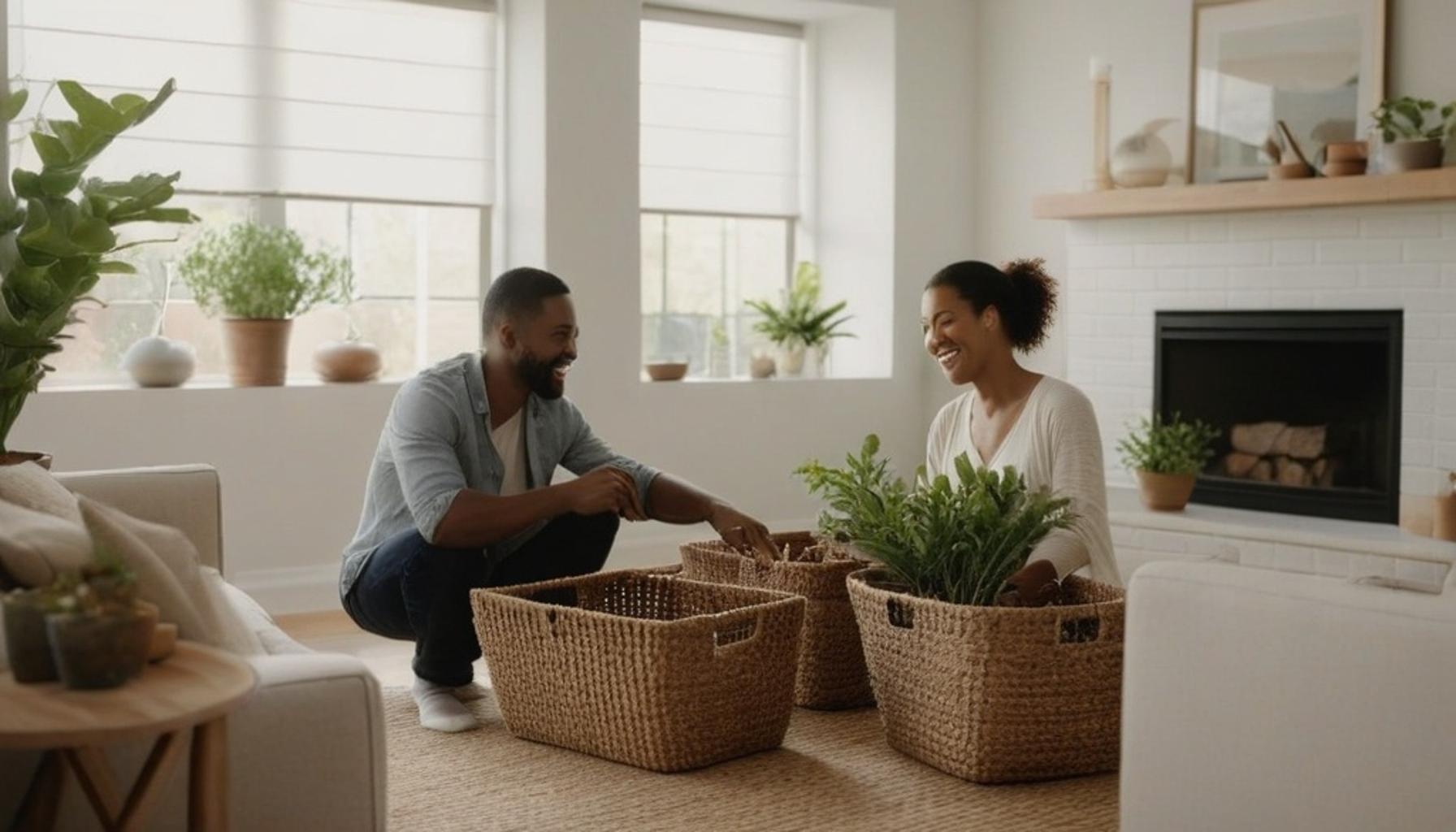
The Art of Letting Go: How Simplified Living Can Transform Your Space and Your Life
The average U.S. household reportedly contains over 300,000 items, according to the LA Times. Shockingly, most people engage with only 20% of these possessions on a regular basis. This stark statistic sheds light on the growing trend of simplified living, one of the most Googled lifestyle movements across the nation. As Americans grapple with the overwhelming burden of excess belongings, many are beginning to reconsider what they own and, importantly, why they own it.
From the compact, innovative designs of tiny homes in Portland, Oregon to the carefully curated, decluttered studios in New York City, a cultural shift is underway. It is a quiet revolution, reshaping how people relate to their possessions, their living spaces, and even their routines. This shift highlights a desire for not just physical space but also mental clarity and freedom.
The Real Cost of Clutter
Clutter extends beyond mere aesthetics; it can have a profound impact on our lives. A study by Princeton University found that visual clutter competes for our brain’s attention, ultimately reducing focus and escalating stress levels. This reality prompts a deeper examination of what excess belongings truly cost us.
- Time: Consider the hours wasted searching for misplaced items among the chaos—it chips away at productivity and peace of mind.
- Money: Storing unused items in storage units or constantly purchasing things that serve little purpose can add up to a significant financial drain.
- Mental Energy: The constant bombardment of visual noise demands mental engagement, exhausting our cognitive resources and increasing feelings of anxiety.
- Physical Space: Valuable real estate within our homes could be better utilized for relaxation or creativity instead of clutter.
What This Article Will Explore
This guide explores the art of letting go, positioning it as both a practical skill and a transformative mindset. You will uncover the proven benefits of minimalism, supported by psychological studies and real-world outcomes, illustrating how this lifestyle can enhance your well-being.
Additionally, you’ll find actionable decluttering tips that you can implement immediately, along with strategic methods to transform your space thoughtfully, room by room. Whether your motivation for embracing minimalism stems from a desire for financial relief, mental clarity, or simply a cleaner living environment, embarking on this journey toward mindful living promises a rewarding roadmap—one that encourages you to evaluate and embrace what truly matters in your life.
RECOMMENDED: Creating Functional Spaces: Organization Tips for a Minimalist Lifestyle
# Understanding the Psychology Behind Letting GoLetting go of physical possessions is rarely just about the items themselves. Psychologists point to a deeper, more complex relationship between people and their belongings—one rooted in memory, identity, and even fear.Loss aversion, a concept popularized by behavioral economists Daniel Kahneman and Amos Tversky, explains why parting with possessions feels disproportionately painful compared to the joy of acquiring them. This cognitive bias is a major reason why decluttering can feel emotionally taxing, even when we logically know an item no longer serves us.Understanding this psychological barrier is the first step toward mastering the art of letting go. Once you recognize why certain items are hard to release, you can approach the process with more compassion and less guilt.
Common Emotional Attachments to Clutter
Before diving into decluttering tips, it helps to identify the emotional categories that most possessions fall into. Recognizing these patterns makes the process of simplified living far more manageable.
- Sentimental Value: Items tied to memories, relationships, or milestones—even if rarely used or displayed.
- “Just in Case” Mentality: Belongings kept out of fear of future need, despite years of non-use.
- Financial Guilt: Reluctance to part with expensive purchases, even when they no longer add value to daily life.
- Aspirational Clutter: Items representing a hoped-for version of ourselves, such as unused exercise equipment or unread books.
Once identified, these categories become easier to address with intention rather than impulse.
Why Simplified Living Is Gaining Momentum Across America
From coast to coast, Americans are rethinking consumption habits. According to a 2023 survey by Self Storage Association, nearly 1 in 10 U.S. households rent storage units, spending an average of $180 monthly just to store excess belongings they rarely, if ever, use.
This financial reality has fueled interest in simplified living as more than a design trend—it’s becoming a lifestyle correction. Cities like Austin and Denver have seen rising demand for smaller, more efficient housing, reflecting a broader cultural pivot toward intentionality over accumulation.
The benefits of minimalism extend beyond the individual level. Reduced consumption also lessens environmental strain, aligning personal well-being with broader sustainability goals many Americans now prioritize.
As this movement grows, the question shifts from “why simplify?” to “how do I begin?”—a journey that starts with small, deliberate choices rather than an overwhelming overhaul.

| Category | Details |
|---|---|
| Mindful Living | Embracing simplified living allows individuals to become aware of their surroundings and foster a deep connection with their space, leading to greater peace of mind. |
| Decluttering Tips | Practical decluttering tips such as the one-in-one-out rule and setting time limits for decluttering sessions can accelerate the process of letting go. |
| Transform Your Space | A transformed space often translates to a transformed life, affecting everything from creativity and productivity to overall well-being. |
| Benefits of Minimalism | The benefits of minimalism extend beyond mere aesthetics; they include financial savings, reduced stress, and increased freedom and mobility. |
RECOMMENDED: Creating Calm Spaces: The Importance of Minimalism in Decor and Mental Health
Transforming a living space into a more organized and serene environment can be both liberating and empowering. While understanding the psychological reasons behind our attachment to clutter is essential, taking actionable steps is equally crucial for establishing a sustainable path toward simplified living. Professional organizers across the nation consistently advocate for starting small and manageable. Instead of attempting to overhaul an entire home in one whirlwind weekend, they recommend a room-by-room approach that helps build momentum and avoids feelings of overwhelm and burnout.
The 90/90 Rule and Other Decluttering Frameworks
Among the various methods available, the 90/90 rule has gained traction in decluttering circles. The rule suggests that if you have not used an item in the last 90 days and do not foresee using it in the next 90 days, it is likely safe to let go of it—whether that means donating, selling, or discarding. This guideline simplifies the often emotionally charged process of decluttering, offering a measurable and straightforward standard.
In addition to the 90/90 rule, several other effective strategies can also facilitate the decluttering journey:
- The One-Year Box: Place uncertain items into a sealed box. If you haven’t touched these items after twelve months, it may be time to let them go without opening the box, reducing the temptation to keep unnecessary clutter.
- The Four-Box Method: When beginning any decluttering session, sort items into four categories: Keep, Donate, Sell, and Trash. This organized method allows you to categorize your belongings efficiently.
- The 12-12-12 Challenge: Each week, aim to find twelve items to donate, twelve to discard, and twelve items that need to be returned to their rightful place. This challenge embodies a fun and engaging way to make consistent progress.
These structured approaches help diminish decision fatigue, a common culprits that can cloud judgment when sentimental attachments come into play.
The Financial and Mental Payoff of Mindful Living
The advantages of embracing minimalist principles extend beyond emotional relief—they can also have significant financial implications. A staggering 2022 study conducted by the National Association of Productivity and Organizing Professionals (NAPO) revealed that Americans collectively spend an average of 2.5 days each year searching for misplaced items in their homes. This lost time can add up quickly, particularly across larger households.
With fewer possessions to manage, individuals often find they spend less time cleaning and organizing, enabling them to redirect hours to more fulfilling activities such as nurturing relationships, engaging in hobbies, or simply resting. Beyond time savings, research has shown that decluttering can decrease stress levels and enhance overall well-being.
Cluttered environments have been linked to elevated cortisol levels, particularly among women balancing household responsibilities alongside work. By fostering a tidier living space, individuals may pave the way toward lower stress markers and improved mental health.
Cities like Portland and Minneapolis have responded to public interest in mindful living by launching community-based decluttering workshops. These workshops aim to make decluttering not just an individual task but a communal effort, helping residents establish healthier habits grounded in organization and mindful living.
By implementing practical strategies and understanding the emotional and financial benefits of decluttering, individuals can gradually transform their spaces, leading to more meaningful and enriched lives.
Embracing Simplified Living as a Lifelong Practice
The journey toward simplified living is rarely a one-time event; it is an ongoing relationship with the objects, habits, and spaces that define daily life. As explored throughout this article, the art of letting go requires both emotional awareness and practical strategy, blending psychology with actionable frameworks like the 90/90 rule and the Four-Box Method.
What becomes clear is that clutter is rarely just about the physical items themselves. It often reflects deeper patterns tied to memory, identity, and fear of scarcity. Recognizing this connection is the first step toward meaningful change.
The benefits of minimalism extend well beyond tidy shelves and organized closets. From reclaiming lost hours—remember, Americans spend an average of 2.5 days annually searching for misplaced belongings—to lowering stress hormones linked to cluttered environments, the ripple effects touch nearly every aspect of life.
Communities across the country, from Portland to Minneapolis, are proving that this movement is not just personal but collective. Group workshops and shared accountability suggest that mindful living may increasingly become a cultural touchstone rather than a passing trend.
Ultimately, learning how to transform your space is really about transforming priorities. Letting go of excess creates room—not just physically, but mentally and emotionally—for what truly matters.
As more Americans experiment with decluttering tips and minimalist philosophies, the underlying question shifts from “What should I get rid of?” to “What kind of life do I want to build?” That question alone may be the most powerful catalyst for lasting change.
Frequently Asked Questions
What are the first steps to begin practicing simplified living?
To start practicing simplified living, begin by assessing your belongings and identifying items that no longer serve a purpose or bring you joy. Try to declutter one area at a time, such as a drawer or room, and consider donating or recycling items that you can part with. Establishing a routine for decluttering will help you maintain a simplified environment.
How can simplified living improve my mental health?
Simplified living can lead to reduced stress and anxiety by creating a more organized and tranquil environment. When you let go of unnecessary items, you clear physical space that can contribute to mental clarity. This new mindset encourages mindfulness, allowing you to focus on what truly matters in your life.
Does simplified living require a specific lifestyle change?
Yes, simplified living often involves a shift in mindset and habits. It encourages you to prioritize experiences over material possessions, which may require reevaluating your spending habits and daily routines. Embracing minimalism can foster a more fulfilling lifestyle centered around value and intention.
Can simplified living affect my relationships?
Indeed, simplified living can positively impact your relationships by encouraging deeper connections and reducing distractions. When your space is decluttered, you may find it easier to host friends and family, leading to more quality interactions. The focus on simplicity can also help you prioritize the people and experiences that truly enrich your life.

Linda Carter
Linda Carter is a writer specializing in minimalism and personal organization. With extensive experience helping readers create more functional and balanced routines, she shares practical advice on decluttering, organizing spaces, simplifying daily tasks, and making more intentional choices. Her goal is to offer clear guidance and accessible strategies that help people reduce excess, improve their surroundings, and enjoy a calmer, more organized lifestyle.