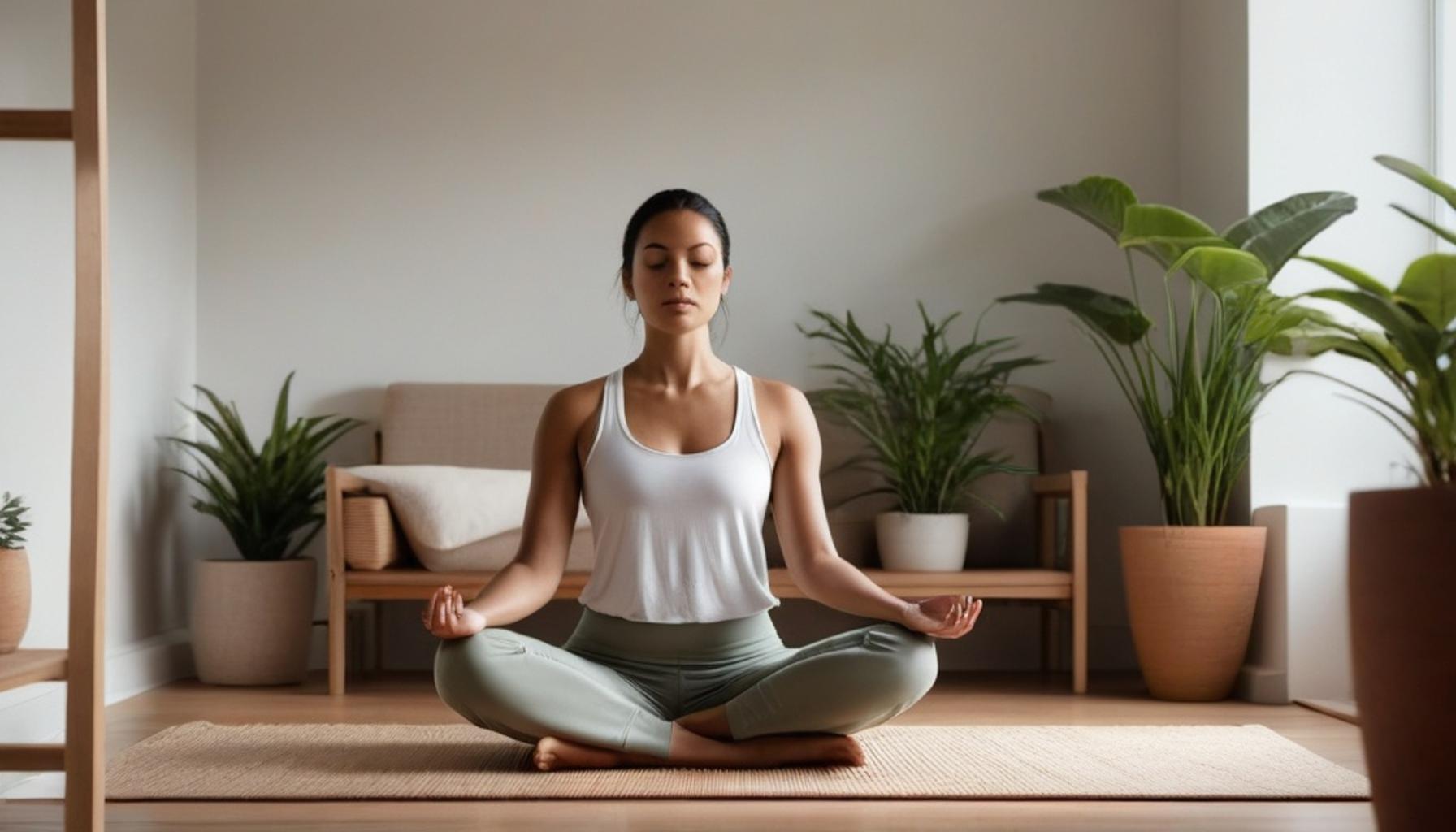
Creating Calm Spaces: The Importance of Minimalism in Decor and Mental Health
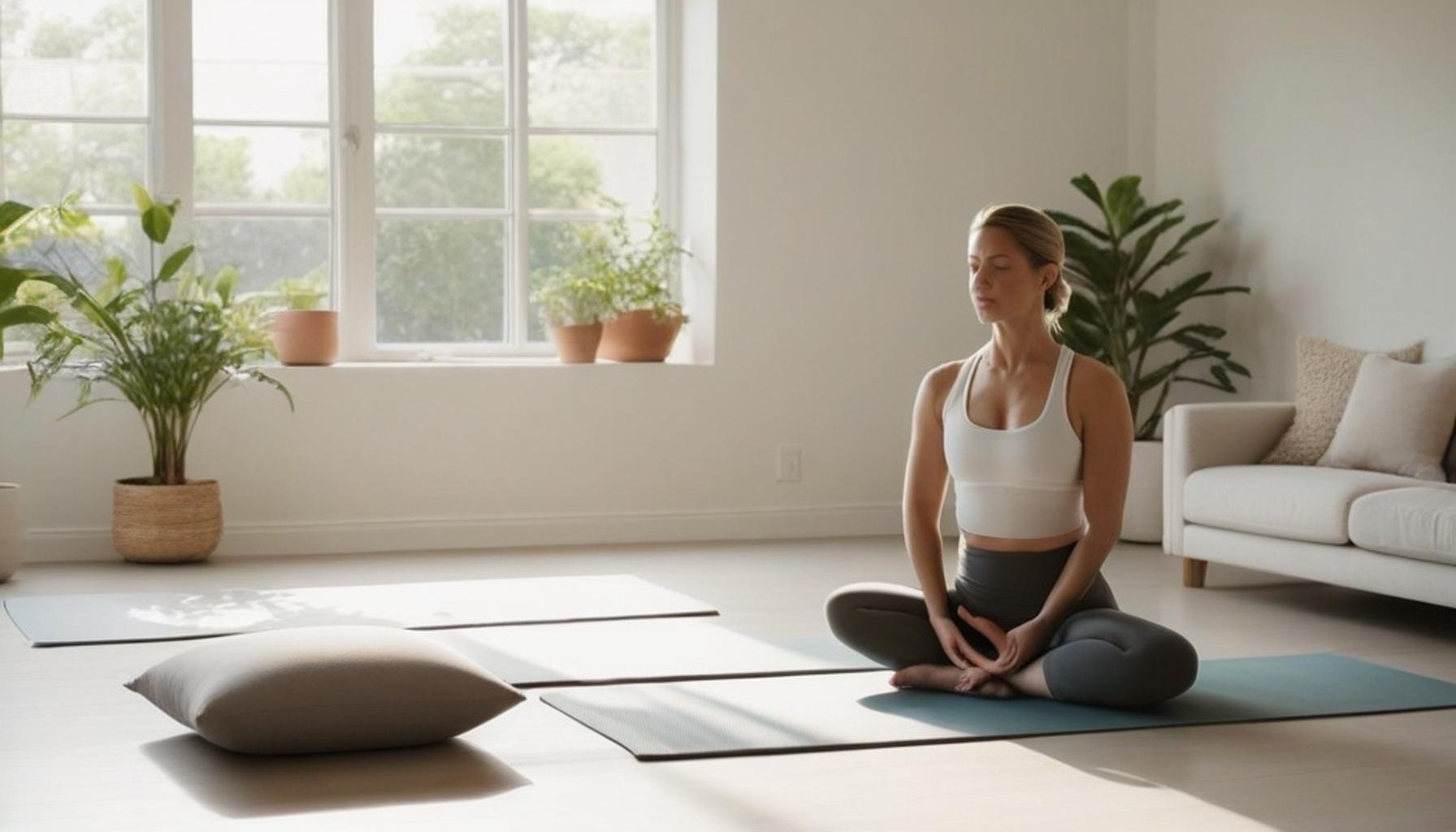
The Hidden Cost of Clutter
American households are currently bursting at the seams with possessions. According to organizational experts, the typical home contains over 300,000 items, and this number is steadily increasing as consumerism and online shopping dominate modern living. This overwhelming accumulation of clutter doesn’t merely take up physical space; it can also impact your mental health significantly. Each item in your home, whether it’s a piece of furniture or a unneeded kitchen gadget, demands your attention, sending subtle signals that there is unfinished business in your environment. This state of chronic distraction can lead not only to stress but also to anxiety, as you grapple with the notion of what to keep and what to discard.
Against this backdrop, the concept of minimalism in decor has started to gain remarkable traction across the United States. Individuals from various walks of life—from trendy apartments in Brooklyn to cozy suburban homes in Austin—are adopting this philosophy. By removing excess clutter and focusing on what truly matters, people report a newfound sense of tranquility and clarity in both their surroundings and their lives.
What This Article Covers
This exploration delves into the intriguing connection between calm spaces decor and psychological well-being, supported by research-backed evidence and real-world anecdotes. Here, you will learn practical strategies for transforming your living space into a sanctuary.
- The science behind the mental health benefits of minimalism, including studies that show how clutter affects stress hormones like cortisol.
- Core principles of minimalist home design that anyone can incorporate without costly renovations.
- A decluttering for peace of mind approach that takes you through each room, simplifying your space effectively.
- Tips for creating serene environments on any budget, showing that tranquility need not be expensive.
Whether you find yourself overwhelmed by a kitchen bursting with gadgets or a closet that seems to have a life of its own, there is a solution. Simplifying your home environment can be not only less daunting but also profoundly transformative. In a world that thrives on excessive consumption, embracing minimalism could be the breath of fresh air your mind craves.
CHECK OUT: Creating Functional Spaces: Organization Tips for a Minimalist Lifestyle
# Creating Calm Spaces: The Importance of Minimalism in Decor and Mental Health## The Science of Stress: How Clutter Rewires Your BrainNeuroscientists at Princeton University discovered something remarkable when they studied visual clutter’s effect on the brain: disorganized environments compete for your neural attention, literally limiting your brain’s ability to process information and focus. When researchers removed clutter from a workspace, participants completed tasks faster and with greater accuracy. Their brains, quite simply, had less visual noise to filter through.This finding helps explain why the mental health benefits of minimalism extend far beyond aesthetics. Cortisol, the body’s primary stress hormone, spikes in cluttered environments according to research published in the Personality and Social Psychology Bulletin. Women who described their homes as “cluttered” or full of “unfinished projects” showed significantly higher cortisol levels throughout the day compared to those who felt their spaces were restful and restorative.Consider what this means practically. Every overflowing junk drawer, every closet stuffed past capacity, every countertop covered in mail and miscellaneous items sends a constant, low-grade stress signal to your nervous system. You may not consciously register it, but your body does.### Beyond Cortisol: The Cognitive Load of ExcessPsychologists have identified a phenomenon called cognitive load that directly relates to how much mental clutter accumulates from physical clutter. Your brain has limited processing power, and every object in your visual field—wanted or not—draws on that finite resource.This explains several patterns researchers have documented:
- People with cluttered homes report higher rates of procrastination and difficulty completing tasks.
- Excessive possessions correlate with decreased life satisfaction, even when controlling for income and other factors.
- Cluttered environments are linked to poorer sleep quality, as bedrooms filled with items disrupt the brain’s ability to associate the space with rest.
- Decision fatigue increases when surrounded by too many choices, from clothing options to random household items.
For Americans living in an era of one-click shopping and same-day delivery, this data feels particularly urgent. The average American spends over $1,700 annually on items they never use, according to consumer behavior studies—purchases that eventually become the clutter contributing to chronic stress.Minimalism in decor offers a direct countermeasure to this cycle. By intentionally reducing possessions and creating calm spaces decor throughout the home, individuals report measurable improvements in focus, mood, and overall life satisfaction. The strategy isn’t about deprivation; it’s about reclaiming mental bandwidth that clutter silently consumes.
CHECK OUT: Simplified Living and Mental Health: Fewer Possessions, More Inner Peace
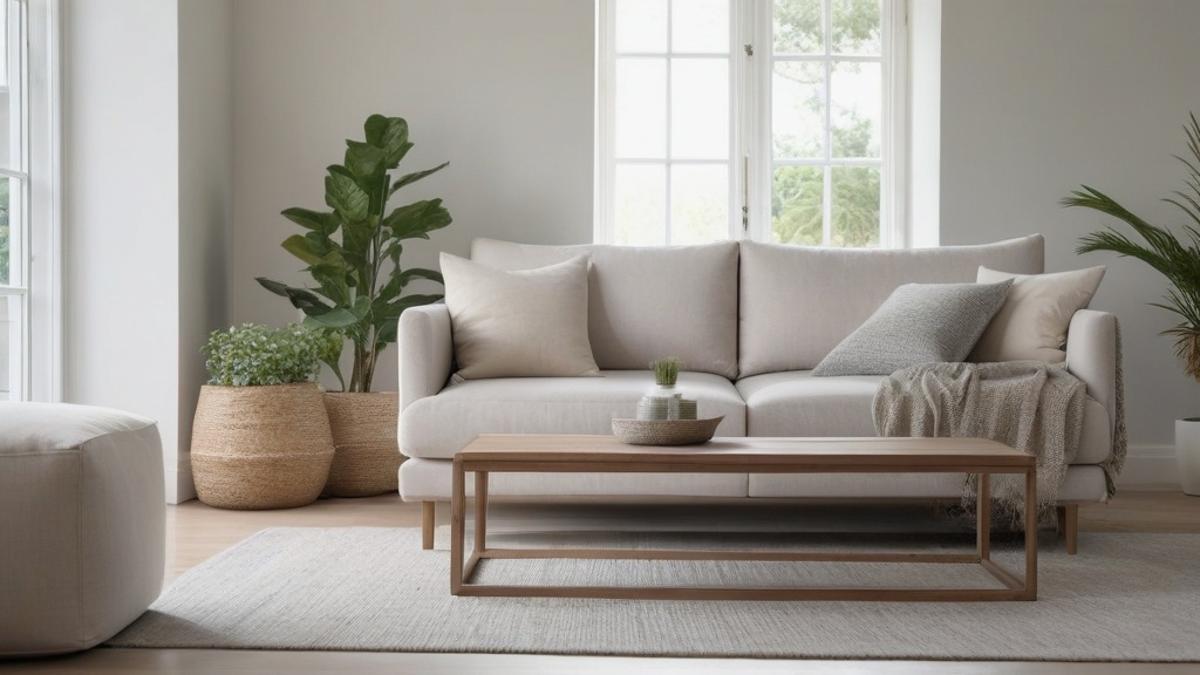
## Designing for the Nervous System: Practical Principles of Minimalist Home DesignWalk into any home featured in wellness magazines, and you’ll notice a pattern: clean lines, uncluttered surfaces, and a sense of visual breathing room. This isn’t merely a design trend. Minimalist home design operates on principles that align directly with how the human nervous system processes environmental stimuli.Environmental psychologists point to a concept called “soft fascination”—the brain’s ability to rest while still engaging with pleasant, low-stimulation surroundings. Nature scenes trigger this response, but so do intentionally designed interior spaces. A room with fewer objects, muted colors, and natural materials allows the eyes to move without friction, giving the mind permission to settle.### The Furniture-to-Floor RatioInterior designers increasingly reference a practical guideline: the amount of visible floor space in a room directly correlates with perceived calm. Rooms where furniture and objects occupy less than 40 percent of the visual field tend to score higher in resident surveys measuring relaxation and satisfaction.This explains why calm spaces decor often features:
- Furniture with exposed legs rather than heavy, floor-hugging pieces that visually anchor a room.
- Limited color palettes, typically three shades or fewer, to reduce visual competition.
- Strategic negative space, sometimes called “breathing room,” between furniture arrangements.
- Natural light maximized through unobstructed windows rather than heavy drapery.
### Regional Adaptations Across the United StatesAmerican homeowners face unique challenges when adopting minimalist principles. Homes in the Northeast often contend with smaller square footage, while Sun Belt states feature open floor plans that can amplify clutter’s visual impact across larger areas.Real estate data from Zillow indicates that listings emphasizing “clean,” “bright,” and “uncluttered” interiors receive 15 percent more inquiries than comparable homes photographed with heavy furnishings and personal items visible. Buyers, it seems, intuitively respond to the same cues that reduce cortisol in daily living.### Decluttering for Peace of Mind: Where to StartProfessional organizers recommend beginning with high-traffic zones rather than tackling an entire home at once. Kitchen counters, entryways, and bedside tables generate outsized psychological impact because they’re encountered dozens of times daily.Decluttering for peace of mind doesn’t require minimalist extremism. Even modest reductions—clearing 20 percent of items from a single surface—produce measurable improvements in reported stress levels, according to organizational psychology research.The goal involves creating serene environments that support daily function without demanding constant visual processing. Each object removed from a countertop represents one less decision, one less distraction, one less signal competing for attention in an already overstimulated world.
LEARN MORE: The Art of Letting Go: How Simplified Living Can Transform Your Life
Bringing It All Home: Why Minimalism Matters More Than Aesthetics
The evidence gathered across neuroscience labs, real estate data, and organizational psychology studies points to a single conclusion: minimalism in decor is not about achieving a magazine-perfect aesthetic. It’s about reducing the cognitive load our brains carry every single day.
From cortisol reduction to improved sleep quality, the mental health benefits of minimalism extend far beyond appearances. They touch how we function, how we rest, and how we relate to the spaces we inhabit for decades of our lives.
What makes this movement particularly relevant for American households is its adaptability. Whether working with a 600-square-foot Brooklyn apartment or a sprawling Arizona ranch home, the underlying principles remain consistent: fewer visual distractions, more intentional choices, and rooms designed to support the nervous system rather than overwhelm it.
Consider starting small. Choose one surface, one drawer, or one closet this week. Notice how decluttering for peace of mind shifts something beyond the physical space—it often changes how a room feels to simply walk into.
Creating serene environments doesn’t demand a complete lifestyle overhaul or an empty bank account. It requires attention, a willingness to question what truly serves daily life, and patience with the process.
As more research emerges connecting environment to emotional regulation, one thing becomes clear: the spaces we design are never neutral. They either add to our mental burden or help lighten it.
The choice, room by room, remains entirely in our hands.
Frequently Asked Questions
How does minimalism in decor contribute to mental health?
Minimalism in decor helps reduce clutter and distractions, leading to a more peaceful and calming environment. This simplicity can lower stress levels and promote mindfulness, allowing individuals to relax and feel more centered in their spaces.
What are some practical tips for incorporating minimalism in decor for a calming space?
To create a calming space with minimalism in decor, start by decluttering and removing items that don’t serve a purpose or bring joy. Incorporate neutral color palettes, choose functional furniture with clean lines, and add only a few meaningful decor pieces to enhance the space’s tranquility.
Can minimalism in decor benefit small apartment living in the U.S.?
Absolutely! Minimalism in decor is particularly beneficial for small apartments as it maximizes space and functionality. By using multi-purpose furniture and keeping decor simple, you can create an open and airy atmosphere that promotes relaxation and reduces feelings of being cramped.
What role do colors play in achieving minimalism in decor?
Colors play a significant role in minimalism in decor, as soft and neutral tones can evoke calmness and serenity. Using a limited color palette can create a cohesive look, making a space feel more organized and less overwhelming, which is essential for mental clarity.
Is minimalism in decor suitable for families with children?
Yes, minimalism in decor can be very suitable for families with children. By creating designated areas for toys and limiting decorative items, parents can promote orderliness while teaching children the value of simplicity and responsibility in their living environment.
How can I maintain a minimalist decor while still expressing my personal style?
You can maintain a minimalist decor while expressing your personal style by curating a few impactful pieces that reflect who you are. Focus on quality over quantity by choosing statement art, unique furniture, or personal mementos that add character without creating clutter.

Linda Carter
Linda Carter is a writer specializing in minimalism and personal organization. With extensive experience helping readers create more functional and balanced routines, she shares practical advice on decluttering, organizing spaces, simplifying daily tasks, and making more intentional choices. Her goal is to offer clear guidance and accessible strategies that help people reduce excess, improve their surroundings, and enjoy a calmer, more organized lifestyle.