
Declutter Familiar: Involving Children and Adults in Organizing Shared Space
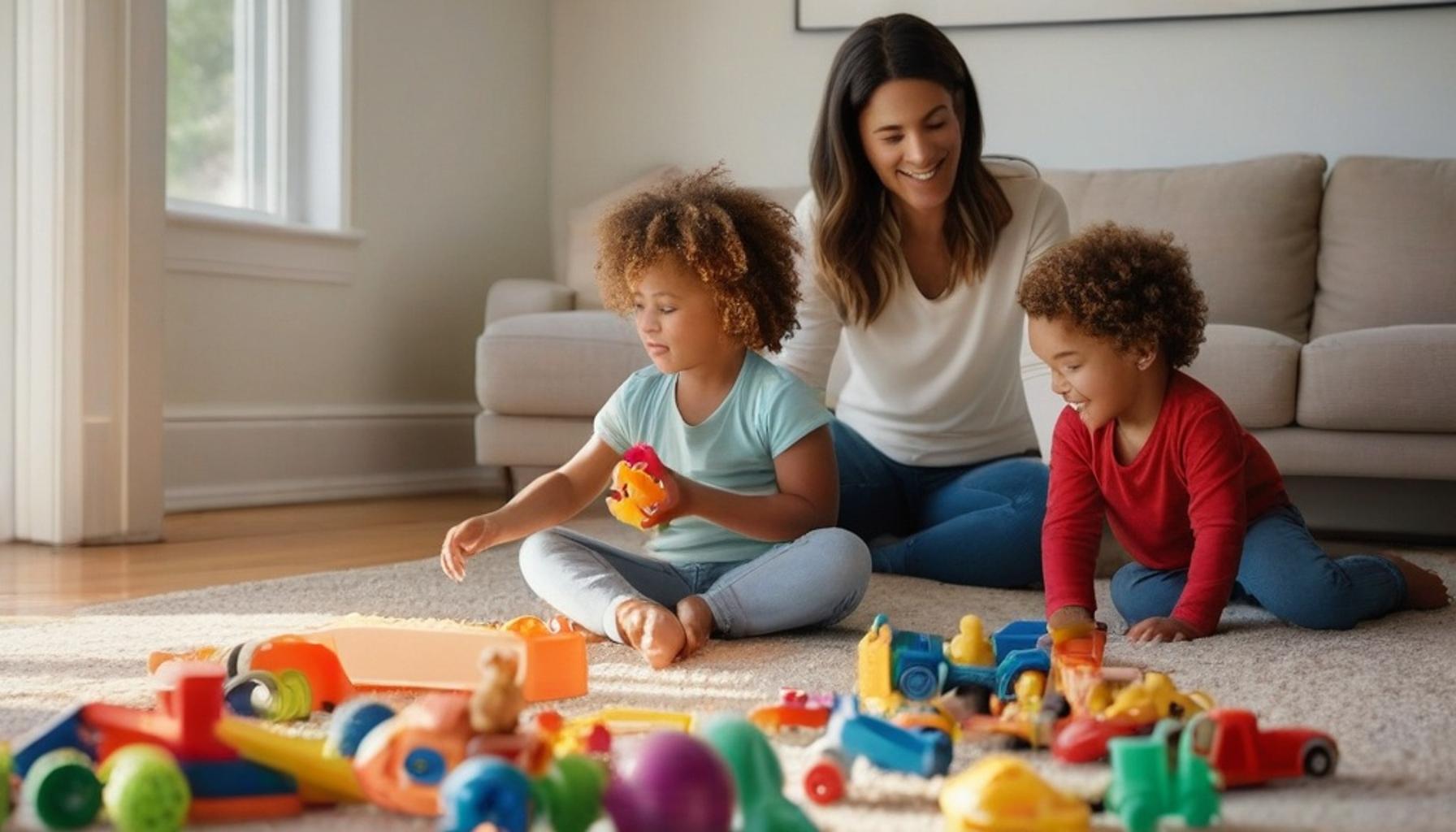
Every American household is familiar with the scene: toys scattered across the living room, stacks of unread mail developing a precarious tower on the kitchen counter, and closets that seem to multiply clutter overnight. This familiar chaos can often lead to frustration, but it also presents an opportunity for meaningful family bonding through organization. Adopting a Declutter Familiar approach transforms this household headache into a project that fosters teamwork and teaches valuable life skills.
Organizing experts reveal a staggering statistic: the average U.S. home contains over 300,000 items. With this overwhelming number, it’s clear that organizing shared spaces cannot be a solitary endeavor. Instead, it calls for a collaborative effort that encourages participation from every member of the family.
Why Involving the Whole Household Matters
Involving children in decluttering serves to lighten a parent’s workload while also imparting essential values such as responsibility and decision-making. Engaging children in the process cultivates respect for shared environments from a young age, nurturing habits that can last a lifetime.
- Kids as young as three can participate by sorting toys into “keep” and “donate” bins, resulting in a surprising sense of accomplishment.
- Teenagers are capable of managing their own closets, making informed choices about what to keep or let go with minimal supervision.
- Adults can reinforce healthy habits by visibly participating in the process, rather than merely assigning tasks to others.
The small roles that each family member takes on can accumulate into a noticeable shift in the overall atmosphere of the home. A decluttered space not only promotes peace and order but also enhances productivity and emotional well-being.
What This Article Covers
This guide is designed to provide practical family organization tips that cater to diverse age groups and living arrangements, whether in cozy apartments or expansive multi-generational homes.
- Discover age-appropriate tasks that encourage effective teamwork while respecting individual capabilities.
- Learn about simple systems aimed at maintaining order long-term, minimizing future clutter challenges.
- Explore real strategies for decluttering with kids that avoid the common pitfalls of daily battles and frustrations.
Ready to explore how these shared living space tips can revolutionize your household routine? Get ready to dig in and uncover practical solutions that promise not only to streamline your living space but also to strengthen family bonds in the process.
LEARN MORE: Effective Decluttering Techniques for Every Room in Your Home
Before diving into bins and labels, it helps to understand why clutter accumulates in the first place. Behavioral researchers point to a simple truth: shared living space tips only work when everyone understands the “why” behind the mess. Families often create an ecosystem that reflects their busy lives. Each dropped backpack, forgotten sports equipment, or unopened Amazon box signifies a decision someone didn’t have time to address, leading to a natural buildup of items. Multiply that by four or five household members, and the mathematical probability of clutter accumulation becomes almost certain. This highlights the importance of effective communication and mutual understanding about responsibility in shared spaces.
The Hidden Cost of Household Clutter
Clutter isn’t just visually overwhelming—it carries measurable consequences for American families. Research from organizational psychologists suggests that disorganized environments can contribute to elevated stress levels, particularly for primary caregivers who typically carry the mental burden of organizing household items. The psychological impact is profound, affecting emotional well-being and family dynamics.
Consider these noteworthy findings that further illustrate why Declutter Familiar strategies are essential:
- Households with visible clutter report a staggering 40% higher incidence of daily arguments related to whose responsibility it was to clean up.
- Children raised in organized environments tend to show improved focus during homework and creative play, leading to better academic and social outcomes, according to child development specialists.
- Parents who engage in decluttering as a team with their families report significantly stronger feelings of household harmony compared to those who take on the task alone.
These statistics reveal an important truth: clutter is not merely an aesthetic issue; it is an emotional and relational one, tightly intertwined with how family members interact within their shared spaces. When families prioritize organization, they often find improvements in both relationships and overall well-being.
Breaking the Cycle of “I’ll Do It Myself”
Many parents fall into a familiar trap—believing it’s faster to organize everything on their own rather than to teach their kids the process. While this approach might yield short-term cleanliness, it generally backfires over time, resulting in recurring messes that solo efforts can’t prevent.
Involving children in the decluttering process not only lightens the workload but also fosters responsibility and independence. Research indicates that kids who participate in organizing tasks develop a sense of ownership, which encourages them to maintain order within their spaces. This involvement quickly shows results: children who learn organizational skills early on contribute to a feeling of structured calm within the household.
This is where practical family organization tips become indispensable. Instead of viewing decluttering as a daunting, one-time project, successful households acknowledge it as an ongoing collaborative process—one that evolves as children grow and family needs shift. Establishing a routine makes decluttering feel less like a chore and more like an opportunity for family bonding.
The ensuing sections will break down effective strategies for creating collaborative systems, starting with age-specific approaches that render the art of decluttering with kids enjoyable and rewarding, transforming it into a shared family win.

YOU MAY ALSO LIKE: How to Create a Decluttering Plan in 30 Days: Practical Steps for a Minimalist Life
Age-Appropriate Roles That Make Decluttering Click
One-size-fits-all chore charts rarely work, and organizing experts agree that involving children in decluttering succeeds only when tasks match developmental ability. A toddler and a teenager cannot be handed identical instructions and expected to produce identical results. Matching capability to task is the quiet secret behind households that actually stay tidy.
Occupational therapists who study childhood development have outlined general benchmarks that many American families find useful when structuring shared responsibilities:
- Children ages 2-4 can sort toys by color or size and place items into open bins, building early categorization skills.
- Kids ages 5-8 can handle simple labeling systems and return items to designated “homes” within a room.
- Preteens ages 9-12 can manage entire categories, such as organizing a bookshelf or sorting out-of-season clothing for donation.
- Teenagers can take ownership of multi-step projects, including donation drop-offs, digital decluttering, and helping younger siblings learn the process.
This tiered structure transforms Declutter Familiar efforts from abstract parental nagging into a concrete, age-calibrated system everyone understands.
Adults Need Ground Rules Too
It’s tempting to assume that only children need structure, but adults contribute significantly to household disorganization. A 2022 survey by the National Association of Productivity and Organizing Professionals found that adults were responsible for nearly 60% of “surface clutter”—mail, work materials, and miscellaneous items left on counters and tables.
Effective shared living space tips require adults to model the same accountability expected of kids. This might mean designating a specific landing zone for keys and mail, or committing to a nightly five-minute reset of common areas. When parents visibly participate rather than delegate, children internalize decluttering as a family value rather than a punishment.
The Power of Visual Systems
Labels, color-coded bins, and picture-based instructions dramatically reduce the friction of maintaining order, especially in multigenerational or bilingual households. Visual cues remove ambiguity, which is often the real reason clutter returns days after a big cleanup.
Consider a family in Austin, Texas, who replaced text labels with photographs on storage bins for their preschooler. Within weeks, toy clutter in the living room dropped noticeably, according to the parents, simply because the child could independently identify where items belonged without needing an adult to read labels aloud.
These small, sustainable adjustments illustrate a core principle behind lasting family organization tips: systems succeed when they reduce reliance on memory and place the burden on clear, repeatable visual structure instead.
Building a Household Culture That Outlasts the Next Cleanup
The evidence points to a simple truth: Declutter Familiar is not a one-weekend project but an evolving household culture. Age-appropriate tasks give children genuine ownership, while adults modeling the same habits prevent the double standard that quietly undermines most organizing efforts.
What separates families who maintain order from those who cycle through repeated overhauls isn’t willpower—it’s structure. Visual systems, tiered responsibilities, and consistent daily resets remove the guesswork that causes clutter to creep back within weeks.
Consider the numbers already discussed: adults generating nearly 60% of surface clutter, and a preschooler independently maintaining tidiness once photo labels replaced text. These aren’t isolated anecdotes; they reflect a broader pattern researchers continue to document across American households of every size and configuration.
- Success in organizing shared space depends on matching tasks to developmental readiness, not arbitrary chore assignments.
- Involving children in decluttering works best when paired with visible adult participation, not delegation alone.
- Practical shared living space tips—landing zones, nightly resets, labeled bins—reduce reliance on memory and nagging.
Families exploring decluttering with kids should treat these strategies as a starting framework rather than a rigid formula. Every household will need to adjust timing, categories, and visual cues based on the ages and personalities involved.
Ultimately, the most effective family organization tips share one quality: they distribute responsibility evenly across generations while acknowledging that everyone, regardless of age, benefits from clear systems rather than constant reminders. That shift—from enforcement to shared ownership—may be the real key to a home that stays organized long after the initial effort fades.
Frequently Asked Questions
What are effective strategies to involve children in the decluttering process?
To involve children in decluttering, start by explaining the importance of organization and its benefits. Use fun and engaging methods, like sorting games or themes, to make the process enjoyable. Allow them to decide what to keep, donate, or discard, ensuring they feel empowered in the decision-making.
How can adults balance their decluttering efforts with children’s emotional attachments to items?
Adults should acknowledge children’s emotional connections to certain items and have open discussions about feelings and attachments. It’s helpful to create a ‘memory box’ for special keepsakes while allowing children to choose a limited number of items to keep out of respect for their attachments.
What role can shared family discussions play in the decluttering process?
Shared family discussions can set the tone for decluttering and ensure everyone feels heard. In these discussions, families can establish goals, discuss areas of clutter, and agree on strategies for organization, fostering collaboration and shared responsibility for maintaining a clutter-free space.
How should families approach sorting through sentimental items during decluttering?
When sorting through sentimental items, families should approach the task with care and mindfulness. Encourage family members to share stories and memories associated with each item to foster connection, and consider keeping only the most meaningful ones while photographing others before letting them go.
What are some practical tips for maintaining a clutter-free home after decluttering?
To maintain a clutter-free home, establish a ‘one-in, one-out’ rule where for every new item brought in, an old one is removed. Schedule regular decluttering sessions and create designated spaces for items, so everyone knows where to put things back after use, making it easier to stay organized.
How can a shared decluttering day be effectively organized for families?
To organize a shared decluttering day, create a fun and structured schedule that includes breaks and snacks to keep everyone motivated. Assign specific areas and tasks to each family member while providing teamwork opportunities, making it a collaborative and enjoyable experience rather than a chore.

Linda Carter
Linda Carter is a writer specializing in minimalism and personal organization. With extensive experience helping readers create more functional and balanced routines, she shares practical advice on decluttering, organizing spaces, simplifying daily tasks, and making more intentional choices. Her goal is to offer clear guidance and accessible strategies that help people reduce excess, improve their surroundings, and enjoy a calmer, more organized lifestyle.