The Impact of Minimalism on the Organization of Commercial Spaces: Effective Solutions for Offices and Stores
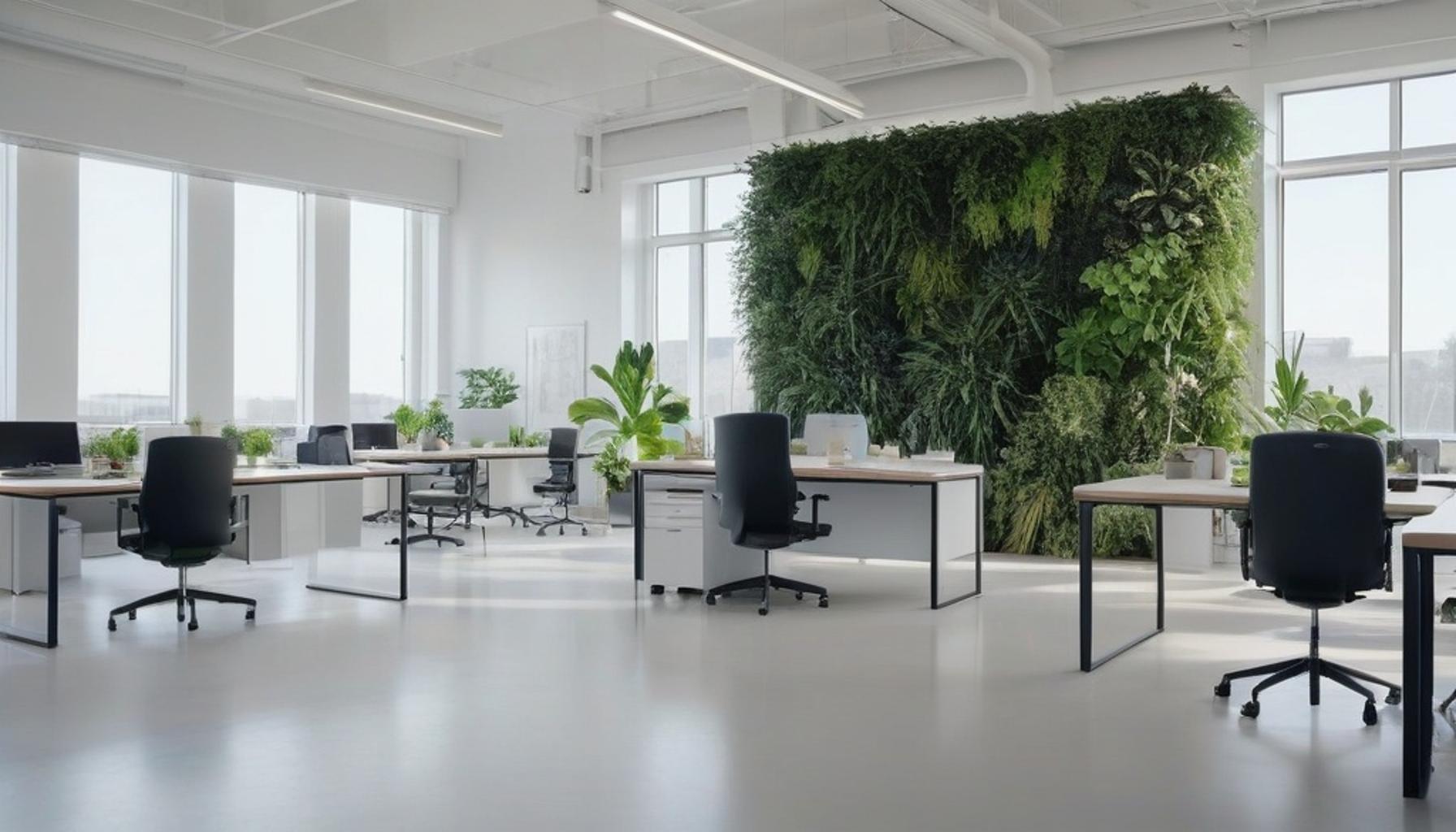
Walk into any newly renovated office in Austin or a flagship retail store in Manhattan, and you’ll likely notice something missing: clutter. The impact of minimalism on commercial spaces has transitioned from a mere design trend to a strategic business decision, and this evolution is reshaping workplaces across the country.
Companies from San Francisco to New York are discovering that stripped-down environments do more than create a sleek appearance; they profoundly influence productivity, customer behavior, and even bottom-line profits. This paradigm shift is being embraced by tech startups, corporate giants, and local retailers alike, recognizing that less can indeed be more.
A Shift Backed by Numbers
Recent workplace studies reveal that decluttered environments can boost employee focus by as much as 20%. This improvement is not an isolated observation; retailers too are experiencing similar gains. For instance, well-organized stores with simplified layouts have been reported to increase average purchase values significantly—some brands claim numbers as high as 30% in specific environments. The restructuring of physical spaces has a tangible impact on how employees work and how customers engage with products.
These findings underscore a crucial point: adopting a minimalistic approach isn’t merely a nod to aesthetics; it’s about creating environments that function smarter rather than harder. The focus is on enhancing user experiences, whether those users are employees or customers.
What This Article Will Cover
Minimalism offers practical, scalable solutions for businesses of every size, making it an attractive option for many who seek to innovate while staying efficient. Here’s what you’ll discover:
- Minimalist office design ideas that maximize space without sacrificing comfort and functionality, such as flexible workstations and multi-use areas.
- Proven strategies for organizing retail spaces to guide customer flow effectively, using concepts like strategically placed checkout counters and clear navigation paths.
- The measurable benefits of minimalist office layouts on employee performance, including statistics on reduced stress and enhanced collaboration.
- Real-world examples of minimalism in store layout from leading U.S. brands, such as Apple and Nike, showcasing how their designs foster both innovation and customer satisfaction.
- Current commercial minimalism trends shaping 2024 design decisions, including the integration of technology and sustainable materials that align with minimalist principles.
Whether you’re redesigning a corporate headquarters or reimagining a boutique storefront, effective solutions for minimalism are reshaping how Americans work and shop. The growing consensus among professionals is clear: the question isn’t whether to embrace this shift, but rather how quickly your business can adapt to remain competitive in a rapidly evolving landscape.
YOU MAY ALSO LIKE: Creative Solutions for Storage: Integrating Minimalism and Space Optimization
Rethinking the Modern Office: Function Over Clutter
Step into any Fortune 500 headquarters redesigned in the last five years, and the transformation is unmistakable. Gone are the towering filing cabinets and cubicle mazes that once defined corporate America. In their place: open sightlines, purposeful furniture, and an almost surgical absence of visual noise. This is the impact of minimalism on commercial spaces playing out in real time. Companies like Google and IBM have become case studies in how reduction can drive results, emphasizing a workspace that fosters creativity and collaboration while enhancing employee comfort.
The logic behind this shift is straightforward yet profound. Every unnecessary object in a workspace competes for attention. Remove the excess, and employees can redirect that mental bandwidth toward actual work. It’s a simple equation, but the ramifications are anything but trivial. Research indicates that offices designed with minimalism in mind can lead to increased productivity, with studies showing that employees report higher engagement and satisfaction levels in such environments.
Core Principles Behind Minimalist Office Design Ideas
Businesses adopting minimalist office design ideas typically build their strategies around a handful of core concepts. These aren’t abstract design philosophies—they’re practical frameworks that architects and workplace consultants apply on real projects. Cities like Chicago, Seattle, and Denver have become incubators for these cutting-edge ideas.
- Flexible workstations allow for easy transition between hot-desking models, promoting adaptability as company sizes fluctuate and reducing wasted square footage. This design principle not only streamlines operations but also allows companies to scale without expanding their lease, effectively maximizing profits.
- Multi-use areas can shift from quiet focus zones in the morning to collaborative meeting spaces in the afternoon. This adaptability helps to accommodate different work styles and team needs throughout the day, enhancing overall functionality.
- Concealed storage systems keep essential documents and supplies accessible yet invisible, preserving clean sightlines that contribute to a less distracting environment. This design choice fuels workers’ focus and fosters a more organized workflow.
- Neutral color palettes, paired with strategic lighting, are critical for reducing visual fatigue during long workdays. Such considerations help create a calm atmosphere, which studies have shown can lead to better decision-making and greater productivity.
- Reduced furniture density prioritizes fewer, higher-quality pieces over rows of identical desks. By investing in versatile and aesthetically pleasing furnishings, companies can create an inviting atmosphere that encourages collaboration and innovation.
What makes these strategies noteworthy isn’t just their visual appeal. Commercial real estate firms report that companies implementing these layouts often reduce their total office footprint by 15 to 25 percent, translating directly into lower lease costs. This reduction serves as a compelling incentive for CFOs who are meticulously monitoring budgets and looking for ways to cut expenses.
Why Employees Respond Positively
In workplace psychology, the principle of “cognitive load reduction” serves as the driving force behind minimalism’s success in offices. When the brain isn’t constantly processing excess stimuli—such as stacks of paper, mismatched furniture, or tangled cables—it can channel more energy into meaningful problem-solving. This shift can lead directly to breakthrough ideas and improved overall team performance.
Furthermore, broader research on the benefits of minimalist office environments consistently links decluttered spaces to lower reported stress levels and smoother team communication. This trend is too consistent to dismiss as mere coincidence. Facilities managers across the United States are re-evaluating what productive workspaces should look like, leading to the recognition that a clean and thoughtfully designed office can enhance not only individual productivity but also overall workplace morale. The push towards minimalism continues to inspire organizations of all sizes, inviting them to consider how environments affect them more profoundly than ever before.
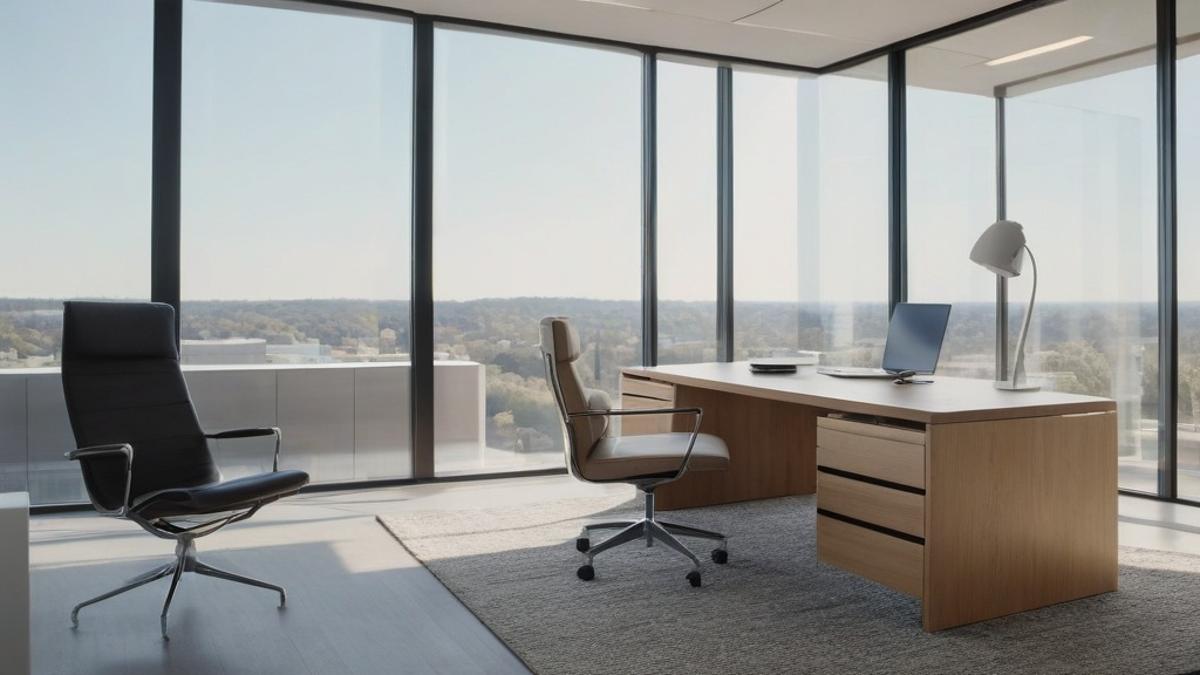
| Key Aspect | Description |
|---|---|
| Visual Clarity | Minimalism promotes visual clarity in commercial spaces, allowing customers and employees to focus on what truly matters. This is accomplished by reducing clutter and simplifying design. |
| Enhanced Productivity | Implementing minimalist office design ideas can lead to increased efficiency and productivity among employees. A streamlined environment minimizes distractions, creating a conducive atmosphere for focus and creativity. |
| Customer Experience | Organizing retail spaces with a minimalist approach can enhance the customer experience. Less clutter results in a more inviting shopping environment, encouraging longer visits and ultimately boosting sales. |
| Sustainability | Embracing commercial minimalism trends often leads to sustainable practices. By opting for high-quality, lasting furnishings and reducing waste, businesses can create eco-friendly environments that appeal to conscientious consumers. |
LEARN MORE: Multifunctional Spaces: Designing Minimalist Environments that Maximize Use
Retail Reinvented: Minimalism in Store Layout Strategies
Walk into an Apple Store on Fifth Avenue or a Muji outlet in California, and notice what’s missing: the cluttered shelving, the overwhelming signage, the sensory overload common in traditional retail. This deliberate restraint represents one of the clearest examples of the impact of minimalism on commercial spaces within the retail sector. Brands are discovering that fewer products, displayed thoughtfully, often outsell crowded inventories crammed into every available inch.
Organizing retail spaces around minimalist principles isn’t about carrying less merchandise arbitrarily. It’s a calculated approach where every product placement earns its spot through data-driven decisions about customer behavior and purchasing patterns.
Practical Applications for Store Owners
Retailers experimenting with minimalism in store layout design report measurable results, and the strategies behind these successes are becoming standard practice across shopping districts in cities like Austin, Portland, and Miami.
- Wide, uncluttered walkways encourage customers to move freely through the store, reducing the claustrophobic feeling that drives shoppers away prematurely. Retail analysts note that stores widening their aisles by even a few feet often see longer average visit times.
- Strategic product spacing allows individual items to command attention rather than blending into a sea of merchandise. This technique, borrowed from luxury retail, is now appearing in mid-range stores looking to elevate perceived value.
- Simplified signage systems replace multiple competing promotional messages with clear, singular calls to action. Customers process these cleaner messages faster, which speeds up decision-making at checkout.
- Natural material palettes, including wood, stone, and matte finishes, create an atmosphere of quality and trust. Shoppers frequently associate these tactile choices with premium positioning, even at accessible price points.
- Curated product assortments focus on bestsellers and seasonal essentials rather than exhaustive catalogs. This approach reduces decision fatigue, a phenomenon well-documented in consumer psychology research.
Data from retail consulting firms suggests stores adopting these effective solutions for minimalism see conversion rate improvements ranging from 10 to 20 percent. That statistic alone has prompted regional chains across the Midwest and Southeast to pilot minimalist redesigns in select locations before committing company-wide.
The Business Case Behind the Aesthetic
Beyond aesthetics, minimalist retail design directly affects operational costs. Simplified store layouts require less staff to maintain, fewer fixtures to purchase, and lower inventory holding costs when done correctly. Small business owners in particular have found this model attractive, since startup capital often dictates efficient use of every dollar spent on physical space.
Industry publications tracking commercial minimalism trends have documented a steady rise in retailers moving away from maximalist “more is more” strategies that dominated the early 2000s. This isn’t a passing fad limited to trendy boutiques. National chains, including several within the home goods and electronics sectors, have quietly restructured flagship locations using these exact principles, betting that American consumers increasingly value clarity over abundance when making purchasing decisions.
Rethinking Commercial Space: What the Minimalist Shift Really Means
From open-plan offices in Chicago to boutique storefronts in San Diego, the evidence keeps pointing the same direction. The impact of minimalism on commercial spaces isn’t a superficial design trend confined to Instagram-worthy interiors. It’s a functional response to how people actually work, shop, and make decisions.
Throughout this discussion, a pattern emerges. Whether examining minimalist office design ideas or strategies for organizing retail spaces, the underlying logic stays consistent: remove friction, reduce visual noise, and let intentional design choices guide behavior.
The benefits of minimalist office layouts extend beyond employee comfort. Companies report lower overhead, easier maintenance, and workspaces that adapt faster to changing team sizes. Meanwhile, retailers embracing minimalism in store layout planning see tangible returns, including conversion rate gains that directly affect bottom lines.
A Broader Consideration
What deserves more attention is the cultural shift driving these commercial minimalism trends. American consumers and workers alike are signaling fatigue with excess. They want spaces that respect their time, attention, and decision-making capacity.
This doesn’t mean every business should strip everything down overnight. The most effective solutions for minimalism come from testing, measuring, and adjusting, much like the regional retail pilots and phased office redesigns mentioned earlier.
Businesses considering this path should start small: audit one department, one storefront section, one underused area. Track the results. Scale what works.
As commercial real estate costs climb in major metros nationwide, expect more decision-makers to view minimalism not as an aesthetic preference, but as a practical necessity worth serious investigation.
Frequently Asked Questions
How does minimalism affect employee productivity in office spaces?
The impact of minimalism on commercial spaces can lead to increased employee productivity by reducing distractions and creating a more organized environment. Minimalist designs often emphasize open spaces and fewer visual clutter, which can help employees focus better on their tasks and enhance their overall efficiency.
What are some practical examples of minimalist design in retail stores?
In retail stores, minimalist design often includes clean lines, a limited color palette, and strategically arranged products to create an uncluttered look. For example, showcasing a few featured items on simple shelving allows customers to focus on key products without being overwhelmed by excessive choices.
Can minimalism help in reducing operational costs for businesses?
Yes, the impact of minimalism on commercial spaces can lead to reduced operational costs by optimizing space usage and decreasing the need for excessive furniture and decor. By creating a more streamlined environment, businesses can lower maintenance costs and potentially reduce utility expenses through more efficient design.
What challenges might businesses face when implementing minimalism in their commercial spaces?
Implementing minimalism in commercial spaces can present challenges such as overcoming resistance from employees or customers who are accustomed to more traditional setups. Additionally, finding the right balance between aesthetics and functionality requires careful planning to ensure the space remains welcoming and effective.
How does the impact of minimalism on commercial spaces influence customer experience?
The impact of minimalism on commercial spaces can greatly enhance customer experience by creating a calming, inviting atmosphere. Spaces that prioritize simplicity and organization allow customers to navigate the area easily, leading to increased satisfaction and possibly more sales.
Are there any psychological benefits of minimalism in commercial environments?
Yes, minimalism in commercial environments can contribute to psychological benefits such as reduced stress and increased clarity of thought. A well-organized, minimalist space can foster a sense of calm for both employees and customers, promoting a more positive experience overall.

Beatriz
Beatriz Johnson is a seasoned minimalist and writer with a passion for simplifying the complexities of personal organization and intentional living. With over a decade of experience in decluttering strategies and mindful consumption, she specializes in topics like space optimization, habit simplification, and sustainable lifestyle choices. Through her work on our website, Beatriz empowers readers to embrace minimalism, reduce mental and physical clutter, and create more meaningful, organized lives in today's fast-paced world.