Creating a Functional Workspace: Space Optimization Strategies for a Minimalist Home Office
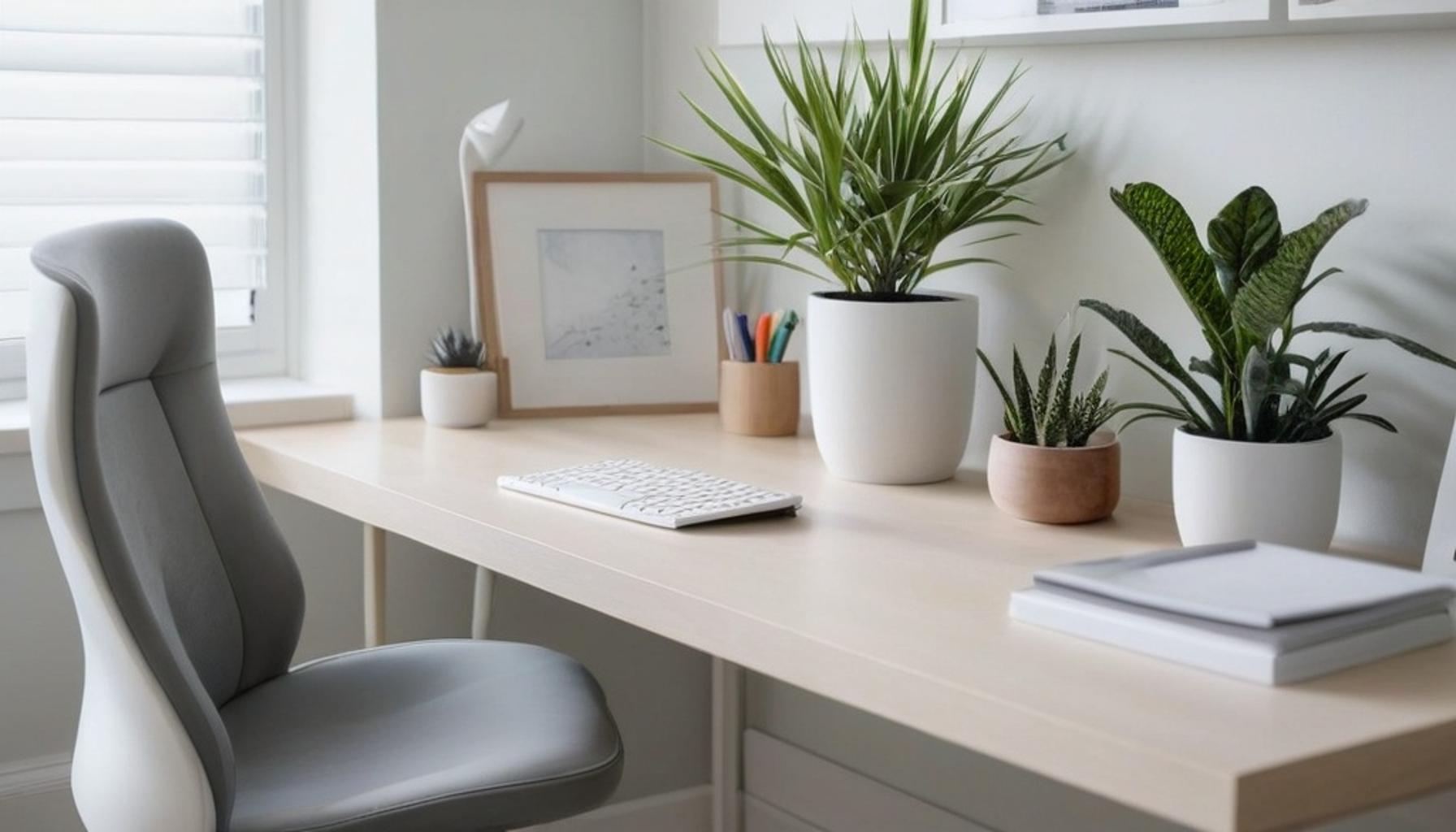
As telecommuting becomes the new norm, accommodating a workspace at home can pose a significant challenge for many individuals. With nearly 30% of U.S. employees now working remotely at least part-time, the demand for creative solutions has never been higher. Many find themselves transforming closets, corners, and spare bedrooms into makeshift offices, but these hurried adaptations often result in cluttered and chaotic environments that hinder focus rather than enhance productivity.
Building a truly functional workspace isn’t solely dependent on the amount of square footage available; it heavily relies on strategy, discipline, and thoughtful design choices. With a little ingenuity and intention, even the most compact or unconventional spaces can become productive hubs. Finding the right balance is essential to maximizing efficiency while maintaining comfort and aesthetic appeal.
Why Minimalism Works
A minimalist home office design advocates for stripping away anything that isn’t essential to your work. Studies in workplace psychology have consistently linked high levels of visual clutter to increased stress and decreased productivity levels. This understanding positions minimalism as an effective remedy for those feeling overwhelmed in their workspaces.
This guide outlines practical, real-world approaches to reclaiming your space and transforming it into a serene sanctuary of productivity, including:
- Proven space optimization strategies tailored for small rooms, cozy nooks, and shared environments. Techniques such as vertical storage or using multifunctional furniture can greatly enhance your workspace.
- Smart home office organization tips that effectively reduce visual noise. Integrating items like cable organizers, drawer dividers, and labeled storage boxes can clear away distractions.
- Guidance on how to buy minimalist office furniture that minimizes the footprint without compromising comfort. Ergonomic chairs and desks that can double as tables can save space while enhancing usability.
- Simple workspace productivity hacks grounded in design psychology. Strategies such as lighting adjustments, color selections, and specific layout designs can influence mood and concentration.
Whether working from a compact 400-square-foot apartment in downtown Chicago or a suburban spare room, these tailored solutions can be adapted to fit various realities. By exploring the right layout, selecting the appropriate furniture, and cultivating effective habits, anyone can transform even the smallest corner into a workspace that truly works.
CHECK OUT: Maximizing Small Spaces: Minimalist Organization Strategies for Urban Apartments
# Mapping Your Space: The Foundation of Every Functional WorkspaceBefore purchasing a single storage bin or scrolling through furniture catalogs, successful home office design starts with an honest assessment of your available square footage. Too many remote workers rush straight to Pinterest boards without first understanding their room’s natural constraints and possibilities.
Conducting a Space Audit
Professional organizers recommend starting with what’s often called a “space audit.” This means physically measuring your intended workspace, noting window placement, electrical outlets, and natural light sources. According to interior design research, natural light exposure can boost productivity by up to 40%, making window positioning a critical factor in your layout decisions.Consider these key questions during your audit:
- How much natural light does the space receive throughout the day?
- Are there existing electrical outlets, or will you need extension cords?
- What is the total square footage, and how does furniture placement affect walking paths?
- Does the space serve dual purposes, such as a guest bedroom or dining area?
Answering these questions honestly prevents costly furniture mistakes and sets realistic expectations for your minimalist home office design.
The Zone-Based Approach
One of the most effective space optimization strategies involves creating distinct functional zones, even within a single room. Rather than treating your workspace as one undefined area, divide it mentally into three core zones: work surface, storage, and transition space.This zoning technique, borrowed from commercial office design, helps the brain associate specific areas with specific tasks. A small side table near your desk might become your “reference zone” for frequently used documents, while a nearby shelf handles long-term storage needs.Urban dwellers in cities like New York and San Francisco, where average apartment sizes hover around 700 square feet, have particularly embraced this approach. By treating a corner nook as a legitimate zone rather than an afterthought, these workers create psychological boundaries between “home” and “office” without needing a dedicated room.
Vertical Thinking Changes Everything
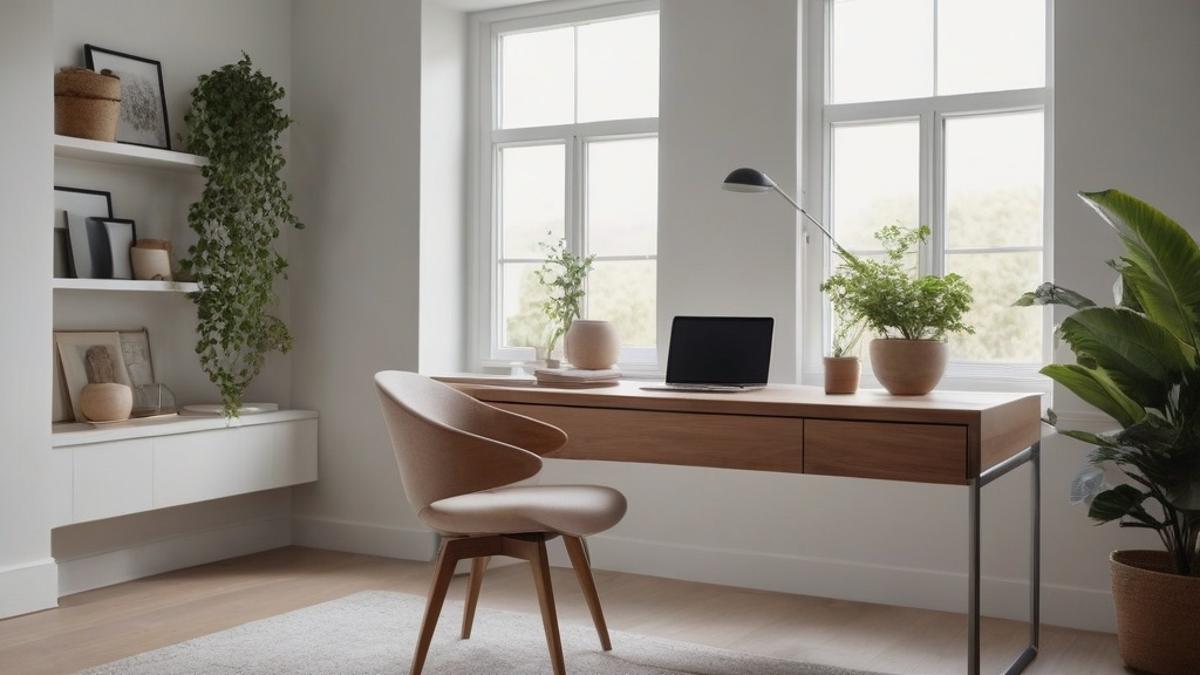
When floor space runs short, the solution often lies above eye level. Wall-mounted shelving, pegboards, and vertical file organizers can reclaim square footage that traditional horizontal layouts waste entirely.This is where many home office organization tips diverge from conventional wisdom. Instead of asking “where can I put this on my desk,” the better question becomes “can this live on my wall instead?” Floating shelves above a desk, for instance, keep frequently used items accessible without consuming valuable surface area.
SEE ALSO: Maximizing Small Spaces: Minimalist Organization Strategies for Compact Apartments
Furniture Choices That Multiply Your Square Footage
Once the zones are mapped out, the next challenge becomes furnishing them without cluttering the room. This is where the decision to buy minimalist office furniture pays dividends far beyond aesthetics. Multi-functional pieces do the heavy lifting that multiple single-purpose items simply cannot.
The Case for Convertible Furniture
Wall-mounted desks that fold flat when not in use have surged in popularity across compact American apartments, particularly in cities like Chicago and Boston where older buildings often mean smaller rooms. These fold-down designs can reclaim up to 15 square feet when stowed, transforming a workspace back into a living area within seconds.
Furniture retailers have taken notice. Brands specializing in space-saving designs report that convertible desks and murphy-style workstations rank among their fastest-growing categories, with sales climbing steadily since remote work became a permanent fixture for millions of households.
Consider these furniture categories when building a truly functional workspace:
- Wall-mounted or floating desks that eliminate the need for legs and floor clearance
- Storage ottomans that double as extra seating for video calls
- Rolling carts that transition between office supplies and kitchen use
- Slim-profile filing cabinets designed to fit under 30-inch-wide desks
Rethinking the Chair Question
Seating often gets overlooked in space optimization conversations, yet it represents one of the bulkiest elements in any home office. Ergonomic specialists note that a well-designed task chair without armrests can save four to six inches of clearance compared to bulkier executive models, a difference that matters significantly in tight corners.
Some remote workers have even adopted stackable or folding chairs that tuck against a wall when video calls end, freeing the floor for other activities like yoga or simply walking through the room unobstructed.
Cable Management as a Productivity Hack
Few workspace productivity hacks deliver as much visual impact for as little cost as proper cable management. Tangled cords create both physical clutter and a subtle mental drag, according to workplace psychologists studying environmental stress factors.
Adhesive cable clips, under-desk trays, and color-coded cord sleeves cost less than twenty dollars combined yet transform a chaotic desk into a streamlined station. Combined with the zone-based layout and vertical storage discussed earlier, this final layer of organization completes a workspace that functions efficiently regardless of its overall size.
Small Space, Smart Choices: Bringing It All Together
Building a functional workspace inside a small apartment or a shared bedroom corner isn’t about owning less for the sake of appearances. It’s about making deliberate choices that respect both square footage and daily workflow. Every strategy covered here, from zone mapping to convertible furniture, points toward one conclusion: intentional design beats accumulated clutter every time.
Across the country, from cramped New York studios to suburban homes in Texas repurposing spare closets, the same principles apply. Minimalist home office design isn’t a trend confined to design magazines; it’s a practical response to rising rents, remote work permanence, and the simple human need for a calm place to concentrate.
What the Data Suggests Going Forward
Industry surveys tracking home office spending show no sign of slowing demand for compact, multi-use furniture. That trajectory suggests more Americans are recognizing that space optimization strategies deliver returns well beyond the workday, freeing rooms for guests, hobbies, or simply breathing room in the evening.
For anyone still working from a kitchen table or a cluttered corner, the path forward is clear enough:
- Start with a single zone before expanding further
- Prioritize vertical storage before adding floor furniture
- Test convertible pieces before committing to permanent fixtures
These home office organization tips won’t transform a small room overnight, but applied consistently, they compound. A tidy cable tray here, a fold-down desk there, and suddenly the room works twice as hard without feeling twice as crowded. That’s the real promise of minimalist design: not less, but smarter.
Frequently Asked Questions
What are the essential elements of a Functional Workspace for a minimalist home office?
A functional workspace should include a desk, a comfortable chair, and adequate lighting. Additionally, incorporating storage solutions like shelves or cabinets can help keep the area tidy while minimizing clutter. Consider using multi-purpose furniture to maximize space without sacrificing utility.
How can I optimize my small home office space while maintaining a minimalist aesthetic?
To optimize a small home office, use vertical storage options like wall-mounted shelves to free up floor space. Choose furniture that is sleek and lightweight, and avoid bulky pieces. Keep decorative items to a minimum to maintain a clean and organized look that aligns with minimalist principles.
What color schemes work best for creating a Functional Workspace in a minimalist home office?
Light, neutral color schemes such as whites, grays, and soft pastels work best for creating a functional workspace in a minimalist home office. These colors can help create an open and airy feeling, enhancing natural light. You can add subtle pops of color through accessories or plants without overwhelming the space.
How can I maintain productivity in a Functional Workspace when working from home?
To maintain productivity, establish a clear boundary between work and personal life by designating specific work hours and organizing your workspace accordingly. Utilize tools like time-blocking and to-do lists to stay focused on tasks. Keep distractions to a minimum by reducing clutter and having only essential items within reach.
Are there specific layouts that enhance the functionality of a minimalist home office?
Yes, layouts such as the ‘L-shape’ or ‘U-shape’ can enhance functionality by optimizing corner spaces and creating distinct areas for work and storage. Positioning your desk near a window can also enhance natural light, promoting a better working environment. Make sure to consider how frequently you’ll need to access frequently used items to improve overall efficiency.

Linda Carter
Linda Carter is a writer specializing in minimalism and personal organization. With extensive experience helping readers create more functional and balanced routines, she shares practical advice on decluttering, organizing spaces, simplifying daily tasks, and making more intentional choices. Her goal is to offer clear guidance and accessible strategies that help people reduce excess, improve their surroundings, and enjoy a calmer, more organized lifestyle.