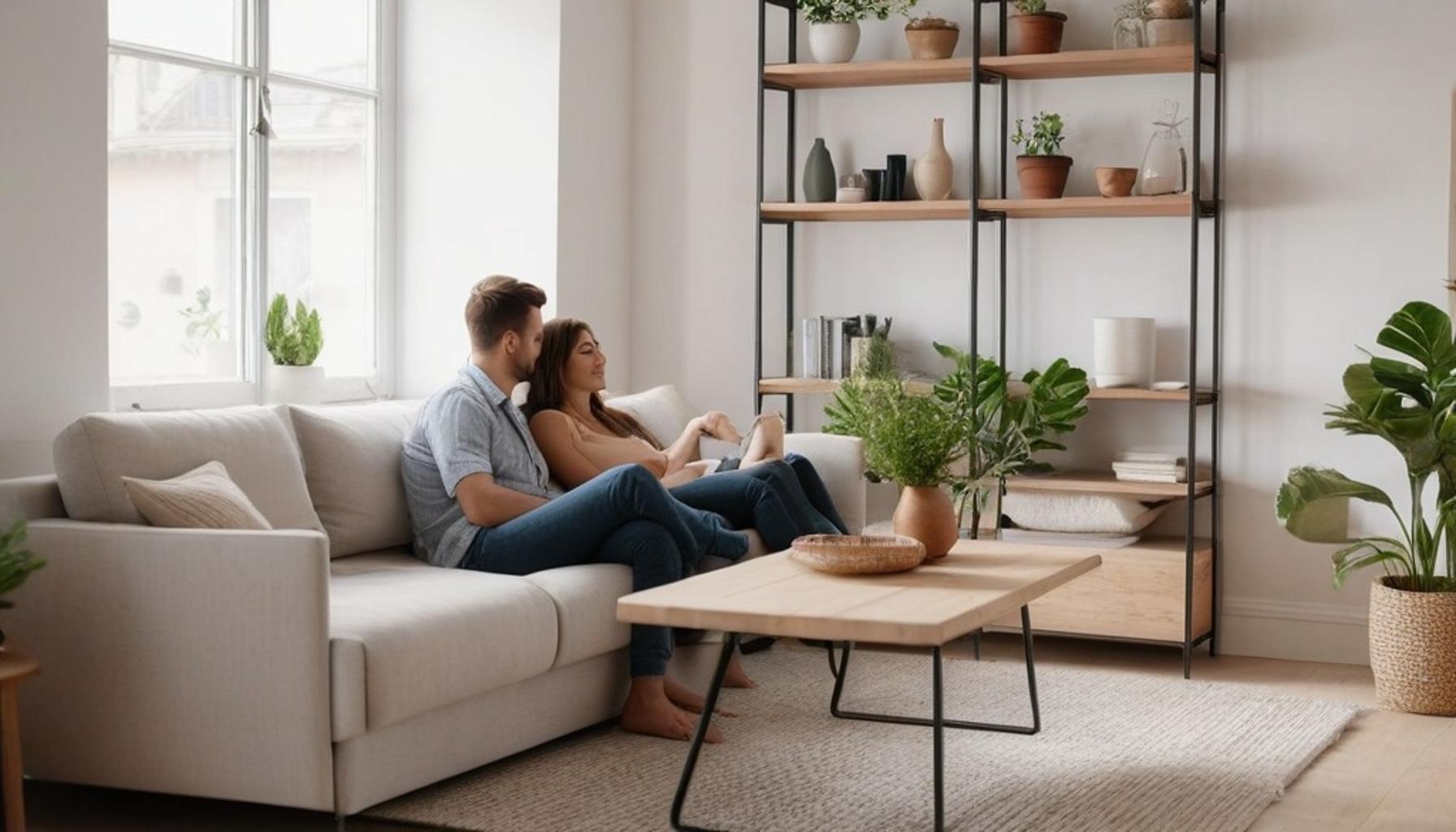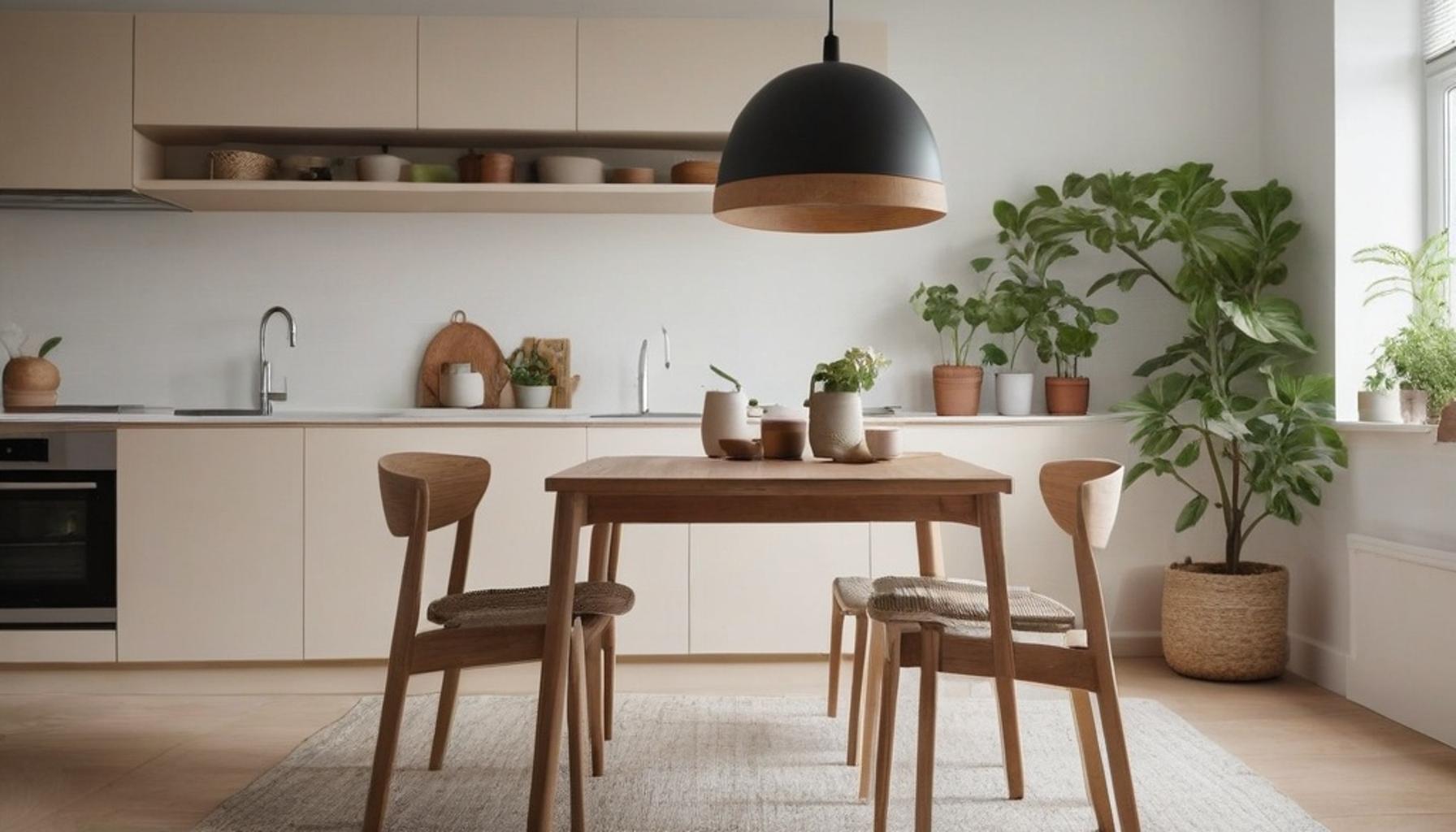
Maximizing Small Spaces: Minimalist Organization Strategies for Urban Apartments
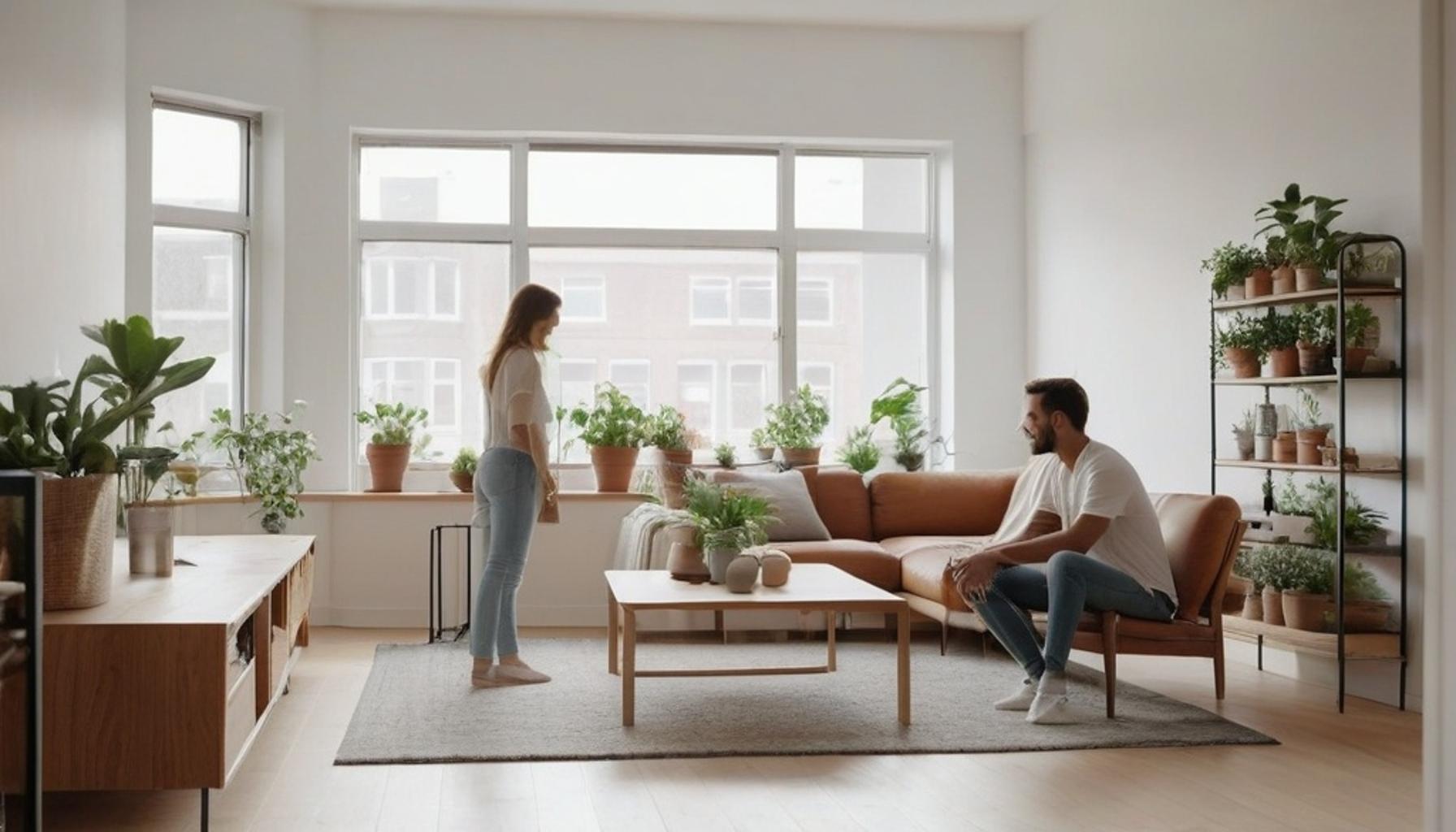
Small Footprint, Smart Living
The average American city apartment has shrunk to just average 750 square feet, yet residents’ need for functional, breathable space hasn’t gotten any smaller. From Brooklyn walk-ups to San Francisco studios, city dwellers are rethinking how they live within four walls. As urban populations grow and housing markets tighten, innovative solutions for maximizing space have become a necessity.
Enter minimalist organization strategies: a practical response to cramped closets, cluttered countertops, and the constant hunt for storage that doesn’t exist. In environments where every square inch counts, embracing a minimalist approach allows individuals to define their needs and streamline their belongings efficiently.
Why Urban Apartments Demand a Different Approach
Suburban storage solutions rarely translate effectively to city living. Urban apartments come with fixed constraints that require creative thinking, including:
- Limited square footage that leaves little room for bulky furniture. In a typical Manhattan studio, for example, a king-sized bed might dominate a space, leaving little else beyond a walk-in closet for necessary clothing storage.
- Few or no closets, especially in pre-war or converted buildings. For instance, older buildings in Chicago or New York often feature charming character but lack modern storage amenities.
- Multi-purpose rooms where a bedroom doubles as an office or gym. In these cases, incorporating foldable furniture or wall-mounted desks can help maintain functionality without sacrificing comfort.
- Vertical-only expansion since horizontal space is non-negotiable. Utilizing vertical storage solutions like shelving units or tall cabinets can help maximize the space available while keeping it organized.
These realities illustrate why generic small space organization tips can fall flat without a minimalist framework guiding the process—a systematic approach tailored specifically to the urban lifestyle.
What This Guide Covers
This article breaks down actionable urban apartment storage solutions that go beyond bins and labels. Readers will discover how to maximize apartment space using underutilized areas like door backs, wall corners, and under-bed zones. For example, investing in under-bed storage drawers can free up precious real estate in closets while keeping seasonal clothing handy.
We’ll also explore how minimalist living in urban areas isn’t just about owning less, but about intentional systems that make daily routines smoother. Expect effective storage ideas for small apartments backed by real design principles, not just Pinterest aesthetics. Organizing by category rather than in dedicated rooms can facilitate easier access and maintain a clutter-free environment.
Ultimately, navigating urban living challenges and transforming small spaces into functional homes requires a blend of creativity and strategic thinking. This guide aims to empower readers with innovative ideas that make their compact homes not only livable but enjoyable.
YOU MAY ALSO LIKE: Maximizing Small Spaces: Innovative Storage Solutions for Minimalist Living
# The Foundation: Assessing Before You OrganizeBefore purchasing a single storage bin or shelf, successful minimalist organization strategies begin with an honest audit of belongings. This step, often skipped in the rush to Pinterest-perfect solutions, determines whether long-term systems actually work.Professional organizers who specialize in urban apartment storage solutions consistently point to one truth: clutter isn’t a space problem, it’s a decision problem. Residents accumulate items faster than they discard them, and in a 750-square-foot apartment, that math catches up quickly.## The Three-Category MethodRather than tackling an entire apartment at once, effective small space organization tips suggest breaking belongings into three manageable categories:
- Daily essentials — items used every day, such as work materials, kitchen tools, or grooming products. These deserve prime, easily accessible real estate.
- Occasional items — seasonal clothing, holiday decorations, or specialty kitchen equipment used only a few times a year. These belong in harder-to-reach storage like under-bed drawers or high shelving.
- Sentimental or rarely used objects — items kept for emotional reasons rather than function. In cramped city apartments, these often require the toughest decisions.
Sorting belongings this way naturally supports efforts to maximize apartment space, since it reveals which items genuinely need a home within arm’s reach versus which can be stored elsewhere, donated, or discarded entirely.## Data Behind the Decluttering TrendAccording to a 2023 survey by the Self Storage Association, nearly 38% of urban renters cited lack of storage as their primary reason for renting off-site units, often paying upwards of $150 monthly for space equivalent to a small closet. This statistic underscores a critical point: many residents are solving space problems with their wallets instead of their systems.Minimalist living in urban areas offers an alternative path. Instead of paying to store excess, residents are learning to evaluate what truly earns a place in their homes. New Yorkers, Bostonians, and Angelenos alike are discovering that fewer, better-chosen possessions create more breathing room than any external storage unit ever could.## Setting Realistic ExpectationsMinimalism in a compact apartment doesn’t mean living with four plates and a yoga mat. It means creating effective storage ideas for small apartments that reflect actual lifestyle needs.A home cook in a Seattle studio will require different kitchen storage than a remote worker in a Denver one-bedroom. The goal isn’t uniformity, but intentionality, ensuring every item stored serves a clear purpose within the available square footage.
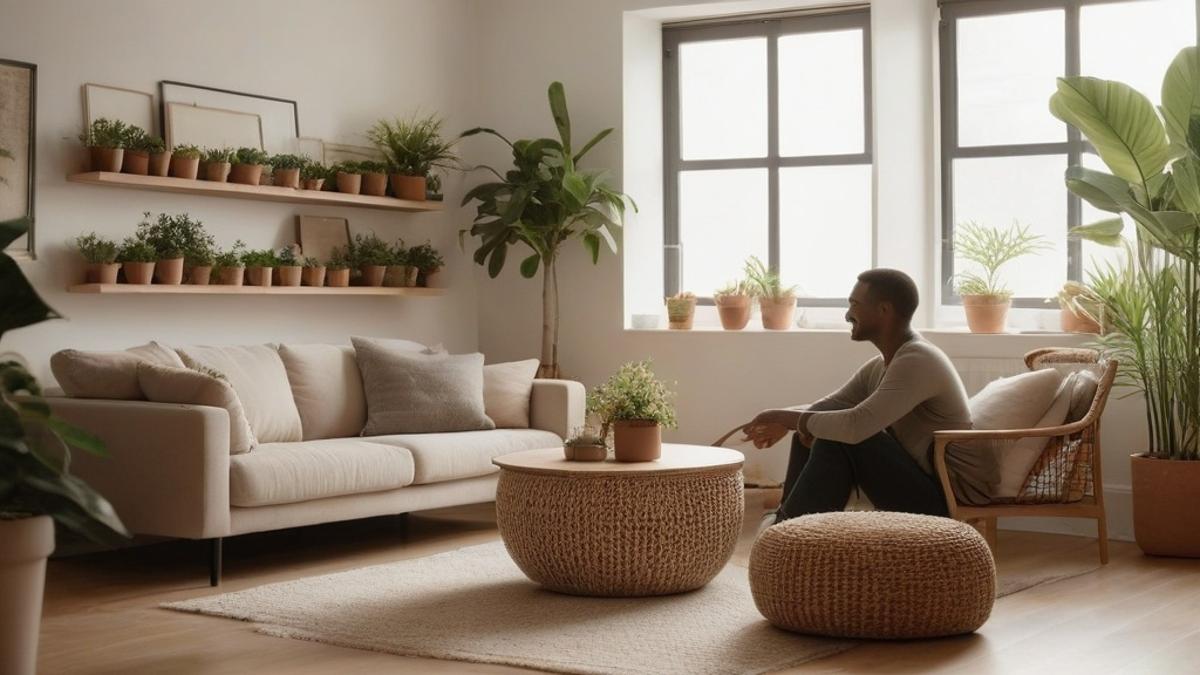
DISCOVER MORE: Click here for innovative storage ideas
# Vertical Thinking: Reclaiming Overlooked SpaceOnce the audit is complete, the next phase of minimalist organization strategies shifts attention upward. Most urban apartments waste significant square footage simply because residents think in terms of floor space rather than vertical space.Walls, doors, and even ceilings represent untapped territory. Professional organizers estimate that the average apartment dweller uses only about 60% of available storage potential, leaving wall space and vertical corners chronically underutilized.## Furniture That Works OvertimeSmart small space organization tips increasingly center on multi-functional furniture, pieces that do double or triple duty instead of serving a single purpose.Consider these examples gaining popularity in cities like Chicago and San Francisco:
- Storage ottomans that hide blankets or electronics while doubling as seating or a coffee table.
- Murphy beds with built-in shelving, freeing up an entire room for daytime use in studio apartments.
- Bed frames with drawers, transforming wasted under-mattress space into a dedicated spot for off-season clothing.
- Nesting tables that collapse down to a fraction of their footprint when not in use.
These aren’t just aesthetic choices. They represent practical urban apartment storage solutions that reduce the need for separate storage furniture altogether.## The Wall Is Your AllyInstalling floating shelves, pegboards, or wall-mounted organizers can dramatically maximize apartment space without requiring a single extra square foot of floor area.Kitchens benefit enormously from this approach. A magnetic knife strip, hanging pot rack, or wall-mounted spice rack can clear out drawer after drawer, giving renters in tight galley kitchens room to breathe.Bathrooms, often the smallest room in any apartment, respond well to over-the-toilet shelving units or tension-rod shower caddies, both of which use vertical air space that would otherwise sit empty.## Renting Doesn’t Mean Limited OptionsA common misconception among city dwellers is that renters can’t make structural changes. In reality, tension rods, adhesive hooks, and removable shelving brackets allow for minimalist living in urban areas without violating lease agreements or damaging walls.Companies like Command and Elfa have built entire product lines around this need, offering damage-free mounting systems specifically designed for renters. According to industry estimates, the damage-free hanging hardware market has grown by double digits annually since 2020, a clear signal that renters are actively seeking these workarounds.For anyone hunting for effective storage ideas for small apartments, the message is consistent: look up, look sideways, and treat every wall as prime real estate waiting to be claimed.
Small Footprint, Smart Living
Living in a compact city apartment doesn’t have to mean living surrounded by clutter or compromise. As this guide has shown, minimalist organization strategies offer a practical roadmap for transforming even the tightest studio into a functional, breathable home.
The journey starts with an honest audit of belongings, but the real transformation happens when residents start thinking three-dimensionally. Walls, doors, and ceilings hold untapped potential that most renters never consider.
Bringing It All Together
Multi-functional furniture, from storage ottomans to Murphy beds, proves that square footage isn’t the only measure of a home’s capacity. Combined with wall-mounted solutions and damage-free hardware, these urban apartment storage solutions allow renters to customize their space without fear of losing a security deposit.
The numbers tell a compelling story. With the average city dweller using only 60% of available storage potential, there’s enormous room for improvement in how Americans approach small-space living. The booming market for renter-friendly organization products, growing at double-digit rates annually, confirms this isn’t a passing trend.
Ultimately, minimalist living in urban areas isn’t about deprivation. It’s about intention. Every item kept should earn its place, and every square foot, including vertical space, should be pulling double duty.
For renters ready to reclaim their space, the path forward is clear: audit ruthlessly, build vertically, and invest in furniture that multitasks. These effective storage ideas for small apartments aren’t just quick fixes; they’re sustainable habits that make city living feel spacious, no matter the square footage on the lease.
Frequently Asked Questions
What are some effective minimalist organization strategies for small urban apartments?
Effective minimalist organization strategies for small urban apartments include using multifunctional furniture, such as a bed with built-in storage, and implementing vertical storage solutions like wall-mounted shelves. Additionally, decluttering regularly and adopting a ‘one in, one out’ policy for new items can help maintain an organized space.
How can I maximize storage in my tiny kitchen using minimalist organization?
To maximize storage in a tiny kitchen, utilize vertical space by installing shelves or hooks for pots and pans. Consider using clear storage containers for pantry items to maintain visibility and avoid clutter, and downsize your kitchen gadgets to only those you use frequently.
What are some minimalist organization tips for decluttering a small living room?
For a small living room, start by assessing your furniture and removing any that don’t serve a purpose. Opt for built-in storage solutions like benches with storage inside and use stylish baskets to hide away items. Keep surfaces clear and only display a few beloved decorative pieces to create a more spacious feel.
How can I create a minimalist bedroom design in my small apartment?
To create a minimalist bedroom in a small apartment, focus on a neutral color palette to make the space feel larger. Use functional furniture like a bed with drawers underneath, and keep decorations to a minimum. Consider wall-mounted lighting to free up nightstand space and maintain a serene environment.
What minimalist organization strategies can help with a cluttered bathroom in an urban apartment?
In a cluttered bathroom, use clear bins to categorize and store toiletries, making it easy to find what you need without cluttering surfaces. Install shelves or over-the-toilet storage to make use of vertical space, and regularly reevaluate your products to get rid of items that are expired or no longer used.

Linda Carter
Linda Carter is a writer specializing in minimalism and personal organization. With extensive experience helping readers create more functional and balanced routines, she shares practical advice on decluttering, organizing spaces, simplifying daily tasks, and making more intentional choices. Her goal is to offer clear guidance and accessible strategies that help people reduce excess, improve their surroundings, and enjoy a calmer, more organized lifestyle.