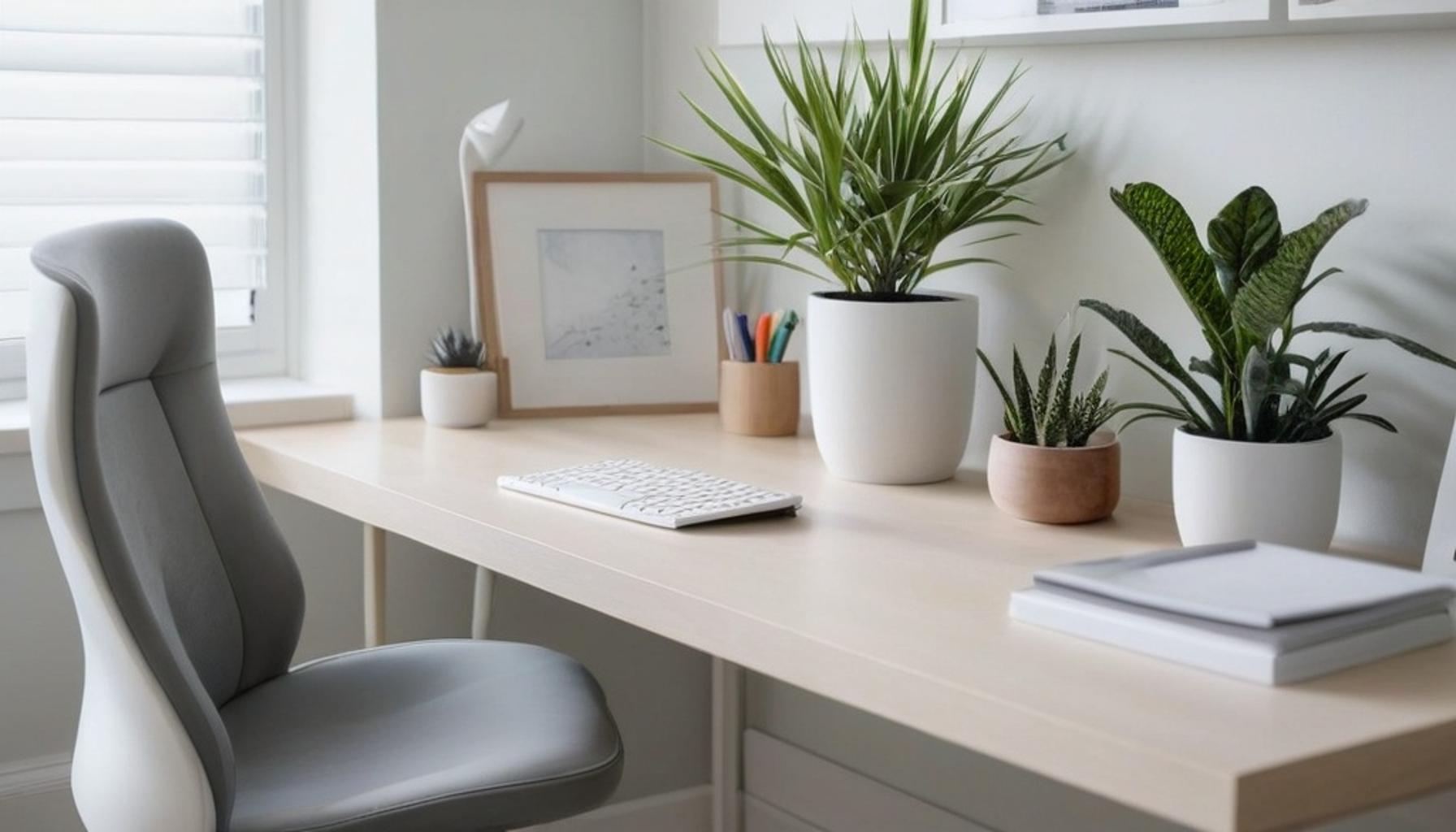
Simplifying the Excessive: How Minimalism Can Help Optimize Workspaces
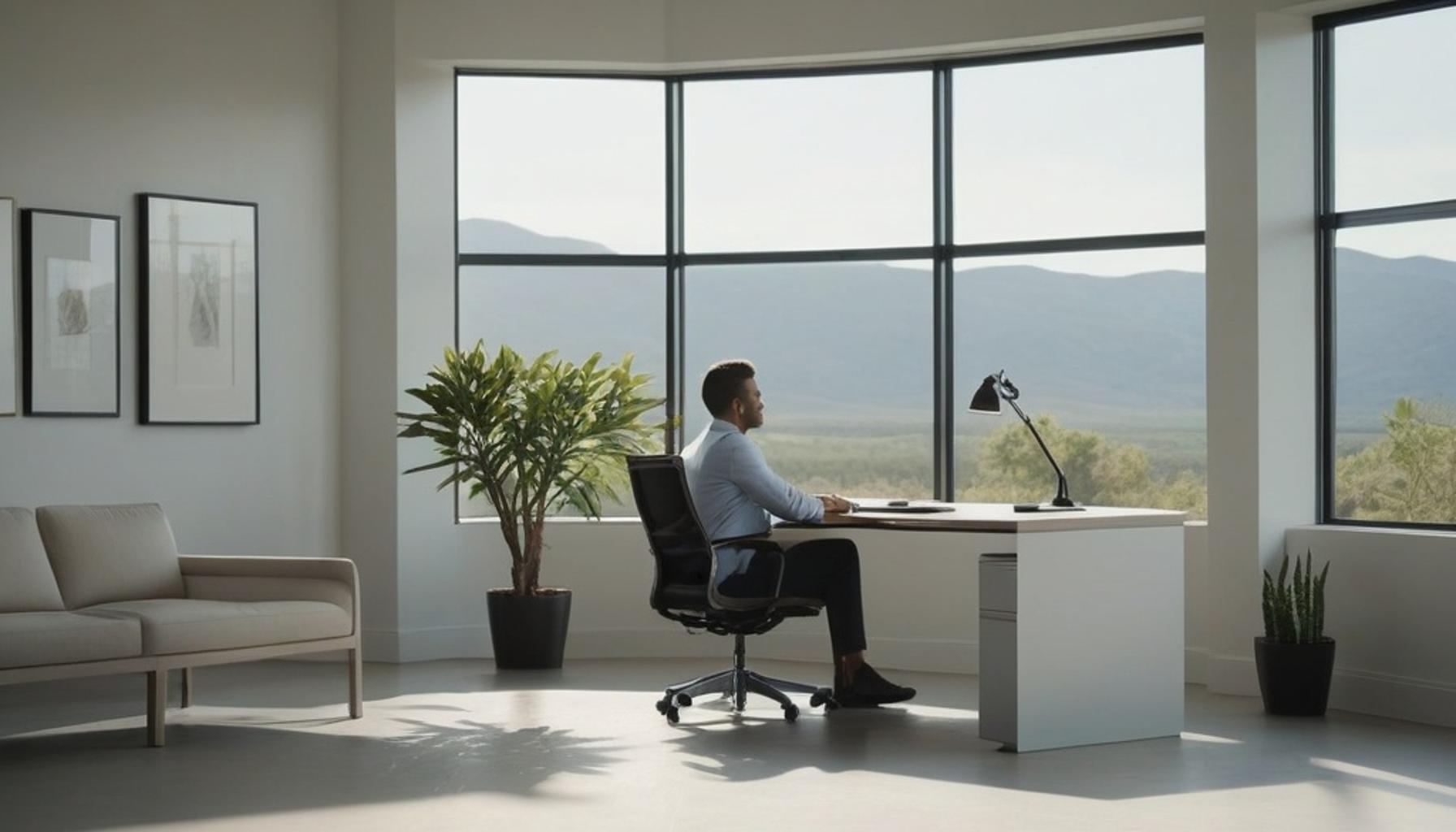
Why Cluttered Desks Are Costing You More Than You Think
The average American office worker spends 4.3 hours per week searching for misplaced items or documents, according to workplace productivity studies. That’s more than 200 hours annually lost to clutter alone.
Across the country, from Silicon Valley startups to Manhattan corporate offices, a quiet shift is taking place. Companies and remote workers alike are discovering that minimalism optimize workspaces strategies do more than just look good on Instagram.
The Real Cost of Excess
Piles of paperwork, tangled cables, and unnecessary furniture aren’t just eyesores. They actively drain mental energy and slow down daily workflows.
Consider what a typical overloaded workspace includes:
- Stacks of outdated documents rarely referenced
- Duplicate office supplies scattered across drawers
- Decorative items that serve no functional purpose
- Multiple half-finished projects competing for visual space
Each of these elements adds subtle friction, making it harder to focus on what truly matters.
A Growing Movement Toward Simplicity
This is where the benefits of minimalism at work come into play. Businesses like Google and IDEO have long championed minimalist office design ideas to boost creativity and reduce decision fatigue among employees.
The concept isn’t about stripping offices bare or eliminating personality. Instead, it’s about intentional workspace organization tips that prioritize function, clarity, and purpose.
Ready to declutter your office space and discover how enhancing productivity with minimalism actually works in practice? The strategies ahead reveal exactly where to start.
SEE ALSO: Creating Functional Environments: The Importance of Minimalist Organization in Shared Spaces
The Science Behind a Cleaner Desk
Neuroscientists at Princeton University found something striking: visual clutter directly competes for your brain’s attention, reducing the ability to process information and complete tasks efficiently. The study revealed that when researchers removed excess stimuli from a person’s environment, task performance improved almost immediately.
This isn’t just academic theory. It’s playing out in real offices across the United States right now.
What Happens When You Remove the Noise
Companies that have adopted minimalist office design ideas report measurable changes in how employees function day to day. It’s not magic—it’s cognitive load reduction.
When a workspace is stripped down to essentials, the brain no longer has to filter through unnecessary visual information. That mental bandwidth gets redirected toward actual work.
Here’s what typically improves when businesses commit to minimalism optimize workspaces strategies:
- Faster task-switching between projects
- Reduced anxiety linked to visual overload
- Improved ability to locate tools and documents instantly
- Fewer distractions during deep-focus work sessions
- A cleaner mental “reset” at the start of each workday
Steve Jobs famously kept his workspace nearly empty, arguing that simplicity forces clarity of thought. That philosophy has since trickled into corporate culture nationwide, from tech hubs in Austin to financial firms in Chicago.
Beyond Aesthetics: A Measurable Business Advantage
The benefits of minimalism at work extend well past personal comfort. Human resources departments have started tracking how workspace design correlates with employee retention and satisfaction scores.
A 2022 workplace design report found that employees in simplified, organized environments reported 32% higher satisfaction levels compared to those in cluttered, traditional office layouts. Productivity metrics followed a similar pattern, with teams completing projects an average of 18% faster.
These aren’t small numbers. For a mid-sized company, that kind of efficiency gain can translate into thousands of dollars saved annually, simply by rethinking how physical space is used.
So what does this mean for someone staring at a desk buried under three years of paperwork? It means the first step toward enhancing productivity with minimalism isn’t complicated. It starts with a decision to stop treating clutter as background noise and start treating it as a measurable obstacle.
The next question becomes practical: how exactly do you begin to declutter your office space without disrupting your workflow in the process?

CHECK OUT: Maximizing Small Spaces: Minimalist Organization Strategies for Urban Apartments
Practical Steps to Declutter Your Office Space
Knowing the science is one thing. Actually clearing off a desk that’s collected mail, cables, and coffee cups since last spring is another challenge entirely.
The good news? You don’t need a weekend-long overhaul to see results. Workspace organization tips that actually work tend to follow a simple rule: start small, but start immediately.
The Three-Box Method
Organizational consultants across the country, from Seattle startups to Manhattan law firms, often recommend a straightforward triage system. Grab three boxes labeled Keep, Donate, and Trash.
Everything on your desk gets sorted within 20 minutes. No exceptions, no “I’ll decide later” pile. That time constraint forces decisive action instead of nostalgic hesitation over a stapler you haven’t touched in two years.
This method works because it mirrors how professional organizers approach minimalist office design ideas at scale—removing ambiguity from the decision-making process.
Digital Clutter Counts Too
Physical mess isn’t the only culprit. A 2021 survey by Adobe found that the average American office worker has over 200 unread emails sitting in their inbox at any given time, alongside dozens of unused desktop icons and browser tabs.
Digital clutter creates the same cognitive drag as a messy desk. Consider these fixes:
- Archive or delete emails older than 30 days that require no action
- Limit desktop icons to five or fewer active project files
- Close browser tabs not actively in use during a task
- Use folder systems with clear, consistent naming conventions
Furniture and Layout Matter More Than People Realize
Companies like Basecamp and Buffer, both known for remote-friendly cultures, have publicly shared how minimal furniture setups improve focus among distributed teams. Fewer items in a room means fewer visual anchors pulling attention away from the task at hand.
Consider a standing desk with only a monitor, keyboard, and a single notebook. Compare that to a workstation crowded with framed photos, stacked binders, and miscellaneous knickknacks. The difference in perceived mental clarity, according to workplace psychologists, is not subtle.
Enhancing productivity with minimalism also means rethinking storage. Vertical shelving, cable organizers, and drawer dividers keep necessary items accessible but out of sight, preserving that clean visual field the brain craves.
The benefits of minimalism at work aren’t reserved for tech executives with empty white rooms. They’re available to anyone willing to spend twenty minutes with three cardboard boxes and a little discipline.
LEARN MORE: Maximizing Small Spaces: Innovative Storage Solutions for Minimalist Living
The Bigger Picture: Why Less Continues to Win
Minimalism to optimize workspaces isn’t a passing design trend borrowed from Scandinavian furniture catalogs. It’s a measurable shift in how the brain processes information, makes decisions, and sustains focus throughout an eight-hour workday.
Every point covered here connects to one central idea: excess competes for attention that productivity requires. Whether it’s a cluttered inbox, a desk buried under old files, or a room crowded with unnecessary furniture, each distraction chips away at cognitive bandwidth.
The data backs this up consistently. From the Adobe email statistics to workplace psychology research on visual clarity, the evidence points in one direction. Companies like Basecamp didn’t adopt minimal setups by accident; they did it because distributed teams needed fewer barriers to deep work.
What makes this approach accessible is its scalability. A freelancer working from a kitchen table in Austin can apply the same three-box method as a corporate office in Chicago restructuring an entire floor plan.
Moving Forward with Intention
Real change rarely happens overnight. Consider these starting points:
- Pick one drawer or digital folder to declutter this week
- Track focus levels before and after simplifying a single workspace element
- Reassess furniture choices with functionality, not aesthetics, as the priority
Enhancing productivity with minimalism doesn’t demand a complete lifestyle overhaul. It asks for smaller, consistent choices that compound over time.
The question worth sitting with isn’t whether minimalist office design ideas work. The research already answers that. The real question is how much unnecessary clutter—physical or digital—is still standing between current habits and better focus.
Frequently Asked Questions
How does minimalism directly contribute to optimizing workspaces?
Minimalism contributes to optimizing workspaces by reducing clutter and distractions, which can enhance focus and productivity. By keeping only essential items, employees can create a cleaner and more organized environment, leading to improved efficiency and creativity.
What are some practical steps to implement minimalism in a small office?
To implement minimalism in a small office, start by decluttering and removing unnecessary items from desks and common areas. Use storage solutions that maintain a clean aesthetic, and only keep items that serve a purpose or inspire creativity. Regularly reassess what is needed to maintain an organized workspace.
Can minimalism improve employee morale and well-being in the workplace?
Yes, minimalism can significantly improve employee morale and well-being by creating a more serene and less stressful work environment. A tidy workspace can lead to higher satisfaction levels, greater mental clarity, and a stronger sense of control over one’s tasks and responsibilities.
What role does color play in a minimalist workspace?
Color plays a crucial role in a minimalist workspace as it can impact mood, focus, and overall aesthetics. Opting for a neutral color palette with occasional pops of color can create a calming environment while also allowing for personalization without overwhelming the space.
How can technology be used to support a minimalist workspace?
Technology can support a minimalist workspace by providing digital solutions that reduce physical clutter. Using cloud storage for documents, digital calendars for scheduling, and collaboration tools can minimize the need for paper and office supplies, allowing for a more streamlined and efficient workspace.

Linda Carter
Linda Carter is a writer specializing in minimalism and personal organization. With extensive experience helping readers create more functional and balanced routines, she shares practical advice on decluttering, organizing spaces, simplifying daily tasks, and making more intentional choices. Her goal is to offer clear guidance and accessible strategies that help people reduce excess, improve their surroundings, and enjoy a calmer, more organized lifestyle.