Maximizing Small Living Spaces: Innovative Space Optimization Techniques for Minimalists
Small Spaces, Smart Solutions
The average American apartment has shrunk to just 882 square feet, based on data from RentCafe. As urban living becomes more prevalent and desirable, the demand for functional and stylish accommodations continues to grow. City inhabitants, from the bustling streets of New York to the sun-soaked corners of Los Angeles, are discovering that limited square footage does not have to dictate comfort or aesthetic appeal.
Maximizing small living spaces is increasingly being viewed as a creative endeavor rather than a mere necessity. With thoughtful planning and innovative design, even a modest 400-square-foot studio can exude a sense of spaciousness and order. This transformation can be achieved through various techniques, including the integration of multifunctional furniture, strategic layouts, and the clever use of color and light.
What You’ll Discover
This guide delves into effective space optimization techniques that can change how you perceive and enjoy your home. With actionable insights rather than vague recommendations, expect to uncover practical solutions that cater to today’s living conditions.
- Clever small apartment storage ideas that utilize nooks and crannies for hidden storage. Think vertical shelving units or under-bed drawers, where items can be stored out of sight yet remain easily accessible.
- Furniture arrangements that create efficient room layouts. For example, floating furniture away from walls can enhance flow and make a space feel larger, while area rugs can define separate spaces in open-concept living areas.
- Proven decluttering tips for small spaces. Regularly reassessing belongings to distinguish between essentials and non-essentials can simplify life. The “one in, one out” rule – where for every new item brought in, an old item is removed – can help maintain order in your compact living space.
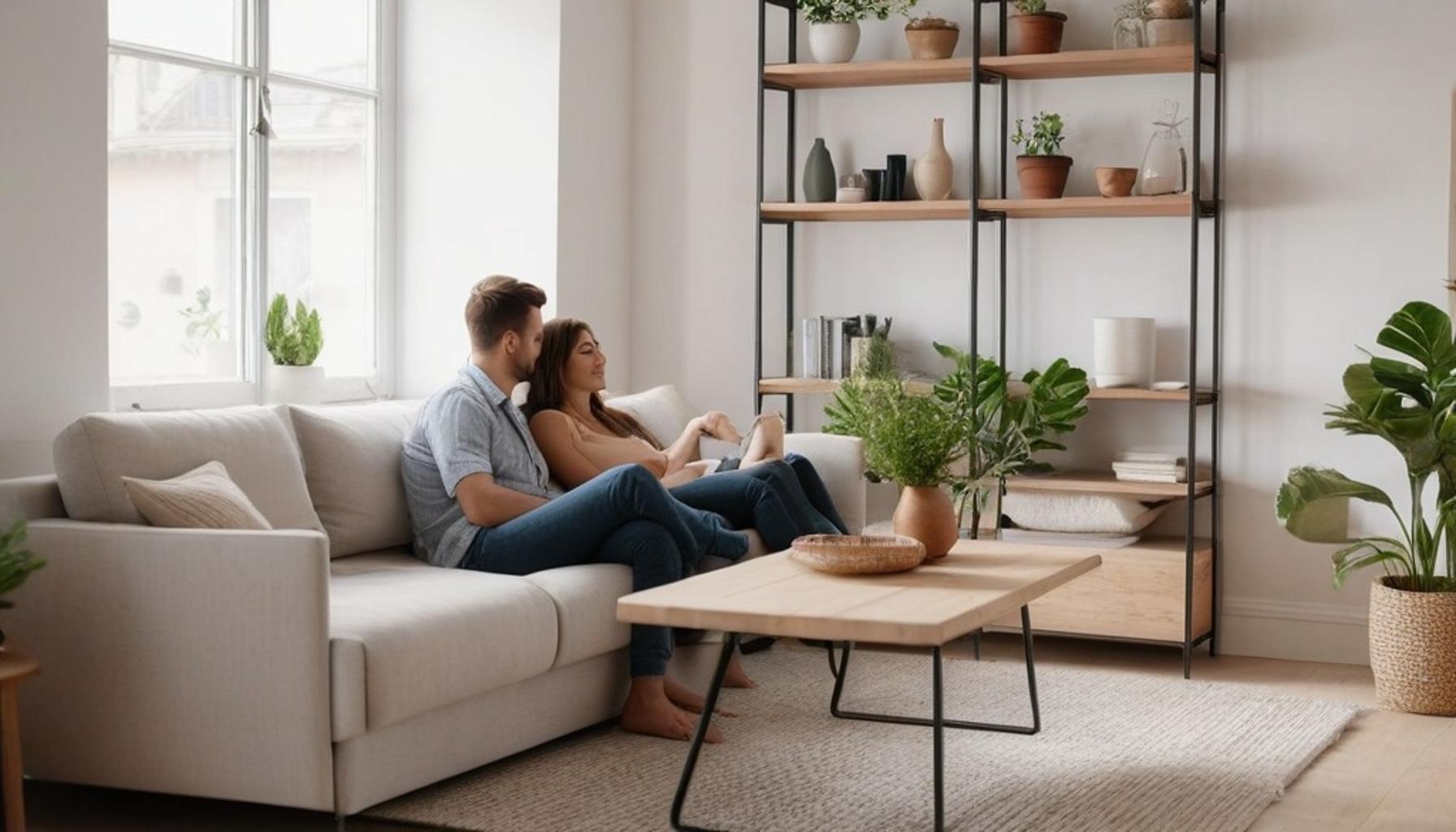
- Multi-functional design hacks, such as sofa beds or foldable tables, favored by professional organizers. These versatile pieces can adapt to various needs, facilitating a dynamic living environment.
Minimalism should not be mistaken for a lack of style or comfort; rather, it promotes intention in design. Through thoughtful choices, these minimalist living solutions demonstrate that, regardless of size, any space can feel curated and welcoming.
Are you prepared to optimize your living area and redefine your perceptions of “small”? Together, let us explore how strategic decisions can significantly alter what you consider to be minimal space.
LEARN MORE: Maximizing Small Spaces: Innovative Storage Solutions for Minimalist Living
Vertical Thinking: The Foundation of Space Optimization Techniques
When square footage is limited, the solution often lies overhead. Maximizing small living spaces starts with a mental shift: stop thinking about floor space and start thinking about the walls, ceilings, and every vertical inch in between. Interior designers in cities like Chicago and San Francisco, where studio apartments regularly clock in under 500 square feet, have long championed vertical storage as the single most transformative strategy for compact homes.
Floor-to-ceiling shelving units, for instance, can hold significantly more than a standard bookcase while occupying the same footprint. A single wall fitted with modular shelves can replace an entire closet’s worth of storage, freeing up valuable floor space for movement and furniture.
Small Apartment Storage Ideas That Actually Work
Not all storage solutions are created equal. Some merely shuffle clutter from one visible spot to another, while others genuinely reclaim usable space. The most effective small apartment storage ideas tend to share a common trait: they use space that would otherwise sit empty.
- Over-the-door organizers in closets, bathrooms, and pantries add storage without consuming any additional square footage.
- Under-bed storage bins can hold seasonal clothing, extra linens, or rarely used items, turning wasted space beneath furniture into functional square footage.
- Wall-mounted pegboards in kitchens keep utensils, pots, and pans accessible while clearing counter and drawer space.
- Tension rods installed inside cabinets create instant extra shelving for cutting boards, trays, or cleaning supplies.
- Ottpackage storage benches double as seating and hidden compartments for blankets or shoes near entryways.
According to a 2023 survey by the National Association of Home Builders, nearly 68% of renters in units under 900 square feet cited storage as their top frustration. This statistic underscores why creative, non-traditional storage solutions have become essential rather than optional for many urban dwellers.
Rethinking Room Function for Efficient Room Layouts
Traditional layouts assume that every room serves one purpose. In small spaces, that assumption breaks down quickly. Efficient room layouts often require rooms to serve double or even triple duty, particularly in studio apartments common in cities like Boston and Seattle.
A dining table, for example, can double as a home office during the day and a workspace for crafts or hobbies in the evening. Similarly, a living room can incorporate a fold-down desk that disappears into the wall when not in use, eliminating the need for a dedicated office nook altogether.
This layered approach to design does more than save space; it encourages residents to be more intentional about what they bring into their homes, setting the stage for the broader decluttering strategies that follow.
LEARN MORE: Maximizing Small Spaces: Minimalist Organization Strategies for Compact Apartments
Multifunctional Furniture: The Minimalist’s Best Ally
As urban living spaces become increasingly compact, the demand for innovative, multifunctional furniture has risen sharply. Once vertical space and storage systems are in place, the next frontier in maximizing small living spaces is furniture that refuses to sit idle. Minimalist living solutions increasingly hinge on pieces that transform, expand, or hide, eliminating the need for static furniture that occupies a single role indefinitely. This evolution in design is a response to both necessity and a growing appreciation for sleek, practical home solutions that reflect modern lifestyles.
Gone are the days when Murphy beds were merely a symbol of tight living quarters in crowded cities like New York. Today, these beds have made a stylish resurgence across urban landscapes from Austin to Denver. The contemporary Murphy bed has been revamped with an eye for aesthetics; modern versions fold seamlessly into cabinetry and are frequently paired with built-in shelving or a fold-out desk on their reverse side. This single piece can effectively replace what would otherwise demand a bedroom, an office, and a dedicated storage unit all combined, illustrating how multifunctional furniture can simplify life in small spaces.
Furniture That Works Overtime
Retailers have taken notice of this shift in consumer demand and are adapting their offerings accordingly. Companies specializing in compact living, such as Resource Furniture and IKEA’s smaller-format lines, report growing sales of convertible sofas, nesting tables, and extendable dining sets specifically tailored to studio and micro-apartment dwellers. This growing market reflects a fundamental change in how we perceive and utilize space in urban environments.
- Sofa beds with built-in storage eliminate the need for a separate guest room while providing convenient storage for linens and blankets underneath, making them an ideal solution for hosting friends without compromising on space.
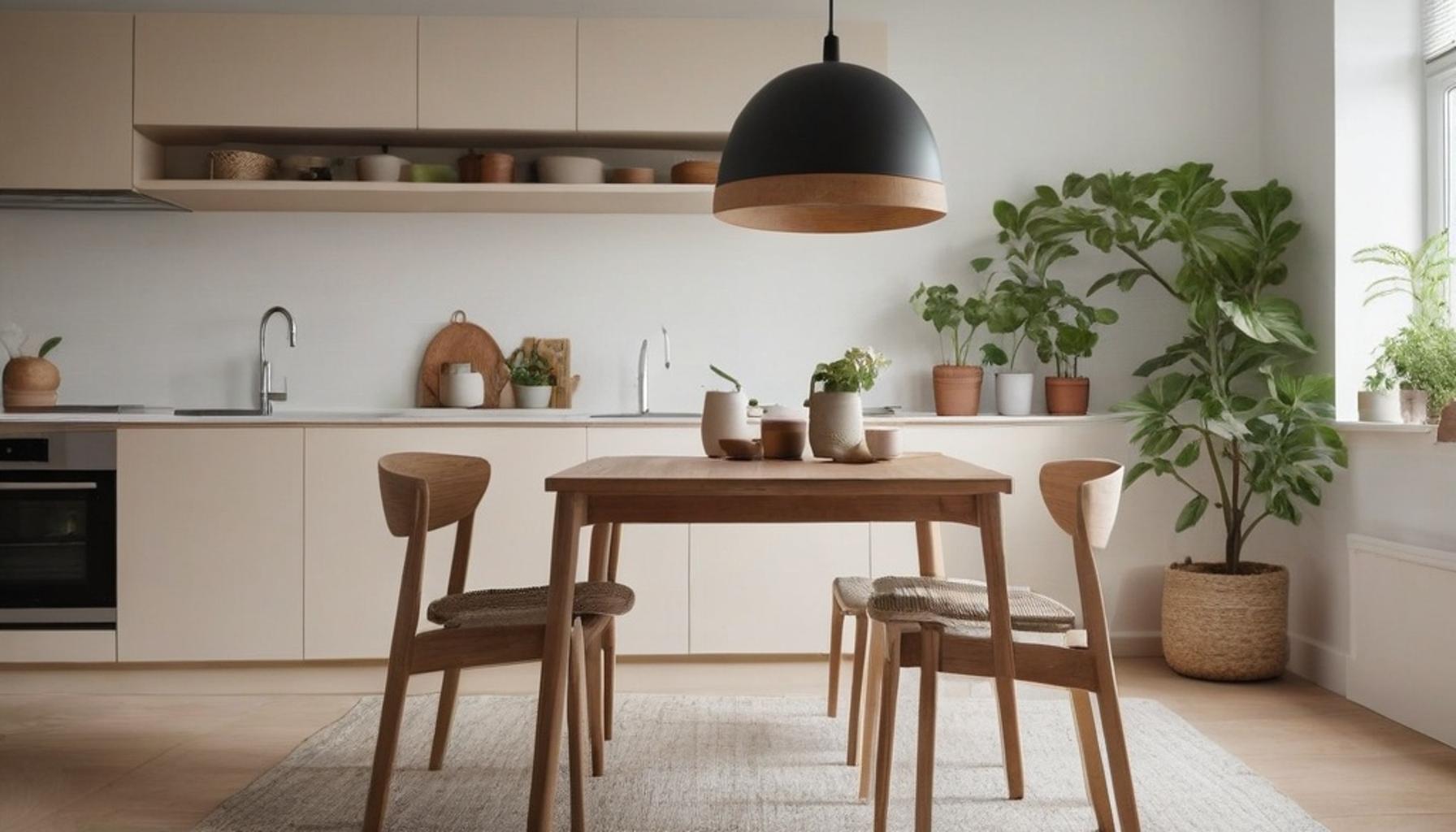
- Extendable dining tables remain compact for everyday use but expand easily for gatherings, thus avoiding the need for a permanently oversized table. This flexibility allows for a dining area that morphs according to one’s needs without cluttering space.
- Nesting coffee tables are another excellent investment; they can be separated to provide extra surface area during parties and then neatly tucked back together for an uncluttered look when not in use.
- Wall-mounted drop-leaf tables are a brilliant space-saving solution, as they can be folded flat against the wall, freeing up valuable floor space when not in use, ideal for narrow apartments.
A 2022 report from the Furniture Today trade publication noted that convertible and space-saving furniture sales grew by 22% year-over-year. This trend is directly linked to rising urban rents and shrinking average apartment sizes across major metropolitan areas, illustrating that as living space decreases, the need for efficient and multifunctional solutions increases.
Decluttering Tips for Small Spaces That Support the System
However, furniture and storage solutions can only be effective when paired with disciplined habits. Effective decluttering tips for small spaces focus less on simply organizing possessions and more on questioning why you own them in the first place. A mindful approach to ownership can significantly enhance the benefits of multifunctional furniture.
The “one in, one out” rule, favored by many minimalist bloggers, is particularly effective at curbing unwanted accumulation. This principle states that every new item entering the home should prompt the departure of an old one, whether it be donated, sold, or discarded. By consistently applying this rule, individuals can maintain a more manageable and purposeful collection of belongings.
Seasonal audits also serve as a proactive strategy to combat clutter. By dedicating time every three months to reassess closets, kitchen drawers, and storage bins, one can prevent the gradual build-up of unnecessary items that often undermine even the most well-conceived space optimization techniques. Residents who commit to this cyclical process frequently find that their compact homes feel noticeably larger, not because of any physical expansion, but because the contents within serve clear, functional purposes.
Ultimately, the combination of multifunctional furniture and a committed decluttering strategy creates an environment where small living spaces can flourish, fostering both aesthetics and practicality in modern urban life.
YOU MAY ALSO LIKE: Creating Functional Environments: The Importance of Minimalist Organization in Shared Spaces
Small Footprint, Big Possibilities
From vertical shelving to fold-away Murphy beds, the strategies explored throughout this piece reveal a single truth: maximizing small living spaces is less about square footage and more about intention. Every technique, whether it’s a nesting coffee table or a seasonal decluttering ritual, points to the same underlying philosophy. Space is not something you find; it’s something you create through deliberate choices.
The numbers back this up. With convertible furniture sales climbing 22% year-over-year and average American apartment sizes shrinking steadily since 2015, according to RENTCafe data, it’s clear that space optimization techniques are no longer a niche interest. They’ve become a mainstream necessity for renters in cities like San Francisco, Chicago, and Boston, where every square foot carries a premium price tag.
What sets successful minimalist households apart isn’t a single hack or purchase. It’s the layering of systems: small apartment storage ideas that exploit vertical space, furniture that adapts to multiple roles, and consistent habits that prevent clutter from creeping back in. None of these elements work in isolation.
Looking Ahead
As remote work keeps more people at home and urban rents show little sign of retreating, the appetite for minimalist living solutions and efficient room layouts will likely keep growing. Designers and retailers are already responding, and homeowners willing to experiment stand to gain the most.
Consider starting small. Pick one room, apply a single principle, whether it’s a wall-mounted desk or a quarterly closet audit, and observe the shift. Often, the psychological sense of spaciousness matters just as much as the physical gain.
Ultimately, thoughtful decluttering tips for small spaces and smart furniture choices don’t just save room. They reshape how people live, work, and relax within the walls they call home.
Frequently Asked Questions
What are some effective furniture choices for maximizing small living spaces?
When maximizing small living spaces, choose multifunctional furniture like a sofa bed or an ottoman with storage. Foldable or extendable tables can save space when not in use. Additionally, consider vertical space by using tall bookshelves or wall-mounted shelves to keep the floor area clear.
How can I create the illusion of more space in a small apartment?
To create the illusion of more space, use light colors on walls and furniture, as they reflect light and make areas feel larger. Mirrors are also effective; placing them strategically can enhance brightness and depth. Keep the layout open and avoid excessive decoration to maintain a minimalist aesthetic.
What storage solutions work best for maximizing small living spaces?
Utilize vertical space with shelving units that go up to the ceiling and use clear bins for under-bed storage to keep items organized. Built-in furniture, like a daybed with drawers or a coffee table with hidden compartments, can also optimize functionality without taking up extra room. Rotating seasonal items in and out of storage can keep your space uncluttered.
Can plants be used in small living spaces without overcrowding them?
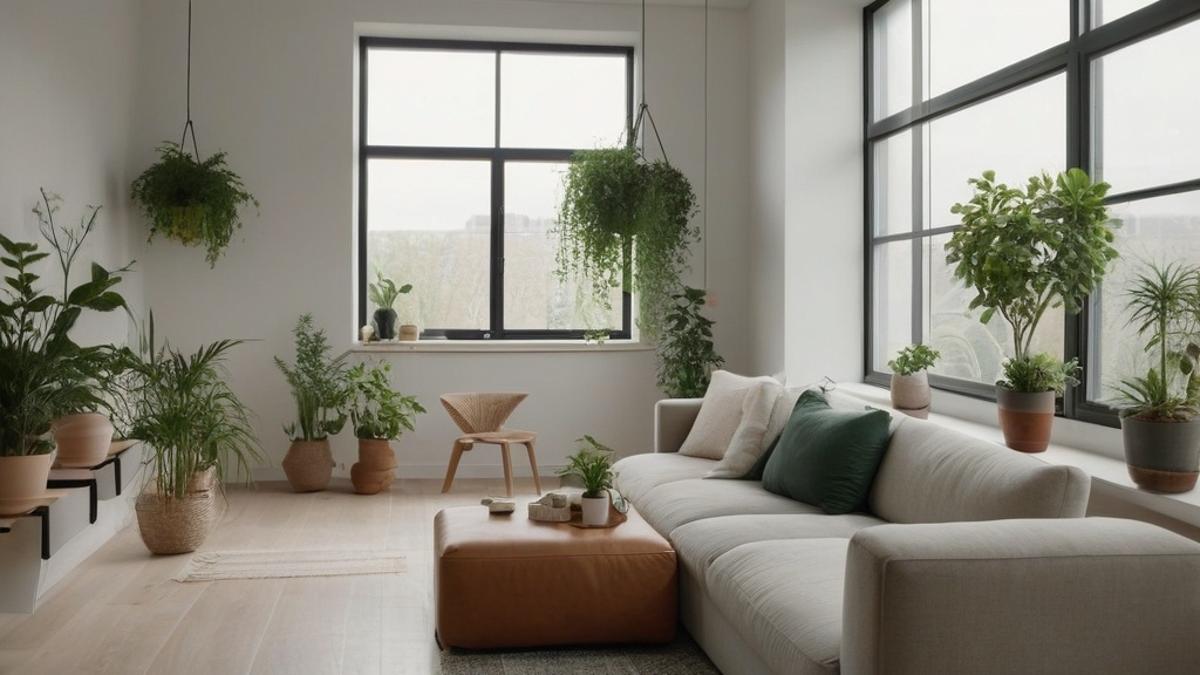
Yes, incorporating plants into small living spaces can enhance the atmosphere without overcrowding. Opt for wall-mounted planters or hanging pots to keep floor space clear. Choosing smaller plants or creating a vertical garden can add greenery while maintaining the minimalist aesthetic.

Linda Carter
Linda Carter is a writer specializing in minimalism and personal organization. With extensive experience helping readers create more functional and balanced routines, she shares practical advice on decluttering, organizing spaces, simplifying daily tasks, and making more intentional choices. Her goal is to offer clear guidance and accessible strategies that help people reduce excess, improve their surroundings, and enjoy a calmer, more organized lifestyle.