The Psychology of Space: How Optimized Environments Foster Minimalist Living and Mental Clarity
Understanding How Environments Influence Our Mental State
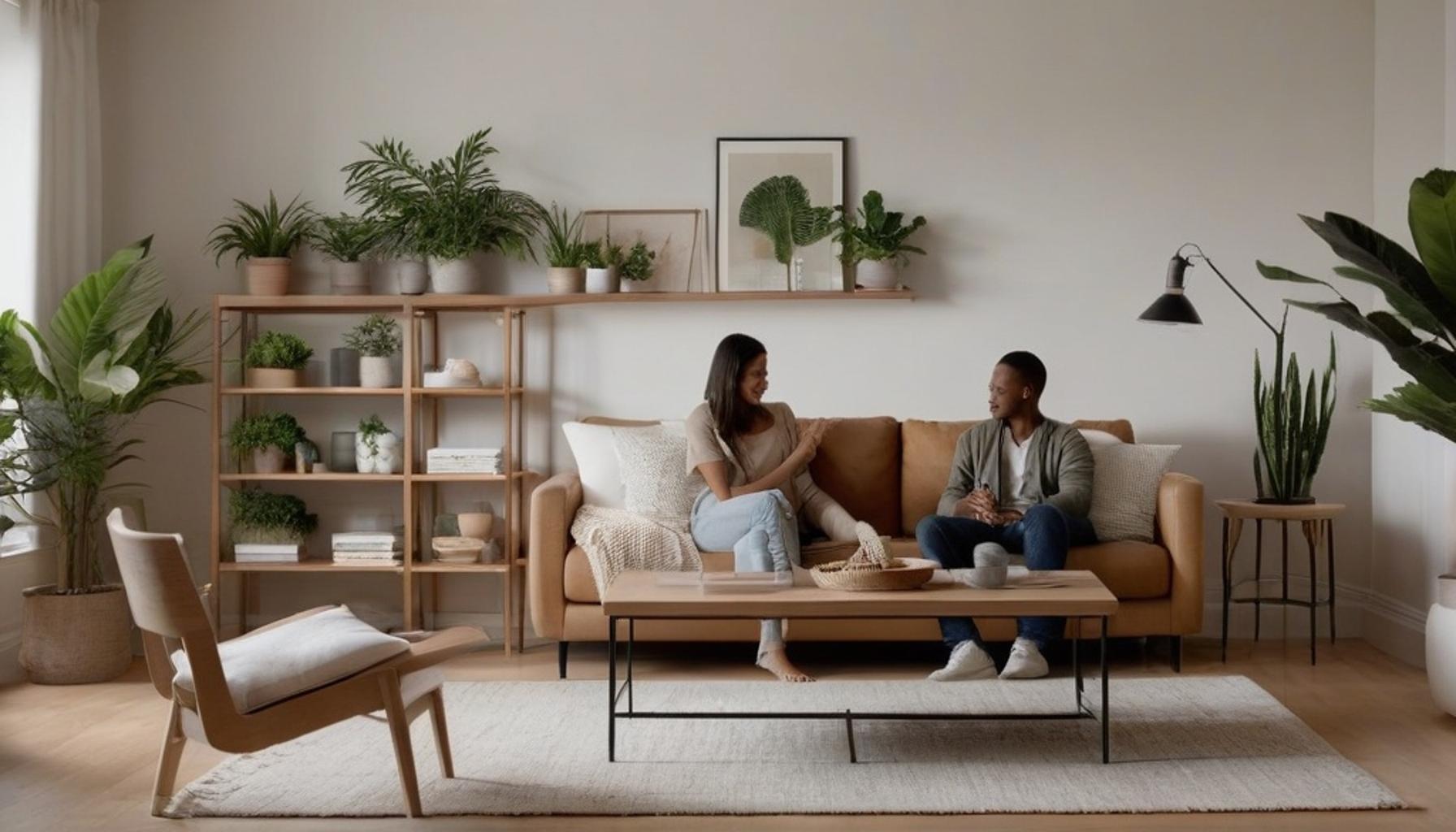
Walk into a cluttered garage in Los Angeles or a jam-packed studio apartment in New York City, and most people feel a subtle wave of tension before they even realize why. That reaction isn’t random; it’s rooted in the Psychology of Space, a field examining how physical environments directly influence mood, focus, and decision-making.
Researchers at Princeton University found that visual clutter competes for attention in the brain, making it harder to process information and stay calm. In other words, a messy room isn’t just an eyesore—it’s a measurable drain on mental clarity. With our brains constantly bombarded by distractions, it becomes crucial to consider the spaces we inhabit daily.
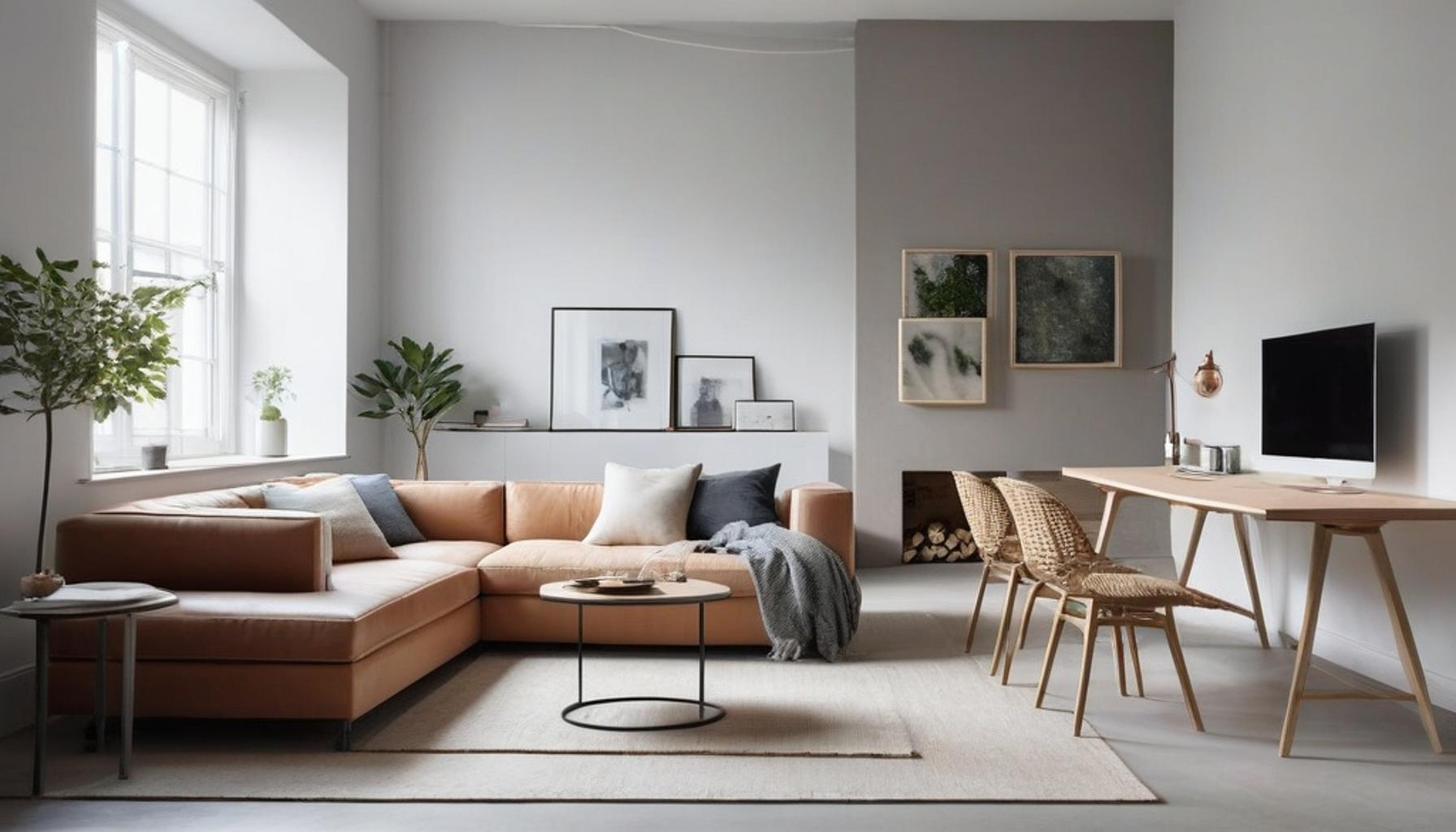
This is where minimalist living comes into play, not merely as a trendy aesthetic but as a practical response to cognitive overload. Minimalism advocates for simplicity and functionality in our living spaces, which aligns with how our brains are wired to cope with stressors. By reducing the number of visual stimuli, one can help clear the mental clutter that hinders focus and decision-making.
What This Article Will Explore
- How optimized environments reduce cognitive load and stress
- The science behind decluttering for clarity and emotional regulation
- Real-world examples of space psychology in American homes and offices
- Practical, actionable steps to redesign any space for better focus
Across the United States, from compact city apartments to spacious suburban homes, the benefits of minimalism are increasingly evident. For instance, studies have shown that workplaces designed with fewer distractions lead to higher employee satisfaction and productivity. Open-concept offices, while often criticized for noise, are a testament to the push for optimized environments where the brain can thrive.
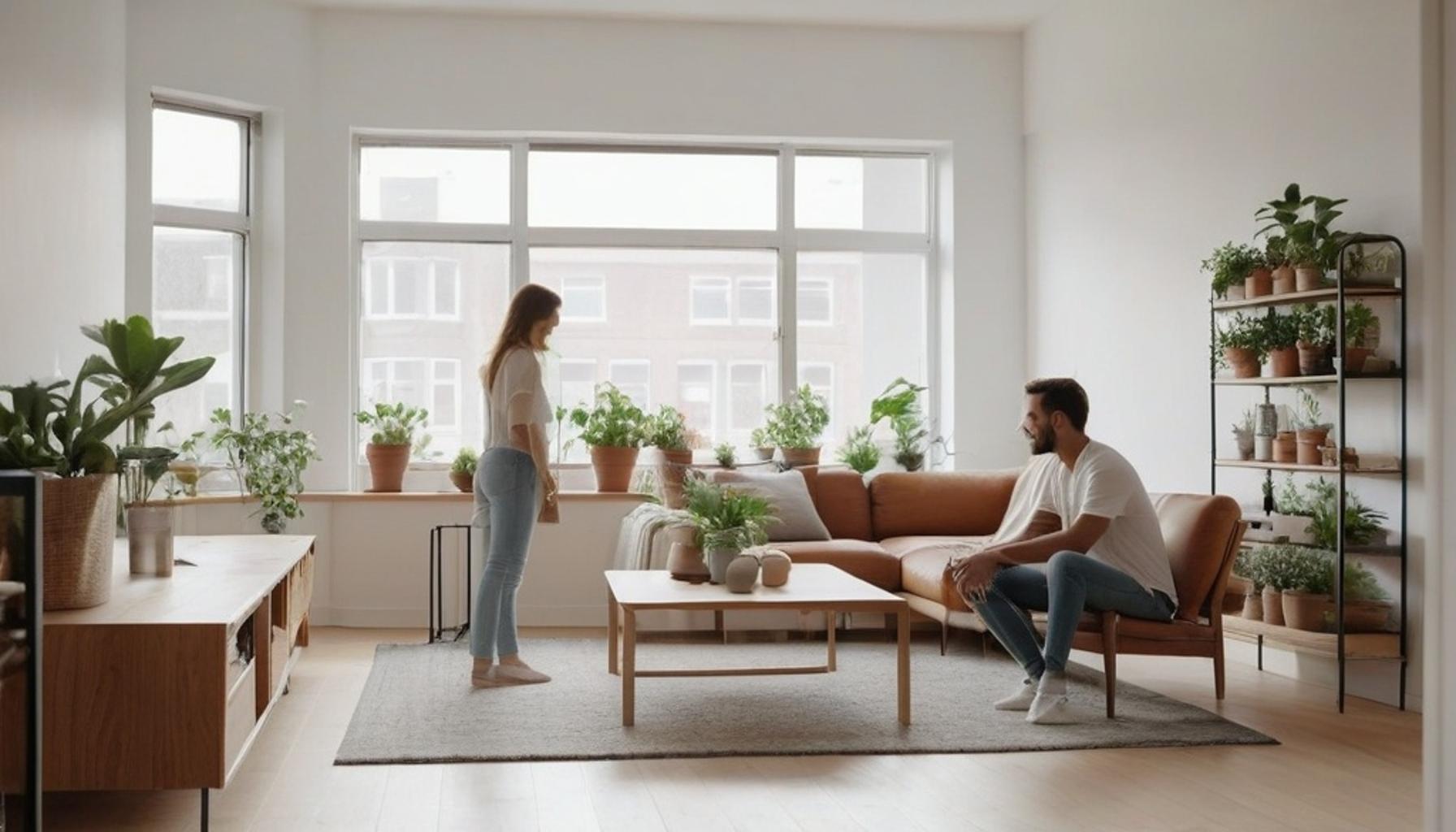
The rise of remote work further underscores the importance of our surroundings. A well-organized workspace, devoid of clutter, can have a profound impact on productivity levels. For example, many professionals report that working from a clean, dedicated area fosters a greater sense of purpose and focus. This physical separation between home and work, even within the same building, signals the brain to engage differently.
What follows is a closer look at the data, the design principles, and the everyday habits that transform ordinary rooms into tools for a clearer mind. By embracing these insights, individuals can create environments that recharge their mental faculties and promote emotional wellbeing.
SEE ALSO: Organization of Cabinets: Minimalism Tips for Creating Functional and Attractive Spaces
To truly grasp the Psychology of Space, it helps to understand what happens inside the brain when it encounters disorder. Neuroscientists at UCLA have found that excessive visual stimuli trigger the amygdala, the brain’s alarm system, activating a mild stress response even in seemingly safe environments. This means a pile of unopened mail or an overflowing closet can quietly put the body on edge, long before conscious thought catches up. The brain processes these visual cues as threats, leading to an ongoing cascade of psychological effects that can affect one’s mood, productivity, and overall well-being.
This phenomenon isn’t just theoretical. A widely cited study from the Princeton University Neuroscience Institute revealed that participants working in organized environments completed tasks faster and with greater accuracy than those in cluttered settings. The takeaway is clear: mental clarity and physical order are deeply intertwined, not simply a matter of personal preference. In controlled settings, clear desks led to clearer minds, allowing individuals to focus better on tasks at hand rather than being sidetracked by visual distractions. Such findings speak to the need for spaces that encourage efficiency and reduce cognitive overload.
Why Our Brains Crave Order
Humans are inherently pattern-seeking creatures. When surroundings lack organization, the brain must work overtime to filter out irrelevant information, a process cognitive scientists call “attentional residue.” This residue can leave us feeling overwhelmed and mentally fatigued. Over time, this constant filtering depletes mental energy that could otherwise be used for problem-solving or creativity. This has significant implications not just in personal lives but also in work environments, where productivity is paramount.
Several factors contribute to this cognitive drain, including:
- Visual noise from excessive objects, colors, or textures competing for attention. For example, consider a workspace cluttered with bright sticky notes, piles of paper, and assorted trinkets; the chaos can lead to mental fatigue.
- Decision fatigue caused by too many choices in a disorganized space. Having to sift through countless items or make numerous small decisions can exhaust mental resources before tackling larger tasks.
- Lack of designated zones, which blurs the boundary between work, rest, and leisure. A home office that doubles as a living area can become a source of stress, as individuals struggle to mentally separate work obligations from leisure time.
- Poor lighting and airflow, often overlooked yet critical to sustained focus. Studies have shown that well-lit environments with good airflow enhance cognitive function, while dim, stagnant spaces can contribute to lethargy and distraction.
Understanding these triggers is the first step toward designing optimized environments that support rather than sabotage mental performance. Ultimately, this can lead to substantial improvements in both personal and professional spheres.
The Link Between Minimalist Living and Emotional Regulation
Beyond productivity, there’s a strong emotional component to space psychology. Therapists increasingly recognize that a person’s environment can either reinforce anxiety or help regulate it. Marie Kondo’s rise to mainstream popularity in the United States wasn’t just a cultural moment; it reflected a genuine psychological need for spaces that feel calm and intentional. The idea of “sparking joy” through minimalism has resonated with many who struggle with the chaos of modern life.
Data from a UCLA Center on Everyday Lives and Families study found that women who described their homes as cluttered showed higher cortisol levels throughout the day compared to those who described their spaces as restful. This finding reinforces the benefits of minimalism as more than aesthetic appeal—it’s a legitimate strategy for stress management. When one maintains fewer possessions, the resultant mental clarity can lead to better emotional regulation, allowing individuals to navigate life’s challenges with more ease and resilience.
As the next section will explore, decluttering for clarity isn’t about owning fewer things for the sake of appearances. It’s about creating intentional space for the mind to breathe, fostering an environment where creativity and peace can thrive. This emerging perspective invites us to consider: in a world teeming with distractions, how can we craft spaces that genuinely enhance our mental and emotional well-being?
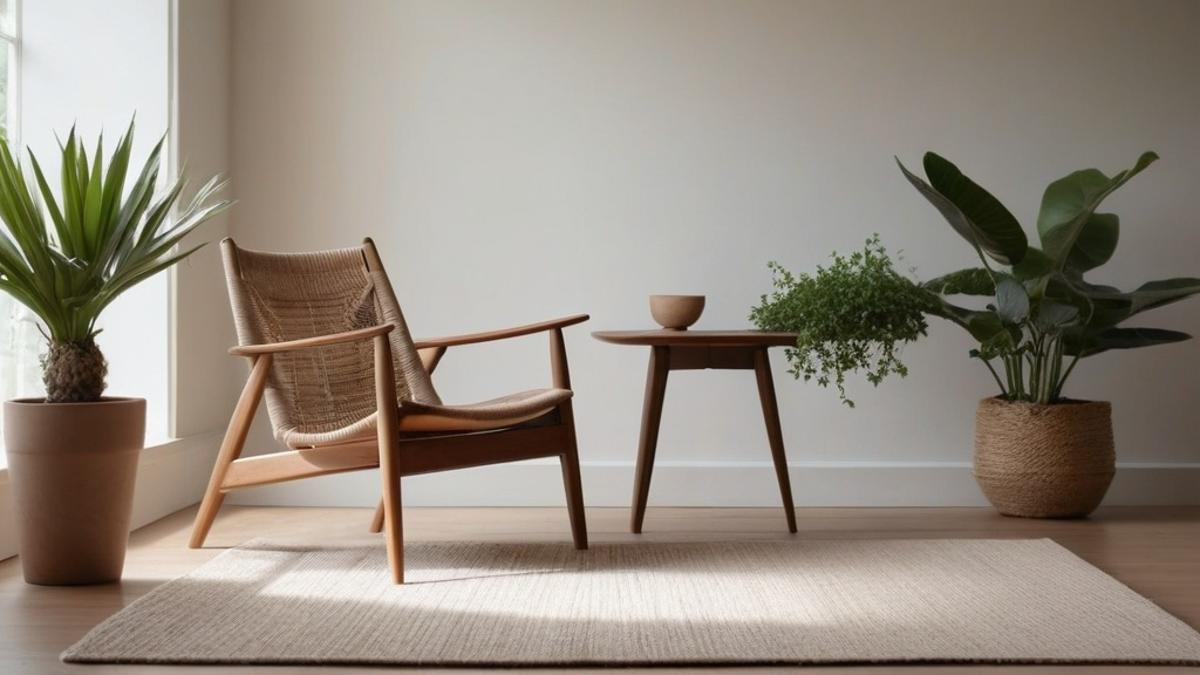
SEE ALSO: Simplifying the Excessive: How Minimalism Can Help Optimize Workspaces
Decluttering for Clarity: The Science Behind Intentional Design
If clutter is a source of cognitive strain, then decluttering for clarity is its antidote. But the process goes far beyond simply discarding possessions. Behavioral researchers at the University of California, Los Angeles have documented that the act of curating one’s environment activates the prefrontal cortex, the brain region responsible for planning and self-control. In other words, thoughtful organization doesn’t just look better; it exercises the very neural pathways tied to discipline and decision-making.
This is why many Americans report feeling a genuine sense of accomplishment after reorganizing a closet or clearing a kitchen counter. The reward isn’t purely visual. It’s neurological. Dopamine, the brain’s motivation chemical, is released when a task is completed and order is restored, reinforcing the habit loop that makes minimalist practices so sustainable over time.
How Optimized Environments Shape Daily Behavior
Architects and interior designers have long understood that optimized environments influence behavior in subtle but measurable ways. A 2018 report from the American Society of Interior Designers found that 68 percent of employees said workspace design directly affected their motivation and engagement levels. This statistic has pushed companies from Seattle to Miami to rethink open floor plans, storage solutions, and even color palettes.
Several design principles consistently emerge as effective tools for supporting mental clarity:
- The rule of visible surfaces, which suggests keeping at least 80 percent of countertops and desks clear to reduce visual competition for attention.
- Zoning strategies, where specific areas are assigned single purposes, helping the brain associate location with function and reducing mental switching costs.
- Natural material integration, such as wood, stone, or plants, which studies from Texas A&M University link to lower blood pressure and reduced mental fatigue.
- Consistent storage systems, where every item has a designated home, minimizing the small but cumulative stress of searching for misplaced objects.
These strategies illustrate that space psychology isn’t an abstract concept reserved for designers and architects. It’s a practical framework anyone can apply, whether reorganizing a studio apartment in Brooklyn or a suburban home office in Austin.
The Ripple Effect on Relationships and Routine
Interestingly, the benefits of minimalism extend beyond the individual. Family therapists have observed that shared living spaces which are intentionally organized tend to reduce household conflict. Fewer misplaced items mean fewer arguments over responsibility and blame, while shared clarity around where things belong fosters a sense of mutual respect.
Routine also improves. When environments are predictable and free of unnecessary friction, daily tasks such as getting ready for work or preparing meals require less mental negotiation. This predictability compounds over weeks and months, gradually reshaping not just a room, but a person’s entire relationship with their time and energy.
RECOMMENDED: Maximizing Small Spaces: Minimalist Organization Strategies for Compact Apartments
The Psychology of Space: A New Blueprint for Everyday Living
Across laboratories, design studios, and living rooms from Portland to Philadelphia, the evidence converges on a single point: the psychology of space is not a fleeting design trend but a measurable force shaping how Americans think, feel, and function. What began as a conversation about tidiness has evolved into a broader recognition that physical surroundings actively script mental outcomes.
The research trail is consistent. Cluttered environments tax the prefrontal cortex, while optimized environments free up cognitive bandwidth for creativity, focus, and emotional regulation. This is why minimalist living continues to gain traction, not as an aesthetic statement, but as a practical response to information overload and constant sensory demand.
What makes this topic worth continued attention is its accessibility. Unlike many wellness interventions requiring specialized equipment or expertise, decluttering for clarity costs little beyond time and intention. A cleared countertop, a designated drop zone for keys, or a single shelf reserved for daily essentials can produce noticeable shifts in stress levels within days.
The benefits of minimalism also extend into collective spaces, influencing how families communicate and how coworkers collaborate. This suggests that space psychology operates on multiple scales simultaneously, from individual neurology to household dynamics to corporate culture.
Looking ahead, researchers anticipate deeper exploration into how digital clutter, from overflowing inboxes to endless notifications, mirrors physical disorganization in its psychological toll. As smart homes and adaptive workspaces become more common, the principles outlined here will likely expand into new technological territory.
For now, the takeaway remains refreshingly simple. Environments are never neutral. Every room, desk, and shelf quietly negotiates with the mind, and choosing to organize that negotiation may be one of the most underrated tools for achieving lasting mental clarity.
Frequently Asked Questions
How does the psychology of space influence my mental health and well-being?
The psychology of space suggests that our surroundings significantly impact our emotions, stress levels, and overall mental health. An optimized environment can reduce feelings of anxiety and clutter, fostering a sense of calm and clarity. By minimizing distractions and promoting organization, individuals can enhance their focus and improve their overall mood.
What are some practical tips for optimizing my living space based on the psychology of space?
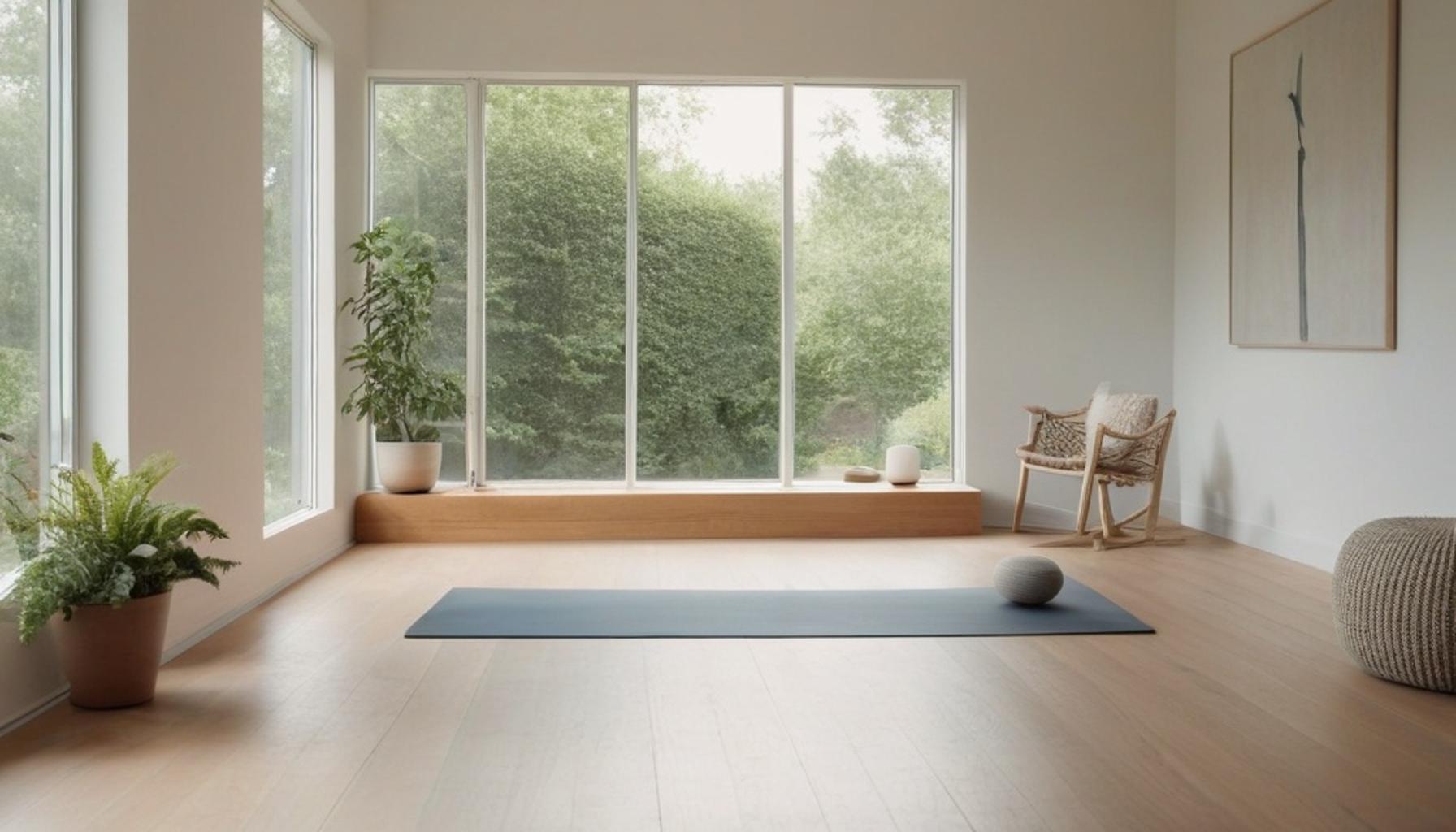
To optimize your living space, start by decluttering and removing items that don’t serve a purpose or bring you joy. Use a minimalist approach by keeping only essential or meaningful items. Additionally, incorporate natural light, greenery, and calming colors to create an inviting atmosphere that promotes mental clarity.
Can the psychology of space help improve productivity in a home office setting?
Yes, the psychology of space can greatly enhance productivity in a home office. A well-organized and minimalist workspace eliminates distractions, allowing for better focus and efficiency. By arranging your office thoughtfully, such as using ergonomic furniture and emphasizing natural elements, you can create an environment that inspires creativity and boosts work performance.
What role does color play in the psychology of space regarding minimalist living?
Color plays a significant role in the psychology of space, influencing our emotions and mental states. In minimalist living, choosing calming colors like soft blues, greens, and neutrals can create a serene environment that promotes relaxation and mental clarity. These colors help reduce visual clutter and can enhance your overall sense of peace in your living space.

Linda Carter
Linda Carter is a writer specializing in minimalism and personal organization. With extensive experience helping readers create more functional and balanced routines, she shares practical advice on decluttering, organizing spaces, simplifying daily tasks, and making more intentional choices. Her goal is to offer clear guidance and accessible strategies that help people reduce excess, improve their surroundings, and enjoy a calmer, more organized lifestyle.