Organization of Cabinets: Minimalism Tips for Creating Functional and Attractive Spaces
Open a random kitchen or bathroom cabinet in the average American home, and you’re likely to discover cluttered shelves, mismatched containers, and forgotten items. According to organizing experts, most households utilize only about 20% of what’s stored in their cabinets regularly. This means that a staggering 80% of items remain untouched, raising an important question: why hold onto the other 80%? The organization of cabinets transforms from a mundane task into a thoughtful design philosophy that can significantly enhance daily life.
Why Minimalism Is Changing How We Organize
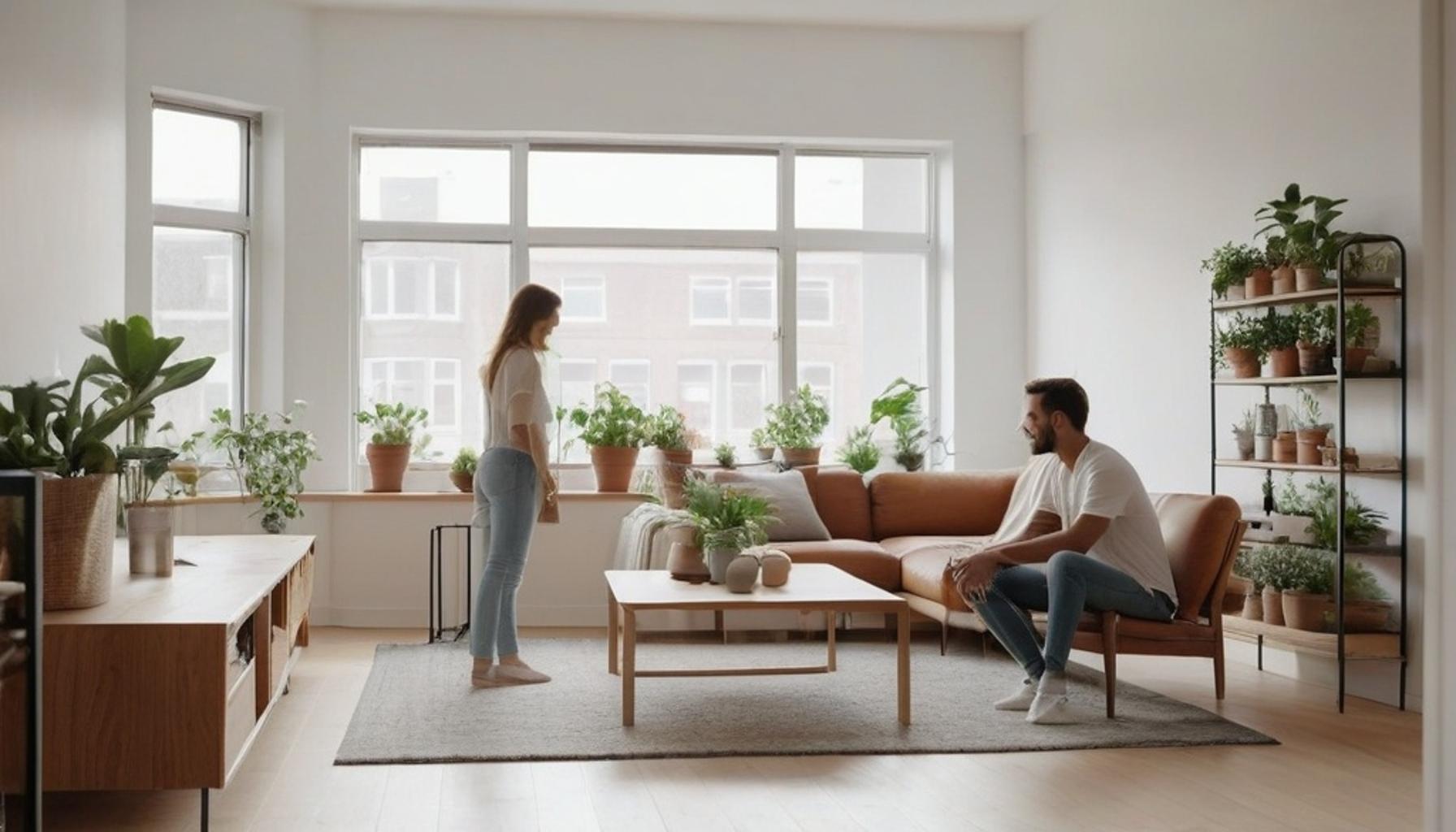
Minimalism in home decor transcends mere trendiness, rooted deeply in practical considerations, such as accommodating smaller living spaces and busy, modern lifestyles. As urban environments expand and living areas shrink, the demand for organized, functional rooms only increases. This philosophical shift toward minimalism fosters spaces that inspire calmness and order while addressing the clutter that often invades our homes.
Applying minimalist cabinet design principles can be a game changer, transforming chaotic storage into streamlined systems. Consider how implementing these strategies can clear up your cabinets:
- Removing duplicate or rarely used items: For instance, if you have three similar blenders, consider keeping only one. Not only does this free up valuable space, but it also simplifies the decision-making process in the kitchen.
- Grouping similar objects for easy access: Keep baking supplies like flour, sugar, and spices in one area so they can be easily found when needed—this reduces the time spent rummaging through drawers.
- Choosing uniform containers to reduce visual noise: Investing in clear, matching storage bins fosters a cleaner aesthetic. Not only are they visually appealing, but they also streamline the search for ingredients or household items.
- Prioritizing open, breathable shelf space over overstuffed drawers: Open shelving systems can display your favorite cups or books, making them not only accessible but also part of your decor.
These choices are not merely aesthetic—they represent functional cabinet ideas that save time during busy mornings or hectic dinner preparation. Less clutter means fewer distractions, allowing you to focus on the tasks at hand and enjoy your living space.
What This Article Will Cover
This guide will delve into kitchen cabinet organization tips and strategies tailored for bathrooms and closets. Each section will provide practical methods anyone can apply, making the process approachable and actionable.
Picturesque organization is not just for those with architectural magazines on their coffee tables. Whether you’re renovating a starter home in Austin or simply tired of sifting through a junk drawer in Chicago, achieving attractive cabinet organization is attainable. The forthcoming sections will reveal easy-to-follow steps to help you reclaim your space and create an invigorating environment in your home.
SEE ALSO: Maximizing Small Spaces: Minimalist Organization Strategies for Urban Apartments
Starting With the Kitchen: The Heart of Cabinet Chaos
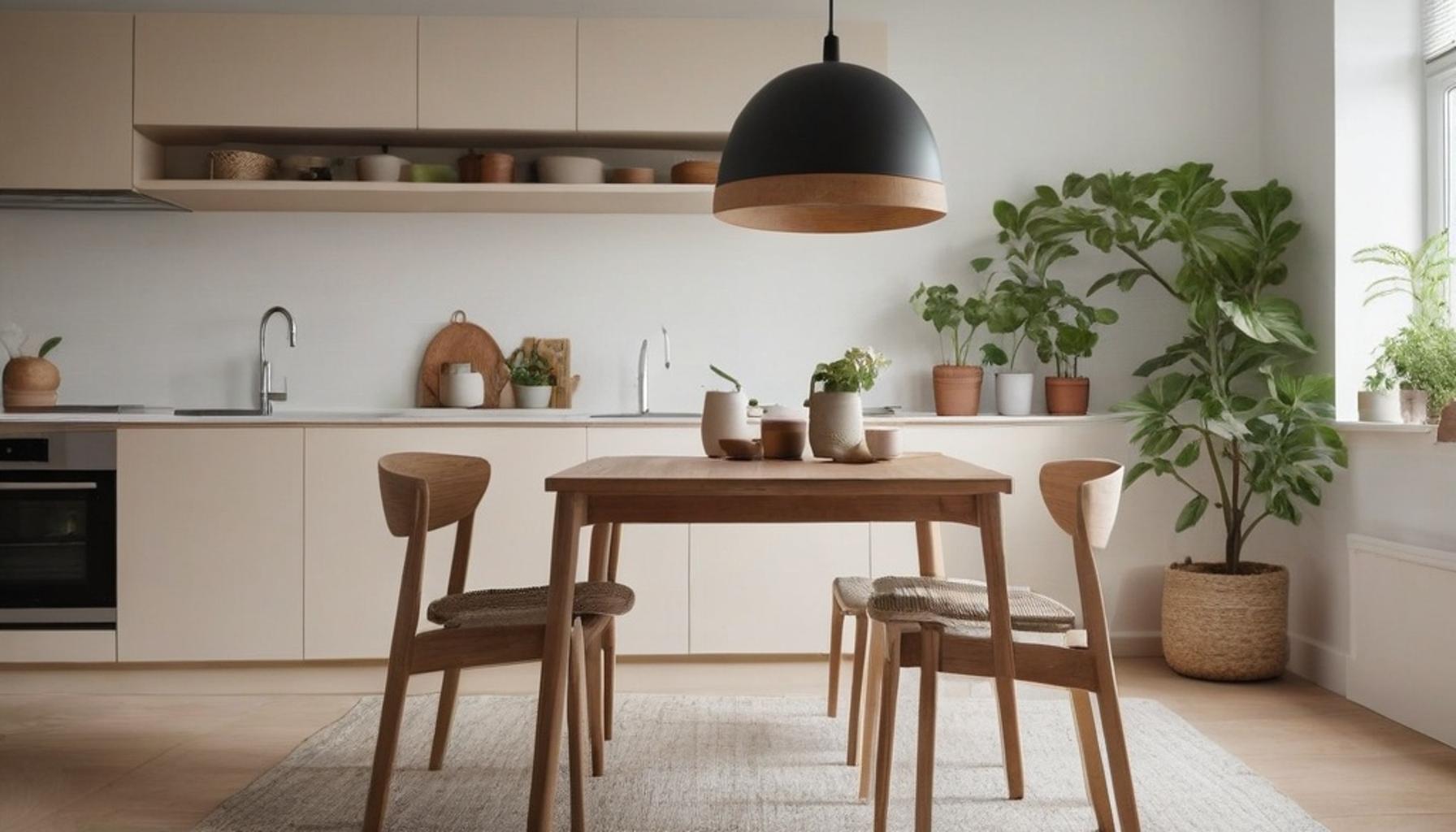
Walk into any kitchen across America—from a compact Brooklyn apartment to a sprawling suburban home in Dallas—and the cabinet situation often tells a similar story. Mismatched Tupperware lids, expired spices, and appliances used once during a New Year’s resolution phase paint a vivid picture of culinary clutter. Kitchen cabinet organization tips can transform this chaos into order, but they often start with a simple, sometimes uncomfortable exercise: an honest assessment of what’s inside.
Before purchasing any organizer bins or trendy storage solutions, experts recommend completely emptying your cabinets. This key step not only allows you to physically clean the space, eliminating years of dust and crumbs, but also reveals patterns and item excesses that most homeowners may never notice. For example, do you own four sets of measuring cups, and if so, do you really need them? Are there gadgets still wrapped in their original packaging from three Christmases ago, like a juicer that promised to bring you health benefits but now sits forgotten? This audit serves as the foundation for effective organization of cabinets, offering a fresh vantage point from which to make better decisions about what to keep and what to discard.
The Zone Method: A Practical Approach
Professional organizers frequently reference the “zone” system when discussing minimalist cabinet design. Instead of randomly storing items, this method assigns specific purposes to designated areas, mirroring the efficiency seen in professional kitchens. This thoughtful arrangement can lead to a smoother cooking experience and a calmer environment overall.
To implement the zone system effectively, consider these practical zones tailored to your kitchen:
- Prep zone: This area should include cutting boards, mixing bowls, knives, and frequently used utensils, all positioned near your main counter workspace to facilitate easy meal prep.
- Cooking zone: Store pots, pans, spatulas, and cooking oils in proximity to the stove to minimize unnecessary steps during meal preparation. This can make a notable difference when you’re in the midst of cooking a complex dish.
- Storage zone: Food containers, pantry staples, and snacks can be neatly grouped together, ideally with visible labels for easy identification. This not only saves time but encourages healthier eating habits by making nutritious options more accessible.
- Cleanup zone: Make sure that dish soap, sponges, trash bags, and cleaning supplies are located near the sink and separate from food-related items, streamlining both cleaning and cooking processes.
This structured approach eliminates the guessing game that often plagues disorganized kitchens. According to a 2023 survey by the National Association of Productivity and Organizing Professionals, households implementing zone-based systems report spending up to 40% less time searching for kitchen items during meal preparation. Imagine the extra minutes you could reclaim for family time or simply enjoying a cup of coffee!
Beyond the immediate time savings, this method aligns perfectly with broader minimalism in home decor principles. The objective is for every item to earn its place based on purpose rather than habit or sentimental attachment, creating a more functional and aesthetically pleasing kitchen.
Rethinking What “Necessary” Really Means
Many Americans find themselves holding onto kitchen gadgets under the assumption that they might need them “someday.” Items like avocado slicers, banana holders, and single-use appliances often occupy prime cabinet real estate while offering minimal value. This clutter can add to the feeling of overwhelm in an already busy space.
Applying functional cabinet ideas involves asking a critical question: Has this item been used within the past six months? If not, it likely belongs in a donation box rather than a cabinet shelf. This isn’t about deprivation—it’s about creating breathing room for the items that genuinely serve your daily routine. By consciously evaluating and purging unused gadgets, you’ll make way for kitchen tools that enhance your cooking experience, promoting a more enjoyable and efficient culinary environment.
In summary, a well-organized kitchen is not just a luxury but a vital component of a functional home. By embracing the zone method and reevaluating what items are truly necessary, homeowners can turn cabinet chaos into a harmonious kitchen environment, setting the stage for culinary creativity and daily efficiency.

| Key Aspect | Description |
|---|---|
| Minimalist Cabinet Design | Simplified aesthetics that prioritize functionality and decluttered environments. Focus on clean lines and neutral colors. |
| Functional Cabinet Ideas | Employ multi-purpose storage solutions like pull-out shelves and vertical dividers, ensuring every inch is utilized effectively. |
LEARN MORE: Minimalism in Practice: Space Optimization Techniques for Home Offices
Beyond the Kitchen: Bathroom and Bedroom Cabinet Solutions
While kitchens often dominate the organization conversation, bathroom and bedroom cabinets present their own unique challenges. A cluttered medicine cabinet stuffed with expired sunscreen from a 2019 beach trip or a closet overflowing with mismatched hangers can undermine even the most carefully curated living spaces. Effective organization of cabinets throughout the entire home requires attention to these often-overlooked areas.
Bathroom cabinets, in particular, tend to accumulate products at an alarming rate. Research from the American Cleaning Institute suggests the average American household owns over 40 personal care and cleaning products, many of which sit unused for months. Applying minimalist cabinet design principles here means grouping items by frequency of use rather than product type.
Practical Storage Categories for Bathroom Cabinets
Consider organizing bathroom cabinets using these straightforward categories:
- Daily essentials: Toothpaste, deodorant, and skincare products used every morning should occupy eye-level shelves for quick access.
- Occasional items: Sunscreen, first-aid supplies, and seasonal products can be stored on higher or lower shelves, since they’re needed less frequently.
- Backup supplies: Extra toilet paper, spare toothbrushes, and backup toiletries belong in the back or in labeled bins, keeping surplus items from crowding daily-use spaces.
This categorization mirrors the zone approach used in kitchens, reinforcing a consistent philosophy of functional cabinet ideas across every room.
Bedroom Closets and Built-In Cabinets
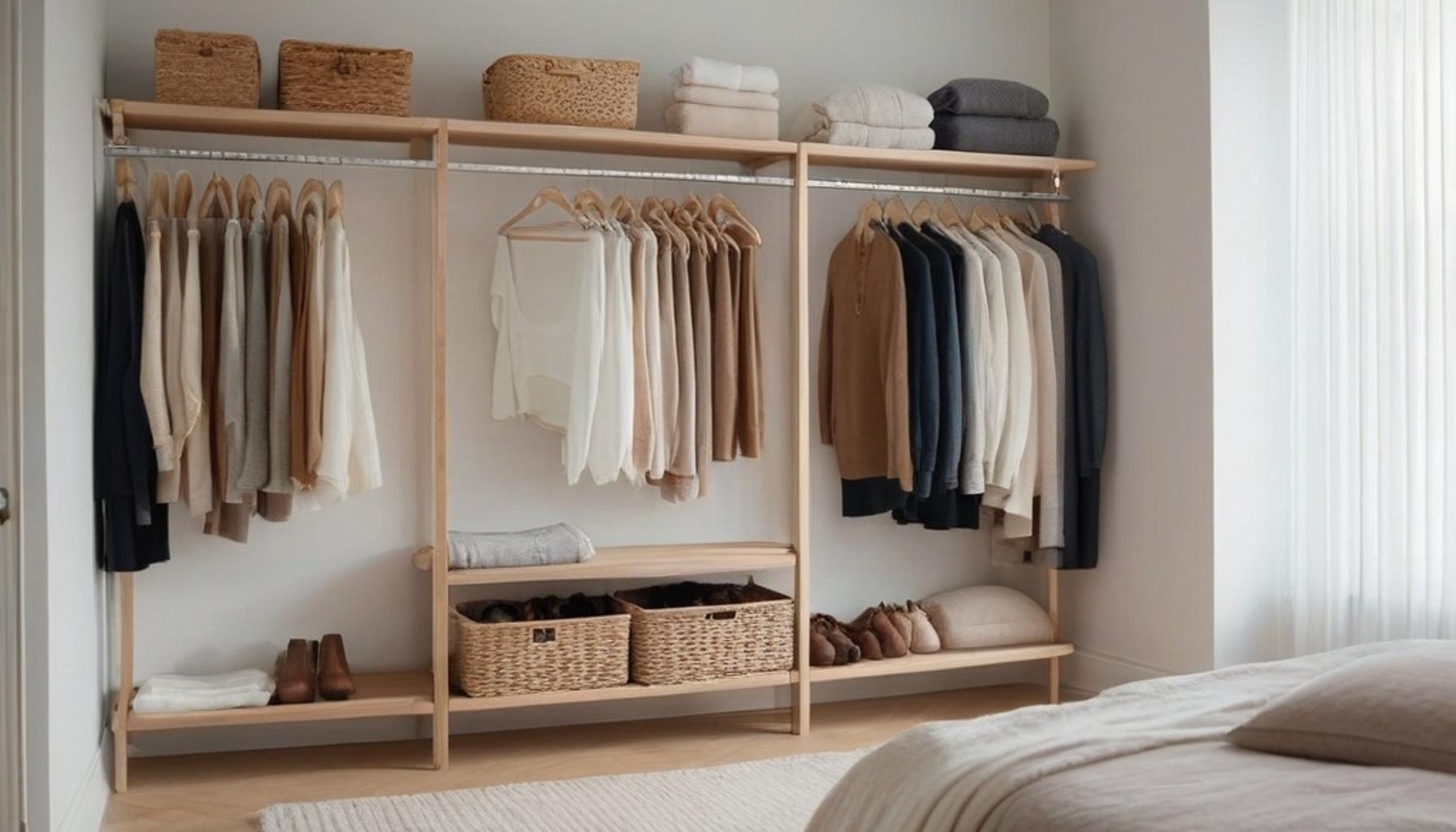
Bedroom storage presents a different puzzle entirely. Built-in cabinets and closets frequently become dumping grounds for clothing that no longer fits, shoes worn only once, and accessories that lost their appeal years ago. A 2022 study published by the Journal of Consumer Research found that Americans wear only 20% of their wardrobe regularly, leaving the remaining 80% as passive clutter.
Addressing this imbalance starts with seasonal rotation. Storing off-season clothing in labeled bins within cabinet space frees up prime real estate for items currently in use. This technique, popular among professional closet designers in cities like Los Angeles and Chicago, exemplifies how attractive cabinet organization can coexist with practicality.
Vertical space also deserves attention. Many bedroom cabinets waste significant square footage by ignoring the area above hanging clothes. Adding stackable bins or shelf dividers in this often-neglected zone can increase usable storage by nearly a third, according to estimates from professional organizing firms.
Consistency Across Every Room
What separates a truly organized home from one with scattered pockets of tidiness is consistency. Applying the same thoughtful principles of minimalism in home decor to bathrooms and bedrooms—not just kitchens—creates a cohesive living environment where every cabinet serves an intentional purpose.
This holistic approach doesn’t demand perfection overnight. Instead, it invites homeowners to gradually reassess each space, room by room, until clutter no longer dictates the rhythm of daily life.
Bringing It All Together: A Smarter Approach to Cabinet Living
Across kitchens, bathrooms, and bedrooms, one truth emerges clearly: the organization of cabinets is never just about tidiness. It’s about reclaiming time, reducing daily friction, and creating spaces that genuinely support how people live. From zoning kitchen shelves by frequency of use to rotating seasonal clothing in bedroom closets, each strategy shares a common thread rooted in intention rather than accumulation.
The numbers throughout this discussion tell a compelling story. Households with over 40 personal care products or wardrobes where 80% of clothing sits unworn reveal how easily clutter accumulates without anyone noticing. Recognizing these patterns is the first step toward meaningful change.
Homeowners looking to start this process might consider a few practical next moves:
- Audit one cabinet at a time rather than attempting a whole-house overhaul in a single weekend.
- Apply consistent categories—daily, occasional, backup—across every room to build lasting habits.
- Reassess quarterly, since needs and possessions shift with seasons and lifestyle changes.
What makes minimalist cabinet design so effective isn’t the removal of belongings alone, but the deliberate structure left behind. Combined with functional cabinet ideas like vertical storage and labeled bins, this structure transforms ordinary cabinetry into attractive cabinet organization that supports daily routines rather than complicating them.
Ultimately, embracing minimalism in home decor isn’t about achieving a picture-perfect aesthetic overnight. It’s a gradual, room-by-room commitment—one that rewards patience with calmer mornings, easier cleanups, and homes that feel as good as they look.
Frequently Asked Questions
What are the key principles of minimalism when organizing cabinets?
Key principles of minimalism in cabinet organization include decluttering your items to only keep what you truly need and use, and arranging remaining items strategically for ease of access. Focus on creating a clean, open space by using storage solutions like clear bins or labeled containers to maintain a tidy appearance. Additionally, consider utilizing vertical space with shelves to maximize storage efficiency.
How can I effectively declutter my kitchen cabinets for a minimalist look?
Start by emptying your kitchen cabinets and sorting items into categories, such as cookware, utensils, and dishes. Assess each item to determine if it’s something you regularly use or love; if not, consider donating or recycling it. Once decluttered, organize the remaining items by frequency of use and size, keeping everyday items easily accessible while storing less frequently used items further back.
What types of storage solutions enhance the organization of cabinets in small spaces?
In small spaces, consider using multi-functional storage solutions like pull-out shelves, stackable bins, and tiered organizers to maximize vertical and horizontal space. Magnetic strips can hold utensils or spice jars, and drawer dividers can help keep small items orderly. Labeling containers ensures that everything has a designated spot, making it easier to maintain organization over time.
How can I maintain an organized cabinet system after implementing minimalism?
To maintain an organized cabinet system, implement a regular check-in routine every few months to assess the contents and remove any items that are no longer used or needed. Establish a one-in-one-out rule, where for every new item added, an old item is removed. This practice, along with keeping similar items grouped together, will help sustain a clutter-free environment.

Linda Carter
Linda Carter is a writer specializing in minimalism and personal organization. With extensive experience helping readers create more functional and balanced routines, she shares practical advice on decluttering, organizing spaces, simplifying daily tasks, and making more intentional choices. Her goal is to offer clear guidance and accessible strategies that help people reduce excess, improve their surroundings, and enjoy a calmer, more organized lifestyle.