Maximizing Small Living Spaces: Practical Tips for Minimalist Organization
Small Footprint, Big Potential
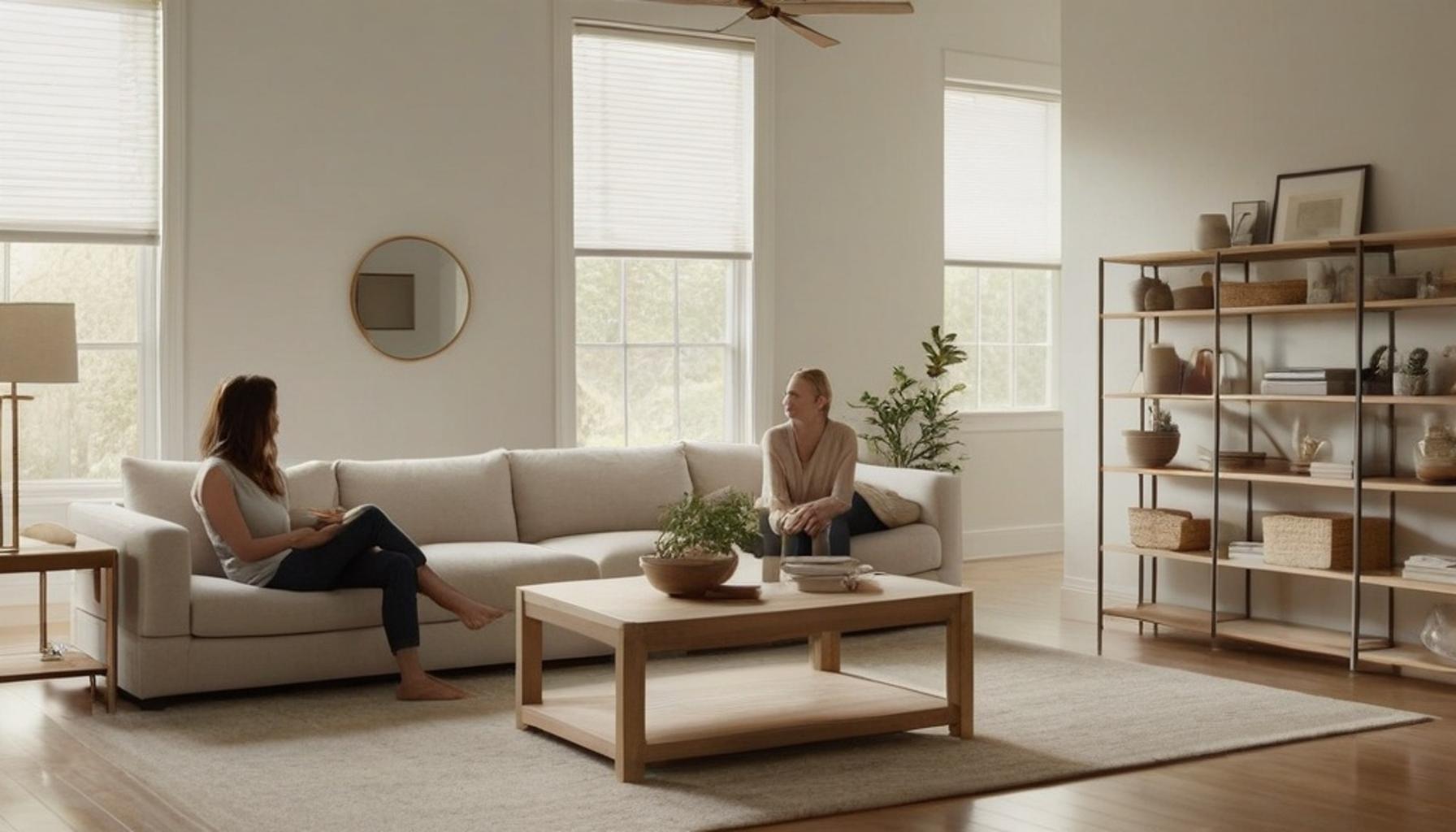
As urban living continues to evolve, the average apartment size in the United States has dwindled to just 886 square feet, according to the latest data from RentCafe. This trend can be observed from bustling Manhattan studios to cozy Seattle micro-units—where residents are increasingly embracing the art of living large within confined spaces.
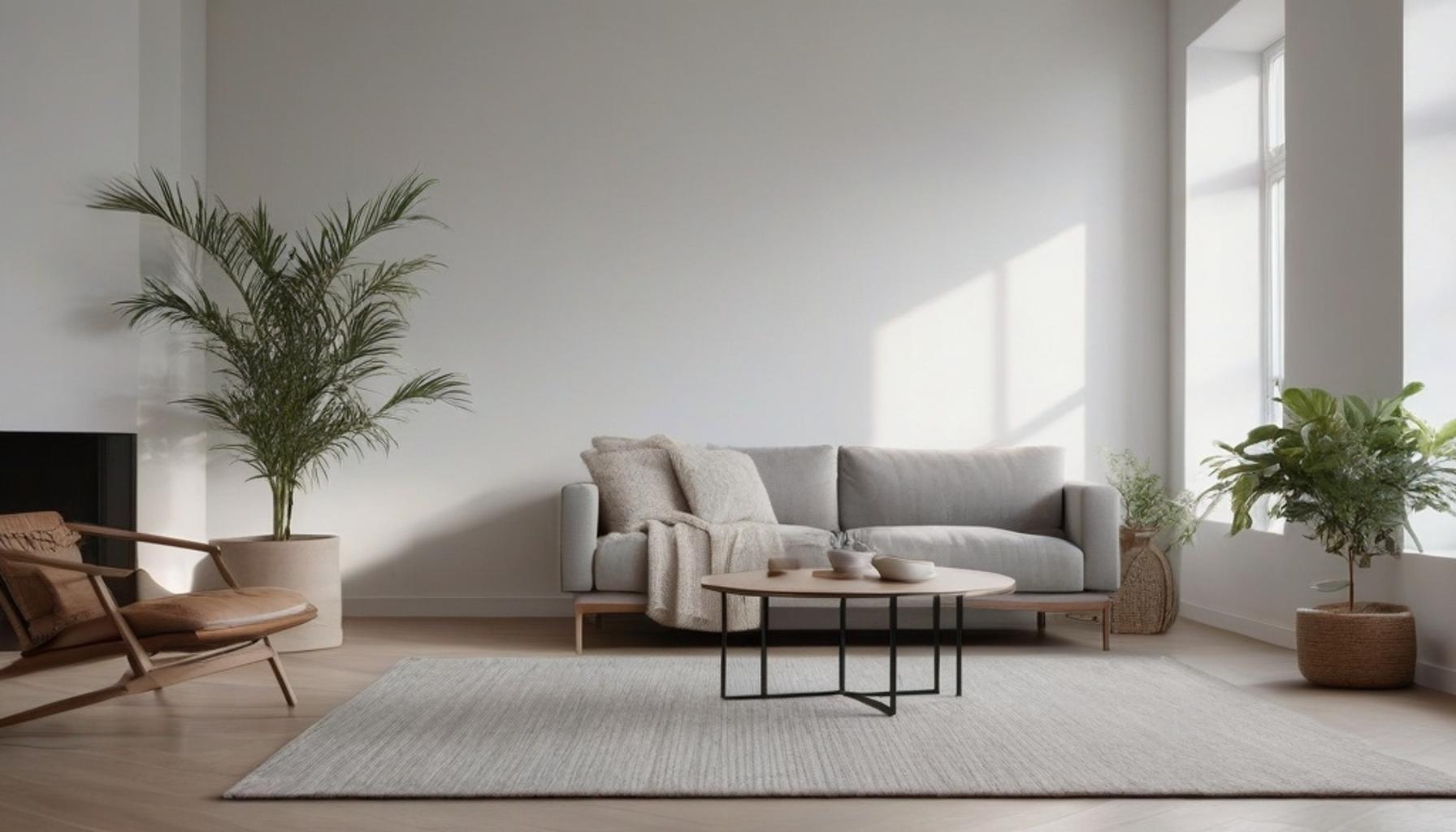
The real magic isn’t in acquiring larger homes but rather in optimizing small living spaces through organization, smart design choices, and a commitment to minimalist habits. With creativity and practical solutions, small apartments can be transformed into stylish, functional environments that cater to modern lifestyles.
Why Minimalist Living Is Gaining Ground
Factors such as soaring rent prices and a collective yearning for simpler, more intentional lives are driving the trend towards minimalist living. This shift reflects a growing awareness of how our possessions and living environments affect our overall wellbeing. Instead of being tethered to possessions, many are finding freedom in reducing clutter, which in turn has fueled demand for effective, everyday solutions.
Whether residing in a chic downtown loft or a tiny home on wheels, everyone faces unique challenges in compact living. Some of the common hurdles include:
- Overflowing closets with limited space for expansion
- Kitchens that lack sufficient area for meal preparation and cooking
- Bulky furniture that disrupts the flow of spaces and consumes valuable floor area
- Clutter that creates a perception of limited space and heightens feelings of confinement
If any of these challenges resonate with you, rest assured, you are part of a larger community navigating similar issues.
What This Guide Covers
This article will delve into minimalist organization tips and techniques that have proven successful in real-world settings. You will learn how to effectively organize small spaces using innovative approaches like vertical storage solutions, multi-purpose furniture that serves several functions, and strategic decluttering methods that simplify living.
Furthermore, we will examine various small space storage solutions, such as creative uses for under-bed bins, wall-mounted storage systems, and sneaky nooks and crannies for stashing items. Additionally, we will offer practical advice on decluttering small apartments in a way that doesn’t overwhelm you or compromise your sense of comfort and style.
If you’re eager to start maximizing space in tiny homes, let’s delve into the specific strategies that really work, ensuring you can enjoy a functional and welcoming environment, no matter how compact your living footprint may be.
YOU MAY ALSO LIKE: Creating a Functional Workspace: Space Optimization Strategies for a Minimalist Home Office
Vertical Thinking: The Foundation of Small Living Spaces Organization
In a world where urban living spaces are shrinking, the untapped potential of vertical space often goes unnoticed. When managing small areas, it is essential to shift your perspective from merely considering floor space to embracing the possibilities offered by cubic volume. Successful small living spaces organization begins with this crucial mental adjustment, which can dramatically change both the functionality and aesthetic appeal of your home.
Interior designers specializing in compact homes are increasingly recognizing walls as valuable real estate. A wall that previously showcased nothing more than a mirror can now be repurposed to support floating shelves, pegboards, or narrow cabinets. This transformative approach adds essential storage without encroaching on walking space, making it one of the simplest yet most effective minimalist organization tips available. Unfortunately, this strategy is frequently overlooked, despite its potential to maximize storage and enhance organization.
Practical Vertical Storage Ideas
If you’re searching for effective ways on how to organize small spaces using vertical strategies, consider the following practical approaches that have yielded positive results for renters in bustling cities such as New York, Chicago, and San Francisco:
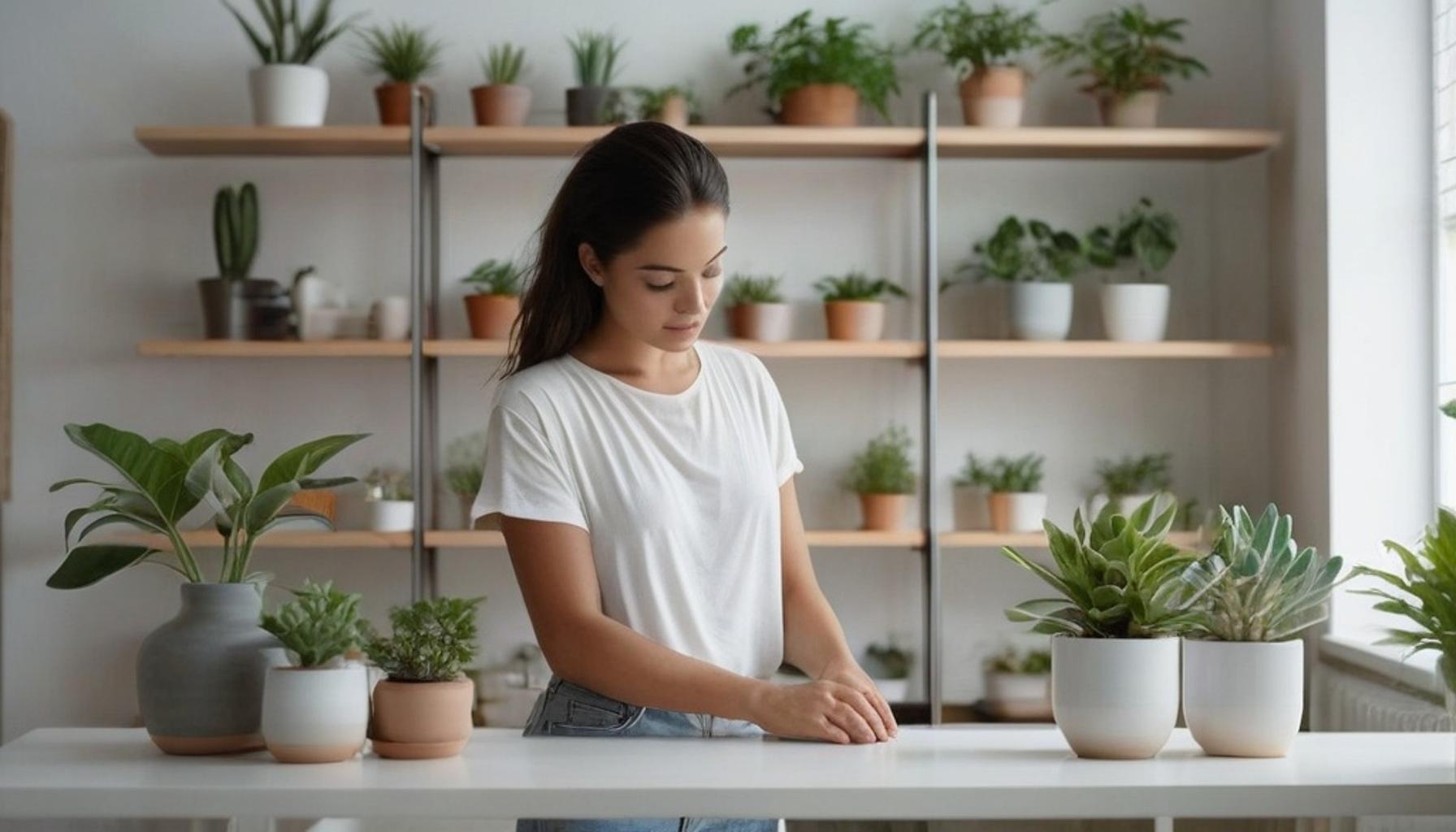
- Install floating shelves above desks, sofas, or beds to artfully display books, decor, or plants, all while keeping your floor area clear.
- Utilize over-the-door organizers in places like closets, bathrooms, and pantries for storing shoes, cleaning supplies, or even spices, providing easy access without taking up valuable floor space.
- Mount pegboards in kitchens or entryways to hang frequently used items such as tools, mugs, or keys, allowing for a structured yet stylish organization solution.
- Opt for tall, narrow bookcases instead of wide, low options. This guides the eye upward, creating a perception of spaciousness while maximizing vertical storage.
These seemingly small adjustments can free up considerable floor space, with some experts claiming savings of 15 to 20 square feet in a standard studio apartment, as illustrated in various case studies from Apartment Therapy. Such transformations can redefine how you interact with and utilize your living environment.
Multi-Functional Furniture: Doing More With Less
In addition to harnessing vertical storage, selecting multi-functional furniture is crucial for maximizing space in tiny homes. By choosing furniture that serves multiple purposes, you not only conserve space but also create a more versatile living area. For example, a stylish storage ottoman can double as a coffee table and a cozy spot to keep extra blankets. Similarly, a daybed with built-in drawers reduces the necessity for a separate dresser, thus simplifying your living space.
Murphy beds, once perceived as outdated, have experienced a resurgence in micro-apartments in cities like Boston and Los Angeles, where efficient use of every square foot is essential. These innovative designs allow for a bed to be tucked away during the day, liberating precious floor space for other activities. Expandable dining tables that can fold flat against the wall when not in use have also become a staple among renters facing the dual challenges of limited kitchen space and the need for entertaining options.
Implementing these strategies is foundational for effective small space storage solutions. Thoughtful choices in furniture and decor can be just as impactful as structural renovations, proving that creativity in organization is key to thriving in smaller living environments. When it comes to rethinking your space, remember that every inch counts, and a little imagination can go a long way.
SEE ALSO: The Psychology of Space: How Optimized Environments Foster Minimalist Living and Mental Clarity
Decluttering Strategies That Actually Stick
Before any storage solution can work its magic, decluttering small apartments must come first. Organizing professionals across the country consistently report that clients skip this step, rushing to buy bins and shelves before addressing the root problem: too much stuff for too little square footage.
The renowned “one-year rule” has gained traction among minimalist advocates in cities like Seattle and Austin. If an item hasn’t been used in twelve months, it likely doesn’t deserve a place in your limited square footage. This principle, while simple, requires discipline that many overlook when tackling small living spaces organization for the first time.
The Four-Box Method
A practical technique gaining popularity involves sorting belongings into four distinct categories during any decluttering session:
- Keep: items used regularly or holding genuine sentimental value.
- Donate: functional items no longer serving your lifestyle, perfect for local thrift stores or shelters.
- Sell: higher-value items that could fund new organizational tools through platforms like Facebook Marketplace or Poshmark.
- Discard: broken or unusable items that serve no further purpose.
This method, often cited in organizational case studies, helps residents in tight quarters process belongings systematically rather than emotionally, which tends to slow down the entire process considerably.
Digital Decluttering: An Overlooked Frontier
While physical clutter draws most attention, digital hoarding deserves consideration too. Paper receipts, old bills, and printed photographs consume drawer space that could otherwise house essentials. Scanning documents and storing them in cloud services reduces physical paper clutter significantly, freeing up filing cabinets or drawers that often occupy precious corners in studio apartments.
Residents applying this approach report reclaiming entire drawers previously dedicated to paperwork, according to organizing consultants working in metropolitan areas like Denver and Miami.
Zoning Techniques for Open-Concept Living
Many small space storage solutions ignore an important element: visual zoning. Studio apartments and open-concept lofts often blend living, sleeping, and working areas into a single room, which can create a sense of chaos without clear boundaries.
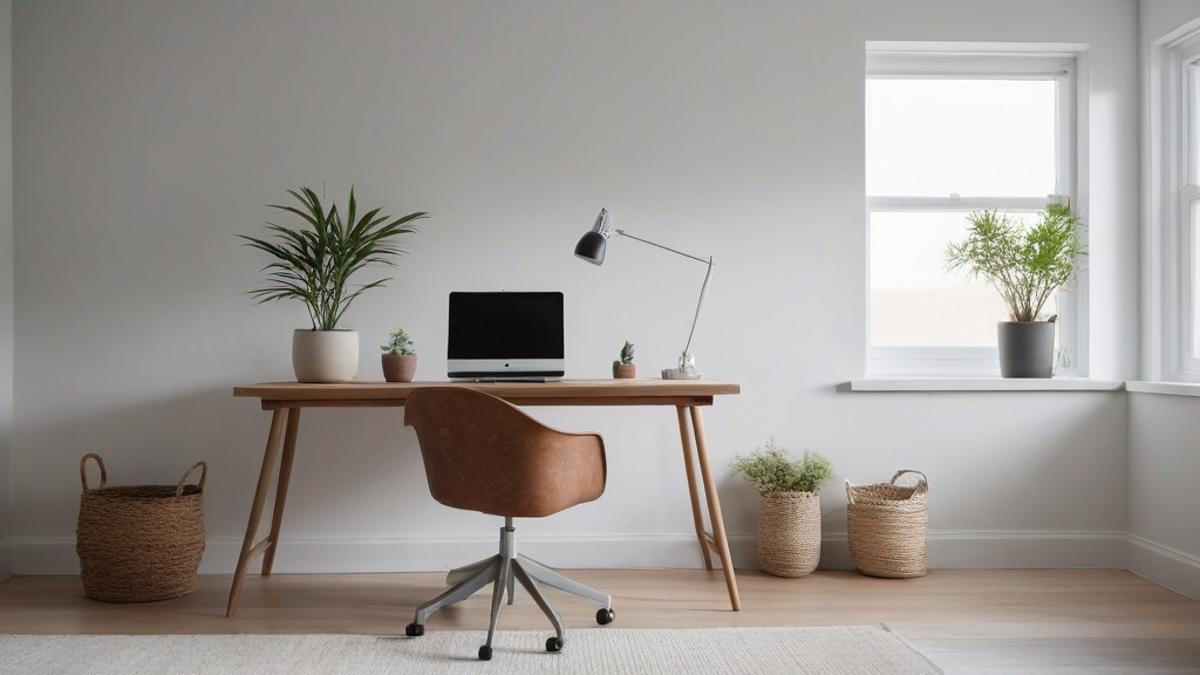
Area rugs serve as an inexpensive yet effective tool for defining separate zones within one continuous space. Placing a rug beneath a desk setup signals a distinct “office zone,” while another rug near the sofa establishes a “living zone.” This visual separation, frequently recommended by interior designers in New York’s micro-unit developments, helps the brain perceive organized sections rather than one overwhelming space.
Room dividers, whether freestanding screens or hanging curtains, offer another layer of separation. Unlike permanent walls, these options remain flexible, allowing residents to reconfigure their layout as needs evolve, an essential quality when maximizing space in tiny homes where flexibility often matters more than permanence.
Lighting also plays a surprisingly significant role in zoning. Task lighting near a reading nook or work desk, paired with ambient lighting elsewhere, subtly reinforces the boundaries between activities without requiring any structural changes to the apartment itself.
CHECK OUT: Transforming Underutilized Areas: Space Optimization Ideas for Minimalist Storage Solutions
Bringing It All Together: A Smarter Approach to Small Space Living
From coast to coast, apartment dwellers in cities like Chicago, San Francisco, and Boston are discovering that square footage matters less than strategy. Effective small living spaces organization isn’t about owning fewer things for the sake of minimalism alone; it’s about creating a home that functions efficiently for the way people actually live.
The journey outlined throughout this piece, from disciplined decluttering to intentional zoning, illustrates a broader truth: successful minimalist organization tips rely on layered thinking rather than a single fix. Sorting through the four-box method addresses what stays and what goes, while digital decluttering tackles the paper clutter many residents overlook entirely.
Understanding how to organize small spaces also means recognizing that visual boundaries matter as much as physical ones. Rugs, dividers, and lighting choices transform undefined rooms into purposeful zones without a single wall being moved.
Where to Go From Here
Readers looking to implement these ideas should start small. Choose one drawer, one closet, or one corner and apply the one-year rule before expanding further.
- Track progress using before-and-after photos to stay motivated.
- Revisit belongings every season, not just once annually.
- Experiment with small space storage solutions like vertical shelving or under-bed containers.
Ultimately, decluttering small apartments and maximizing space in tiny homes isn’t a one-time project but an ongoing relationship with one’s belongings. As micro-living continues gaining popularity across urban America, those who master these principles early will likely find themselves with calmer, more functional homes, regardless of how many square feet they actually occupy.
Frequently Asked Questions
What are the best furniture choices for optimizing small living spaces?
Look for multi-functional furniture, such as sofas that convert into beds or ottomans with storage. Consider pieces that are appropriately scaled for your room size and avoid bulky designs. Choosing furniture with legs can also create an illusion of more space.
How can I effectively use vertical space in small living spaces?
Utilizing vertical space is key in small living spaces organization. Install shelves high on the walls for books and decorative items, or use wall-mounted storage units. Hanging hooks or pegboards can also keep items accessible without taking up floor space.
What are some techniques for decluttering a small living area?
Start by sorting items into categories: keep, donate, and discard. Use the ‘one in, one out’ rule, which helps maintain balance by ensuring that every new item brings in must replace an existing one. Regularly revisiting your belongings will help keep clutter under control.
How can I create designated zones in a small living space?
To create designated zones, use rugs to define different areas, such as a living area and a workspace. Furniture arrangement can also help; for example, position a couch to face an entertainment unit or a desk to segregate tasks. Incorporating screens or open shelving can add privacy to specific zones without closing off the space.

Beatriz
Beatriz Johnson is a seasoned minimalist and writer with a passion for simplifying the complexities of personal organization and intentional living. With over a decade of experience in decluttering strategies and mindful consumption, she specializes in topics like space optimization, habit simplification, and sustainable lifestyle choices. Through her work on our website, Beatriz empowers readers to embrace minimalism, reduce mental and physical clutter, and create more meaningful, organized lives in today's fast-paced world.