Creating Comfort Zones: The Importance of Minimalism in Organizing Multifunctional Environments
The Growing Trend of Compact Living Spaces
With the average size of new apartments dwindling to under 900 square feet in major metropolitan areas, Americans are adapting their lifestyles to fit these compact living conditions. While the physical space may be shrinking, the demand for functional, calming, and aesthetically pleasing environments remains as high as ever.
This dynamic sheds light on the Importance of Minimalism. Rather than simply advocating for less clutter, minimalism focuses on creating versatile spaces that cater to the varied needs of modern life. It emphasizes design efficiency that enhances comfort while making the most of limited square footage.
The Rise of Multifunctional Living
As urbanization continues to influence living arrangements, the concept of multifunctional environments emerges as a key solution. For homeowners and renters alike, spaces that serve multiple purposes have become not just common, but essential. In bustling cities like New York, San Francisco, and Chicago, rooms often double as home offices, guest bedrooms, and fitness areas.
Take, for example, a studio apartment where one room must wear many hats. It could:
- Function as a productive workspace during daylight hours, with a desk that folds away when not in use
- Transform seamlessly into a cozy relaxation area in the evening, featuring a convertible sofa that invites comfort
- Accommodate visitors with ease, utilizing a Murphy bed that cleverly tucks away when not needed
- Incorporate smart storage solutions, such as under-bed drawers and shelving units, to keep essentials discreetly stowed
Where Minimalism in Organizing Comes In
Minimalism in organizing becomes the backbone of this adaptable lifestyle. By employing meticulous decluttering strategies, individuals can minimize visual chaos, allowing spaces to transition seamlessly without overwhelming the senses. Living with less clutter not only enhances aesthetic appeal but also contributes to mental clarity and emotional well-being.
Establishing comfort zones does not equate to stark environments characterized by bare walls or empty shelves. Instead, it hinges on making intentional design choices that reflect how occupants genuinely live, work, and unwind. This approach fosters a tranquil atmosphere where the limitations of physical space do not hinder comfort or functionality.
The upcoming sections will delve into minimalist design principles and relaxing space concepts that enable multifunctional rooms to feel effortless and free from overcrowding, empowering individuals to lead harmonious lives.
SEE ALSO: Maximizing Small Spaces: Minimalist Organization Strategies for Urban Apartments
Core Principles Behind Minimalist Design Ideas
Understanding the Importance of Minimalism starts with recognizing that it is a system, not just a style. Design experts across the country, from Seattle lofts to Miami condos, are embracing intentional frameworks that prioritize function without sacrificing warmth. This shift is not about owning fewer things for the sake of aesthetics; it’s about curating environments that actively support daily routines.
Research from the National Association of Home Builders indicates that storage flexibility ranks among the top three priorities for buyers seeking smaller homes. This data point underscores a broader cultural shift: Americans want spaces that adapt to them, not the other way around.
Key Elements of Effective Minimalist Layouts
When designing multifunctional environments, certain elements consistently prove successful. These components form the foundation of any well-executed minimalist layout:
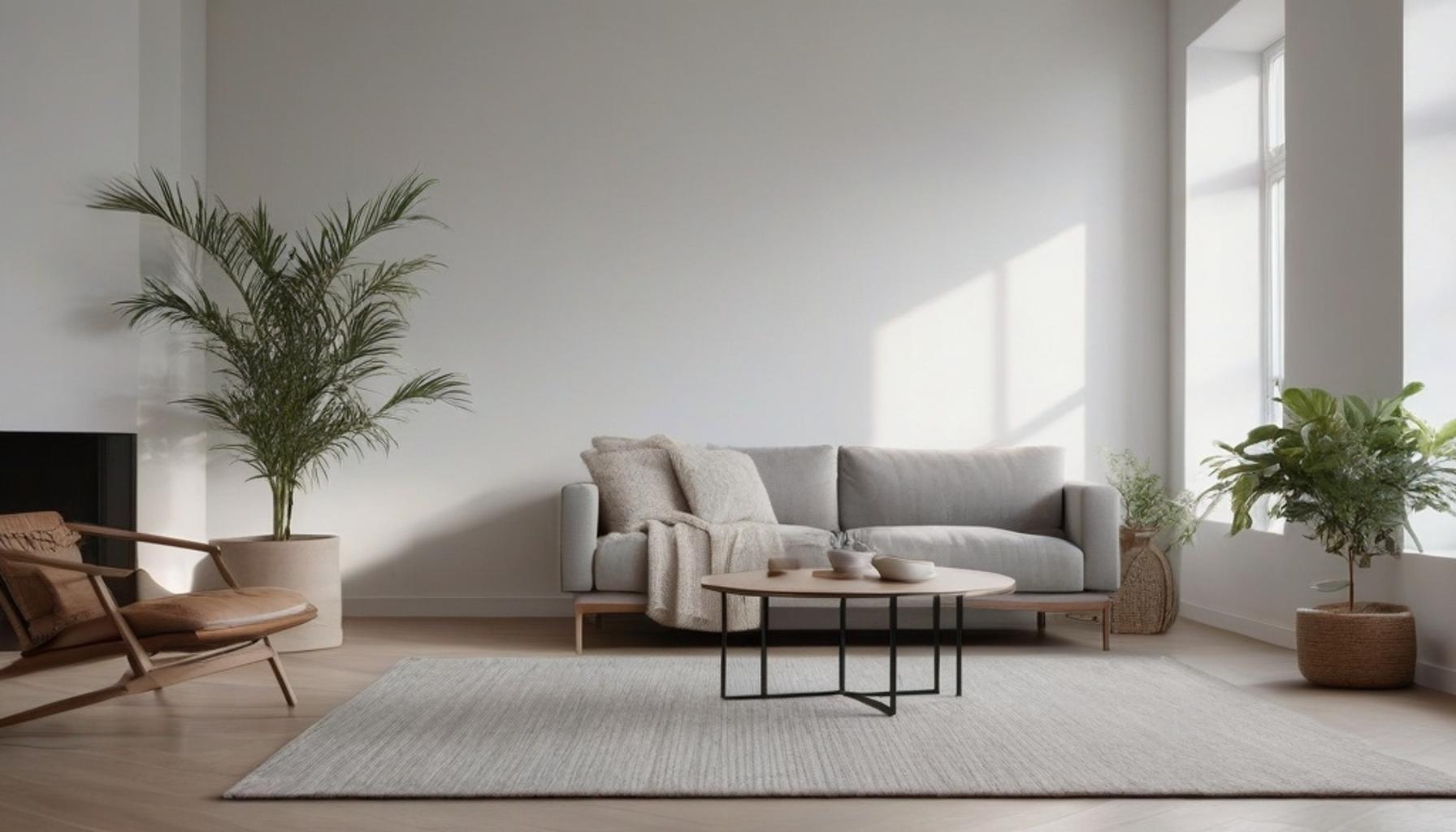
- Neutral color palettes that create visual continuity across different zones within a single room
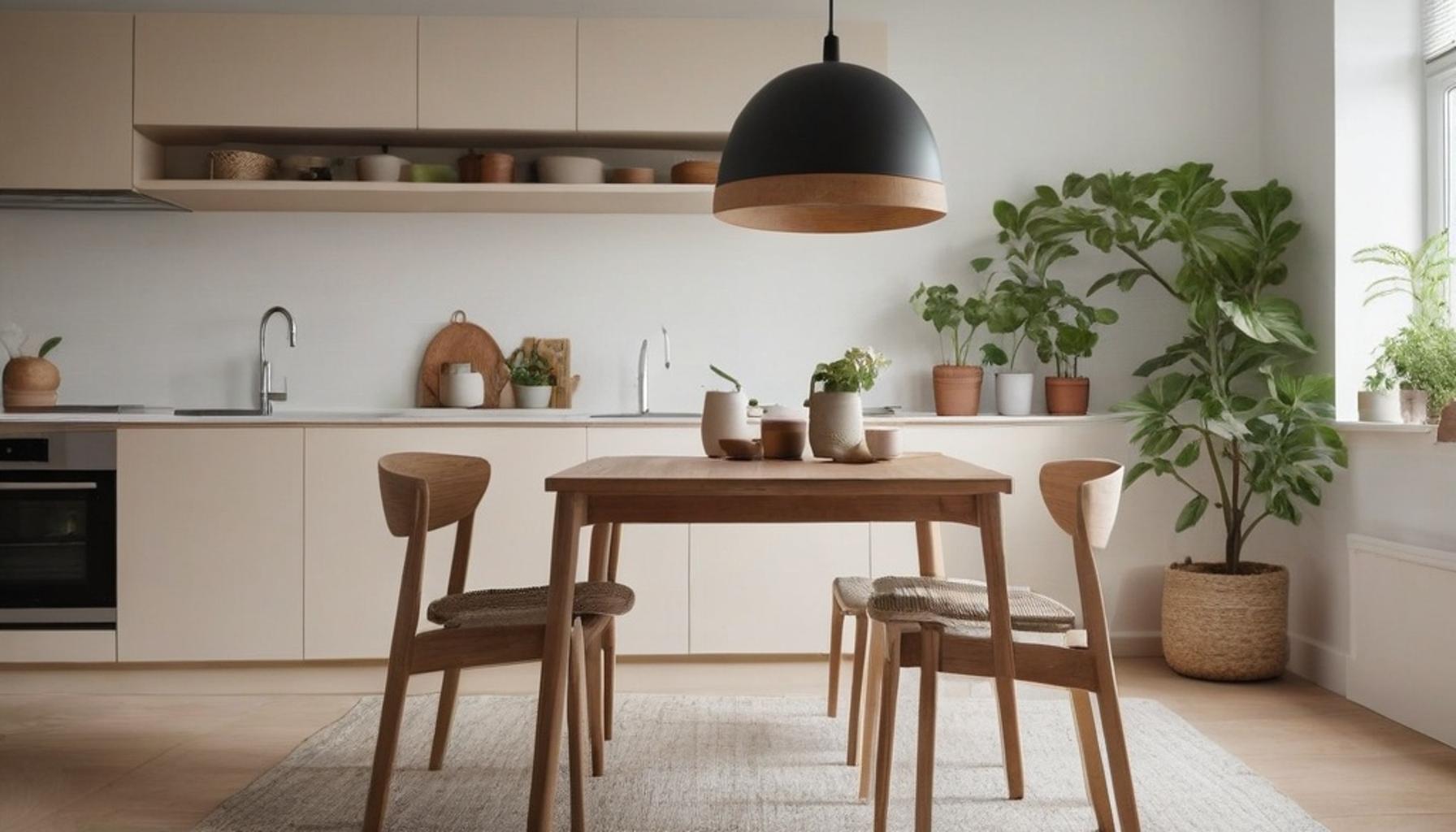
- Multi-purpose furniture pieces, such as ottomans with hidden storage or extendable dining tables
- Vertical storage solutions that draw the eye upward, making ceilings feel higher and floors feel less crowded
- Strategic lighting that shifts a space’s mood, transitioning from bright task lighting to soft ambient glow
- Clear pathways that maintain flow, ensuring furniture placement never obstructs natural movement
Each of these elements contributes to a sense of order that feels intentional rather than restrictive.
Decluttering Strategies That Actually Work
Effective decluttering strategies go beyond simply discarding possessions. Professional organizers often recommend the “one-touch rule,” where an item is put back in its designated spot immediately after use, preventing the slow accumulation of visual noise.
Another practical method gaining traction is the 90/90 rule: if an item hasn’t been used in the past 90 days and won’t likely be used in the next 90, it’s time to reconsider its place in the home. This approach has been particularly popular among renters in tight urban markets like Boston and Washington, D.C., where every square foot carries a premium.
Ultimately, minimalism in organizing isn’t about deprivation. It’s about assigning purpose to every object and surface, ensuring that what remains genuinely serves the household’s evolving needs.
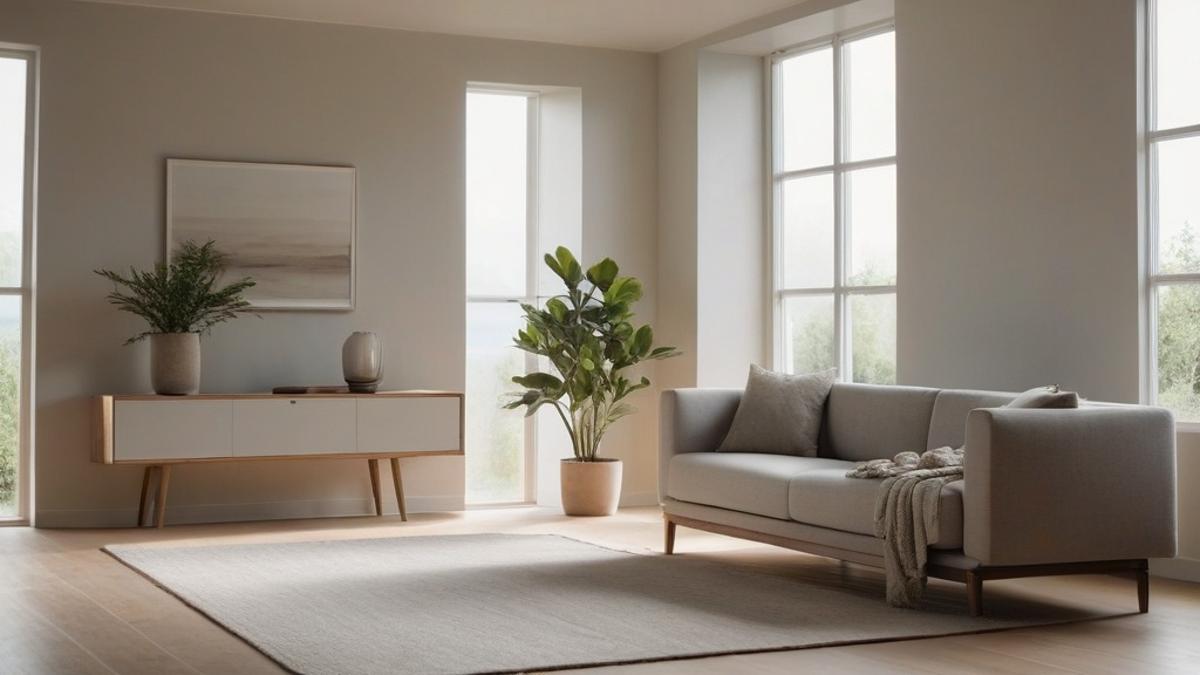
| Key Aspects | Details |
|---|---|
| Clutter-Free Spaces | Eliminating unnecessary items aids focus and creates a sense of calm. |
| Adaptable Layouts | Flexible furniture arrangements support various activities within one area. |
| Natural Elements | Incorporating plants promotes relaxation and enhances air quality. |
| Color Psychology | Using calming colors can influence mood and productivity positively. |
RECOMMENDED: Creating Functional Environments: The Importance of Minimalist Organization in Shared Spaces
Designing Spaces for Relaxation Within Shared Rooms
As American households continue to shrink in average square footage, particularly in cities like San Francisco and New York, the demand for spaces for relaxation nested within multifunctional rooms has grown significantly. A home office by day can transform into a reading nook by evening, provided the underlying design supports that flexibility.
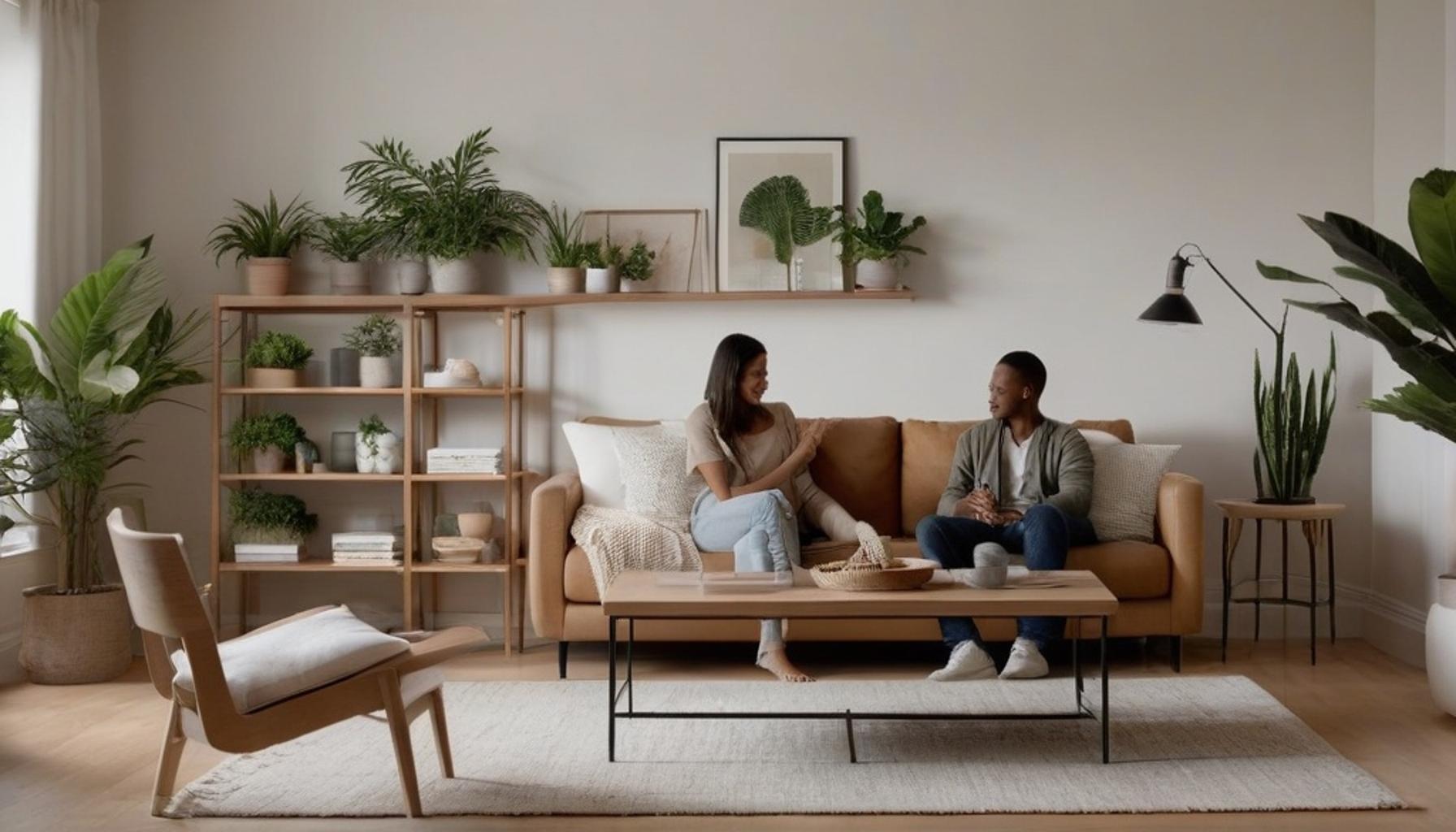
The concept of “zoning without walls” has become central to this transformation. Rather than relying on physical partitions, designers use area rugs, lighting shifts, and furniture orientation to signal a change in purpose. This technique allows a single living room to function as a workspace, a gathering area, and a quiet retreat, all without structural renovation.
Practical Techniques for Zone Separation
Creating distinct atmospheres within one continuous space requires deliberate choices. The following techniques have gained popularity among interior designers focused on creating comfort zones:
- Floating furniture arrangements that angle seating away from workstations, signaling a psychological break from productivity
- Textured throw blankets and floor cushions that soften a room’s edges, inviting relaxation without permanent commitment
- Dimmable lighting fixtures on separate switches, allowing one corner to stay bright for tasks while another dims for unwinding
- Portable screens or bookshelves that can be repositioned depending on the day’s needs
- Sound-dampening elements, such as woven wall hangings, that reduce noise bleed between activity zones
These small adjustments carry outsized impact, particularly in apartments under 700 square feet, where the same twelve feet of floor space might serve three or four distinct purposes throughout a single day.
The Psychological Payoff of Reduced Visual Clutter
A 2011 study from Princeton University’s Neuroscience Institute found that cluttered environments compete for attention, reducing the brain’s ability to focus and process information efficiently. This finding has fueled renewed interest in minimalist design ideas as a mental health strategy rather than a purely aesthetic preference.
Therapists in wellness-focused markets like Austin and Denver increasingly recommend simplified home environments to clients managing anxiety or burnout. The reasoning is straightforward: fewer visual distractions translate to lower cognitive load, which in turn supports better sleep and sharper daytime focus.
This growing body of evidence reinforces why the Importance of Minimalism extends far beyond home decor trends. It taps into how the nervous system responds to physical surroundings, making thoughtful organization a tool for genuine well-being rather than mere visual appeal.
Rethinking Home as a Living System
The evidence gathered throughout this discussion points to a single conclusion: American homes are no longer static backdrops but living systems that must adapt hour by hour. From compact San Francisco studios to Denver apartments doubling as offices, the Importance of Minimalism lies in its ability to make that adaptability possible without chaos.
Multifunctional environments succeed when clutter is treated as a design problem rather than an inevitability. Decluttering strategies paired with intentional zoning transform a single room into several functional spaces, each capable of supporting focus, connection, or rest depending on the moment.
What This Means for Everyday Living
Creating comfort zones is not about owning less for its own sake. It is about curating surroundings so that every object and surface serves a clear purpose. This shift in mindset benefits renters in micro-apartments just as much as homeowners managing sprawling open floor plans.
- Fewer visual distractions support better sleep and sharper concentration
- Flexible zoning eliminates the need for costly renovations
- Simplified spaces adapt more easily to changing life circumstances, from remote work to growing families
Looking Ahead
As square footage continues shrinking in major metros, minimalism in organizing daily environments will likely shift from lifestyle trend to practical necessity. Designers, therapists, and homeowners alike are converging on the same insight: a well-organized space is not simply pleasant to look at, it is a foundation for mental clarity.
Readers curious about applying these principles might start small, clearing a single surface or introducing one adaptable lighting solution before expanding further. The path toward genuine comfort begins with subtraction, not addition, and the data suggests that this approach pays dividends far beyond aesthetics.
Frequently Asked Questions
How does minimalism contribute to creating multifunctional environments?
Minimalism promotes the use of only essential items, which helps streamline spaces and encourages versatile usage. By reducing clutter, you can combine different functionalities in one area, making it easier to adapt to various activities without feeling overwhelmed.
Can minimalism help with mental well-being in a multifunctional space?
Yes, minimalism can significantly enhance mental well-being by reducing stress and anxiety associated with clutter. A clean, organized environment fosters a sense of calm and allows individuals to focus better on their tasks, whether it’s working, relaxing, or socializing.
What are some practical tips for implementing minimalism in small multifunctional rooms?
Start by assessing your items and keeping only what you truly need or love, which minimizes clutter. Use multifunctional furniture, like a storage ottoman or a foldable desk, to maximize space without sacrificing functionality.
How can the importance of minimalism be reflected in home décor?
Incorporating minimalism into home décor involves selecting a few key pieces that speak to your personal style while maintaining simplicity. Opt for neutral colors, clean lines, and ample negative space to create a visually calming atmosphere that enhances the multifunctionality of the space.
What role does organization play in the effectiveness of minimalism within multifunctional spaces?
Effective organization is crucial for minimalism to work in multifunctional spaces, as it ensures everything has a designated place. This organization prevents the accumulation of items, making it easier to transition between functions like work and leisure without the chaos.
Are there any specific organizational methods recommended for embracing minimalism?
Yes, methods like the KonMari method or the 80/20 rule can be particularly effective. The KonMari method encourages you to keep only items that ‘spark joy,’ while the 80/20 rule suggests that you likely use only 20% of your belongings 80% of the time, helping you focus on essentials.

Linda Carter
Linda Carter is a writer specializing in minimalism and personal organization. With extensive experience helping readers create more functional and balanced routines, she shares practical advice on decluttering, organizing spaces, simplifying daily tasks, and making more intentional choices. Her goal is to offer clear guidance and accessible strategies that help people reduce excess, improve their surroundings, and enjoy a calmer, more organized lifestyle.