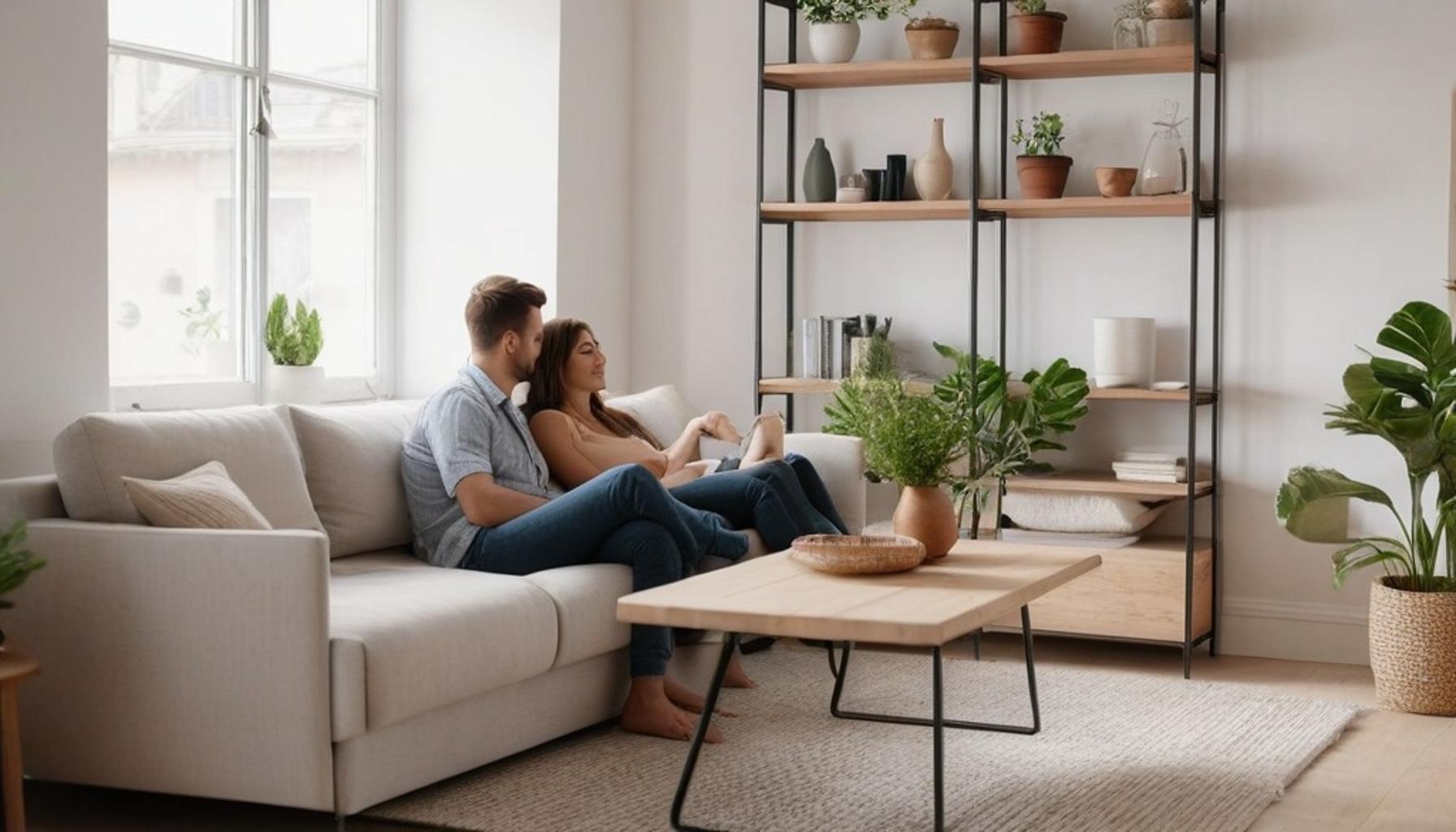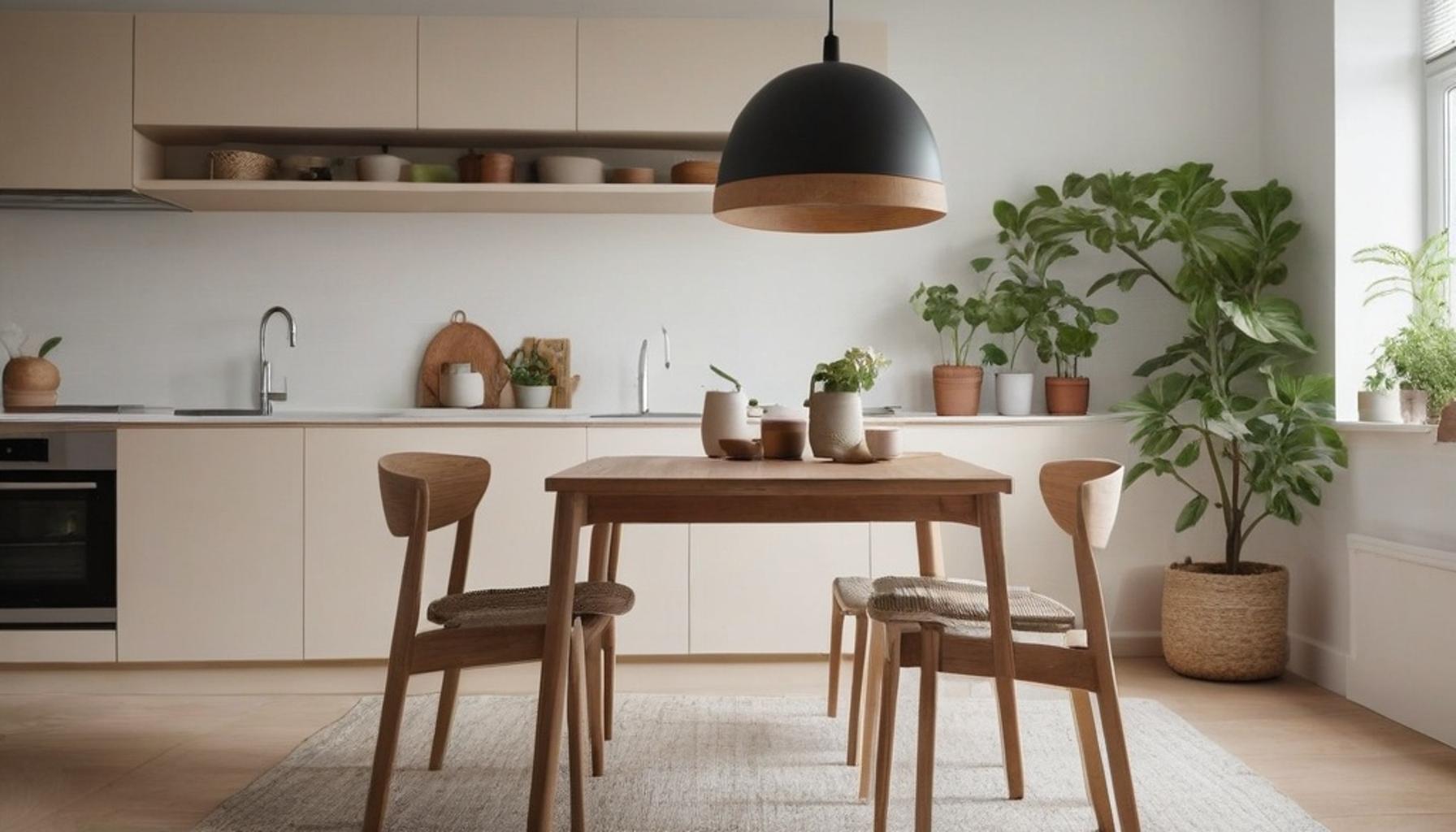
Maximizing Small Spaces: Minimalist Organization Strategies for Compact Apartments
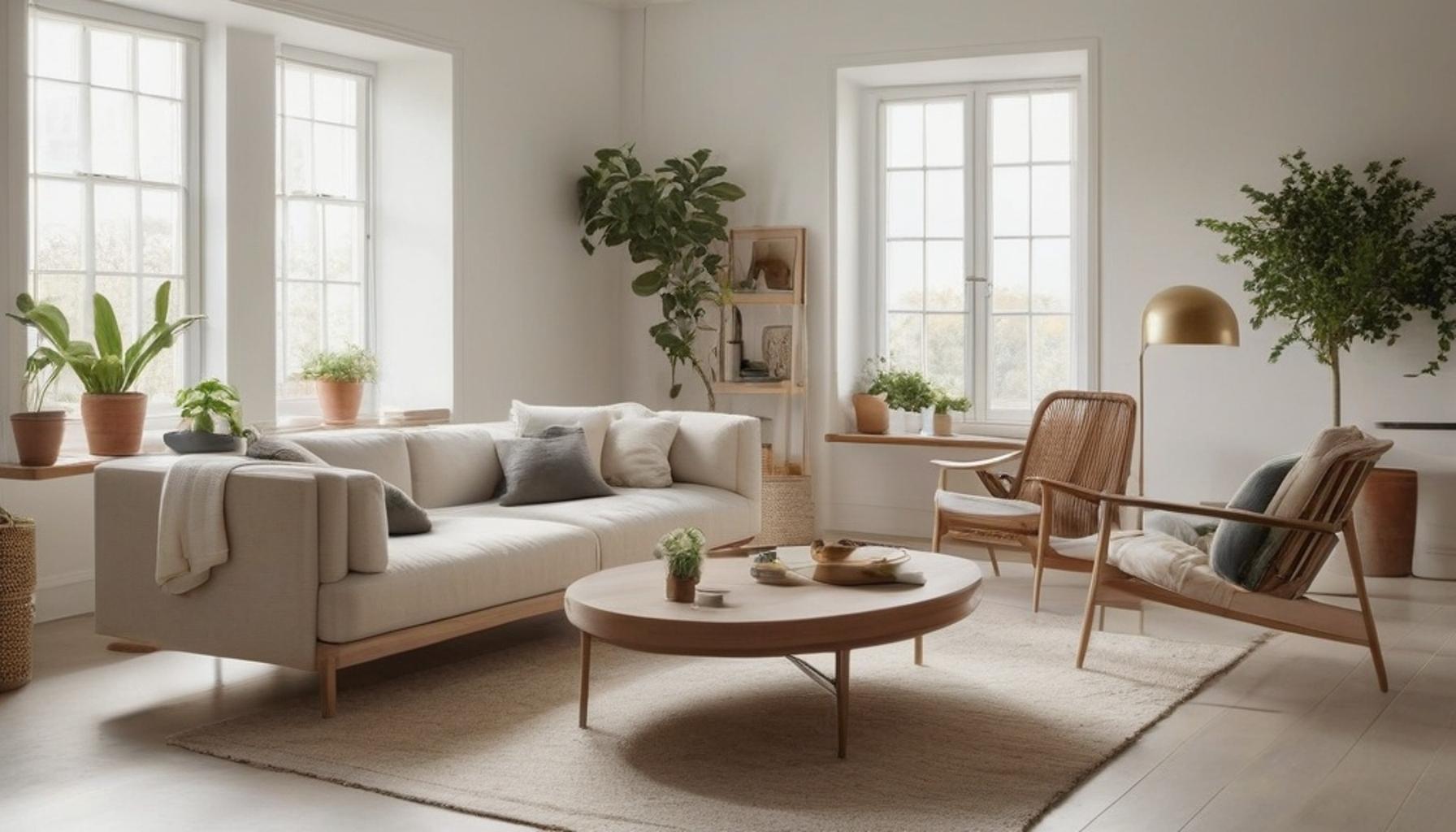
Small Footprint, Big Potential
Across cities like New York, San Francisco, and Chicago, the average apartment size has shrunk to under 750 square feet, according to recent housing data. Yet millions of Americans are proving that square footage doesn’t determine quality of life. The secret lies in smart, intentional design choices that maximize utility while maintaining aesthetics.
One of the pivotal elements in this transformation is the adoption of minimalist organization strategies—a philosophy that is reshaping how renters and homeowners approach compact living. Minimalism is not merely an ethos of owning less; it emphasizes creating systems that optimize every square inch of living space, ultimately leading to improved mental clarity and overall well-being.
Why This Matters Now
As urban rents continue to rise dramatically while living spaces shrink, residents face the pressing need for practical small space organization tips that yield real, tangible results, rather than just the visually appealing displays often glorified on social media platforms like Pinterest. The challenge of living comfortably in tight quarters can be daunting, but with the right strategies in hand, it becomes achievable.
This guide lays out effective approaches to small space living, detailing methods that cater specifically to limited environments. Here are some essential tactics:
- Compact apartment storage solutions involve utilizing vertical space effectively. Consider wall-mounted shelves or cabinetry that extends to the ceiling to keep items off the floor and create an illusion of height.
- Space-saving furniture includes items designed for dual purposes, such as a sofa bed or a coffee table that transforms into a dining table. Many modern designs focus on reconfiguration, allowing spaces to serve multiple functions seamlessly.
- Practical organization hacks for small apartments can be as simple as using under-bed bins for seasonal clothing or over-the-door hooks for accessories, which require minimal investment yet significantly enhance organization.
- Core minimalist living ideas advocate for reducing clutter by maintaining only essential items, leading to a more open and inviting space without compromising comfort or personal style.
What follows is a roadmap for transforming cramped quarters into functional, breathable homes. Whether you’re residing in a 400-square-foot studio in the heart of Manhattan or a cozy one-bedroom in a Chicago suburb, these strategies apply directly to your living space, equipping you with the tools to create a home that reflects both style and practicality.
By employing these strategies, residents are gaining more than just organized spaces. They gain the mental peace that comes from knowing their home is a sanctuary that works for them, respecting both their lifestyle and their budget. With urban landscapes continuing to evolve, embracing the art of living large in small spaces never seemed more essential.
LEARN MORE: Minimalism in Practice: Space Optimization Techniques for Home Offices
When it comes to optimizing limited living spaces, residents of compact apartments are presented with a unique challenge. Often, the key to maximizing both storage and comfort lies in rethinking how we use vertical space. This approach encourages a comprehensive understanding of our environments, prompting a shift from conventional storage strategies to innovative solutions that make full use of the three-dimensional aspect of our homes.The significant underutilization of vertical space in apartments often translates to a staggering loss of storage potential. In many cases, upwards of 30-40% of valuable storage space remains ignored simply because it exists above eye level. For instance, that neglected expanse between the top of kitchen cabinets and the ceiling can be transformed into an attractive and functional storage area. Utilizing baskets for seasonal decorations or decorative boxes can not only enhance the decor but also serve a clear purpose, effectively mitigating clutter in more frequently used areas.
Building Your Vertical Storage System
Implementing effective compact apartment storage solutions is akin to artful architecture—both demand strategic planning and innovative thinking. Here are several practical approaches that elevate wall space into active components of home organization:
- Floating shelves hold an undisputed reign in tiny homes. Installed in kitchens, they are perfect for elevating spice collections out of the way yet within easy reach, while in bathrooms they can function for towel storage. This method frees up precious counter space, making areas feel less congested.
- Pegboards have transitioned from workshop staples to multifunctional features in modern kitchens. By allowing homeowners to hang pots, utensils, and tools, pegboards not only maintain visibility but enhance accessibility. This design choice effectively contributes to a sense of order and efficiency in culinary spaces.
- Ceiling-mounted racks offer a clever way to utilize otherwise wasted overhead space. Found in entryways or closets, such racks can accommodate items like luggage or bulky winter coats, ensuring these less frequently accessed items do not infringe on limited floor space.
- Tension rods provide a quick solution to maintain organization in tight spots. Strategically placing these under sinks or within closet spaces can yield instant additional shelving, effectively housing cleaning supplies or neatly folded linens.
In urban environments like New York City, residents have turned to these vertical methods out of sheer necessity. Take the East Village, for instance—where studio apartments often struggle with less than 500 square feet of living space. Here, wall-mounted systems transition from a design preference into crucial survival strategies. Maximizing vertical storage has become both a trend and an essential aspect of life.
The Psychology Behind Going Vertical
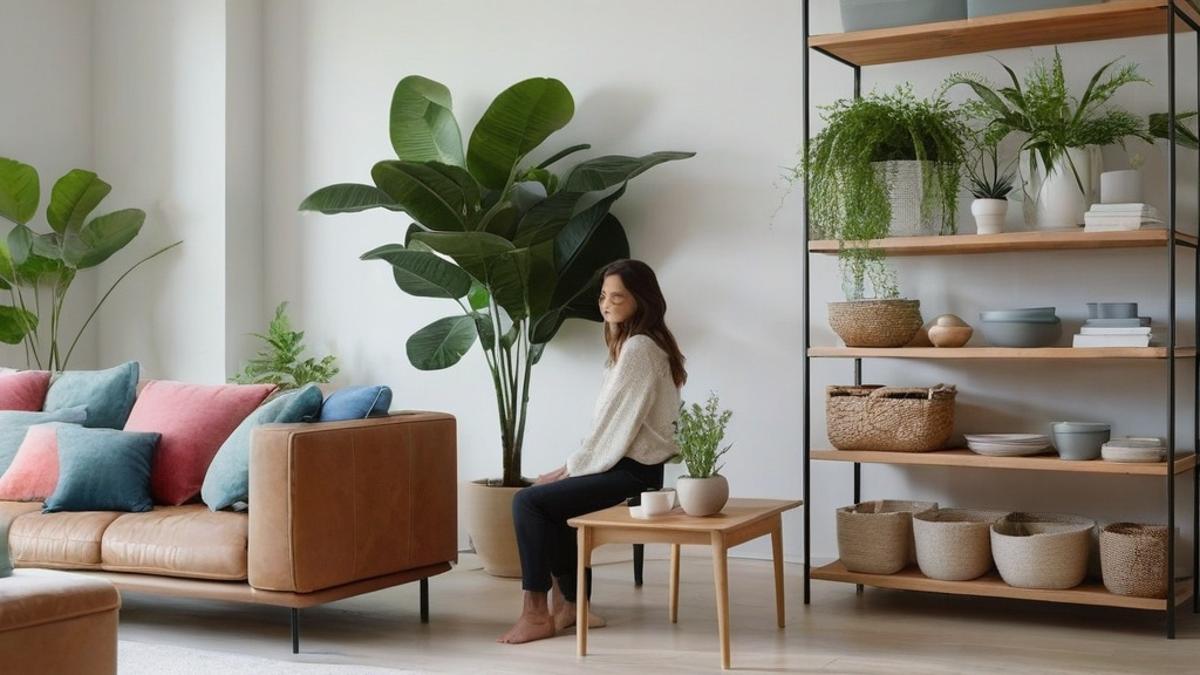
The rationale for vertical organization transcends mere practicality and dives into the realm of psychology. Environmental psychologists have established that employing vertical storage techniques fosters a sense of “visual breathing room.” Keeping floor space uncluttered allows our brains to perceive our living environments as more expansive, which can dramatically enhance the sense of comfort in our homes.As minimalism gains traction across American cities, the embrace of this principle is evident. Creating an environment where mental clarity thrives—not stifled by clutter—becomes the goal. Many individuals discover that effective organization techniques contribute to improved mental well-being by enhancing focus and reducing stress during activities at home.The result is a well-organized home that doesn’t compromise on comfort and functionality. By leveraging vertical space effectively, residents can champion both serenity and style in their living quarters—a balance that profoundly enriches their everyday lives. Adopting these strategies can lead to a supportive environment that caters not only to physical storage needs but also nurtures mental wellness, an essential aspect of modern living.
YOU MAY ALSO LIKE: Simplifying the Excessive: How Minimalism Can Help Optimize Workspaces
Multi-Functional Furniture: The Backbone of Smart Living
While vertical storage tackles the walls and ceiling, the floor plan itself demands equally strategic thinking. This is where space-saving furniture transforms from a nice-to-have into a foundational element of effective minimalist organization strategies. Furniture that serves multiple purposes eliminates the need for redundant pieces, which is often the hidden culprit behind cramped apartment layouts.
Consider the ottoman with hidden storage—a deceptively simple piece that functions as a coffee table, an extra seat, and a container for blankets or magazines all at once. Similarly, Murphy beds have experienced a renaissance in cities like San Francisco and Boston, where one-bedroom apartments can rent for upwards of $2,800 monthly despite offering barely 600 square feet. Folding a bed into the wall during daytime hours can instantly convert a bedroom into a home office or workout space.
Furniture Choices That Multiply Your Square Footage
Selecting the right pieces requires evaluating not just aesthetics but functional versatility. The following options consistently rank among the most effective organization hacks for small apartments:
- Nesting tables allow homeowners to expand surface area only when needed, then collapse the set back into a single, unobtrusive unit.
- Storage beds with built-in drawers beneath the mattress frame can replace an entire dresser, freeing up several square feet of floor space in bedrooms.
- Extendable dining tables accommodate guests during gatherings yet shrink down for everyday use, particularly valuable in studio apartments where dining areas often double as workspaces.
- Modular sofas with reconfigurable sections adapt to changing needs, whether hosting movie nights or creating a reading nook for one.
Data from the National Association of Home Builders indicates that the average American apartment size has shrunk by nearly 5% over the past decade, even as rental prices climb. This trend has pushed manufacturers to innovate, with companies like Resource Furniture specializing exclusively in transformable pieces designed for micro-units in cities such as Chicago and Seattle.
Zoning Without Walls: Defining Purpose in Open Layouts
Beyond furniture selection, one of the most underrated small space organization tips involves creating distinct zones within a single room. Studio dwellers often struggle with the psychological blur between sleeping, working, and relaxing areas when everything exists in one open space.
Area rugs serve as visual boundaries, signaling where a living zone ends and a workspace begins without the commitment of permanent walls. Lighting plays a similar role—a floor lamp positioned near a desk creates a distinct “office corner” feel, while dimmer overhead lighting elsewhere signals relaxation zones.
Bookshelves positioned perpendicular to walls, rather than flush against them, can double as room dividers while still providing storage. This technique has gained popularity among minimalist living ideas circles, particularly in cities like Austin, where converted lofts frequently lack interior walls altogether.
Bringing It All Together: Small Living, Big Possibilities
Transforming a compact apartment into a functional, breathable home rarely hinges on a single fix. Instead, it emerges from layering vertical storage, multi-functional furniture, and thoughtful zoning into a cohesive system tailored to daily habits and routines.
The most successful minimalist organization strategies share one trait: they treat every square foot as an opportunity rather than a limitation. A Murphy bed in Boston, a nesting table set in a Chicago micro-unit, or a perpendicular bookshelf in an Austin loft all represent the same underlying philosophy—furniture and layout should adapt to people, not the other way around.
As urban rents continue climbing while average unit sizes shrink, these compact apartment storage solutions are becoming less of a design trend and more of a practical necessity. The National Association of Home Builders’ data on shrinking floor plans suggests this shift is far from temporary, making adaptable systems worth the initial investment.
For renters and homeowners alike, the takeaway extends beyond specific products or purchases. It’s about developing an eye for hidden potential: the wall that could hold shelving, the ottoman that could hide clutter, the rug that could define a room without a single nail.
Those searching for reliable small space organization tips should start small—perhaps with one multi-functional piece or a single zoning technique—before expanding into a full-room overhaul. Incremental changes tend to stick better than overwhelming transformations attempted all at once.
Ultimately, mastering organization hacks for small apartments comes down to intention. Every item earns its place, every zone serves a purpose, and every inch contributes to a home that feels larger than its square footage suggests. For anyone navigating today’s tightening urban housing market, that mindset may prove just as valuable as the furniture itself.
Frequently Asked Questions
What are the best minimalist organization strategies for small bedrooms?
In small bedrooms, focus on utilizing vertical space by installing shelves or wall hooks for storage. Consider under-bed storage solutions, such as boxes or drawers, to keep items out of sight and maximize floor space. Additionally, select multifunctional furniture, like a bed with built-in storage or a nightstand that doubles as a small dresser.
How can I apply minimalist organization strategies in my tiny kitchen?
To optimize a tiny kitchen, declutter your countertops by storing appliances in cabinets or using wall-mounted racks for utensils and tools. Use clear containers to neatly store dry goods, and implement pull-out shelves or organizers within cabinets to access items easily. Additionally, consider using a rolling cart for extra workspace and storage that can be moved as needed.
What are some creative storage ideas for a small living room?
In a small living room, consider incorporating furniture with hidden storage, like ottomans or coffee tables with compartments. Utilize vertical shelving to display books and decor without taking up floor space. Additionally, wall-mounted organizers or baskets can keep everyday items organized while maintaining a clean aesthetic.
How can I create a minimalist entryway in a compact apartment?
To create a minimalist entryway in a compact space, choose a wall-mounted coat rack or hooks to minimize floor space usage. Implement a small bench with storage underneath for shoes and bags, ensuring everything has a designated spot. Keeping decorations to a minimum will also maintain a clean look while enhancing functionality.
Which minimalist organization strategies are best for maximizing closet space?
To maximize closet space, use uniform hangers to create a streamlined look and utilize cascading hangers to save vertical space. Invest in clear bins or drawer organizers to categorize items, making it easier to find belongings without taking up much room. Additionally, consider adding shelving above or below hanging clothes to further optimize storage options.

Linda Carter
Linda Carter is a writer specializing in minimalism and personal organization. With extensive experience helping readers create more functional and balanced routines, she shares practical advice on decluttering, organizing spaces, simplifying daily tasks, and making more intentional choices. Her goal is to offer clear guidance and accessible strategies that help people reduce excess, improve their surroundings, and enjoy a calmer, more organized lifestyle.