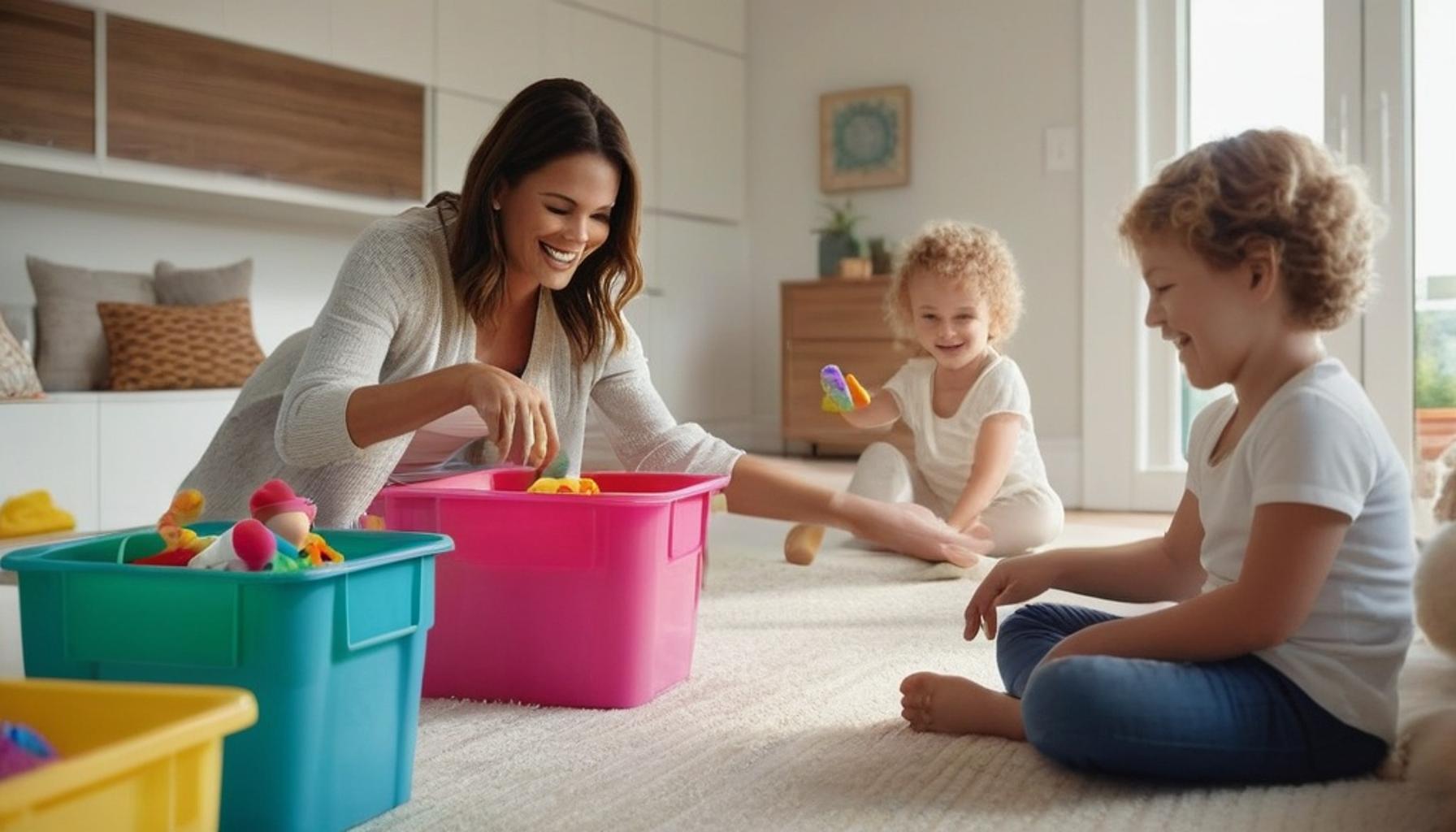
Emotional Decluttering: How to Free Up Mental Space Through Physical Organization
When Physical Clutter Becomes Emotional Baggage
Imagine walking into your home and feeling an overwhelming sense of chaos. That overflowing closet in your Brooklyn apartment or the garage filled to the brim with unused gear in your suburban Ohio residence might do more than just take up physical space; they may also weigh heavily on your emotional well-being. Research increasingly links cluttered environments to elevated stress hormones and anxiety levels, creating a vicious cycle of discomfort and disorganization. Emotional decluttering offers a powerful, science-backed approach that addresses both your physical and emotional health in a sustainable way.
In the United States, Americans spend over $11 billion annually on storage units, often paying to keep items they rarely use. This widespread habit reveals something deeper than just a storage problem—it invites reflection on our emotional attachments to possessions. Why do we hold onto things we don’t need? This phenomenon hints at a complex relationship between material items and our inner lives, urging more self-awareness regarding our habits.
The Hidden Connection Between Stuff and Stress
Clutter isn’t merely visual noise; it carries significant psychological weight that affects daily functioning. A growing body of research outlines the specific ways clutter impacts mental health:
- Cluttered spaces trigger cortisol spikes, according to a UCLA study, leading to increased feelings of stress.
- Visual chaos overloads the brain’s processing capacity, resulting in feelings of being overwhelmed and distracted.
- Unfinished organizing tasks create lingering mental fatigue, as your mind continuously reminds you of pending duties.
- Sentimental items often anchor unresolved emotions, evoking memories that can be painful or complex.
Understanding the profound impact of clutter on mental health is the first step toward reclaiming both your space and your peace of mind.
Why Physical Organization Works
Learning how to declutter emotions begins with examining something surprisingly tangible—your belongings. Each item in your home carries a decision, a memory, or an unfulfilled obligation. For instance, that dress from five years ago might remind you of a different phase of life. Such realizations can lead to meaningful personal insights.
This article delves deeper into the practical connection between mental space organization and physical order. You may discover that the benefits of physical decluttering extend far beyond simply creating a tidy home; they can lead to enhanced focus, creativity, and emotional clarity. A well-organized environment fosters an atmosphere that can lead to improved productivity and reduced stress levels.
Stay tuned for actionable tips for emotional decluttering that can transform something as simple as cleaning out a junk drawer into a path toward genuine mental clarity. Through targeted action, you can liberate yourself from the emotional weight that physical clutter tends to impose.
SEE ALSO: The Art of Letting Go: Effective Strategies to Reduce Clutter at Home
The Psychology Behind Your Piles: What Science Reveals
Step into a UCLA Center on Everyday Lives of Families study, and you’ll find something striking: women who described their homes as cluttered or unfinished showed higher cortisol levels throughout the day compared to those who called their spaces restful. This isn’t just academic trivia from a California lab. It’s a window into why that pile of mail on your kitchen counter in Chicago or the overflowing bins in your Seattle basement might be doing more damage than you realize.
Emotional decluttering starts with recognizing that clutter speaks a language your nervous system understands all too well. When your eyes scan a disorganized room, your brain treats every visible item as an unfinished task requiring attention. Multiply that by the dozens of objects scattered across a typical American living room, and you have a recipe for constant, low-grade mental exhaustion.
How Your Brain Processes Disorder
Princeton University neuroscientists have documented that cluttered environments compete for your attention, literally reducing your ability to focus on tasks at hand. This finding helps explain a common complaint among American professionals working from home: productivity plummets when workspaces become disorganized.
The impact of clutter on mental health manifests in several measurable ways:
- Decision fatigue increases when too many visual choices compete for mental bandwidth, making even simple decisions feel exhausting.
- Sleep quality suffers in bedrooms with visible clutter, according to a National Sleep Foundation poll linking messy spaces to restless nights.
- Relationship tension rises when shared spaces become sources of ongoing disagreement about organization and responsibility.
- Self-perception shifts negatively, with cluttered home dwellers reporting lower life satisfaction scores in multiple psychological surveys.
Consider the average American garage, often marketed as extra storage but frequently transformed into a graveyard of abandoned hobbies and half-finished projects. Each unused kayak or dusty treadmill represents more than wasted space; it embodies a decision deferred, a goal unmet, or an identity we’re reluctant to release.
Learning to Read Your Own Clutter Patterns
Understanding how to declutter emotions requires honest self-observation. Do you avoid certain rooms because they feel overwhelming? Do specific objects trigger guilt, sadness, or anxiety when you encounter them?
These reactions aren’t character flaws. They’re valuable data points revealing where physical and emotional clutter intersect, offering a roadmap for the transformative work ahead.
SEE ALSO: The Psychological Impact of Decluttering: How Reducing Objects Can Improve Your Well-Being
The Hidden Attachments: Why Letting Go Feels So Hard
Walk into any storage unit facility off a highway in Texas or New Jersey, and you’ll find a booming industry built entirely on America’s reluctance to release possessions. The Self Storage Association reports that roughly 1 in 10 American households rents a storage unit, paying an average of $180 monthly to keep items they rarely see, let alone use.
This behavior reveals something deeper than simple hoarding tendencies. Emotional decluttering requires confronting the psychological attachments we form with objects, attachments that often have little to do with practical necessity.
The Three Emotional Categories of Clutter
Therapists specializing in home organization identify distinct emotional triggers behind why Americans struggle to part with belongings:
- Nostalgic clutter includes childhood memorabilia, wedding gifts from failed marriages, or souvenirs from trips that no longer feel relevant to your current identity.
- Aspirational clutter encompasses unread books, unused gym equipment, and craft supplies purchased for a version of yourself that never fully materialized.
- Guilt-based clutter covers inherited furniture, gifts you never liked, or items too expensive to have been “wasted,” even when they serve no current purpose.
Recognizing which category dominates your home offers a practical starting point for tips for emotional decluttering that actually stick.
What Happens When You Finally Let Go
A 2023 survey conducted by the National Association of Productivity and Organizing Professionals found that 78 percent of clients reported measurable stress reduction within two weeks of completing a decluttering project. This statistic points toward genuine physical decluttering benefits that extend beyond cleaner countertops.
Residents of smaller urban apartments, common in cities like Boston or San Francisco, often report a distinct grief when parting with items despite limited square footage demanding it. This paradox highlights why mental space organization isn’t purely logistical; it’s emotional labor disguised as tidying.
One Ohio-based professional organizer described a client who kept eleven boxes of a deceased parent’s paperwork for six years, unable to open them. Once she did, with support, she discovered mostly expired coupons and old bank statements, alongside a handful of genuinely meaningful letters. The relief she felt afterward, she said, outweighed years of anticipated dread.
This story echoes a pattern researchers observe repeatedly: the anticipation of emotional pain during decluttering usually exceeds the actual experience, suggesting that avoidance itself may be the heavier burden.
YOU MAY ALSO LIKE: The Importance of Digital Decluttering: How to Organize Your Devices and Data
Turning Insight Into Action
The evidence from storage units in Texas, therapy sessions in Ohio, and cramped apartments in San Francisco all points to the same conclusion: emotional decluttering is rarely about the objects themselves. It’s about what those objects represent, and what we fear losing when they’re gone.
Understanding the impact of clutter on mental health means recognizing that every overflowing closet or rented storage unit tells a story about unresolved grief, unmet aspirations, or lingering guilt. These stories deserve attention, not just disposal.
Small Steps Toward Lasting Change
Learning how to declutter emotions alongside physical spaces doesn’t require dramatic gestures. It starts with identifying which category of clutter dominates your home, then testing the discomfort of letting go in small, manageable doses.
- Start with one drawer or box rather than an entire room.
- Ask whether an item reflects who you are now, not who you were or hoped to become.
- Give yourself permission to keep a handful of truly meaningful pieces without guilt over the rest.
These tips for emotional decluttering won’t erase every complicated feeling attached to your belongings, but they create momentum. And momentum, as thousands of professional organizers across the country have observed, tends to build on itself once the first box is opened.
The physical decluttering benefits researchers have documented, reduced stress, clearer thinking, even improved sleep, suggest that the work extends far beyond aesthetics. Clearing a shelf might just clear something in your mind too.
Perhaps the real question isn’t whether you’re ready to let go, but how much longer you’re willing to pay, financially and emotionally, to avoid finding out what’s actually in those boxes.
Frequently Asked Questions
What is emotional decluttering and how does it relate to physical organization?
Emotional decluttering involves identifying and processing your emotional attachments to items in your environment. By organizing your physical space, you can alleviate mental clutter, reducing stress and anxiety, allowing for clearer thinking and improved emotional well-being.
Can emotional decluttering actually improve my mental health?
Yes, emotional decluttering can significantly enhance mental health. By removing items that evoke negative emotions or memories, you create a more peaceful environment, which can lead to reduced anxiety, improved mood, and a greater sense of control over your life.
What are some practical steps I can take to start emotional decluttering?
Begin by assessing your belongings and categorizing them into keep, donate, and discard piles. Take your time to reflect on the emotions tied to each item, and consider how keeping or releasing it impacts your mental state. Start small, perhaps with one room or area, to avoid feeling overwhelmed.
How often should I engage in emotional decluttering?
It’s beneficial to engage in emotional decluttering regularly, ideally every few months or at significant life transitions. This practice allows you to consistently assess how your belongings affect your emotional state and to adjust your environment to better support your mental health.
Can emotional decluttering help with decision-making and productivity?
Absolutely! By reducing physical clutter and the emotional weights associated with it, your mind becomes clearer and more focused. This can lead to improved decision-making and increased productivity, as you free up mental space to concentrate on what truly matters.

Beatriz
Beatriz Johnson is a seasoned minimalist and writer with a passion for simplifying the complexities of personal organization and intentional living. With over a decade of experience in decluttering strategies and mindful consumption, she specializes in topics like space optimization, habit simplification, and sustainable lifestyle choices. Through her work on our website, Beatriz empowers readers to embrace minimalism, reduce mental and physical clutter, and create more meaningful, organized lives in today's fast-paced world.