Decluttering Strategies for Parents: Creating an Organized Home with Children
Why Every Family Needs a Decluttering Game Plan
Toys multiply overnight, backpacks pile up by the door, and somehow the kitchen counter becomes a magnet for school papers. If this sounds familiar, you’re not alone—the average American family accumulates over 300,000 items in their home, according to organizational studies. This staggering number can lead to overwhelming chaos, making it difficult to navigate daily life.
For parents juggling work, school schedules, and family life, clutter isn’t just an eyesore. It’s a daily stressor that affects everyone’s mood and productivity. According to a study by the National Sleep Foundation, individuals living in cluttered homes report higher levels of stress and less satisfaction in their lives. Thus, tackling household clutter can significantly improve mental well-being.
What This Guide Covers
This article breaks down practical decluttering strategies for parents that actually work when kids are part of the equation. No unrealistic minimalist fantasies—just real solutions for real families. By embracing practical approaches, family members can engage in creating a harmonious living space, fostering not only organization but also togetherness.
You’ll discover:
- Age-appropriate organizing tips for families with toddlers, school-age kids, and teens, ensuring that everyone can contribute to a tidier home.
- Step-by-step methods for how to declutter with kids involved in the process, making it a fun family activity rather than a chore.
- A printable family decluttering checklist to tackle room by room, providing structure and accountability.
- Time-saving systems that maintain order without constant nagging, allowing families to focus on quality time instead of cleaning up.
Creating an organized home isn’t about achieving Pinterest-perfect spaces. It’s about building simple decluttering strategies that fit into hectic family schedules and actually stick. For instance, teaching children to sort their toys into keep, donate, and trash categories can cultivate a sense of responsibility and empowerment.
Are you ready to reclaim your living room floor and reduce stress? By implementing effective decluttering tactics, families can transform their homes into organized sanctuaries, fostering a healthier and happier lifestyle. Let’s dive into the methods that make lasting change possible, ensuring that everyone plays a role in the organization of the home.
SEE ALSO: The Art of Letting Go: Effective Strategies for Decluttering in Daily Life
Understanding the Root Causes of Family Clutter
Before diving into decluttering strategies for parents, it helps to understand why clutter accumulates so quickly in homes with children. Kids grow out of clothes every few months, hobbies change with the seasons, and well-meaning relatives keep the toy supply flowing year-round.
The problem isn’t a lack of effort. It’s a lack of systems. Most families operate reactively, shoving items into closets during a last-minute cleanup before guests arrive, rather than addressing clutter at its source. This creates a cycle where mess resurfaces within days.
The Psychology Behind Kid-Related Clutter
Children form emotional attachments to objects far more intensely than adults typically realize. A broken plastic toy might represent a birthday gift from grandma, making it emotionally significant despite its physical condition. Understanding this attachment is crucial when developing organizing tips for families that actually work long-term.
Child development experts note that forcing kids to discard belongings without input can create anxiety or resistance. This is precisely why successful how to declutter with kids methods focus on collaboration rather than unilateral decisions made while children are at school.
Common Clutter Hotspots in American Homes
Certain areas consistently become clutter magnets in family households across the country. Recognizing these zones is the first step toward creating lasting change.
- Entryways and mudrooms — backpacks, shoes, sports equipment, and mail pile up within hours of walking through the door.
- Kitchen counters — school papers, permission slips, and artwork accumulate faster than most parents can process them.
- Playrooms and bedrooms — toys multiply through birthdays, holidays, and fast-food kids’ meals, often outpacing storage capacity.
- Bathrooms — expired medications, half-used toiletries, and bath toys create hidden chaos behind cabinet doors.
- The garage — outgrown bikes, sports gear, and seasonal items get shoved aside and forgotten for years.
According to a 2022 survey by the National Association of Productivity and Organizing Professionals, 54% of American households feel overwhelmed by the volume of possessions they own, with families citing children’s belongings as a primary contributor. This statistic underscores why generic decluttering advice often falls short for parents.
Effective creating an organized home initiatives require acknowledging these specific pressure points rather than applying blanket solutions designed for single adults or childless couples. The strategies that follow are built specifically around the realities of family life, school schedules, and the emotional complexities that come with raising kids in a consumer-driven culture.
YOU MAY ALSO LIKE: Emotional Decluttering: How to Free Up Mental Space Through Physical Organization
Practical Systems That Make Decluttering Stick
Once families understand why clutter accumulates, the next step involves building routines that prevent it from returning. Decluttering strategies for parents work best when they’re simple enough to maintain on busy weeknights, not elaborate projects reserved for weekends.
The Four-Box Method Adapted for Families
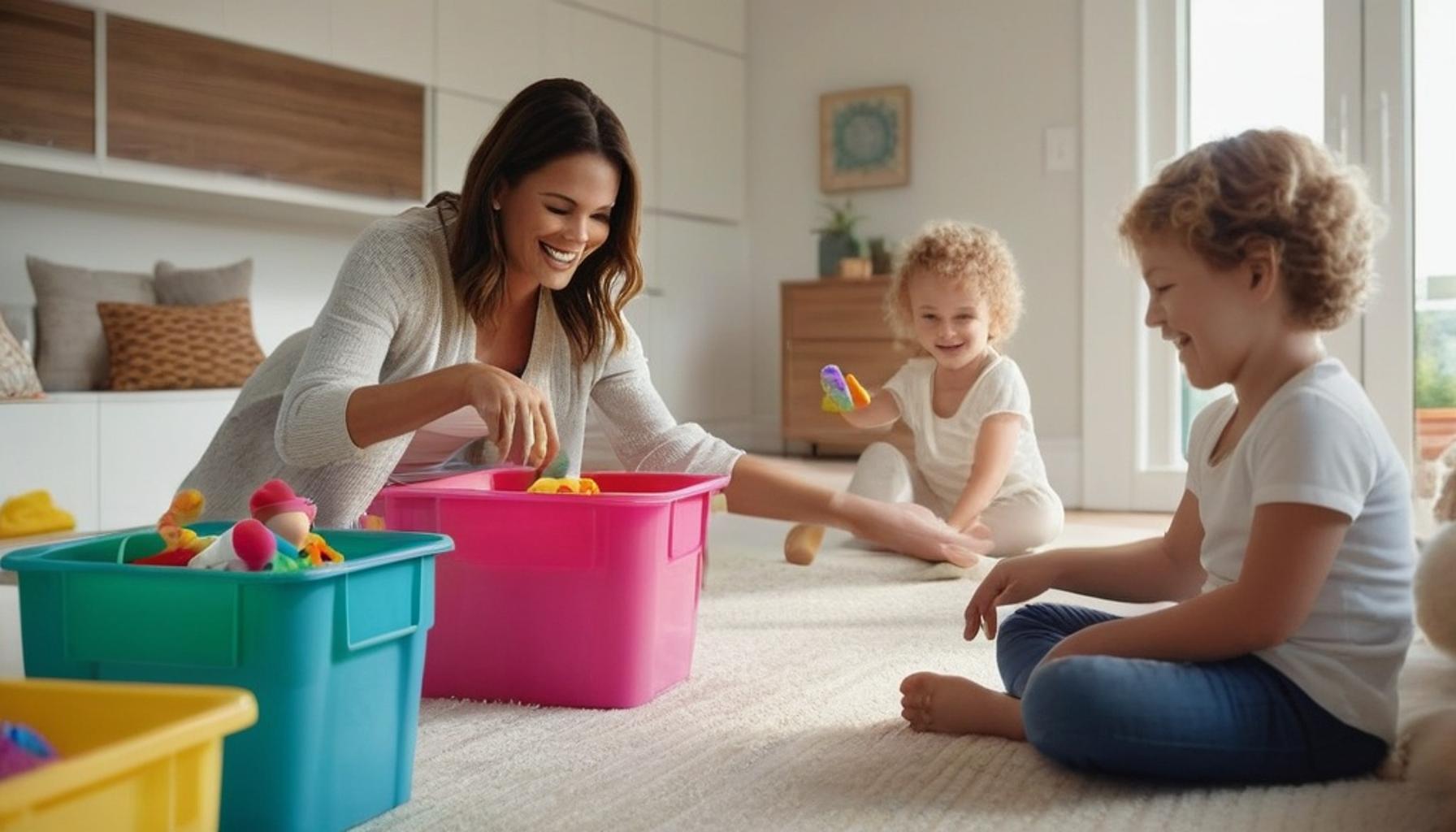
Professional organizers often recommend a variation of the classic four-box method, tailored specifically for households with kids. Label bins as Keep, Donate, Relocate, and Trash, then work through one small zone at a time, such as a single dresser drawer or a shelf in the playroom.
This approach prevents the overwhelm that comes from tackling an entire bedroom at once. Sessions lasting just 15 to 20 minutes tend to hold a child’s attention span far better than hour-long marathons, making this one of the most simple decluttering strategies for families with young children.
Building a Family Decluttering Checklist
A written checklist removes guesswork and turns organizing into a repeatable habit rather than a sporadic emergency response. A practical family decluttering checklist might include the following recurring tasks:
- Sort outgrown clothing every three months, aligning with seasonal changes.
- Review the toy bin before each birthday or major holiday to make room for new items.
- Clear school papers weekly, keeping only artwork or assignments worth preserving.
- Check the entryway daily for shoes, backpacks, and sports gear that need to move to their designated spots.
- Rotate books and puzzles monthly to keep the selection fresh without increasing total volume.
Posting this checklist on the refrigerator or a shared family calendar app, such as Cozi or OurHome, helps every family member stay accountable, including kids old enough to check off their own tasks.
Turning Kids Into Willing Participants
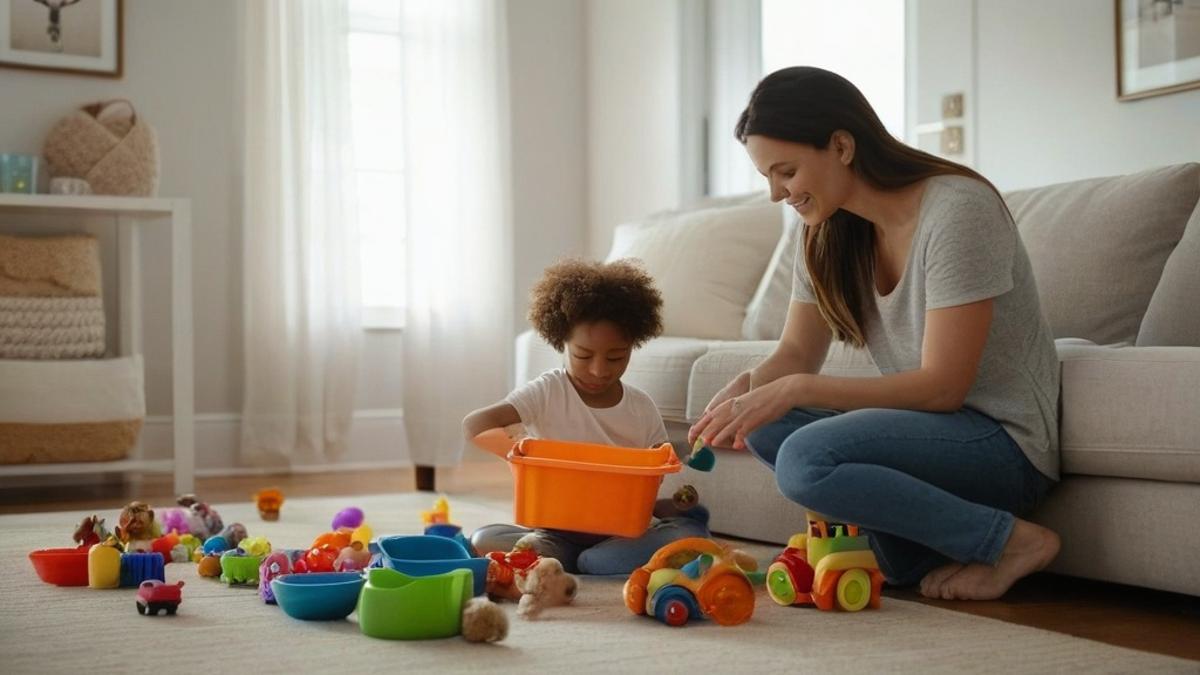
Many parents searching for guidance on how to declutter with kids discover that involvement matters more than instruction. Children who help decide what stays and what goes tend to resist the process far less than those who feel decisions are being made for them.
One approach gaining traction among family coaches involves the “one in, one out” rule: for every new toy or item that enters the home, an older one gets donated. This teaches kids to associate new possessions with the responsibility of letting go of something else, a lesson that carries into adulthood.
Gamifying the process also yields surprising results. Setting a timer for a five-minute “toy pickup race” or offering small incentives, like choosing the next family movie night, transforms a chore into a shared activity rather than a punishment.
These organizing tips for families share a common thread: consistency outperforms intensity. A ten-minute daily habit accomplishes more over a year than an exhausting annual purge that nobody wants to repeat.
CHECK OUT: The Art of Letting Go: Effective Strategies to Reduce Clutter at Home
Making Order a Family Value, Not a One-Time Project
Creating an organized home with children rarely happens through a single weekend overhaul. It emerges from small, repeated choices that gradually reshape how a household relates to its belongings. The families who succeed treat organization as an ongoing conversation rather than a finish line to cross.
Throughout this discussion, one theme surfaces again and again: sustainable systems beat sporadic bursts of effort. Decluttering strategies for parents that rely on short, frequent sessions consistently outperform the exhausting annual cleanout that leaves everyone dreading the next round.
The most effective organizing tips for families also share a psychological insight worth remembering. When children participate in decisions rather than simply following orders, they build a lasting relationship with their possessions instead of viewing organization as something imposed on them.
Parents still wondering how to declutter with kids without daily battles should start smaller than feels comfortable. A single drawer, a five-minute timer, one rotating toy bin. These simple decluttering strategies compound over months into noticeably calmer, more functional living spaces.
A family decluttering checklist posted somewhere visible turns abstract intentions into concrete, trackable habits everyone can see and share.
Consider approaching the next season change not as a chore, but as data collection. Which systems actually got used? Which bins sat untouched? That honest audit, repeated every few months, often reveals more than any organizing book could. The goal isn’t a magazine-perfect house; it’s a home where finding shoes on a Tuesday morning doesn’t require a search party.
Frequently Asked Questions
What are some effective decluttering strategies for parents with young children?
Parents can start by involving children in the decluttering process, teaching them the value of keeping only what they truly love or need. Implementing a ‘One In, One Out’ rule can also help manage new toys and items that come into the home. Additionally, setting aside time each week for quick decluttering sessions can help maintain order.
How can I encourage my children to declutter their toys effectively?
Make decluttering a fun and engaging activity by turning it into a game or challenge, such as a ‘toy sorting race.’ You can also provide bins with labels for different categories, encouraging kids to sort their toys accordingly. Celebrating their efforts with a small reward can motivate them further.
What should I do with items I declutter from my child’s space?
Consider donating gently used toys and clothes to local charities or shelters, which can give them new life and help those in need. You can also sell items online or at a garage sale to make some extra cash. Remember to involve your children in the decision, as this teaches them about giving and recycling.
Are there specific decluttering systems that work well for families?
Yes, adopting systems like the KonMari Method can help parents create a more organized home. Designate zones for different activities, such as play areas and homework spaces, and regularly assess each zone to keep it clutter-free. Additionally, setting up daily or weekly routines for cleaning and tidying can instill good habits in children.

Beatriz
Beatriz Johnson is a seasoned minimalist and writer with a passion for simplifying the complexities of personal organization and intentional living. With over a decade of experience in decluttering strategies and mindful consumption, she specializes in topics like space optimization, habit simplification, and sustainable lifestyle choices. Through her work on our website, Beatriz empowers readers to embrace minimalism, reduce mental and physical clutter, and create more meaningful, organized lives in today's fast-paced world.