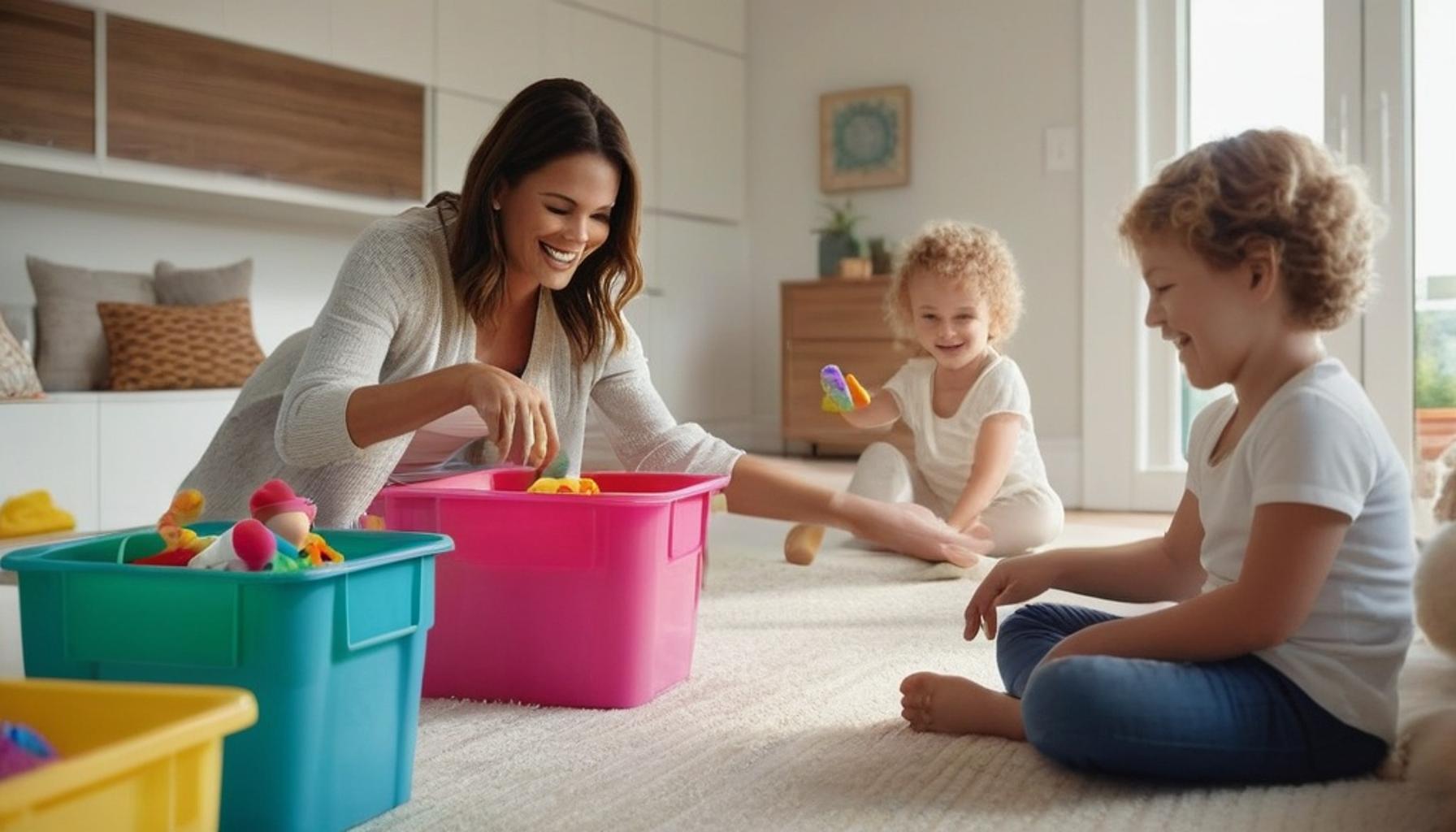
The Art of Letting Go: Effective Strategies for Decluttering in Daily Life

Understanding Clutter: Its Roots and How to Overcome It
The average American home brims with over 300,000 items, a staggering statistic highlighted by the LA Times. Coupled with the rise of self-storage, which has burgeoned into a $39 billion industry across the nation, these figures reflect a deeper societal trend. More than just a matter of accumulation, they reveal a complex relationship between our possessions and our mental spaces.
Clutter often creeps into our lives unnoticed. You may find that as you accumulate belongings—be it gifts, gadgets, or clothing—your home begins to feel less like a sanctuary and more like a chaotic environment. This buildup has implications beyond the physical space, affecting mental clarity and overall well-being. In essence, the more clutter we have, the less room we create for things that truly matter.
Strategies for Reclaiming Your Space
Letting go of excess items is more than just subscribing to the latest minimalism trend; it is a vital skill that anyone can cultivate. Integrating effective strategies for decluttering can alleviate stress and bring order back into your living spaces.
- How to declutter your space: Start with small, manageable areas, such as a single drawer or a shelf. Using the “one in, one out” rule can also help you maintain a more balanced approach to accumulating items.
- Daily life decluttering strategies: Even with a packed schedule, carving out just 10-15 minutes a day can lead to significant progress over time. For instance, spend an evening sorting through a pile of mail or tackling one section of your closet, making the process feel less overwhelming.
- Simple letting go decluttering tips: When faced with sentimental items, try taking a photograph before parting with it. This approach preserves the memory without tying you to the physical item itself.
- The connection between minimalism and decluttering: While minimalism is commonly viewed as a lifestyle choice, it can also serve as a philosophical guide on how we value and use our possessions, encouraging us to ask essential questions about each item—“Does this bring joy or serve a purpose?”
- Decluttering techniques for busy people: Consider using “power decluttering sessions,” where you set a timer for 15 minutes and focus solely on one area. This turns decluttering into a quick, energizing challenge rather than a daunting task.
Whether faced with an overflowing closet or an inundated junk drawer, there exists a path forward—a journey that promises not only a tidier home but enhanced mental clarity and peace. As you delve into the art of decluttering, you may be surprised to discover just how liberating it can be to let go.
LEARN MORE: Digital Decluttering: How to Organize Your Devices for a More Minimalist Life
The Emotional Weight Behind Physical Clutter
Before diving into effective strategies for decluttering, it’s crucial to understand the underlying emotional challenges that make letting go of possessions feel daunting. Psychologists explain this phenomenon through the “endowment effect,” a cognitive bias where we assign greater value to items simply because we own them. This effect can manifest in various ways, from the sentimental attachment to an old college t-shirt—brimming with memories and nostalgia—to reluctance to discard a broken kitchen gadget that still carries the weight of our past culinary adventures.
Research conducted by Cornell University demonstrates how entrenched this bias can be: participants were willing to pay nearly twice as much to keep an item they already owned compared to the cost of acquiring a new item of equal value. This psychological attachment fuels clutter accumulation across many American households, leading to packed garages filled with unused sports equipment, overflowing attics stocked with decades-old holiday decorations, and crowded closets jammed with forgotten clothing. Understanding this paradox is the first step toward addressing the clutter crisis in our homes.
Why Decision Fatigue Makes Decluttering Harder
Every object in your home symbolizes a small decision that needs to be made: should you keep it, donate it, sell it, or discard it? When you multiply this decision-making process by hundreds or even thousands of items, it becomes clear why decluttering often gets pushed aside indefinitely. This mental exhaustion, widely recognized as decision fatigue, is a significant hidden obstacle to a more organized living space.
Recognizing and addressing this psychological hurdle is essential for how to declutter your space without feeling overwhelmed. It’s crucial to understand that clutter represents not merely a physical challenge but also an emotional and cognitive struggle. With this realization, you can approach the decluttering process with greater patience and less self-judgment.
- Identify emotional triggers: Start by paying attention to which specific categories—be it clothing, paperwork, or gifts—trigger the most hesitance. This awareness prepares you mentally for tackling those particular zones, making it easier to confront the emotions tied to them.
- Reduce decision points: Streamline the process by sorting items into just three categories: keep, donate, and discard. Complicated subcategories can complicate decisions and lead to procrastination, making the process appear more daunting than it needs to be.
- Set boundaries early: Establishing a rule, such as limiting yourself to one box of keepsakes per family member, can help prevent sentimental clutter from spiraling out of control, ensuring that meaningful items are preserved without overwhelming your space.
- Practice the 20/20 rule: According to minimalist consultants, if an item costs less than $20 and could be replaced within 20 minutes, it’s often safe to let go. This practical approach encourages individuals to evaluate belongings with a more objective lens.
These letting go decluttering tips are not about eliminating everything you own. Instead, they aim to facilitate a sense of control over your environment by making peace with the process. Ultimately, transforming the experience of letting go into an empowering journey toward intentional living.
As you work to build these habits into your daily routine, you may find that daily life decluttering strategies evolve from relying solely on willpower to establishing efficient systems. Remember, the goal isn’t to create a picture-perfect space—it’s about making progress, one drawer, one shelf, and one conscious decision at a time. Embracing this journey can lead to a more organized and serene living environment, ultimately fostering a greater sense of clarity and peace in both your home and mind.
RECOMMENDED: The Art of Letting Go: Effective Strategies to Reduce Clutter at Home
Practical Systems That Turn Intention Into Action
Once you’ve made peace with the emotional side of letting go, the next challenge is building repeatable systems. Motivation alone rarely sustains long-term organization; what actually works are daily life decluttering strategies designed to fit into an already busy schedule. This is where structure outperforms willpower.
The National Association of Productivity and Organizing Professionals reports that Americans spend an average of 2.5 days per year searching for misplaced items in cluttered homes. That’s a staggering amount of time lost to disorganization, and it underscores why decluttering techniques for busy people need to be simple, fast, and sustainable rather than elaborate weekend projects that rarely get finished.
The Power of Micro-Decluttering Sessions
Rather than attempting an overwhelming, all-day purge, professional organizers increasingly recommend “micro-sessions”—short, focused bursts of tidying that last no longer than 15 minutes. This approach aligns with how modern schedules actually function, squeezing productivity into pockets of downtime.
- The one-in, one-out rule: For every new item brought into your home, commit to removing one similar item. This habit alone can prevent clutter from creeping back after a big declutter session.
- The 12-12-12 challenge: Find 12 items to donate, 12 to discard, and 12 to return to their proper place. This gamified method, popular among organizing communities on platforms like Instagram and TikTok, makes the process feel less like a chore and more like a quick win.
- Digital decluttering counts too: Overflowing inboxes and disorganized phone storage contribute to mental clutter just as much as physical mess. Set aside five minutes weekly to unsubscribe from unused apps or delete duplicate photos.
- The two-minute rule: If a task—like hanging up a coat or returning a book to its shelf—takes less than two minutes, do it immediately rather than letting it pile up for later.
These effective strategies for decluttering work because they lower the barrier to entry. Instead of dreading a massive cleanup, you’re simply committing to small, manageable actions that accumulate over time.
Linking Minimalism to Long-Term Habits
There’s a reason minimalism and decluttering are often discussed together, though they aren’t identical concepts. Minimalism focuses on intentional consumption, while decluttering addresses what’s already accumulated. Combining both philosophies creates a sustainable feedback loop: the less you bring into your home, the less you’ll eventually need to remove.
A 2022 survey by the Real Estate group Realtor.com found that 78% of Americans consider clutter a source of stress, yet only a fraction had established consistent habits to manage it. This gap between awareness and action highlights exactly why understanding how to declutter your space through practical, low-effort systems matters more than aspirational, one-time overhauls.
Rethinking Clutter as an Ongoing Conversation, Not a One-Time Fix
The journey through letting go decluttering tips reveals something most people don’t expect: clutter isn’t really about the stuff. It’s about decisions—thousands of small ones, made daily, about what deserves space in your home and your headspace.
Throughout this exploration, one theme keeps resurfacing. Effective strategies for decluttering succeed not because they’re dramatic, but because they’re repeatable. A 15-minute micro-session accomplishes more over a year than a single exhausting weekend purge that leaves you too burned out to maintain it.
This is worth remembering the next time an organizing show or viral video promises instant transformation. Real change tends to look boring—it looks like Tuesday night, five minutes, one drawer.
What This Means Moving Forward
Consider three takeaways that matter most:
- Emotional clarity comes first. Systems fail when the underlying attachment to belongings hasn’t been addressed.
- Small, consistent habits outperform intensity. Whether it’s the two-minute rule or the 12-12-12 challenge, sustainability beats sporadic effort every time.
- Minimalism and decluttering reinforce each other. Reducing what enters your home is just as important as removing what’s already there.
The data backs this up. With Americans losing 2.5 days annually to searching for lost items, and 78% reporting clutter-related stress, the cost of inaction is measurable—not just emotionally, but in actual hours and mental bandwidth.
So where does this leave someone genuinely curious about how to declutter your space for good? Perhaps the answer isn’t a single method, but a mindset: treat decluttering as an ongoing dialogue with your environment rather than a problem to solve once and forget.
For those juggling demanding schedules, decluttering techniques for busy people prove that progress doesn’t require perfection—just consistency. Start small, stay curious, and let the process evolve alongside your life.
Frequently Asked Questions
What are some effective strategies for decluttering my home without feeling overwhelmed?
Start by breaking the decluttering process into manageable tasks. Focus on one room or area at a time and use the ‘Four-Box Method’—keep, donate, trash, or relocate. Setting a timer for 15-30 minutes can also help maintain focus and reduce feelings of overwhelm.
How can I maintain a clutter-free environment after implementing effective strategies for decluttering?
To maintain a clutter-free environment, adopt the ‘one in, one out’ rule: whenever you bring a new item into your home, replace it with an existing one. Establish daily or weekly checklists to reassess your belongings and ensure that you are consistently evaluating the need for your items.
What specific techniques can I use to decide what to keep when decluttering sentimental items?
When dealing with sentimental items, try to limit what you keep by asking yourself if each item sparks joy or serves a practical purpose. Consider taking photos of objects to remember them without needing to keep the physical space. Alternatively, create a memory box with a limited capacity to hold your most cherished items.
How do I successfully declutter my digital space as part of effective strategies for decluttering?
Start by organizing your digital files into folders and deleting items you no longer need. Unsubscribe from unnecessary email lists to reduce digital clutter, and regularly review your apps and files. Implementing a monthly digital decluttering session can help you stay on top of your digital organization.

Beatriz
Beatriz Johnson is a seasoned minimalist and writer with a passion for simplifying the complexities of personal organization and intentional living. With over a decade of experience in decluttering strategies and mindful consumption, she specializes in topics like space optimization, habit simplification, and sustainable lifestyle choices. Through her work on our website, Beatriz empowers readers to embrace minimalism, reduce mental and physical clutter, and create more meaningful, organized lives in today's fast-paced world.