Simplified Living and Mental Health: The Connection Between Disorder and Emotional Well-Being
The Connection Between Clutter and Mental Well-Being
As we delve deeper into a culture characterized by accumulation, it’s notable that Americans possess more items than any previous generation. Despite the abundance of belongings, reports indicate rising stress and anxiety levels across the population. This paradox poses an intriguing question: is there a correlation between our material possessions and the mental turmoil we experience?
When you step into a typical suburban garage, you might witness a common sight: stacked boxes filled with forgotten treasures, exercise machines that now serve solely as decorative items, and clothing that has hung untouched for years. Such physical disarray is often a reflection of what lies within our emotional landscape, hinting at a deeper struggle with organization and clarity.
The Hidden Costs of Disorder
Research conducted by UCLA’s Center on Everyday Lives of Families provides compelling evidence that cluttered environments are directly linked to heightened cortisol levels, which is known as the primary stress hormone. This connection signifies that the act of decluttering is more than just an aesthetic endeavor; it is crucial for emotional well-being. The hidden costs of a disorganized space can be extensive and multifaceted.
- Increased Time Spent Searching: On average, people lose around 55 minutes a day searching for misplaced belongings, such as keys or paperwork. This wasted time could otherwise be spent on more fulfilling activities.
- Decision Fatigue: A cluttered space can lead to higher levels of daily decision fatigue, as the sheer volume of choices can overwhelm the mind, making even simple decisions feel exhausting.
- Difficulty Relaxing: A chaotic environment can significantly diminish one’s ability to relax at home, transforming a sanctuary into a source of constant anxiety.
- Feelings of Overwhelm: The sight of clutter can evoke a sense of being out of control, which can exacerbate anxiety and stress levels.
The cumulative weight of these factors can create a mental burden that many individuals might not even recognize, hindered by the daily grind of life.
What This Article Will Explore
This exploration aims to unravel the science linking minimalism to enhanced mental health, providing practical strategies that go beyond mere tips. By examining how organization can influence emotional well-being, we may uncover concrete examples that resonate with everyday life.
From the well-known methods of Marie Kondo, which revolutionized organizing practices worldwide, to lesser-known psychological approaches that advocate for simplicity, the benefits of a decluttered lifestyle may extend deeper than a tidy living room. Embracing a simpler way of living may just be the transformative shift your daily routine needs to enhance your mental health and overall contentment.
LEARN MORE: Minimalism and Sustainability: Reducing Consumption and Living with Intention
The Science Behind Simplified Living and Mental Health
Walk into any American household today, and you’ll likely encounter a paradox playing out in real time. The average home now contains over 300,000 items, according to the LA Times, yet self-storage has become a $39 billion industry. This begs the question: why do we keep acquiring things that ultimately weigh us down? With the American dream often equated to material success, many find themselves trapped in a cycle of consumption that does little to enhance their overall well-being.
The relationship between minimalism and mental health isn’t just anecdotal wellness advice you’d find on a lifestyle blog. Princeton University neuroscientists discovered that physical clutter in your surroundings competes for your attention, resulting in decreased performance and increased feelings of stress. Your brain, it turns out, cannot fully relax when it’s constantly processing visual chaos. In essence, when our environments are disorganized, our minds mirror that disarray, affecting every aspect of our lives from productivity to emotional stability.
How Your Brain Responds to Disorder
Consider the modern American kitchen counter, often cluttered with mail, gadgets, and miscellaneous items accumulated throughout the week. This seemingly minor mess triggers something significant in your neurological response system. When you walk into a room filled with disarray, your brain’s ability to focus is compromised by the sheer volume of input it must process.
Neuroscience research reveals that clutter increases activity in the amygdala, the brain’s threat-detection center. Your brain interprets disorganized spaces as unresolved tasks, creating a persistent, low-grade alarm state. Over time, this constant activation contributes to chronic stress and diminished emotional regulation. Individuals may not even realize the toll clutter is taking on them, feeling anxious or overwhelmed without an identifiable reason.
Understanding how organization affects mental health requires looking at several key physiological and psychological responses:
- Cortisol Spikes: Studies show that women who described their homes as cluttered experienced cortisol patterns similar to those under chronic occupational stress. In contrast, women in tidier homes reported feelings of relaxation and control.
- Reduced Working Memory: Visual clutter competes for neural resources, limiting your brain’s capacity to process information efficiently, according to Journal of Neuroscience findings. This means that too much clutter can delay or impair decision-making, which often leads to feelings of frustration.
- Elevated Cortisol and Sleep Disruption: Bedrooms filled with clutter have been linked to difficulty falling asleep and lower overall sleep quality, according to National Sleep Foundation surveys. Judging by the prevalence of sleep disorders in the U.S., this factor can contribute immensely to the ongoing sleep crisis.
- Impaired Focus: Multiple simultaneous visual stimuli force the brain to work harder, reducing the ability to concentrate on a single task at hand. Those struggling with focus may find that their productivity and creativity are significantly stifled by their environments.
These findings suggest that decluttering and emotional well-being are far more intertwined than most people realize. What appears to be a simple organizational issue is, in fact, a legitimate contributor to the psychological distress that many Americans experience daily without connecting the dots to their physical environment. As more people become aware of this correlation, the trend toward minimalism and simplified living is gaining traction and acceptance. It is not merely a fad but a significant shift toward understanding the profound impact our surroundings have on our mental health.
In conclusion, embracing a simplified lifestyle may not only foster better organization but also pave the way for improved mental health. It challenges individuals to confront their relationship with material possessions and provides a foundation for a more serene, productive, and fulfilled existence.
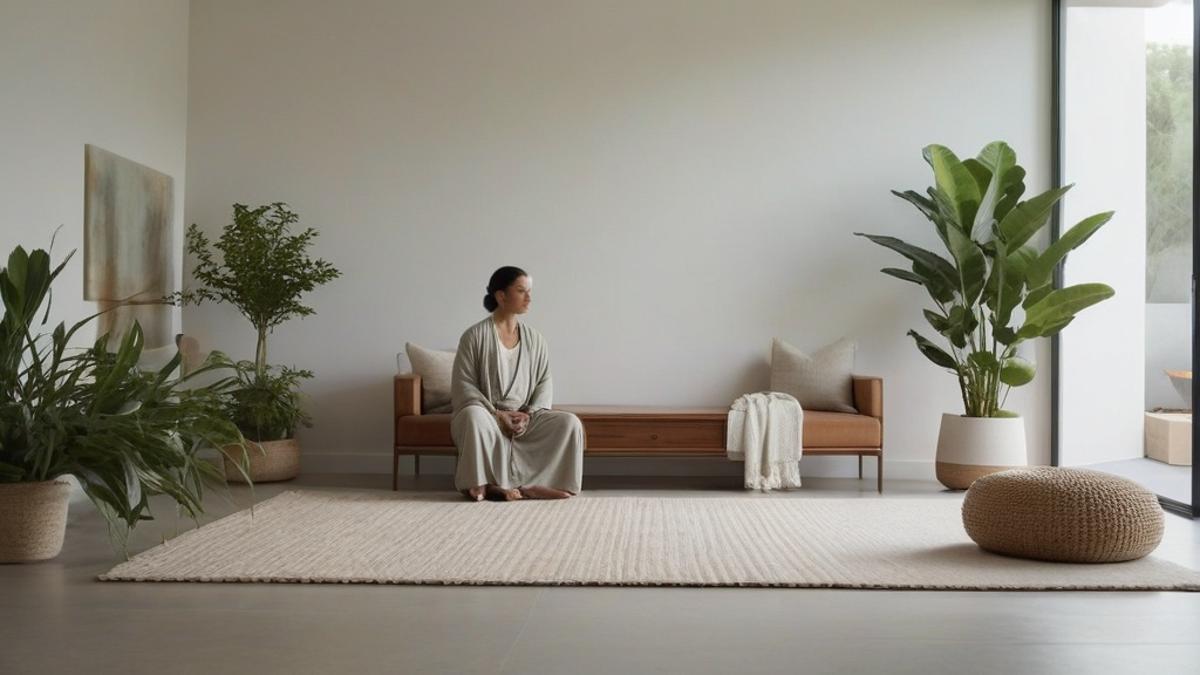
| Category | Key Features |
|---|---|
| Clutter Reduction | Reduces distractions, enhances focus, and fosters a sense of calm. |
| Mindfulness Practices | Encourages presence and awareness, boosting emotional resilience and reducing anxiety. |
| Organizational Strategies | Structured environments promote mental clarity and decrease feelings of overwhelm. |
| Simplicity in Routines | Fostering predictable patterns aids in reducing stress levels and enhancing emotional health. |
SEE ALSO: Redefining Success: The Impact of Simplified Living on Mental Health and Well-Being
# From Overwhelm to Ease: Real-World Evidence of Simplified Living
What Happens When Americans Choose Less
Across the country, a quiet experiment has been unfolding in homes from Seattle to Savannah. People are testing whether living simply for better mental health actually delivers on its promise, or whether it’s just another wellness trend destined to fade. The data emerging from this grassroots movement tells a compelling story.
A UCLA Center on Everyday Lives of Families study found that mothers who described their homes as cluttered showed elevated depressive symptoms compared to those in organized spaces. This wasn’t a minor difference. The correlation between visual chaos and mood disturbance was strong enough that researchers flagged it as a public health consideration, not just a design preference.
The Ripple Effect on Relationships and Productivity
Clutter doesn’t stay contained to the room it occupies. It spills into how families interact, how couples communicate, and how children develop their own relationship with possessions and space.
Consider these documented outcomes tied to decluttering and emotional well-being:
- Improved Marital Satisfaction: Couples who jointly decluttered shared living spaces reported fewer arguments about household responsibilities, according to family therapy research published in the Journal of Marriage and Family.
- Better Academic Performance: Children raised in organized environments demonstrated stronger attention spans and task completion rates, based on findings from developmental psychology studies conducted at multiple U.S. universities.
- Increased Financial Awareness: Individuals practicing minimalist consumption habits reported greater clarity around spending, with many citing reduced impulse purchases after simplifying their living spaces.
- Enhanced Sense of Agency: Survey respondents who decluttered described feeling more “in control” of their lives overall, a psychological shift that extended beyond their physical environment into decision-making confidence.
These outcomes reinforce a broader truth: the mental health benefits of simplicity aren’t confined to feeling calmer while tidying a closet. They extend into how people show up in their relationships, workplaces, and communities.
The Minimalism Movement Gains Momentum
Marie Kondo’s rise to a household name wasn’t accidental. Her Netflix series sparked a national conversation, prompting thrift stores across America to report donation surges of up to 30 percent in the weeks following episode releases, according to Goodwill regional chapters.
This cultural moment reflects something deeper than a passing trend. Americans are actively seeking frameworks for Simplified Living and Mental Health that go beyond aesthetics. They want tangible relief from the anxiety that accumulates alongside their possessions.
Therapists specializing in cognitive behavioral approaches have begun incorporating decluttering exercises into treatment plans for clients experiencing generalized anxiety. The rationale is straightforward: reducing environmental stressors creates mental bandwidth for addressing deeper emotional patterns.
What makes this approach particularly accessible is its low barrier to entry. Unlike therapy or medication, decluttering requires no insurance approval, no waiting lists, and no financial investment beyond time and effort. For many Americans navigating an overburdened healthcare system, this makes simplified living a practical, immediate intervention worth exploring.
RECOMMENDED: Simplifying Daily Life: Minimalist Routines to Boost Productivity
The Bigger Picture: Rethinking Our Relationship With Stuff
The evidence gathered from UCLA researchers, family therapists, and everyday Americans converges on a single point: Simplified Living and Mental Health are inseparable in ways that science is only beginning to fully map. What started as anecdotal observation about tidy rooms feeling better has become a legitimate area of psychological inquiry.
None of this suggests that owning fewer possessions is a cure-all. Depression, anxiety, and chronic stress stem from complex biological and environmental factors that no amount of decluttering will fully resolve. Professional mental health care remains essential for many Americans facing serious emotional struggles.
Still, the connection between minimalism and mental health offers something valuable: a low-cost, accessible starting point. Clearing a countertop or donating unused clothing won’t replace therapy, but it can reduce the daily friction that compounds stress over time.
Understanding how organization affects mental health also reframes a common cultural narrative. Instead of viewing tidiness as a moral virtue or a Pinterest-worthy aesthetic, it becomes a legitimate wellness tool, one backed by measurable outcomes in mood, relationships, and productivity.
Looking ahead, researchers are likely to explore this territory further, particularly as remote work blurs the lines between home and office, making environmental clarity even more critical to psychological functioning.
For readers curious about living simply for better mental health, the invitation isn’t to overhaul an entire lifestyle overnight. It’s to notice how physical spaces influence emotional states, then experiment accordingly.
Sometimes the path toward emotional well-being begins with something as ordinary as clearing a single drawer, and discovering what mental clarity follows.
Frequently Asked Questions
How does decluttering my space affect my mental health?
Decluttering your space can significantly improve your mental health by reducing feelings of anxiety and overwhelm. A tidy environment often leads to a clearer mind, allowing you to focus better and feel more in control of your surroundings. This can promote a sense of calm and improve overall emotional well-being.
Can adopting a simplified lifestyle help with anxiety disorders?
Yes, adopting a simplified lifestyle can help alleviate symptoms of anxiety disorders. By reducing distractions and creating a more peaceful environment, you can minimize triggers that contribute to anxiety, making it easier to manage your emotions and feel more centered.
What are some practical steps to start simplified living for better mental health?
To start simplified living, begin by assessing your belongings and removing items that no longer serve you. Implement routines that prioritize self-care and mindfulness, such as regular decluttering sessions or minimalist meal planning. Small, consistent changes can lead to a more sustainable, simplified lifestyle that supports your mental health.
Is there a link between a simplified lifestyle and decreased depression symptoms?
Research suggests that a simplified lifestyle can contribute to decreased symptoms of depression. By minimizing chaos and distractions, individuals may experience less stress and more ability to engage in activities that bring joy, enhancing emotional well-being and mood regulation.
How can I maintain motivation to keep my living space simplified for my mental health?
To maintain motivation for a simplified living space, set achievable goals and regularly remind yourself of the mental health benefits you experience. Create a schedule for decluttering and involve friends or family for support and accountability. Celebrating small victories can also reinforce your commitment to a simplified lifestyle.

Beatriz
Beatriz Johnson is a seasoned minimalist and writer with a passion for simplifying the complexities of personal organization and intentional living. With over a decade of experience in decluttering strategies and mindful consumption, she specializes in topics like space optimization, habit simplification, and sustainable lifestyle choices. Through her work on our website, Beatriz empowers readers to embrace minimalism, reduce mental and physical clutter, and create more meaningful, organized lives in today's fast-paced world.