The Art of Letting Go: How Simplified Living Transforms Lives

Across the United States, from cramped New York apartments to sprawling suburban homes in Texas, a quiet revolution is underway. People are opening their closets, garages, and digital lives, and asking a simple question: do I really need this? As more individuals and families take stock of their belongings, a new lifestyle movement focused on simplified living is gaining traction. This shift is not simply a fleeting trend but rather a profound lifestyle change, supported by research illustrating that excess possessions can elevate stress hormones and diminish overall life satisfaction.
The Numbers Behind the Minimalist Lifestyle
Consider this staggering statistic: the average American household contains over 300,000 items. This eye-opening figure provides insight into why many are seeking methods to let go of clutter. In fact, a substantial number of people report feelings of being overwhelmed by their possessions:
- Approximately 68% of Americans express that their belongings create a sense of chaos in their lives.
- The self-storage industry, an increasingly popular solution for holding excess items, generates over $39 billion annually, mostly from storing items that are rarely used.
- Studies have shown that cluttered environments are associated with higher cortisol levels, particularly among women, indicating a direct link between clutter and stress.
These statistics underscore not just the prevalence of clutter, but the pressing need for a more intentional approach to managing one’s belongings. The act of decluttering has profound implications that extend beyond aesthetics, significantly impacting mental health and emotional well-being.
What This Article Will Explore
This piece dives into the real, tangible benefits of simplification—not just nemer updated beautiful homes, but also improved mental clarity, strengthened relationships, and even enhanced financial freedom. As individuals simplify their lives, they often discover more time for meaningful activities and connections with loved ones. The question “what do I really need?” becomes a touchstone for understanding personal priorities.
Readers will discover effective decluttering tips employed by minimalist families nationwide, along with actionable strategies for gradually transforming one’s lifestyle without the sense of deprivation often associated with such changes. For instance, the “One in, One out” rule encourages individuals to donate or discard an item for every new item they bring into their home, ensuring a continual balance.
Whether you’re drowning in unworn clothes, unused kitchen gadgets, or simply crave more breathing room, the journey towards intentional living starts with recognizing that achieving a sense of peace and clarity is attainable. Embracing minimalism might just lead to a more fulfilling and vibrant life, where less truly means more.
LEARN MORE: Simplified Living: Practical Tips for Organizing Your Daily Life with Minimalism
The Psychology of Possessions: Why We Hold On
Walk into any American garage on a Saturday morning, and you’ll likely find a familiar scene: boxes stacked to the ceiling, exercise equipment gathering dust, and holiday decorations from three seasons ago. This isn’t just a product of laziness; rather, it reveals a deeply human pattern rooted in psychology. Researchers at UCLA’s Center on Everyday Lives and Families found that clutter triggers a genuine stress response in the brain, causing many individuals to feel overwhelmed yet still struggle to part with items they haven’t touched in years. This paradox raises several questions: Why do we cling to our belongings so fervently? What does it say about us as individuals and as a culture?
The reasons behind this attachment are complex. Some possessions carry sentimental weight, tying us to cherished memories or loved ones. For instance, a child’s first drawing, a grandmother’s locket, or an old baseball glove can evoke feelings of nostalgia that are almost irresistible. Others represent a “just in case” mentality—a fear that we might need that broken blender or those size-8 jeans someday. This inclination to hold onto such items can be seen as a coping mechanism, offering comfort in the face of uncertainty and change. Understanding this psychology is the first step toward a minimalist lifestyle that actually sticks. It entails not only recognition of these feelings but also a deliberate action towards decluttering.
The Hidden Costs of Excess Stuff
Beyond the emotional toll, clutter carries real financial consequences that many Americans often overlook. Consider the following:
- The average U.S. household spends over $1,700 annually on items they already own but cannot find, leading to repeated purchases of necessary items.
- Nearly one in ten Americans rents offsite storage, despite already living in homes averaging over 2,000 square feet. This trend highlights a growing inability to let go of possessions, resulting in additional financial strain.
- Impulse purchases, often driven by marketing rather than necessity, account for roughly $5,400 per person each year in unplanned spending. This habit not only diminishes financial savings but also contributes to the accumulation of unnecessary clutter.
- Maintaining, cleaning, and organizing excess belongings can consume several hours per week—time that could otherwise be redirected toward rest, hobbies, or quality time with family.
These figures reveal a paradox: the pursuit of comfort through accumulation frequently results in the opposite effect. Instead of providing security, many households find themselves experiencing mounting financial pressure and diminished living space. Clutter can create an environment of chaos, making it difficult to focus or find joy in our surroundings.
Rethinking What “Enough” Really Means
Simplified living challenges a cultural narrative that has long equated success with acquisition. In cities like Los Angeles and Chicago, professional organizers report a surge in clients specifically requesting help to let go of clutter rather than simply rearranging it. This shift signifies something larger than just a home-organization trend—it points to a redefinition of what it truly means to live well. The idea of “less is more” resonates with an increasing number of individuals seeking emotional and psychological clarity.
Instead of asking, “What more can I get?” a growing number of Americans are posing the question, “What can I remove?” This subtle but powerful shift in mindset lays the groundwork for tangible benefits of simplification. These benefits extend beyond mere aesthetics; they include improved mental clarity, increased productivity, and financial breathing room. By letting go of excess possessions, individuals often report a newfound sense of freedom and focus, allowing room for meaningful experiences and relationships.
Ultimately, embracing a minimalist lifestyle is not merely about reducing material goods; it invites a profound exploration of personal values and priorities. The process encourages us to re-evaluate what we truly need and enjoy, paving the way for a life that feels less cluttered and more fulfilled.

| Key Aspect | Details |
|---|---|
| Emotional Clarity | Letting go of clutter allows for mental space, fostering a sense of calm and focus. |
| Improved Relationships | Simplified living creates time for quality interactions, nurturing bonds with loved ones. |
| Financial Freedom | Adopting a minimalist lifestyle leads to reduced spending and better financial planning. |
| Health Benefits | Less clutter means fewer distractions, promoting better sleep and overall wellness. |
CHECK OUT: The Art of Letting Go: How Simplified Living Can Transform Your Space and Your Life
From Theory to Practice: Real Decluttering Tips That Stick
Knowing why we hoard is one thing; actually letting go of clutter is another challenge entirely. Across the country, from Seattle apartments to Texas suburban homes, people are discovering that simplified living requires more than good intentions—it demands a workable system.
One method gaining traction is the “one-in, one-out” rule, where bringing home a new item means donating or discarding an old one. Another popular approach, borrowed from Japanese organizing consultant Marie Kondo but adapted by American households, involves sorting belongings by category rather than room, tackling clothes before moving to books, papers, and sentimental items.
Practical decluttering tips that professional organizers frequently recommend include:
- Setting a 20-minute timer for small decluttering sessions, making the task feel manageable rather than overwhelming.
- Using the “12-month rule”—if an item hasn’t been used within a year, it’s likely safe to donate or sell.
- Photographing sentimental objects before parting with them, preserving the memory without the physical burden.
- Starting with the easiest spaces, like a junk drawer or medicine cabinet, to build momentum before tackling larger areas.
These small, consistent actions compound over time, gradually reshaping not just physical spaces but daily habits and mindset.
The Ripple Effect on Mental Health and Relationships
Research consistently links a minimalist lifestyle to improved mental well-being. A study published in the Personality and Social Psychology Bulletin found that individuals who described their homes as “cluttered” or “unfinished” reported higher levels of cortisol, the body’s primary stress hormone, compared to those who described their homes as “restful” or “restorative.”
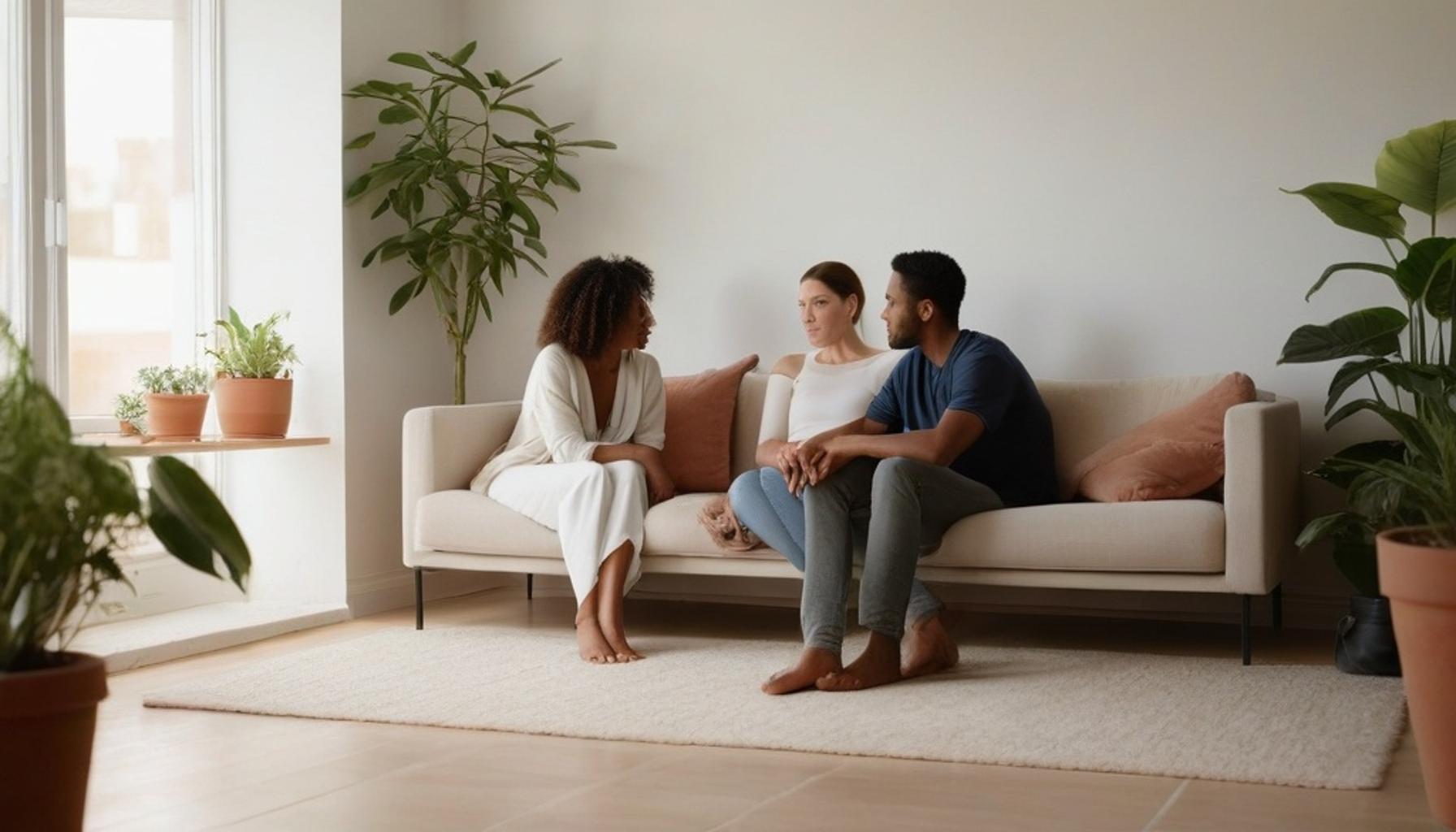
Beyond stress reduction, simplifying possessions often strengthens relationships. Families report spending more quality time together once shared spaces become functional again rather than serving as storage zones. Living rooms reclaim their purpose for conversation and connection instead of housing unused treadmills or teetering stacks of unread magazines.
Financial therapists have also noted a connection between decluttering and healthier spending habits. Once people confront the sheer volume of unused belongings, many become more intentional buyers, pausing before purchases and asking whether an item truly adds value.
Communities Embracing Change
Simplified living isn’t confined to individual households—entire communities are joining the movement. Cities such as Portland and Austin have seen a rise in “buy nothing” groups, where neighbors exchange unwanted items rather than sending them to landfills. Local libraries in states like Vermont and Minnesota now offer “tool libraries,” allowing residents to borrow equipment instead of purchasing and storing rarely used items.
These grassroots initiatives underscore a broader benefits of simplification narrative: reducing personal clutter can simultaneously reduce environmental waste. The Environmental Protection Agency estimates that Americans generate over 12 million tons of textile waste annually, much of it from discarded clothing that could have been donated, repaired, or repurposed within community networks.
As more people recognize that letting go can genuinely transform your life, the movement continues gaining momentum, proving that simplification is not a passing trend but a lasting cultural shift.
SEE ALSO: The Art of Living with Less: How Minimalism Can Transform Your Daily Life
Letting Go as an Ongoing Journey, Not a One-Time Fix
From understanding the psychological roots of clutter to adopting practical decluttering tips, one truth emerges clearly: simplified living is less about achieving a perfectly empty closet and more about building a sustainable relationship with the things we own.
Across American households, the shift toward a minimalist lifestyle reflects something deeper than a home organization trend. It signals a cultural reconsideration of what truly adds value to daily life, whether that’s more time with family, reduced financial stress, or a calmer mental state.
The data reinforces this movement’s staying power. Lower cortisol levels in organized homes, reduced textile waste through community sharing networks, and stronger household relationships all point toward tangible, measurable outcomes rather than fleeting lifestyle fads.
Still, it’s worth noting that simplification looks different for everyone. A family in Ohio might prioritize decluttering shared living spaces, while a young professional in San Francisco might focus on digital minimalism, cutting subscriptions and streamlining online clutter instead of physical belongings.
What remains consistent is the core lesson: to let go of clutter is to make intentional room—physically, mentally, and emotionally—for what matters most.
As more Americans experiment with these principles, the broader benefits of simplification continue to surface in unexpected places, from community tool libraries to therapy sessions addressing compulsive buying habits.
Perhaps the most compelling takeaway is this: simplification isn’t a destination reached once and forgotten. It’s an evolving practice, revisited seasonally or yearly, as priorities shift and life circumstances change.
For readers considering where to begin, the invitation is simple—start small, stay curious, and observe how even minor changes can transform your life in ways that extend far beyond tidier shelves and emptier drawers.
Frequently Asked Questions
What are some practical steps to start adopting simplified living?
To start adopting simplified living, begin by decluttering your living space. Identify items you no longer use or need and donate or discard them. Create a routine that prioritizes essential tasks, and focus on experiences rather than possessions to shift your mindset towards minimalism.
How does simplified living affect mental health?
Simplified living can significantly improve mental health by reducing stress and anxiety associated with clutter and overwhelm. A more organized environment promotes clarity and focus, enabling individuals to concentrate on what truly matters, leading to a greater sense of peace and fulfillment.
Can simplified living improve my financial situation?
Yes, simplified living can lead to improved financial health by encouraging mindful spending and reducing unnecessary purchases. By determining your true needs and eliminating excess, you can save money and allocate resources toward experiences and savings instead of material possessions.
Is simplified living suitable for families with children?
Absolutely! Simplified living can be incredibly beneficial for families with children. Teaching kids about minimalism fosters appreciation for experiences over possessions, helps develop organizational skills, and creates a spacious, calming environment for the whole family.
What emotional challenges might arise when transitioning to a simplified lifestyle?
During the transition to a simplified lifestyle, individuals may face emotional challenges such as attachment to belongings and guilt over letting go of items with sentimental value. It’s important to acknowledge these feelings and allow yourself time to process them, while also keeping the long-term benefits of clarity and peace in mind.
How can I maintain a simplified lifestyle once I’ve started?
To maintain a simplified lifestyle, regularly reassess your belongings and commitments, ensuring they align with your values and priorities. Establish habits such as decluttering periodically, avoiding impulse purchases, and focusing on quality over quantity to keep your environment and life simplified.

Linda Carter
Linda Carter is a writer specializing in minimalism and personal organization. With extensive experience helping readers create more functional and balanced routines, she shares practical advice on decluttering, organizing spaces, simplifying daily tasks, and making more intentional choices. Her goal is to offer clear guidance and accessible strategies that help people reduce excess, improve their surroundings, and enjoy a calmer, more organized lifestyle.