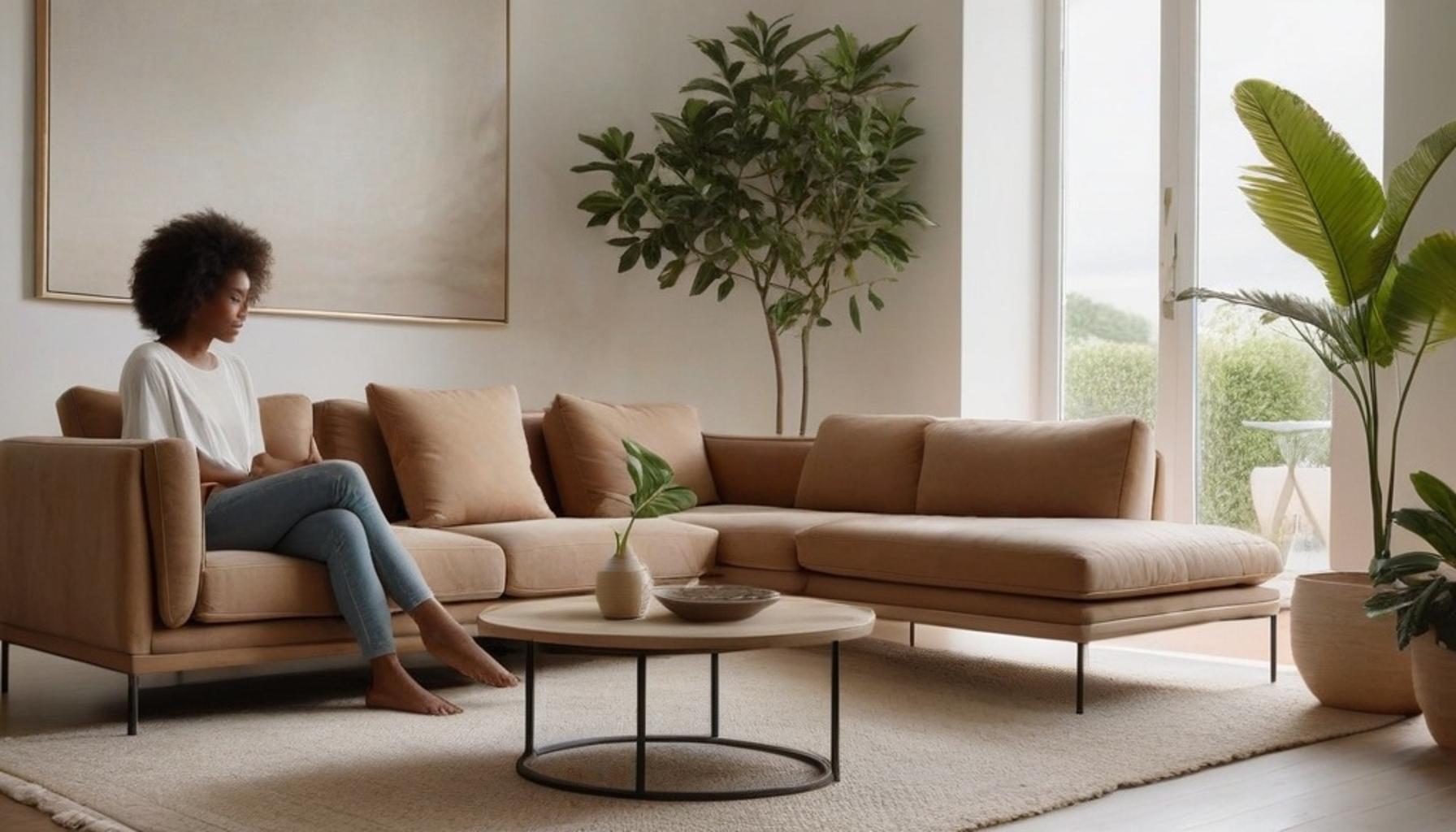
Simplified Living: Practical Tips for Organizing Your Daily Life with Minimalism

Why Americans Are Rethinking Clutter, Chaos, and the Constant Chase for More
In modern society, the average American household is said to contain over 300,000 items, a staggering figure that reflects the growing consumer culture and the influx of products into our lives. As our closets burst at the seams, digital inboxes overflow, and our schedules become increasingly chaotic, many individuals experience heightened feelings of stress and overwhelm. This is where the trend towards Simplified Living emerges as a response to the entanglements of excessive clutter and a frantic lifestyle.
The Rise of Practical Minimalism in Everyday Routines
It’s essential to clarify that embracing minimalism doesn’t necessitate adopting a stark, impersonal lifestyle characterized by a cold, all-white space with minimal possessions. Instead, the concept focuses on making intentional choices that enhance daily life, freeing up valuable time, financial resources, and mental clarity. Whether it’s a cozy loft in San Francisco or a spacious suburban home in Illinois, residents across the country are increasingly asking themselves: what if less really is more?
The appeal of practical minimalism is multifaceted, backed by the promise of immediate, tangible results. For instance, just by decluttering, individuals can reclaim precious time. Studies suggest that decluttering can save a person up to 55 minutes a day which is often spent searching for misplaced items or navigating through the chaos in their living environment. With half an hour spare each day, one could dedicate time to hobbies, exercise, or self-care.
The financial benefits are just as lucrative; implementing simplified lifestyle strategies can lead to a decrease in household expenses by reducing impulsive purchases. By embracing a mindset oriented towards mindful consumption, families can redirect their spending towards experiences rather than material goods, ultimately fostering a more enriching life.
Moreover, prioritizing a simpler, more organized existence has been shown to significantly impact mental well-being. Organizing daily life around fewer, better-defined priorities can lead to lower stress levels. A clutter-free environment often translates to a clutter-free mind, allowing individuals to focus on what truly matters.
What This Article Will Explore
This guide aims to break down practical minimalism into actionable steps that anyone can implement immediately—no drastic overhaul required. Readers will uncover effective strategies for decluttering, streamlining daily tasks, and creating sustainable systems that promote long-term success.
Are you ready to explore how a few intentional changes could completely transform your mornings, declutter your closets, and renew your mindset? The answers might be simpler—and more achievable—than you ever imagined.
YOU MAY ALSO LIKE: Creating Functional Spaces: Organization Tips for a Minimalist Lifestyle
Building the Foundation: Where Simplified Living Actually Begins
Before diving into color-coded bins or Pinterest-perfect pantries, it’s essential to recognize that Simplified Living starts with a fundamental mindset shift rather than a shopping spree at the Container Store. A common misconception is that embracing minimalism necessitates the investment in elaborate organizational systems. However, the reality is that practical minimalism often begins with subtraction, not addition. By focusing on what we truly need and use, we can pave the way for a more organized and stress-free environment in our homes.
Take, for example, the typical kitchen in an average home in cities like Austin or Denver. You might find drawers bursting with gadgets that have only been used once, cabinets overflowing with mismatched Tupperware, and a junk drawer that has become a mysterious black hole for batteries, rubber bands, and disintegrating receipts. This disarray is not just clutter; it’s a distraction from a harmonious living space. Identifying such problem areas is the perfect starting point for anyone serious about enhancing their organizational efforts and simplifying daily life.
The 90/90 Rule: A Simple Litmus Test
A highly effective tool recommended by professional organizers for initiating the decluttering process is the 90/90 rule. This rule is simple yet impactful: if you haven’t used an item in the past 90 days, and you cannot envision using it in the upcoming 90, then it’s likely safe to donate, sell, or discard.
This method takes much of the emotional guesswork out of decision-making, which is often the most significant barrier facing Americans attempting to part with their possessions. By substituting sentimentality with a straightforward, time-based filter, individuals can begin to recognize that many items are simply occupying valuable space with minimal return on investment. Letting go of superfluous items promotes a clearer mindset, allowing us to focus on things that truly enhance our lives.
Room-by-Room: A Manageable Starting Strategy
Instead of attempting an all-encompassing, whole-house purge during a singular weekend, experts advocate for breaking the process into manageable sections. Simplified lifestyle strategies thrive on achieving small, attainable goals rather than leading to exhaustion. This incremental approach makes decluttering less intimidating and more sustainable.
- Start small: Choose one drawer, shelf, or even a closet corner as your initial target. This focused effort helps build momentum.
- Set a timer: Commit to just 15-20 minutes each day, transforming decluttering into a manageable daily habit rather than a daunting marathon task.
- Use the four-box method: As you tackle each area, label four boxes: “Keep,” “Donate,” “Sell,” and “Trash.” This simple categorization provides clarity on item disposition.
- Photograph sentimental items: If you’re struggling to part with items due to emotional attachment, consider taking a photograph. This allows you to preserve the memory without keeping the physical clutter.
This gradual, room-by-room methodology has proven especially effective for busy families and working professionals who often lack the luxury of entire weekends for reorganization efforts. By integrating snippets of decluttering into daily routines, individuals often discover a sense of relief and newfound clarity in their living spaces.
According to recent surveys focused on American consumer habits, nearly 54% of people feel overwhelmed by the amount of clutter they own. Yet, only a small fraction takes consistent action towards rectifying the situation. Recognizing the disparity between intention and action is vital for those aiming to make lasting changes to their environment. Without a plan, it’s all too easy to fall back into old habits and allow clutter to reclaim space in our lives.
Ultimately, the journey towards simplified living is as much about cultivating a new mindset as it is about physical organization. By emphasizing actionable strategies, such as the 90/90 rule and a room-by-room approach, individuals can navigate the complexities of decluttering in a way that sustains momentum and inspires ongoing change. Engaging with these concepts offers the promise of a more serene living environment, and a more balanced lifestyle overall.
CHECK OUT: Creating Calm Spaces: The Importance of Minimalism in Decor and Mental Health
Systems That Stick: Turning Minimalism Into Daily Habit
Once the initial decluttering wave has passed, the real challenge emerges: maintaining that clarity long-term. Simplified Living isn’t a one-time weekend project; it’s an ongoing practice that requires systems designed to prevent clutter from creeping back in. Many Americans experience a familiar cycle—purge, feel great, then slowly watch closets and countertops fill up again within months.
Breaking this cycle requires more than motivation. It demands practical minimalism baked into everyday routines, making organization feel effortless rather than like a constant battle against accumulation.
The One-In, One-Out Rule
One of the most effective minimalism tips for sustaining a decluttered home is the one-in, one-out principle. For every new item brought into the house—whether it’s a sweater, a kitchen appliance, or a child’s toy—an existing item must leave. This simple exchange system prevents the slow, almost invisible buildup that leads to overflowing closets and cluttered garages.
Retailers count on impulse purchases; data from the National Retail Federation suggests the average American household spends thousands annually on items that go largely unused. Applying this rule forces a moment of reflection before every purchase, naturally curbing unnecessary spending while keeping possessions in check.
Designating a Home for Everything
Clutter often accumulates not because people own too much, but because items lack a designated place. When everything has an assigned spot, putting things away becomes automatic rather than a decision-making chore.
- Entryway stations: Keys, mail, and shoes should have specific bins or hooks, preventing the classic pile-up by the front door common in many households.
- Digital decluttering: Simplified living extends beyond physical items. Unsubscribe from unnecessary email lists and organize desktop files into clearly labeled folders.
- Daily reset routine: Spend ten minutes each evening returning items to their homes, preventing minor disorder from snowballing into weekend-consuming projects.
Embracing Capsule Systems Beyond the Closet
While capsule wardrobes have gained popularity, the same concept applies effectively to other areas: kitchen tools, cleaning supplies, and even children’s toys. Limiting categories to a functional, curated selection reduces decision fatigue and keeps spaces breathable.
Consider a capsule pantry with a set number of staple ingredients rather than a chaotic collection of half-used condiments and expired spices. This approach not only simplifies grocery shopping and meal planning but also reduces food waste, which the USDA estimates costs the average American family over $1,500 annually.
Tracking Progress Without Obsession
Sustainable organizing daily life practices benefit from periodic check-ins rather than rigid perfectionism. A quarterly review—perhaps aligned with the change of seasons—offers a natural checkpoint to reassess belongings, routines, and spaces.
This rhythm mirrors how many professional organizers structure their own client relationships, encouraging incremental refinement rather than dramatic overhauls. These simplified lifestyle strategies transform decluttering your life from a reactive scramble into a proactive, manageable habit that fits naturally into a busy American schedule.
Simplified Living as a Lifelong Practice, Not a Final Destination
Across every strategy explored in this guide, one truth stands out: Simplified Living is less about achieving a perfectly bare room and more about building a relationship with belongings, time, and space that actually serves daily life. There’s no finish line where a home becomes “done”—only an evolving set of habits that keep pace with changing needs.
Think back through the layers covered here. Decluttering surfaces and closets creates initial breathing room. Applying minimalism tips like the one-in, one-out rule and designated homes for everyday items prevents backsliding. Capsule systems in the kitchen and pantry reduce daily decision fatigue. Together, these pieces form a framework rather than a checklist.
Why Small Adjustments Outperform Dramatic Overhauls
Research on habit formation consistently shows that small, repeatable actions outlast ambitious one-time efforts. This is precisely why organizing daily life works best as a series of manageable adjustments rather than an all-or-nothing purge.
A ten-minute evening reset, a seasonal review, a moment of pause before a purchase—none of these require dramatic willpower, yet collectively they prevent the clutter cycle so many American households know too well.
Moving Forward With Intention
Anyone beginning or continuing this journey should remember that practical minimalism looks different in every household. A family with young children will structure toy rotation differently than a retired couple downsizing for travel. The principles bend to fit real life rather than demanding rigid conformity.
Ultimately, simplified lifestyle strategies offer something beyond tidy shelves: more mental space, fewer wasted resources, and a home that supports rather than competes with daily priorities. Committing to decluttering your life gradually, with curiosity rather than pressure, transforms minimalism from a trend into a sustainable way of living.
Frequently Asked Questions
How can I start simplified living in my small apartment?
Begin by decluttering your belongings and keeping only items that serve a purpose or bring you joy. Use multifunctional furniture to maximize space and consider creating designated areas for each type of activity, like work and relaxation. Consistency is key, so establish daily habits to maintain your organized space.
What are some practical tips for maintaining a minimalist lifestyle while raising kids?
Involve your children in the decluttering process by teaching them to make choices about their toys and clothes. Set limits on new purchases and encourage experiences over things, such as family outings or outdoor activities. Regularly assess and adjust their possessions to ensure simplicity is maintained.
How does simplified living affect my mental health?
Simplified living can lead to reduced stress and anxiety by creating a more organized environment, which allows for clearer thinking and decision-making. With fewer distractions and clutter, you may find it easier to focus on what truly matters in your life, contributing to improved overall well-being.
What minimalism strategies can I apply to my digital life?
Start by organizing your digital files, unsubscribing from unnecessary emails, and limiting app usage to those that add value to your life. Regularly clean up your desktop and mobile devices, keeping only essential documents and photos. Implement digital detox periods to enhance mindfulness and reduce overwhelm.

Linda Carter
Linda Carter is a writer specializing in minimalism and personal organization. With extensive experience helping readers create more functional and balanced routines, she shares practical advice on decluttering, organizing spaces, simplifying daily tasks, and making more intentional choices. Her goal is to offer clear guidance and accessible strategies that help people reduce excess, improve their surroundings, and enjoy a calmer, more organized lifestyle.