Creating Functional Spaces: Organization Tips for a Minimalist Lifestyle
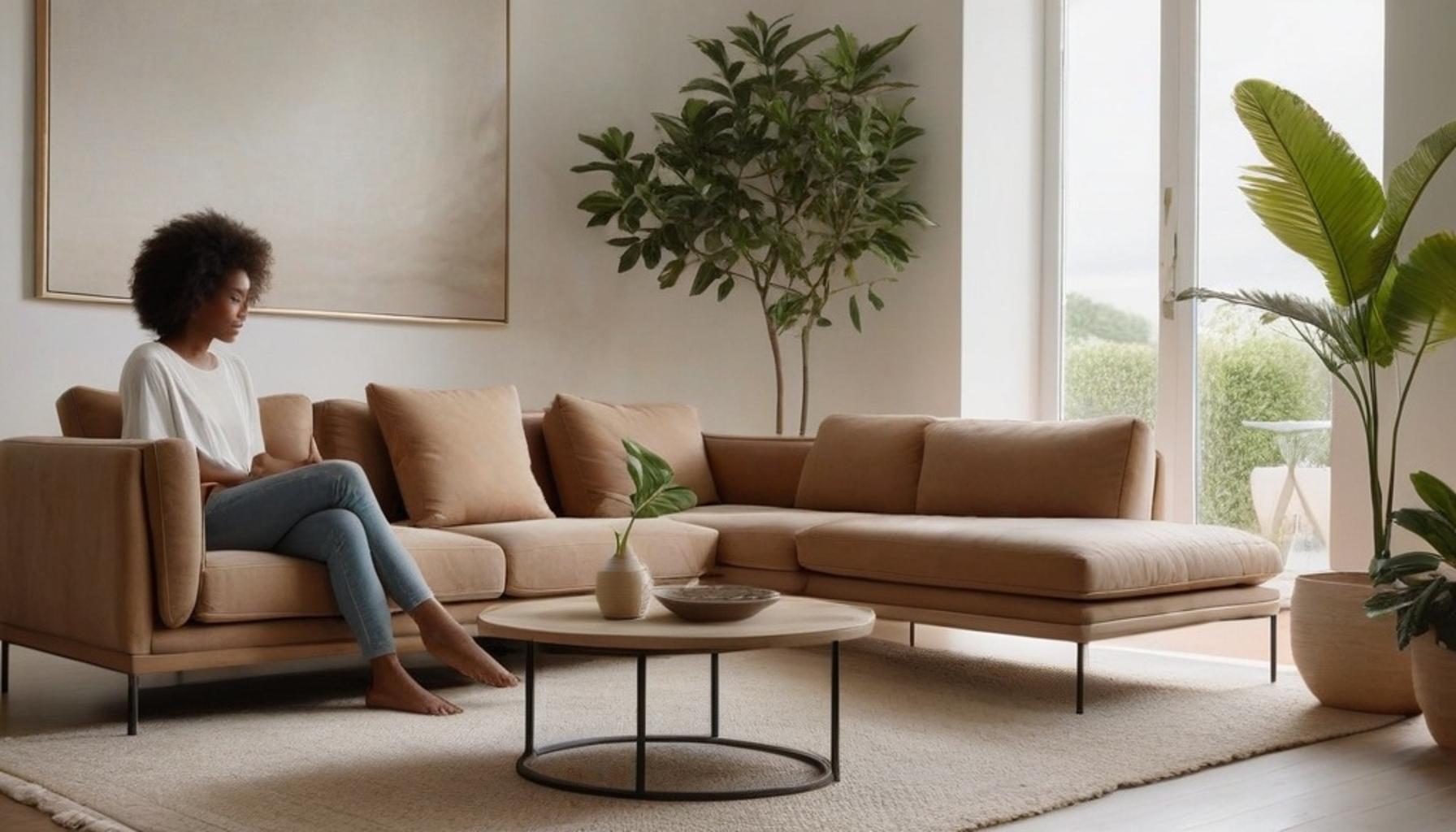
Across the United States, a growing number of homeowners are trading clutter for calm. From tiny apartments in Brooklyn to suburban houses in Austin, minimalist lifestyle organization tips are becoming essential reading for anyone craving more breathing room. This trend reflects a collective desire for simpler, more intentional living. In an era where consumerism is ubiquitous, minimalism stands out as a refreshing counterpoint, emphasizing quality over quantity.
The numbers tell a compelling story. According to recent housing surveys, the average American home contains over 300,000 items. From clothes and toys to gadgets and furniture, much of this accumulation can lead to overwhelming environments. Studies show that clutter contributes directly to stress and reduced focus, often hindering productivity and personal well-being. The psychological impacts of clutter, including anxiety and distraction, have motivated many to reassess their living spaces.
The Shift Toward Purposeful Living
Minimalism is not solely about owning less; it’s about cultivating functional spaces that support daily routines without unnecessary distractions. The minimalist philosophy encourages individuals to consider each item’s purpose and value before allowing it into their homes. Whether you’re working with a studio apartment in San Francisco or a four-bedroom house in the suburbs, the principles of minimalism remain universally applicable. Smart design choices, such as multipurpose furniture and open floor plans, can transform chaotic rooms into purposeful, breathable environments.
What This Guide Covers
This article explores practical strategies for achieving lasting order at home. Readers will discover:
- Proven decluttering tips for minimalism that go beyond one-time purges, emphasizing the importance of continuous evaluation of belongings.
- Room-by-room minimalist design ideas tailored to different lifestyles, from young professionals to families.
- Clever organization hacks for small spaces, including studio apartments and shared housing, utilizing vertical storage and hidden compartments.
- Storage solutions that blend function with aesthetic simplicity, such as decorative baskets and streamlined shelving.
- Long-term habits that sustain minimalism home organization beyond the initial cleanup, focusing on regular assessments and mindful purchases.
By the end, readers will have a clear roadmap for redesigning their environment. The goal isn’t perfection—it’s creating spaces that genuinely serve how people live, work, and relax every day. With actionable insights and a refreshing perspective on home organization, this guide will inspire anyone sensing the weight of clutter pressing down on their lives, leading them toward a more tranquil and focused existence.
YOU MAY ALSO LIKE: The Art of Living with Less: How Minimalism Can Transform Your Daily Life
Laying the Groundwork: How to Create Functional Spaces That Last
Before diving into storage bins and shelving units, successful minimalists understand a fundamental truth: organization without purpose is just rearranged clutter. Minimalist lifestyle organization tips that actually work always begin with a clear assessment of how a space gets used, not just how it looks in photographs.
Interior designers across the country, from Seattle to Miami, report a similar pattern among clients. Homeowners often invest in expensive storage systems without first asking whether an item deserves a place in the home at all. This backward approach explains why so many organizational efforts fail within months.
Assessing Your Space Before You Organize
To create functional spaces, start by evaluating each room based on three core questions: What activities happen here? What items are essential to those activities? What currently interferes with that function? This diagnostic approach shifts the focus from aesthetics to genuine usability.
Consider a typical home office. Rather than simply buying matching desk organizers, ask whether the desk itself serves its intended purpose. Many home workspaces suffer from mismatched furniture, poor lighting, and overflow items from other rooms that migrated there by accident.
A practical starting checklist includes:
- Identifying the primary function of each room, avoiding rooms that try to serve five purposes at once.
- Removing items that belong elsewhere, a common issue in shared housing and family homes.
- Measuring available space accurately before purchasing any storage solutions.
- Noting natural traffic patterns to avoid blocking pathways with furniture or bins.
- Testing temporary arrangements for a week before committing to permanent fixtures.
The Difference Between Decluttering and Organizing
Many people conflate decluttering tips for minimalism with organizing strategies, but they serve different functions. Decluttering removes what’s unnecessary; organizing arranges what remains. Skipping the first step often results in beautifully organized clutter, which defeats the entire purpose.
According to professional organizers surveyed by industry publications, roughly 80 percent of items in an average home go unused within a given year. This statistic underscores why decluttering must precede any serious organizational overhaul. Attempting to organize before removing excess items simply wastes time and money on storage solutions that shouldn’t be necessary in the first place.
Once a space has been stripped down to essentials, the real work of thoughtful minimalism home organization can begin, creating rooms that feel calm, purposeful, and genuinely livable.
DISCOVER MORE: Click here for smart storage ideas
Room-by-Room Strategies for Small Spaces and Big Impact
Apartment dwellers in cities like New York, Chicago, and San Francisco face a distinct challenge: square footage is limited, but the need for functionality remains constant. This reality has fueled a growing interest in organization hacks for small spaces, where every inch must earn its place.
Vertical storage has become one of the most reliable solutions for compact living. Wall-mounted shelving, over-the-door organizers, and stackable bins allow homeowners to maximize storage without sacrificing floor space. Closets, often underutilized, can hold double their original capacity with the right hanging systems and drawer dividers.
Multi-Purpose Furniture as a Space-Saving Tool
Furniture that serves multiple functions has become a cornerstone of modern minimalism home organization. Ottomans with hidden storage, beds with built-in drawers, and expandable dining tables reduce the need for separate pieces that clutter a room.
A studio apartment in Boston, for example, might use a fold-down desk that tucks against the wall when not in use. This single choice can free up several square feet, transforming a cramped living area into a space that feels open and intentional.
Popular multi-purpose solutions include:
- Storage ottomans that double as seating and hidden bins for blankets or seasonal items.
- Murphy beds that convert bedrooms into functional office space during the day.
- Nesting tables that expand for guests and collapse for everyday use.
- Rolling carts that shift between kitchen prep stations and bathroom storage as needed.
Applying Minimalist Design Ideas to Everyday Rooms
Kitchens and bathrooms tend to accumulate the most unnecessary items, largely because these spaces invite impulse purchases of gadgets and products. Applying minimalist design ideas here means limiting counter displays to items used daily and storing everything else out of sight.
Data from home organization studies suggests that clear countertops can reduce perceived stress in a room by a measurable margin, since visual clutter often translates into mental clutter. This is not simply about looks; freeing up your visual field genuinely affects how a space feels to occupy.
Bathrooms benefit similarly from paring down. Under-sink organizers, labeled bins, and drawer separators can turn a chaotic cabinet into an efficient system where every bottle and tool has a designated spot. These small adjustments, when applied consistently across a home, form the backbone of lasting minimalist lifestyle organization tips that hold up over time rather than falling apart after a few weeks.
DISCOVER MORE: Click here for smart storage ideas
Building a Home That Works for the Long Term
Across cities and square footage of every size, one truth stands out: the goal is not simply to own less, but to create functional spaces that support how people actually live. Vertical storage, multi-purpose furniture, and paired-down countertops are not isolated tricks. They are pieces of a larger system.
Real change happens when these strategies overlap. A Murphy bed frees up floor space, but its impact multiplies when paired with wall shelving and a decluttered closet. This layered approach is what separates a temporary tidying spree from lasting minimalism home organization.
Small Shifts, Measurable Results
Homeowners who apply consistent decluttering tips for minimalism often report a shift that goes beyond appearances. Reduced visual noise has been linked to lower stress levels, better focus, and even improved sleep quality in bedrooms kept free of unnecessary items.
These are not abstract benefits. They translate into real, everyday advantages, from finding keys faster to spending less time searching through cluttered drawers.
Where to Go From Here
Anyone ready to start should resist the urge to overhaul an entire home in one weekend. Instead, focus on one room, apply a handful of organization hacks for small spaces, and evaluate what actually improves daily routines.
Some practical next steps include:
- Auditing one closet or drawer each week rather than tackling the whole home at once.
- Testing one piece of multi-purpose furniture before committing to a full room redesign.
- Tracking which minimalist design ideas genuinely reduce daily friction versus those that only look appealing.
Ultimately, the most effective minimalist lifestyle organization tips are the ones tailored to individual routines, not rigid rules borrowed from someone else’s home. A functional space is one that adapts to its occupant, proving that less clutter can genuinely mean more room to live.
Frequently Asked Questions
What are some quick organization tips for small spaces in a minimalist lifestyle?
To maximize small spaces, consider multi-functional furniture like ottomans with storage or foldable tables. Utilize vertical space with wall-mounted shelves, and categorize items by function or frequency of use. Regularly review and declutter to keep only what you truly need.
How can I incorporate minimalist principles into my home office organization?
Start by decluttering your desk and removing any non-essential items. Use organizers like drawer dividers or wall-mounted racks to keep necessary supplies visible yet contained. Choose a simple color palette for decor to maintain a calm and focused workspace.
What storage solutions work best for creating a minimalist kitchen?
Focus on open shelving to display only essential cookware and dishes, reducing visual clutter. Use clear containers for dry goods to easily see contents while maintaining a neat appearance. Additionally, regularly assess kitchen tools to eliminate those you seldom use.
How can I make my bedroom more organized in a minimalist way?
Limit your bedroom to essential furniture, such as a bed and a nightstand, to create an open feel. Implement under-bed storage for seasonal items and clothes you don’t frequently access. Regularly clean out your closet to maintain only those pieces you wear regularly.
What are effective ways to organize a minimalist living room?
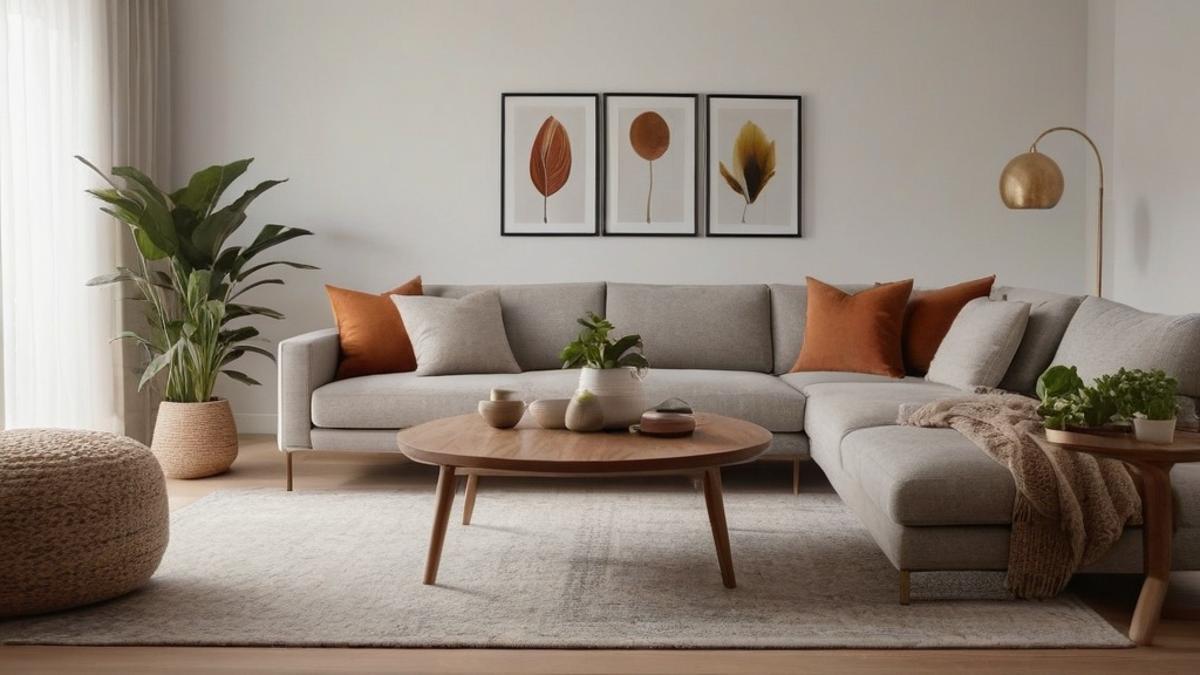
Choose a few statement pieces instead of multiple decorations to keep the space feeling uncluttered. Use storage baskets or minimalist cabinets to neatly store items like blankets or books. Regularly reassess the decor to ensure it aligns with your minimalist principles.
How often should I declutter my home to maintain a minimalist lifestyle?
It’s recommended to declutter at least once every season, but you can also do a monthly check-in to remove any items that are no longer serving you. Implement a ‘one in, one out’ rule to prevent acquiring new items. Practicing this regularly helps reinforce minimalism and keeps your space functional.

Linda Carter
Linda Carter is a writer specializing in minimalism and personal organization. With extensive experience helping readers create more functional and balanced routines, she shares practical advice on decluttering, organizing spaces, simplifying daily tasks, and making more intentional choices. Her goal is to offer clear guidance and accessible strategies that help people reduce excess, improve their surroundings, and enjoy a calmer, more organized lifestyle.