Spatial Organization: Creating Calm Environments in a Chaotic World
Why Your Environment Shapes Your Peace of Mind
Americans spend an average of 90% of their time indoors, according to the Environmental Protection Agency (EPA). This stark statistic highlights how essential our indoor environments are to our overall well-being. However, most homes and offices are designed with functionality in mind, often neglecting the mental health aspects of spatial arrangement. The consequences are apparent: cluttered kitchen counters, overflowing closets, and workspaces that feel more chaotic than productive can lead to persistent feelings of stress and anxiety.
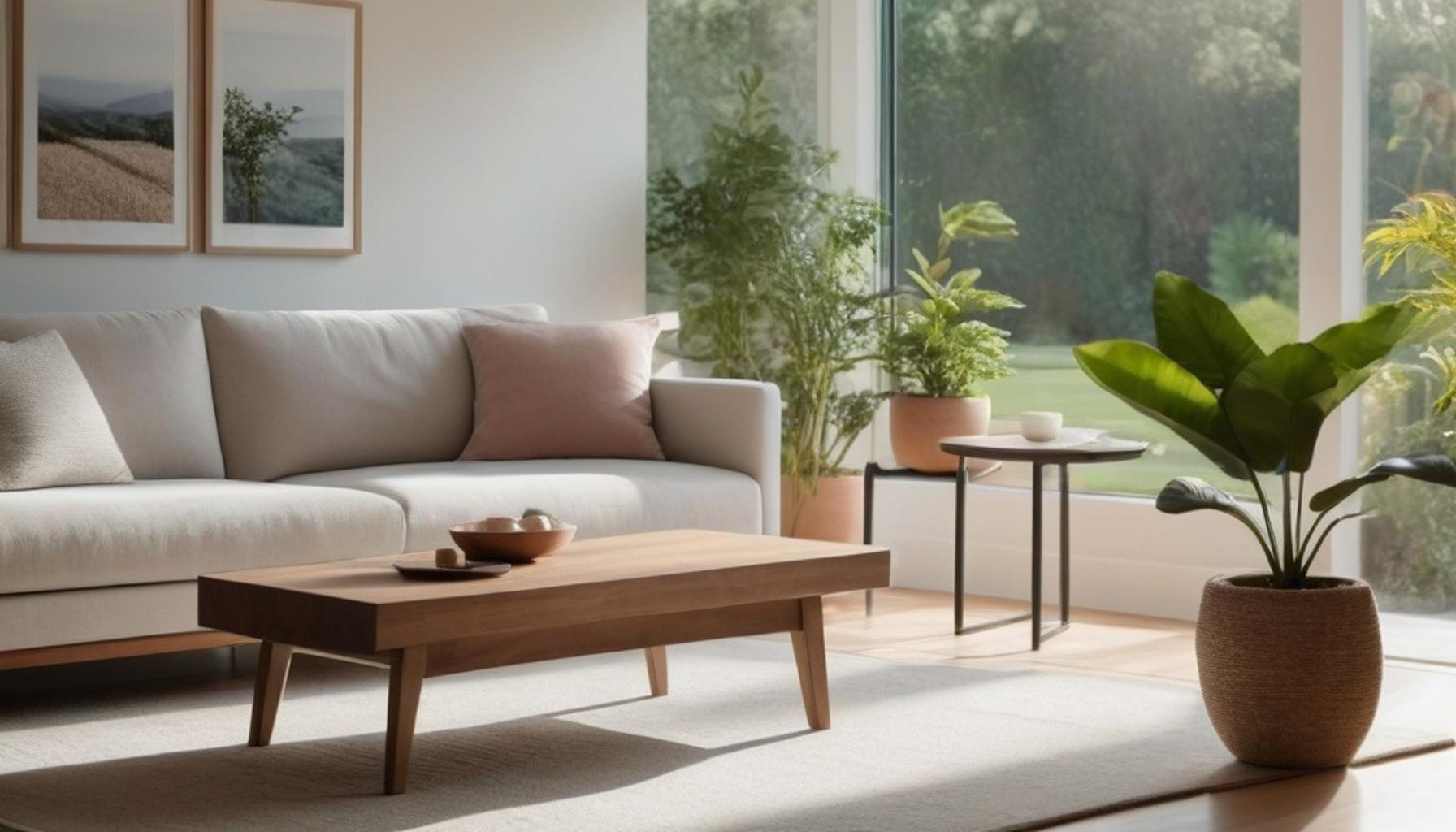
Fortunately, spatial organization is emerging as a potent antidote to this modern overwhelm. It transcends mere tidiness; it represents a deliberate design philosophy aimed at transforming physical space into a conduit for serenity. A well-organized environment can create emotional spaces, promoting not just physical comfort but also mental clarity and focus.
The Science Behind Cluttered Spaces and Stress
Research by Princeton University supports the notion that visual clutter can compete for our attention, making it more challenging to concentrate and elevating levels of cortisol, the stress hormone. It’s a simple yet profound concept: a chaotic room creates a chaotic mind. Each stray item can serve as a reminder of tasks left undone, amplifying feelings of anxiety.
This is where intentional design and organization come into play. By applying proven strategies, anyone can transition a stress-inducing space into a sanctuary that nurtures well-being. For instance, think about the following approaches:
- Decluttering for peace — This involves systematically removing excess items from your space to minimize visual noise. Many find that simply clearing off surfaces such as kitchen tables or desks can provide an instant sense of tranquility.
- Minimalist living spaces — Embracing a “less is more” philosophy can foster mental clarity. By focusing on fewer possessions, individuals create environments that promote calm rather than chaos.
- Feng shui principles — This ancient practice involves arranging furniture and decor to create a harmonious balance and improve energy flow. Simple adjustments, like adjusting the position of a sofa or adding plants, can profoundly affect mood and stability.
- Zoning strategies — Designating specific areas for work, rest, and relaxation helps to create a structured environment where activities can flow seamlessly. For example, keeping your workspace separate from your relaxation area can bolster productivity while also promoting leisure.
What This Article Will Cover
This guide delves into practical design tips for tranquility that are tailored to fit the diverse nature of American homes—from cozy lofts in urban settings to spacious suburban houses. You will uncover actionable steps that are easy to implement and are grounded in the principles of good design.
Are you ready to reclaim your space—and regain your sanity? Join us as we explore strategies that make creating calm environments accessible to everyone, regardless of budget or square footage. Discover how a few thoughtful changes can transform your indoor experience and elevate your overall quality of life.
CHECK OUT: The Art of Letting Go: How Simplified Living Can Transform Your Space and Your Life
# The Psychology of Place: How Room Layout Rewires Your BrainWalk into a hotel room. Notice the crisp linens, clear nightstands, and unobstructed pathways. Within seconds, most people feel a wave of relaxation wash over them. This isn’t a coincidence—it’s neuroscience in action.Our brains are constantly scanning environments for information, and cluttered spaces demand significantly more cognitive processing power than organized ones. A study published in the *Journal of Neuroscience* found that when visual stimuli compete for attention, neurons representing each object suppress the activity of neurons representing competing objects. In plain terms: too much stuff means too much mental noise.This explains why Spatial Organization has become such a critical topic for American households navigating increasingly busy, screen-saturated lives. It’s not merely an aesthetic preference—it’s a functional necessity for cognitive health.## The Hidden Cost of Disorganized SpacesConsider this: the average American household contains roughly 300,000 items, according to the LA Times. From kitchen gadgets to seasonal decorations, these possessions accumulate silently, often without our full awareness.The psychological toll of this accumulation manifests in several ways:
- Decision fatigue — Every visible item represents a micro-decision (keep, move, discard), depleting mental energy before the day even begins.
- Delayed task completion — Studies from UCLA’s Center on Everyday Lives of Families found that cluttered homes correlate with elevated cortisol levels, particularly among women managing household responsibilities.
- Reduced sleep quality — Research from St. Lawrence University revealed that individuals with cluttered bedrooms were more likely to experience sleep disturbances than those in tidy spaces.
- Impaired focus — Remote workers report a 20% increase in perceived productivity when their workspace is intentionally organized versus improvised.
## Reframing Organization as Emotional ArchitectureRather than viewing organization as a chore, forward-thinking designers now treat it as emotional architecture—the deliberate construction of spaces that support specific feelings and functions.This shift matters because it changes the conversation. Instead of asking “How do I clean this room?” the better question becomes: “What feeling do I want this space to generate?”Minimalist living spaces often succeed not because they contain fewer items, but because every remaining object serves an intentional purpose. A Brooklyn apartment with three carefully chosen chairs can feel more peaceful than a suburban living room packed with furniture nobody uses.Similarly, decluttering for peace isn’t about achieving sterile emptiness. It’s about creating breathing room—both literally and psychologically—so your mind has space to process, rest, and recharge rather than constantly categorizing visual information.Understanding this distinction sets the foundation for everything that follows: practical, budget-friendly strategies for transforming any American home into a genuine sanctuary.
CHECK OUT: Digital Minimalism: Simplifying Technology for a Fuller Life
Ancient Wisdom Meets Modern Science
Long before neuroscientists studied cluttered visual fields, ancient traditions understood something profound about the relationship between environment and wellbeing. Feng shui principles, developed in China over 3,000 years ago, emphasize the flow of energy through deliberate placement of objects, furniture, and even color.
Modern interior designers, including those featured in Architectural Digest, increasingly borrow from these principles—not for mystical reasons, but because they align remarkably well with contemporary environmental psychology.
Consider the feng shui concept of avoiding furniture that blocks natural pathways. Western researchers now confirm this through studies on “wayfinding stress,” which shows that obstructed walkways trigger subtle anxiety responses even when people aren’t consciously aware of the obstruction.
The Command Center Concept
One principle gaining traction in American homes is positioning key furniture—like a bed or desk—in a “command position,” meaning it has a clear view of the room’s entrance without being directly in line with the door.
This isn’t superstition. Evolutionary psychologists suggest humans retain ancestral wiring that scans for potential threats entering a space. A desk facing away from the door, for instance, can subtly elevate background stress throughout an eight-hour workday.
Zoning: The Overlooked Strategy for Calm Environments
Beyond individual object placement, Spatial Organization experts point to “zoning” as a transformative strategy, particularly relevant for the open-concept floor plans popular in American new-construction homes.
Zoning means designating specific areas for specific activities, even within a single room. A 2022 survey by the National Association of Home Builders found that 68% of buyers still prefer some room separation, citing mental fatigue from constantly multitasking across undefined spaces.
Practical zoning strategies include:
- Visual anchors — Using rugs or lighting fixtures to signal where one activity zone ends and another begins.
- Furniture as boundaries — Positioning bookshelves or console tables to create subtle separation without walls.
- Single-purpose surfaces — Reserving one counter or desk exclusively for work, preventing bleed-over between rest and productivity zones.
The Data Behind Dedicated Spaces
A Stanford University study on remote work environments found that employees with clearly zoned workspaces—separate from sleeping or leisure areas—reported 34% lower end-of-day stress compared to those working from beds or shared multipurpose tables.
This reinforces a core truth about minimalist living spaces: the goal isn’t emptiness for its own sake, but clarity of purpose. When every zone communicates its function instantly, the brain stops working overtime to interpret ambiguous surroundings.
CHECK OUT: The Art of Living with Less: How Minimalism Can Transform Your Daily Life
Bringing It All Together: Spatial Organization as a Lifelong Practice
The evidence is clear: our physical surroundings shape our mental state far more than most Americans realize. From ancient feng shui principles to Stanford’s stress research, one theme repeats itself—intentional design reduces cognitive load and restores a sense of control.
Spatial Organization isn’t a one-time weekend project. It’s an ongoing relationship with the spaces we inhabit daily, whether that’s a downtown apartment or a suburban home with an open floor plan.
Creating calm environments doesn’t require a total renovation or a five-figure design budget. Small, deliberate choices—repositioning a desk, adding a rug to define a zone, clearing a single countertop—can produce measurable shifts in stress levels.
These design tips for tranquility work because they respect how the human brain actually processes visual information: it craves clarity, predictable pathways, and purposeful boundaries.
It’s worth remembering that decluttering for peace isn’t about achieving a sterile, magazine-perfect look. Real homes have books, hobbies, and family clutter. The goal is intentional placement, not elimination.
Looking ahead, expect to see more crossover between behavioral science and interior design, especially as remote work and multipurpose living continue reshaping American homes. Architects and psychologists alike are paying closer attention to how square footage translates into mental bandwidth.
Ultimately, minimalist living spaces and thoughtful zoning aren’t aesthetic trends—they’re practical tools for navigating an increasingly chaotic world. The next time a room feels overwhelming, consider that the fix might not be more effort, but simply better placement.
Frequently Asked Questions
What are the key principles of spatial organization in interior design?
The key principles of spatial organization include balance, flow, scale, and function. Balance involves distributing elements evenly throughout a space, while flow ensures a natural movement within the environment. Scale relates to the size of furniture and decor in relation to the overall room, and function emphasizes purposeful placement of items to enhance usability and comfort.
How can spatial organization reduce stress in a home environment?
Spatial organization can significantly reduce stress by creating a sense of order and predictability. When items are logically arranged and spaces are decluttered, it minimizes distractions and promotes relaxation. This well-organized layout can help individuals feel more in control and improve their overall mental well-being.
What are some practical tips for implementing spatial organization in a small apartment?
In a small apartment, consider using multi-functional furniture to maximize space and minimize clutter. Utilize vertical storage solutions such as shelves and hooks, and keep frequently used items accessible while storing less-used items out of sight. Creating defined zones for different activities can also help maintain organization and a calm atmosphere.
How does spatial organization impact productivity in a workspace?
Spatial organization in a workspace directly influences productivity through improved focus and reduced distractions. An organized desk with clearly defined areas for tasks can enhance workflow and efficiency. Additionally, incorporating elements such as natural light and personal touches can foster a more inviting and motivating environment.
Can color choices in spatial organization affect the ambiance of a room?
Yes, color choices can significantly affect the ambiance of a room and play a crucial role in spatial organization. Lighter colors tend to make spaces feel larger and more open, while darker shades can create a cozy, intimate atmosphere. Additionally, incorporating soothing colors like blues and greens can promote calmness and relaxation in a space.

Linda Carter
Linda Carter is a writer specializing in minimalism and personal organization. With extensive experience helping readers create more functional and balanced routines, she shares practical advice on decluttering, organizing spaces, simplifying daily tasks, and making more intentional choices. Her goal is to offer clear guidance and accessible strategies that help people reduce excess, improve their surroundings, and enjoy a calmer, more organized lifestyle.