Functional Spaces: Creating Environments that Reflect Minimalism in Your Daily Life
Across the United States, a quiet shift is happening inside homes and apartments. From tiny houses in Portland to downtown condos in Chicago, people are trading overflowing closets for open, breathable rooms. This cultural transformation signifies not just a trend in design but also a shift in the way individuals perceive their living environments.
This movement centers on Functional Spaces — areas designed with purpose, not just decoration. Spaces that breathe and allow residents to engage fully in their daily lives, and that accommodate their needs without overwhelming them with excess. It’s crucial to understand that this evolution in interior design aligns with a broader lifestyle change, advocating for a more intentional and less chaotic environment.
Why Minimalism Is Gaining Ground
Recent studies suggest the average American home contains over 300,000 items, yet most rooms only utilize a fraction of these possessions regularly. This imbalance can lead not only to stress but also to a feeling of disarray and a lack of tranquility in one’s living space. The more items that accumulate around us, the harder it can be to maintain focus and calm.
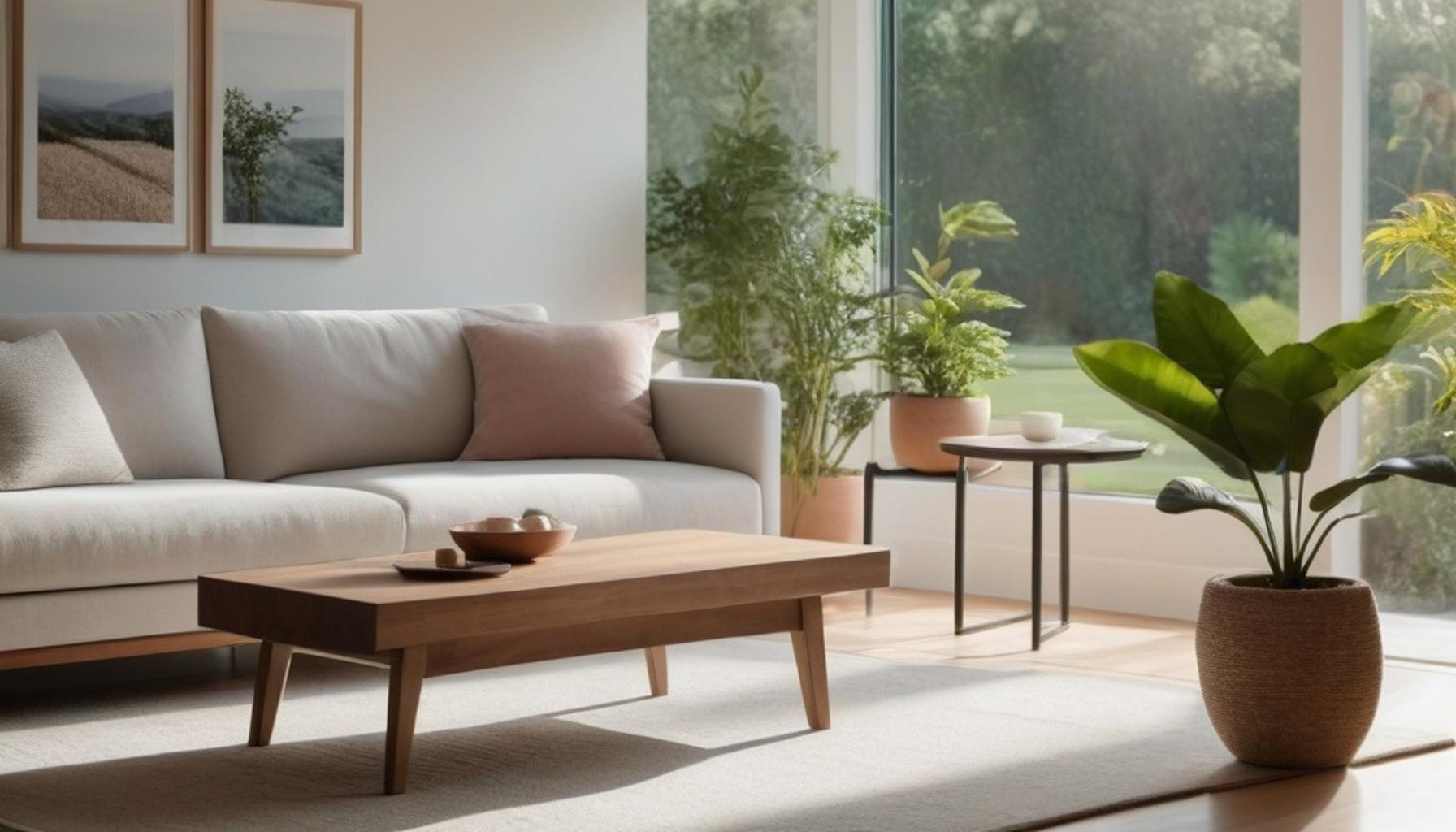
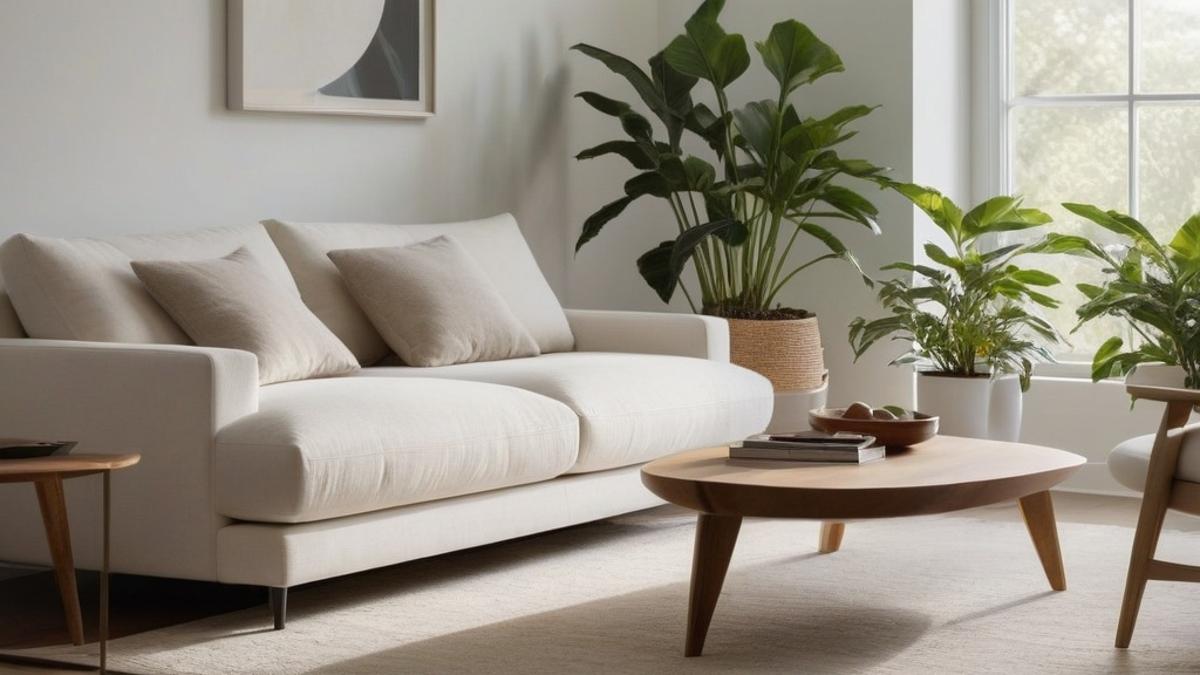
Minimalist design ideas offer a direct answer to this problem. They encourage homeowners to focus on intention: every object, surface, and room serves a clear role. This approach extends beyond mere aesthetics; it cultivates a mindset of valuing experiences and relationships over the accumulation of material possessions. For example, a living room furnished with only a comfortable sofa, a well-placed coffee table, and a few chosen decorative pieces can foster a welcoming atmosphere conducive to conversation and relaxation, unlike a cluttered space filled with items that serve no real purpose.
What This Article Will Explore
This piece aims to break down practical ways to create a minimalist home without sacrificing comfort or personality. Expect real strategies, not vague inspiration, that can be applied readily in everyday life.
- How to identify and eliminate visual clutter room by room, focusing on one area at a time to prevent overwhelm.
- Simple decluttering tips that take less than 20 minutes a day, making it easy to incorporate into a busy schedule while fostering a sense of achievement.
- Design principles behind functional living spaces that adapt to work, rest, and family life, such as multi-purpose rooms that transition from home office to family gathering spaces effortlessly.
- Ways to apply minimalism in daily life, beyond furniture and storage, including digital decluttering and simplifying daily routines to enhance overall well-being.
By exploring these ideas, readers will gain a clearer understanding of how to cultivate a living space that feels calmer, more organized, and truly livable. Transforming a home into a minimalist haven fosters not only aesthetic pleasure but also an enriching environment that supports personal growth and a balanced lifestyle.
LEARN MORE: Simplifying the Daily Routine: Practical Tips for a Lighter Life
The Anatomy of a Functional Space
Walk into any well-designed room, and you’ll notice something before you can even name it: everything seems to have a reason for being there. This is the essence of Functional Spaces — rooms engineered around use, not just visual appeal. Unlike traditional design approaches that often prioritize how a space looks in photographs, functional design asks a more practical question: how will this room actually be lived in?
Consider the kitchen in a typical suburban home outside Austin, Texas. A functional version of that kitchen wouldn’t feature every gadget available at a big-box store. Instead, it would house only the tools used regularly — a good knife, a reliable pan, perhaps a stand mixer if baking is a weekly ritual. Everything else, no matter how appealing in a catalog, gets removed from the equation.
Breaking Down the Core Elements
Design experts and organizational consultants across the country tend to agree on a handful of principles that define functional living spaces. These aren’t rigid rules, but rather a framework that adapts to different lifestyles, family sizes, and budgets.
- Purposeful furniture selection — choosing pieces that serve more than one function, such as a storage ottoman or a expandable dining table.
- Open sightlines — arranging rooms so the eye isn’t interrupted by unnecessary objects, which studies link to lower reported stress levels.
- Defined zones — even in small apartments, separating areas for work, rest, and eating helps the brain transition between activities more smoothly.
- Accessible storage — keeping items within easy reach reduces the temptation to leave things out, one of the most common causes of clutter buildup.
These elements work together, not in isolation. A beautifully designed reading nook loses its function if it’s also where mail, laundry, and miscellaneous chargers accumulate. This is where minimalist design ideas intersect with practicality — the goal isn’t emptiness for its own sake, but clarity of purpose.
A Shift in How Americans Value Their Homes
According to a 2023 survey by the National Association of Home Builders, more than 60% of new homeowners ranked flexible, multi-use rooms above larger square footage when prioritizing design features. This marks a significant departure from decades of “bigger is better” thinking that dominated American real estate.
The shift suggests that people are beginning to create a minimalist home not because they have less, but because they want more control over how their space serves them. This distinction matters. Minimalism, in this context, isn’t about deprivation — it’s about intention, and it sets the stage for the practical strategies explored throughout the rest of this article.
LEARN MORE: The Practice of Less is More: How Minimalism Can Improve Your Personal Relationships
Room-by-Room Strategies for Everyday Minimalism
Amid the hustle and bustle of modern life, the need for a calm and collected environment has never been more prevalent. Embracing minimalism isn’t just about aesthetics; it’s about enhancing functionality and promoting well-being. Adopting room-by-room strategies tailored to the specific uses of each space can lead to a more harmonious home. It’s essential to approach each area with a clear understanding of how it serves your lifestyle, particularly in a nation where work, leisure, and personal space frequently collide.
The Bedroom as a Recovery Zone
Experts agree that a highly organized bedroom can play a vital role in achieving restful sleep. Studies conducted across numerous sleep clinics in the United States indicate that clutter in the bedroom can significantly detract from the quality of rest, leading to increased stress and anxiety. For instance, a crowded nightstand filled with various items can contribute to distractions, making it difficult for the mind to unwind at the end of the day.
To cultivate a restful atmosphere, implement the principle that only items that support sleep, dressing, or relaxation should inhabit the bedroom. This could involve relocating a home office setup that has encroached upon your tranquil space, or letting go of clothes that haven’t graced your body in over a year. Consider a closet purge; according to a survey by ClosetMaid, nearly 60% of people feel that their closet’s disarray contributes to their everyday stress levels. Small alterations can amplify over time, engendering a calmer, more inviting retreat where it becomes easier to escape the worries of daily life.
Living Rooms Built for Real Life
In the United States, living rooms often juggle multiple roles—be it a social hub, a space for relaxation, or an area for entertainment. Thus, it is crucial to approach the design of this space with intention. The goal is not to strip away its multifunctionality but rather to create zones that cater to various activities without sacrificing flow or coherence.
- Media consoles with closed storage effectively conceal clutter such as wires, remotes, and games, promoting a sleek appearance while keeping functionality intact.
- Modular seating offers flexibility; sofas or chairs can be rearranged to accommodate a movie night or spontaneous get-togethers, allowing for social dynamics to flourish without necessitating new purchases.
- A single focal point—be it an art piece, a window view, or a fireplace—helps anchor the room’s design, fostering an intentional space that draws the eye and minimizes visual chaos.
According to interior designers from metropolitan areas such as Portland and Denver, there is an increasing trend in client requests for living rooms that transition seamlessly from a quiet reading nook during daylight hours to lively gathering spaces as dusk falls. This adaptability captures the essence of a modern home, illustrating how functional design can enhance day-to-day life without overwhelming the senses.
The Home Office Reconsidered
The rise of remote and hybrid work models has marked a pivotal shift in the function of the home office. A significant Pew Research Center study conducted in 2022 revealed that 59% of workers with remote-capable jobs are now working from home most or all of the time. This statistic underscores the importance of designing a workspace that enhances productivity while maintaining comfort and order.
Functional home offices are characterized by a streamlined approach to surface clutter; limit the items on your desk to those necessary for the current task at hand. This might include a simple notebook, the laptop, and a single pen. Additionally, embracing digital solutions for document storage not only conserves physical space but also aids in mental clarity. Utilizing vertical space through shelves and wall organizers can maximize efficiency, allowing for an organized environment that supports focus without expanding the desk’s footprint.
This intentional simplification can significantly improve productivity, aligning perfectly with the principles of minimalism. By eliminating distractions in the workspace, individuals can refine their workflow, ensuring that their home office supports their professional aspirations rather than detracting from them. Embracing such strategies illustrates how the practical application of minimalism can foster creativity and efficiency in a fast-paced world.
Ultimately, adopting a minimalist mindset room by room not only enhances the overall aesthetic but also promotes a sustainable and functional lifestyle, one that harmonizes with our demanding daily rhythms.
Bringing It All Together: Designing Functional Spaces That Last
Creating functional spaces is not a one-time overhaul; it’s an ongoing dialogue between how you live and how your home supports that life. From the recovery-focused bedroom to the adaptable living room and the streamlined home office, each strategy discussed underscores a single truth: intentionality trumps accumulation. Minimalism in daily life isn’t about deprivation—it’s about ensuring every object and every square foot earns its place.
Small Shifts, Lasting Impact
The data speaks for itself. Cluttered closets contribute to stress for 60% of Americans, while nearly 59% of remote-capable workers now rely on home offices that demand clarity over chaos. These figures reveal that minimalist design ideas aren’t just trendy—they’re a response to real, measurable friction in modern life.
As you continue to create a minimalist home, consider these final decluttering tips to sustain momentum:
- Reassess quarterly—needs shift with seasons, careers, and life stages.
- Question new purchases—ask whether an item earns its keep before it enters your space.
- Involve the household—shared buy-in ensures functional living spaces remain that way.
Ultimately, the goal is a home that adapts to you, not one you must constantly manage. As remote work, urban living, and fast-paced schedules continue to reshape American households, the appetite for clarity and calm will only grow. Those willing to explore these principles further may find that minimalism isn’t a passing aesthetic—it’s a practical, evolving framework for living well.
Frequently Asked Questions
What are functional spaces in a minimalist home?
Functional spaces in a minimalist home are areas designed to be both practical and aesthetically pleasing, emphasizing simplicity and utility. Each space serves a distinct purpose while minimizing clutter and distractions, allowing for a more serene living environment.
How can I start transforming my living room into a functional space?
To transform your living room into a functional space, begin by decluttering and removing items that you don’t use regularly. Choose multi-functional furniture, such as a coffee table with storage, and keep decorative elements minimal to enhance the room’s purpose without overwhelming it.
What are some key principles of designing a functional workspace?
Designing a functional workspace involves prioritizing organization, ergonomics, and minimal distractions. Start by investing in a comfortable chair and desk, use organizers to keep essential items within reach, and maintain a clutter-free environment to enhance focus and productivity.
Can functional spaces work in small apartments?
Yes, functional spaces can be highly effective in small apartments by using design strategies that maximize limited square footage. Incorporate space-saving furniture, utilize vertical storage solutions, and choose a light color palette to create an open and airy feel, ensuring every square inch serves a purpose.
How does minimalism in functional spaces impact daily life?
Minimalism in functional spaces promotes mental clarity and reduces stress by eliminating visual clutter and simplifying your environment. This intentional approach can lead to greater focus, improved productivity, and a more organized lifestyle, allowing you to spend more time on what truly matters.

Beatriz
Beatriz Johnson is a seasoned minimalist and writer with a passion for simplifying the complexities of personal organization and intentional living. With over a decade of experience in decluttering strategies and mindful consumption, she specializes in topics like space optimization, habit simplification, and sustainable lifestyle choices. Through her work on our website, Beatriz empowers readers to embrace minimalism, reduce mental and physical clutter, and create more meaningful, organized lives in today's fast-paced world.