Maximizing Small Spaces: Optimization Strategies in Minimalist Environments
Why Small Space Living Is Reshaping American Homes
The average American apartment has surprisingly shrunk to under 900 square feet. Yet, amidst this decline in space, there is an unprecedented demand for stylish and functional homes. Maximizing Small Spaces has transformed from a fleeting trend into an essential lifestyle choice, particularly for city dwellers facing skyrocketing rents and limited housing options. From Brooklyn studios to San Francisco micro-units, individuals are finding creative ways to make the most of their diminutive dwellings.
In urban landscapes where high rent and increased population density prevail, the distance between one’s need for comfort and available living space is often vast. This disparity necessitates innovative approaches to home organization and design—thus the rise of smart small space organization strategies. As people seek to create a sense of home in their smaller surroundings, they are turning to a variety of techniques that enhance both livability and aesthetic appeal.
What This Guide Will Cover
Minimalist design transcends the notion of owning less; it embodies the philosophy of enriching life experiences within confined spaces. Throughout this article, we will explore proven methods that designers and homeowners across the nation are implementing to tackle the small-space conundrum.
- Space-saving furniture solutions are pivotal in curtailing clutter. Popular items like Murphy beds that fold away into a wall or expandable tables that can comfortably seat six when needed but collapse for easy storage, are some of the highly sought-after solutions.
- Next, we will provide room-by-room decluttering small spaces checklists to help you tackle unwanted items systematically. This involves not just throwing things out, but making intentional choices about what serves a purpose in your life.
- Vertical storage hacks allow homeowners to add square footage without the need for costly renovations. Using shelves, hooks, and pegboards can dramatically alter the usability of space, utilizing areas above eye level that often go ignored.
- Interior design for small areas will be examined, with focus on color palettes and lighting techniques that can create an illusion of space. Lighter colors can make walls feel more expansive, while strategically placed mirrors can offer a reflection that doubles perceived dimensions.
Whether you reside in a cozy 400-square-foot studio or a compact suburban starter home, these minimalist living tips will furnish you with practical, actionable insights. Expect advice that is firmly grounded in modern design principles adopted by professionals across various fields.
Are you eager to transform limited square footage into a functional and visually appealing sanctuary? Dive into the strategies that will empower you to elevate the experience of small living, making it feel not just livable but luxurious.
SEE ALSO: Maximizing Small Spaces: Minimalist Organization Strategies for Compact Apartments
The Multi-Functional Furniture Revolution
Walk into any well-designed micro-apartment today, and you’ll notice something immediately: nothing serves just one purpose. This is the cornerstone of Maximizing Small Spaces—furniture that works overtime to justify its footprint. As urban living spaces continue to shrink, smart design solutions have evolved to provide functionality and style in compact environments.
Manufacturers have taken notice of this burgeoning trend. Companies like Resource Furniture and IKEA now offer entire product lines dedicated to space-saving furniture. These range from innovative sofa beds with built-in storage drawers to coffee tables that rise into full dining surfaces. In densely populated cities like New York and Boston, where a simple studio apartment can command rents exceeding $2,500 a month, maximizing every square foot becomes not just a necessity but a financial imperative.
Consider the practical implications: a Murphy bed setup can reclaim roughly 35 to 50 square feet of floor space during daytime hours. For someone paying premium rent per square foot, this isn’t just a minor convenience—it’s a tangible return on investment. This unlocking of space can dramatically alter how one lives and interacts within their environment, enabling more dynamic uses of space throughout the day.
Furniture Pieces Worth the Investment
However, not all multi-functional furniture is created equal. Based on insightful interviews with interior designers specializing in compact living solutions, several pieces consistently outperform others in terms of utility and space optimization:
- Storage ottomans that double as seating, coffee tables, and hidden storage for blankets or seasonal items. These versatile pieces can seamlessly transition from a cushy footrest to a makeshift table for guests.
- Wall-mounted drop-leaf tables are an excellent option that folds flat against the wall when not in use, creating a minimalist look while being perfectly functional in small studio kitchens.
- Loft beds with integrated desks or closets underneath are particularly popular in college towns and starter apartments alike, providing essential sleeping space while maximizing the footprint of the living area.
- Nesting side tables that stack together offer flexible surface area without permanent bulk, easily adjusting according to the needs of small gatherings or daily use.
- Sofa sleepers with memory foam mattresses, which have dramatically improved in comfort over the past decade, provide an opportunity for comfortable overnight accommodations without sacrificing space during the day.
These cleverly designed items are more than just fashionable gadgets; they symbolize a fundamental shift in how many Americans are approaching small space organization. Rather than accumulating furniture piece by piece, homeowners are increasingly asking one pivotal question before every purchase: does this item earn its place?
This intentional mindset extends beyond the realm of furniture shopping. It contributes to a broader cultural movement toward intentional living, where the philosophy behind minimalist living tips aligns directly with practical space constraints. Designers now report that clients request quotes for convertible furniture at nearly triple the rate seen just five years ago, reflecting a significant shift in consumer preferences and lifestyles.
The takeaway is clear: in constrained environments, furniture must be evaluated not only by its individual appeal but also by its versatility and adaptability across various daily routines. For those navigating the challenges of modern living, investing in multi-functional furniture is not just a matter of style but of necessity. The smart choices made today can transform limited spaces into stylish, comfortable homes that meet all the challenges of urban life.
LEARN MORE: Minimalism in Practice: Space Optimization Techniques for Home Offices
Vertical Thinking: Reclaiming the Space You’re Already Paying For
Most renters and homeowners obsess over floor space, but the real untapped territory in Maximizing Small Spaces lies overhead. Ceiling height, often ignored, represents square footage that landlords rarely factor into pricing, yet it can transform how a room functions.
Professional organizers increasingly point to vertical storage as the single most underutilized resource in American homes. Floor-to-ceiling shelving units, for instance, can add upwards of 20 to 30 percent more storage capacity compared to standard waist-high bookcases, without expanding a room’s footprint by even an inch.
This approach has gained particular traction in cities like San Francisco and Chicago, where older apartment buildings often feature nine or ten-foot ceilings. Homeowners in these units are capitalizing on that extra vertical real estate with modular shelving systems, hanging pot racks, and pegboards mounted directly onto kitchen walls.
Practical Vertical Solutions Gaining Popularity
Interior designers focused on interior design for small areas frequently recommend the following vertical strategies to clients struggling with limited square footage:
- Over-the-door organizers that utilize otherwise wasted space for shoes, cleaning supplies, or pantry items, often adding several cubic feet of storage instantly.
- Wall-mounted bike racks and hooks that free up closet or hallway space, particularly valuable in urban centers where cycling remains a primary commuting method.
- Tall, narrow bookcases positioned in corners or beside doorways, taking advantage of dead zones that typically go unnoticed during furniture shopping.
- Ceiling-mounted pot racks in kitchens, a favorite among culinary enthusiasts living in studio apartments with minimal cabinet space.
Beyond vertical storage, the practice of decluttering small spaces has evolved into something of a science. According to a 2023 survey conducted by the National Association of Productivity and Organizing Professionals, households that implement the “one in, one out” rule—removing an item every time a new one enters the home—report 40 percent higher satisfaction with their living environment.
This method aligns closely with broader minimalist living tips that have permeated mainstream culture over the past decade. Digital tools have also entered the equation, with apps like Sortly and Zeva allowing users to catalog belongings, track storage locations, and even receive reminders about seasonal item rotations.
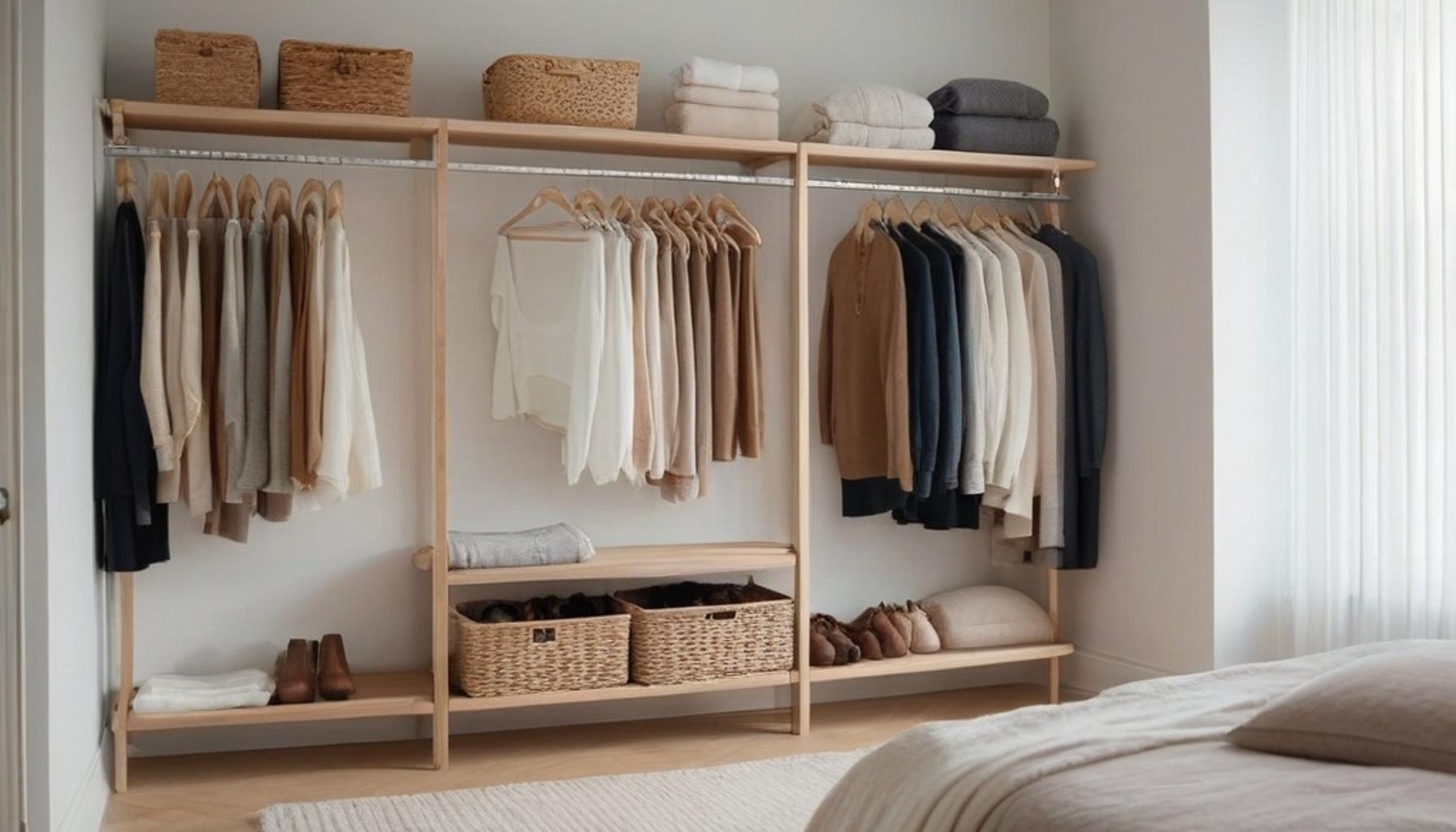
Closet systems, too, have undergone a quiet transformation. Companies specializing in custom closet design report that double-hanging rods and pull-out drawer inserts can increase usable closet space by nearly 50 percent compared to a single rod and shelf configuration.
For renters unable to make permanent modifications, tension-mounted shelving and adhesive hooks provide temporary yet effective alternatives. These solutions cater specifically to the transient nature of American urban living, where the average city dweller relocates every two to three years, according to recent Census Bureau mobility data.
Small Footprint, Bigger Possibilities
The strategies explored throughout this piece reveal a simple truth: Maximizing Small Spaces is less about square footage and more about intention. Every wall, corner, and unused inch of ceiling represents an opportunity rather than a limitation.
From vertical shelving to modular furniture, the tools for effective small space organization have never been more accessible. What separates a cramped apartment from a functional one often comes down to strategic choices rather than expensive renovations.
Multipurpose furniture continues to lead this transformation. Convertible sofas, foldable desks, and storage ottomans demonstrate how space-saving furniture can serve multiple functions without cluttering a room’s visual flow. Meanwhile, the psychological benefits of an organized environment, reduced stress, improved focus, and better sleep quality, reinforce why so many Americans are embracing minimalist principles beyond mere aesthetics.
Data from organizing professionals and mobility studies alike suggests this movement is not a passing trend. As urban rents climb and average living spaces shrink, particularly in cities like New York and Los Angeles, residents are increasingly seeking practical, adaptable solutions rather than temporary fixes.
The consistent thread across every technique discussed, from double-hanging closet rods to floor-to-ceiling shelving, is adaptability. Interior design for small areas now prioritizes flexibility, allowing spaces to evolve alongside their occupants’ changing needs.
Perhaps the most valuable minimalist living tips emerging from this shift involve mindset as much as method. Decluttering small spaces isn’t a one-time project but an ongoing practice, one that rewards consistency over perfection.
As more households experiment with these approaches, the definition of “enough space” continues to shift. For readers ready to rethink their own environments, the next step may simply be looking up, clearing out, and asking what their space could become.
Frequently Asked Questions
What are some effective furniture choices for maximizing small spaces?
When maximizing small spaces, opt for multifunctional furniture like a sofa bed or a coffee table with storage. Consider pieces that can be easily folded or nested, such as collapsible chairs or ottomans. Always measure your space before purchasing to ensure a good fit.
How can I use vertical space to optimize a small room?
To effectively use vertical space, install shelves or wall-mounted cabinets that draw the eye upward and provide additional storage. Utilize hooks and pegboards for items like bikes or kitchen utensils. Tall bookshelves can also make a room feel larger while offering organization.
What are some minimalist decor tips for small spaces?
In a minimalist environment, opt for a neutral color palette to create a serene atmosphere. Limit decorative items to just a few meaningful pieces and ensure every item serves a purpose. Use mirrors strategically to reflect light and create an illusion of more space.
How can light impact the feeling of space in a small room?
Natural light plays a crucial role in making small spaces feel larger and more inviting. Use sheer curtains to allow maximum sunlight and consider using artificial lighting to brighten dark corners. Layering light sources, such as floor lamps and wall sconces, can also create depth.
What organizational strategies work best for maximizing storage in small environments?
In small environments, consider utilizing baskets, bins, and drawer organizers to keep items neatly sorted. Look for under-bed storage options and over-the-door organizers to free up floor space. Regular decluttering is essential; evaluate items regularly to maintain an efficient storage system.

Linda Carter
Linda Carter is a writer specializing in minimalism and personal organization. With extensive experience helping readers create more functional and balanced routines, she shares practical advice on decluttering, organizing spaces, simplifying daily tasks, and making more intentional choices. Her goal is to offer clear guidance and accessible strategies that help people reduce excess, improve their surroundings, and enjoy a calmer, more organized lifestyle.