Transforming Underutilized Areas: Space Optimization Ideas for Minimalist Storage Solutions
Rethinking the Corners You Overlook Every Day
That awkward gap beside the refrigerator. The dead zone under the stairs. The empty wall above the closet door. Across the United States, homeowners are discovering that these forgotten pockets hold serious storage potential. In urban centers, where every square foot counts, and in sprawling suburbs that often seem limitless, the need to maximize available space is paramount.
Space optimization ideas are no longer just a trend for tiny apartments in New York or San Francisco. They’ve become essential strategies for anyone tired of clutter creeping into daily life. No longer are homeowners accepting the notion that certain spaces are unusable. Instead, they are embracing innovative solutions to find functionality in every nook and cranny.
Why Underutilized Areas Deserve a Second Look
Studies on residential space usage suggest the average American home wastes nearly 15 to 20 percent of its square footage on inefficient layouts. This shocking statistic often translates to the equivalent of an entire extra room, hiding in plain sight. This realization prompts a reevaluation of how space is perceived and used within our homes.
Turning these dead zones into functional storage isn’t just practical—it’s a mindset shift toward intentional living. Homeowners are beginning to see their living environments as opportunities for optimization rather than limitations. For example, instead of simply ignoring the space beneath the stairs, individuals are transforming it into a chic mini-library or a cleverly designed storage solution with pull-out drawers.
- Converting under-stair nooks into pull-out drawers allows for extraordinary ease of access while effectively utilizing typically wasted space.
- Installing vertical shelving in narrow hallways provides an aesthetic element while accommodating books, photos, or plants, creating an eye-catching display.
- Using over-door organizers in closets and pantries can drastically improve orderliness and make items readily accessible.
- Repurposing entryway benches with hidden compartments serves dual purposes—offering seating and a discreet storage solution for shoes and bags.
What This Article Will Explore
This guide dives into minimalist storage solutions designed specifically for underutilized areas throughout the home. By focusing on practical advice that homeowners can implement immediately, readers will uncover tips that go beyond the generic. The goal is to help individuals reclaim square footage they didn’t know they had.
From small space storage ideas for city apartments to decluttering strategies suited for suburban houses, each section offers real, actionable solutions. We will explore various techniques, innovations, and tips that cater to diverse needs and spaces, ensuring everyone can find a method that resonates with their unique living situation. Whether you’re looking to clear the clutter or simply optimize your space, this guide will provide the insights needed to revamp your home environment.
CHECK OUT: Maximizing Small Spaces: Minimalist Organization Strategies for Urban Apartments
Mapping the Hidden Real Estate in Your Home
Before diving into specific fixes, it helps to think like a surveyor. Walk through your home with fresh eyes and a notepad. Every homeowner has blind spots—areas they’ve mentally written off as unusable. Identifying these zones is the first step toward effective space optimization ideas that actually stick. It’s a thought process that can spark innovation and lead to creative solutions in unexpected spaces.
Real estate agents in cities like Chicago and Boston often point out that older homes, particularly those built before 1980, contain more of these overlooked pockets than newer constructions. Homes of this vintage often feature awkward closet depths, narrow landings, and oddly shaped attic corners that were once seen as mere architectural quirks. Today, they serve as prime candidates for transformation into functional areas that can enhance both usability and value.
The Kitchen: Ground Zero for Wasted Space
Kitchens are notorious for hidden inefficiencies. Take the toe-kick space beneath lower cabinets, often only a few inches tall and frequently untouched. Yet with the emergence of specialty drawer inserts, homeowners can now store baking sheets, cutting boards, or even compact step stools right at their feet. These small innovations can save crucial space and create a more efficient workflow.
Similarly, the vertical strip between a refrigerator and an adjacent wall—sometimes merely four to six inches wide—can be optimized with a slim rolling cart designed for spices and canned goods. This solution is one of the most requested small space storage ideas according to renovation surveys conducted across the nation. The versatility of these carts not only makes them practical but also allows them to blend seamlessly into modern kitchens.
- Toe-kick drawers for storing flat items like trays and cutting boards.
- Slim rolling carts nestled between appliances to hold pantry overflow.
- Magnetic strips mounted on interior pantry doors for easy access to spice jars and small tools.
- Ceiling-mounted racks positioned above kitchen islands to store pots and utensils, freeing up valuable counter space.
Closets and Hallways: The Forgotten Vertical Frontier
According to organization industry estimates, most closets use only 50 percent of their vertical potential. Standard hanging rods often leave substantial airspace both above and below clothing untouched. By adding a second rod or stackable bins, homeowners can effectively double their storage capacity without the need to expand the closet’s footprint. This practical solution is particularly important in urban settings where square footage comes at a premium.
Hallways, too, represent a treasure trove of potential. Instead of allowing these spaces to remain purely transitional, homeowners are installing shallow, floor-to-ceiling shelving units. Such additions not only optimize storage but also enhance the aesthetic appeal of what might otherwise feel like wasted space. With a clean and minimalist design, functional storage corridors emerge, thus supporting broader home organization tips while avoiding a cluttered or cramped environment.
In conclusion, the potential for space optimization in your home exists in every nook and cranny. Identifying unseen areas and thinking creatively can lead to discoveries that enhance both functionality and the overall ambiance of your living environment. As homeowners take the time to inspect their spaces, the results may be both surprising and rewarding.
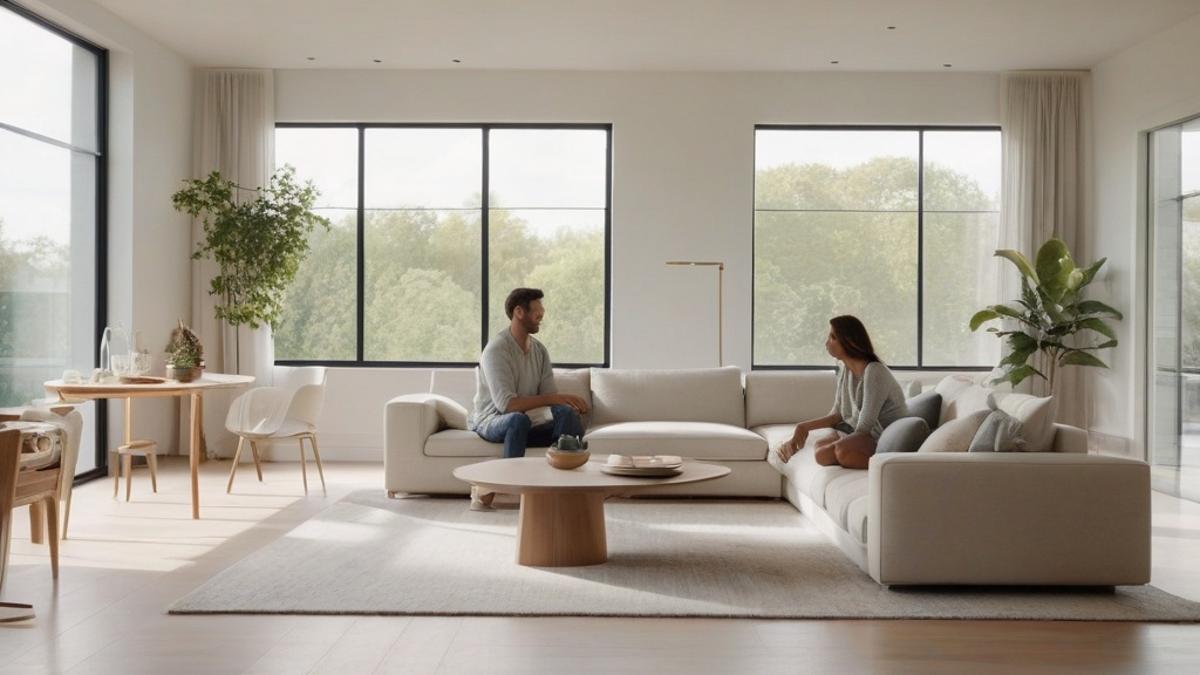
| Storage Concepts | Description |
|---|---|
| Vertical Storage Solutions | Utilize wall space for shelves or hanging organizers to maximize space in tight areas. |
| Multi-functional Furniture | Incorporate furniture that serves multiple purposes, such as ottomans with hidden storage. |
| Under-bed Storage | Maximize under-utilized space by using containers or bins for seasonal items. |
| Decluttering Strategies | Embrace the minimalist approach, keeping only essential items to create less visual clutter. |
CHECK OUT: Creating Functional Environments: The Importance of Minimalist Organization in Shared Spaces
# Beyond the Kitchen: Reclaiming Stairs, Walls, and Vertical VoidsStaircases represent one of the most overlooked opportunities in American homes. The triangular void beneath a staircase, often left as dead air or a catch-all for random boxes, can become a fully functional storage system. Custom builders in cities like Portland and Denver report growing demand for pull-out drawers built directly into stair risers, transforming each step into a compact storage unit without altering the home’s footprint.This approach exemplifies smart underutilized areas storage thinking: rather than adding square footage, homeowners extract functionality from spaces that already exist. A staircase with just five risers converted into drawers can offer the equivalent storage of a small dresser, all while remaining virtually invisible to guests.
Wall Cavities and the Rise of Recessed Storage
Between wall studs, builders typically leave 3.5 inches of depth—enough for recessed shelving units that sit flush with drywall. Bathrooms are prime candidates for this technique, where recessed medicine cabinets or niche shelving in shower walls eliminate the need for bulky freestanding units.Data from home renovation platforms suggests that recessed wall storage projects have grown by nearly 30 percent in interest over the past several years, largely driven by smaller urban apartments in places like New York and San Francisco. These projects appeal to renters and owners alike because they:
- Add storage without consuming floor space.
- Create clean, built-in aesthics that support minimalist storage solutions.
- Require minimal structural modification compared to full renovations.
- Work in nearly any room, from entryways to home offices.
Garages, Mudrooms, and the Overhead Advantage
Garages remain chronically underused above the six-foot mark. Overhead ceiling racks, capable of holding 600 pounds or more, allow homeowners to relocate seasonal items—holiday decorations, camping gear, luggage—out of the way entirely. This single shift often frees up enough floor space to park a vehicle that previously sat in the driveway.Mudrooms and entryways benefit from similar vertical logic. Installing hooks, cubbies, and slim cabinets that reach toward the ceiling, rather than stopping at eye level, keeps daily items accessible while respecting limited square footage. These space optimization ideas are especially valuable in New England homes, where compact entryways are standard in pre-war construction.
Small Adjustments, Measurable Returns
None of these interventions require gutting a home. They rely on observation, measurement, and a willingness to treat every inch as usable. Combined with broader decluttering strategies, these targeted fixes create a compounding effect—each reclaimed space making the next organizational project easier to tackle.
Rethinking What “Storage” Really Means
From kitchen toe-kicks to stair risers, the throughline across every example is simple: usable space rarely announces itself. It has to be found, measured, and reimagined. Homeowners who succeed with space optimization ideas tend to share one trait—they stop thinking about storage as furniture and start thinking about it as architecture.
That mindset shift matters more than any single product or gadget. A pull-out drawer, a recessed niche, or an overhead rack only works because someone first looked at a wasted void and asked what it could become.
A Realistic Starting Point
Not every household needs a full renovation to benefit from these strategies. Even one or two changes—say, converting a staircase void or adding vertical mudroom storage—can noticeably reduce clutter. This is where small space storage ideas prove their worth: incremental, low-risk, and measurable in the amount of floor space they return.
Renters, in particular, may find recessed shelving or modular vertical units more practical than structural changes, since many solutions require little more than careful planning and basic tools.
Looking Ahead
As American homes—especially in dense markets like Brooklyn, Seattle, and Chicago—continue shrinking in average square footage, demand for underutilized areas storage will likely keep climbing. Renovation platforms already show rising interest year over year, suggesting this isn’t a passing trend but a long-term shift in how people relate to their homes.
Ultimately, the most effective home organization tips aren’t about acquiring more bins or organizers. They’re about seeing a home differently. Paired with consistent decluttering strategies, these approaches offer something rare in home improvement: a way to gain space without ever knocking down a wall.
Frequently Asked Questions
What are some effective space optimization ideas for small bedrooms?
To maximize space in small bedrooms, consider multifunctional furniture such as beds with built-in drawers or storage ottomans. Wall-mounted shelves can also help utilize vertical space, while hooks or pegboards provide additional hanging options for accessories. Additionally, under-bed storage containers can keep items out of sight while remaining easily accessible.
How can I transform my garage into a more organized space using space optimization ideas?
To optimize your garage, start by categorizing items and decluttering. Install wall-mounted shelving and pegboards for tools, and use clear bins to store smaller items. Consider ceiling storage racks for seasonal items or bulky equipment, which can help free up floor space and create a more organized, functional environment.
What minimalist storage solutions can I implement in a cramped living room?
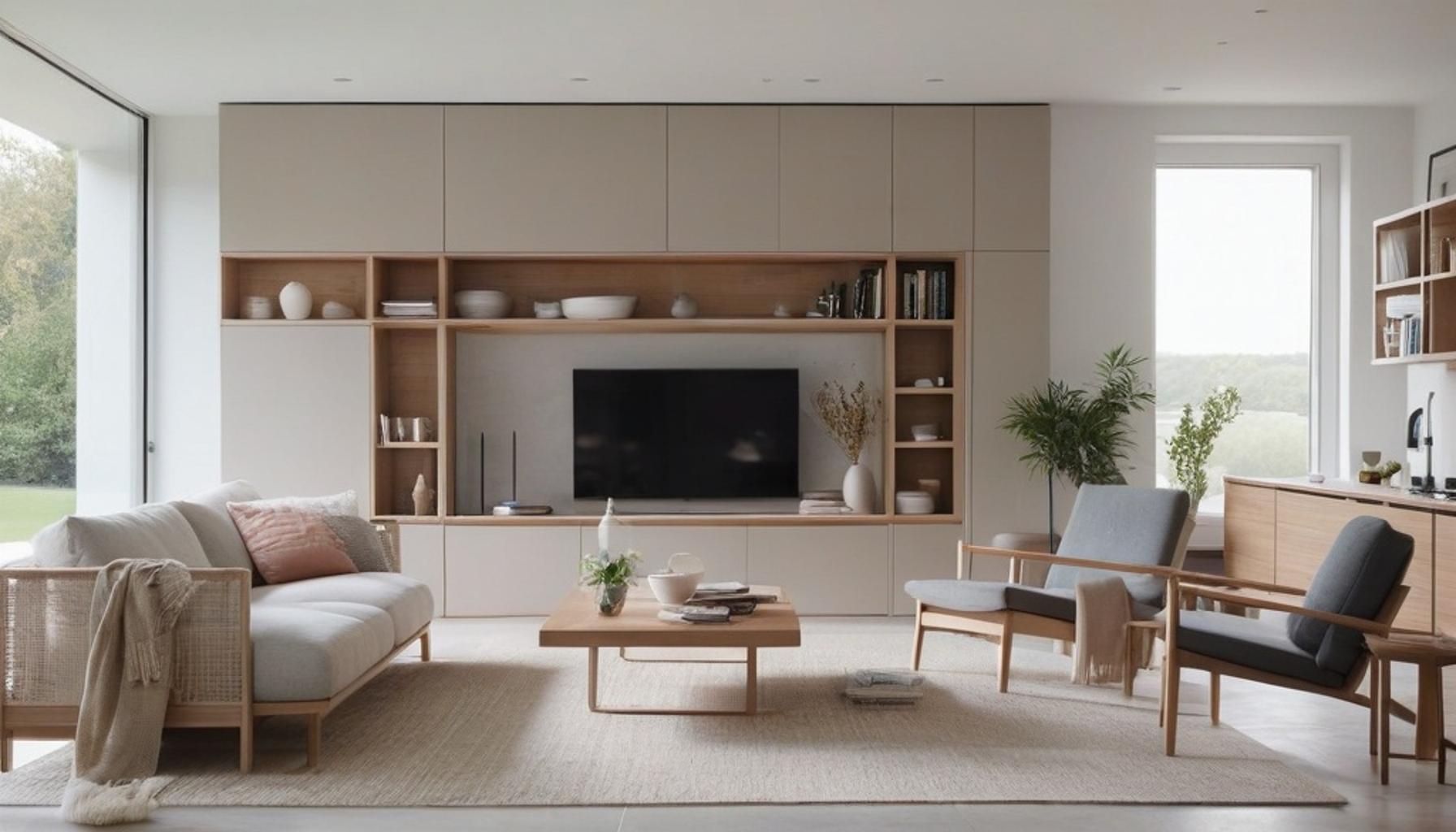
In a cramped living room, incorporate furniture with hidden storage, like coffee tables that open up or couches with built-in compartments. Use vertical storage such as tall bookcases and wall-mounted racks to display decorative items while keeping the floor clear. Avoid bulky furniture pieces, and consider using a stylish storage bench for seating that also serves as a place for blankets or books.
Can you recommend some space optimization ideas for maximizing kitchen storage?
For maximizing kitchen storage, utilize adjustable shelving in cabinets to accommodate varying heights of dishes and pots. Install pull-out drawers or organizers in lower cabinets to easily access items. Over-the-door organizers and magnetic strips for spices can help utilize often overlooked spaces, making everything conveniently accessible while maintaining a clean minimalist aesthetic.

Linda Carter
Linda Carter is a writer specializing in minimalism and personal organization. With extensive experience helping readers create more functional and balanced routines, she shares practical advice on decluttering, organizing spaces, simplifying daily tasks, and making more intentional choices. Her goal is to offer clear guidance and accessible strategies that help people reduce excess, improve their surroundings, and enjoy a calmer, more organized lifestyle.