Minimalism in Practice: Space Optimization Techniques for Home Offices
Rethinking the American Home Office
Across the United States, roughly 35% of workers with remote-capable jobs now work from home full-time, according to recent labor surveys. This paradigm shift has led to the transformation of various home areas—spare bedrooms, kitchen nooks, and even corners of garages—into makeshift workstations. With significant changes in work environments, there is now a growing demand for smarter, leaner ways to organize these spaces efficiently.
In response, space optimization techniques for home offices have gained traction. Minimalism, which initially might seem to be just an aesthetic trend borrowed from Scandinavian design blogs, is increasingly recognized as a practical strategy for reclaiming both square footage and mental clarity in domestic workspaces.
Why Minimalist Design Matters Now
The spatial constraints of urban settings, particularly in bustling cities like New York and San Francisco, leave little room for bulky desks and overflowing bookshelves. In such environments, a minimalist home office design emerges as a compelling solution, prioritizing function over excess. By stripping away non-essentials, individuals can enjoy a workspace that enhances productivity and well-being.
Imagine stepping into a decluttered home office that encourages creativity and focus. Consider the myriad of advantages that a minimalist approach can offer:
- Reduced visual noise—this calming environment improves focus during lengthy work sessions, catering to the increasing need for concentration in today’s distraction-laden world.
- Enhanced efficiency—by maximizing the use of limited square footage in apartments or shared homes, it allows individuals to work effectively even in tight spaces.
- Cost-effectiveness—fewer furniture pieces not only lower immediate purchasing costs but also reduce long-term maintenance and replacement expenses.
- Streamlined cleaning—less clutter translates to easier upkeep and simplified routines, which is particularly important for busy professionals.
These compelling benefits align with broader minimalism productivity strategies that numerous professionals are adopting nationwide, aiming to foster more fulfilling work-life balances.
What This Article Covers
Ahead, we will break down actionable home office organization tips that go beyond generic advice. Expect to discover specific techniques for incorporating vertical storage, utilizing multi-purpose furniture, and managing cables effectively to maintain cleanliness and organization.
In addition, this article will explore practical methods for decluttering home office spaces rooted in psychological principles. You’ll find a step-by-step approach to building an efficient workspace setup—even in less than 50 square feet, ensuring that anyone can adapt regardless of their living conditions.
By embracing these strategies, you can transform your working environment into a space that not only inspires productivity but also nourishes creativity and peace of mind, all while adapting to the evolving landscape of remote work in America.
SEE ALSO: Maximizing Small Spaces: Innovative Storage Solutions for Minimalist Living
Vertical Thinking: The Foundation of Smart Storage
In bustling urban centers like Chicago or Boston, where spaciousness is a luxury seldom enjoyed, many home offices fall victim to a common pitfall: clutter. Walk into these cramped workspaces, and you may find an array of supplies, paperwork, and equipment sprawled across the floor, all vying for precious real estate. The irony? Many owners haven’t maximized the vertical space that exists above eye level, rendering their productivity hampered as they compete for limited surfaces.
Vertical storage is a game-changing concept that reclaims unused wall space, transforming it into an expanse of functional real estate. By employing techniques such as floating shelves, pegboards, and wall-mounted organizers, homeowners can creatively store everything from reference books to essential office supplies, all without occupying a single square foot of floor space. This strategic shift can often result in a remarkable increase in usable area—typically freeing up 15 to 20 square feet in an average compact office setup. This additional space can serve various purposes, such as accommodating a cozy reading chair or simply allowing for a more breathable environment that fosters creativity and focus.
Practical Vertical Solutions Worth Trying
Not every vertical storage solution carries the same weight in terms of effectiveness and adaptability. For many, especially renters who face restrictions on wall alterations, some storage options will yield a more substantial return on investment than others. Here are several practical strategies worth considering:
- Adjustable wall shelving—These versatile units allow you to rearrange books, files, and decorative elements at will. They are particularly beneficial in rental spaces common in cities like Austin or Denver, where permanent installations can be a barrier.
- Pegboard systems—Originally seen in garage workshops, pegboards have taken a stylish turn. They can be utilized to hold cords, notebooks, and small tools, arranged in a visually appealing grid that lends both order and aesthetic charm.
- Over-the-door organizers—Often underestimated, these clever solutions add significant storage capabilities without a single strip of floor space being consumed. They are perfect for keeping less frequently used items tucked away yet accessible.
- Tall, narrow bookcases—These pieces of furniture capitalize on verticality rather than width. In urban homes where square footage is at a premium, such storage units can fit snugly in corners or behind doors, maximizing every inch effectively.
Together, these solutions embody a broader minimalist home office design philosophy that champions clear surfaces and easy accessibility, leveraging walls to carry the weight of organizational demands effectively.
Multi-Purpose Furniture: Doing More With Less
In today’s dynamic work environment, furniture that embraces a singular function can lead to underutilization. Desks that solely support a laptop or cabinets dedicated only to paper risk becoming burdensome relics in home offices where every inch is crucial. Instead, multifunctional furniture that serves multiple purposes has emerged as a necessity, particularly in compact living spaces.
Popular styles like Murphy desks, which fold away into the wall, have gained traction in studio apartments across major cities such as New York and Los Angeles. Items like storage ottomans that function as extra seating, filing cabinets doubling as side tables, and desks engineered with built-in drawers all reflect a more efficient utilization of space.
This approach aligns with minimalism productivity strategies—where having fewer furniture pieces results in less visual clutter, ultimately lessening mental distractions during crucial work sessions. Rather than embracing deprivation, the goal is to make intentional selections of items that bring genuine utility to the workspace and enrich the working experience.
| Category | Details |
|---|---|
| Decluttering Methods | Implementing effective decluttering home office strategies enhances both focus and creativity. |
| Workspace Zoning | Clearly defined zones for work and relaxation maximize productivity in a minimalist home office design. |
| Multi-functional Furniture | Choosing efficient workspace setups with multi-functional furniture can save space and boost organization. |
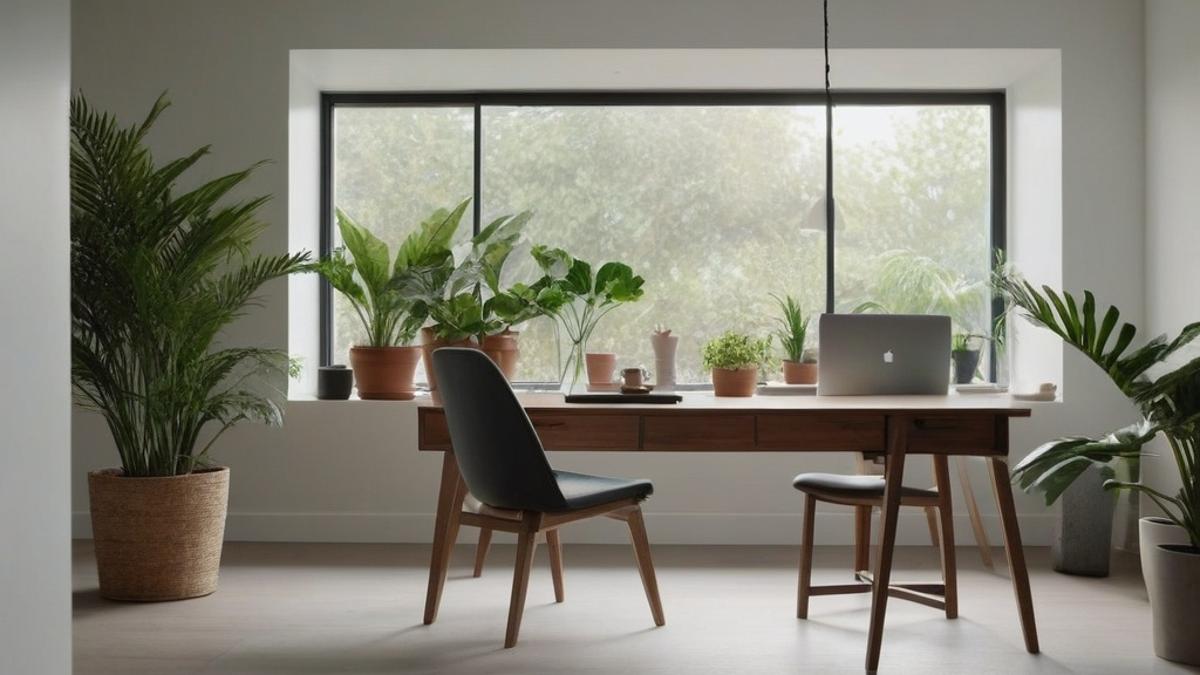
| Natural Light Utilization | Leveraging natural light not only saves on energy but also enhances mood and focus in a home office environment. |
| Vertical Storage Solutions | Incorporating vertical storage is one of the key space optimization techniques for home offices to keep the area uncluttered. |
YOU MAY ALSO LIKE: Creating Functional Environments: The Importance of Minimalist Organization in Shared Spaces
Digital Decluttering: The Invisible Side of Space Optimization
While physical clutter draws the most attention, an equally pressing issue often lurks behind the screen. Desktops littered with hundreds of unsorted files, browsers cluttered with dozens of open tabs, and inboxes overflowing with thousands of unread emails create a parallel form of chaos. This digital disorder can undermine even the most meticulously organized physical workspace, quietly eroding focus throughout the workday.
Studies on workplace productivity suggest that the average professional loses nearly an hour daily searching for misplaced digital files or navigating disorganized software systems. For home office workers in cities like Seattle or San Francisco, where remote work has become the norm rather than the exception, this invisible drain compounds quickly across a five-day workweek.
Decluttering home office spaces effectively means addressing both tangible and digital realms simultaneously. A pristine desk paired with a chaotic desktop interface still leaves the mind divided, working against the very calm that minimalist design intends to cultivate.
Steps Toward a Streamlined Digital Workspace
Adopting a few consistent habits can transform a disorganized digital environment into one that mirrors the clarity of a well-arranged physical office. Consider the following approaches:
- Folder hierarchies with clear naming conventions—Organizing files into labeled categories by project or date prevents the frustrating hunt through miscellaneous downloads folders.
- Scheduled inbox purges—Setting aside ten minutes each morning to archive, delete, or respond to emails keeps communication channels from becoming another source of visual noise.
- Cloud-based storage solutions—Services like Google Drive or Dropbox reduce dependency on physical paperwork, directly supporting broader space optimization techniques for home offices by minimizing the need for filing cabinets altogether.
- Browser tab discipline—Limiting open tabs to active tasks, rather than allowing dozens to accumulate, mirrors the same decluttering principles applied to physical desks.
This digital-physical synergy forms a crucial, often overlooked, pillar of efficient workspace setup practices.
Lighting and Sensory Considerations in Compact Offices
Beyond furniture and file systems, sensory elements like lighting play a surprisingly significant role in how spacious or cramped a home office feels. Poor lighting can make even a well-organized room seem smaller and more oppressive, while strategic illumination can visually expand a compact footprint.
Natural light remains the gold standard, but for interior rooms common in apartments across Philadelphia or Washington, D.C., layered artificial lighting becomes essential. Combining ambient overhead fixtures with targeted task lamps reduces shadows and eye strain, both of which contribute to fatigue during long work sessions.
Mirrors placed strategically opposite windows can amplify existing light sources, creating an illusion of depth without requiring structural changes. This technique, borrowed from small-space apartment design, has found new relevance among remote workers seeking minimalist home office design solutions that feel open rather than confined.
Color temperature also matters more than many realize. Cooler-toned bulbs around 5000K tend to enhance alertness and concentration, making them a practical choice for focused work blocks, while warmer tones suit relaxation zones within multi-use rooms.
LEARN MORE: Maximizing Small Spaces: Minimalist Organization Strategies for Urban Apartments
Bringing It All Together: A Sustainable Approach to Minimalist Work
Creating a functional home office isn’t about achieving a sterile, magazine-worthy aesthetic overnight. It’s about layering small, deliberate choices that compound over time into something genuinely livable.
From clearing physical desktops to taming digital chaos, the space optimization techniques for home offices discussed throughout this piece share a common thread: intentionality. Every folder labeled, every cable hidden, every lamp positioned thoughtfully contributes to a workspace that supports rather than sabotages concentration.
Remote workers in cramped city apartments and suburban spare bedrooms alike face similar constraints, yet the solutions remain remarkably adaptable. A vertical shelf here, a cloud storage system there, a well-placed mirror—these aren’t grand renovations but incremental shifts that respect both budget and square footage.
What emerges from applying minimalism productivity strategies consistently isn’t just a tidier room. It’s measurable time saved, reduced decision fatigue, and a workspace that adapts to shifting demands, whether that means a video call setup by morning and a quiet reading nook by evening.
These home office organization tips also invite a broader reflection worth considering: how much of daily friction stems not from lack of space, but from how that space gets used. A studio apartment applying disciplined minimalist principles can outperform a sprawling home office drowning in unused furniture and forgotten paperwork.
As remote and hybrid work models continue evolving across the United States, the demand for adaptable, efficient environments will only grow. Investing time now in minimalist home office design isn’t a fleeting trend—it’s a practical response to how work actually happens today, one deliberate choice at a time.
Frequently Asked Questions
What are some effective space optimization techniques for small home offices?
To maximize space in small home offices, consider using multifunctional furniture like a desk that doubles as a bookshelf. Utilize vertical space with wall-mounted shelves and pegboards for organization. Incorporating collapsible items such as folding chairs or desks can also free up floor space when not in use.
How can I declutter my home office to implement minimalism?
Start by removing anything that is not essential for your daily work. Sort items into categories: keep, donate, or discard. Implement a ‘one in, one out’ rule for new items to maintain a clutter-free environment and ensure each item has a designated place.
What role does lighting play in space optimization for home offices?
Good lighting can enhance the perception of space in your home office. Natural light should be utilized as much as possible, while well-placed lamps can reduce shadows and make the area feel larger. Consider adjustable lighting to adapt to different tasks and moods.
Can plants be part of my space optimization techniques for a home office?
Absolutely! Incorporating plants into your home office can improve air quality and boost productivity. Choose low-maintenance plants that require minimal space, like succulents or wall-mounted planters, to enhance aesthetics without cluttering your workspace.
What storage solutions are best for maintaining a minimalist home office?
Opt for minimalist storage solutions such as under-desk drawers, floating shelves, and closed cabinets to keep items out of sight. Use clear or labeled bins for easy access and organization. Regularly assess your storage to ensure it meets your changing needs without accumulating unnecessary items.
How do I effectively arrange my home office for optimal space usage?
To arrange your home office efficiently, start by placing your desk near a natural light source. Position frequently used items within arm’s reach to minimize movement and enhance workflow. Keep the layout open and avoid overcrowding to promote a sense of space and reduce distractions.

Linda Carter
Linda Carter is a writer specializing in minimalism and personal organization. With extensive experience helping readers create more functional and balanced routines, she shares practical advice on decluttering, organizing spaces, simplifying daily tasks, and making more intentional choices. Her goal is to offer clear guidance and accessible strategies that help people reduce excess, improve their surroundings, and enjoy a calmer, more organized lifestyle.