The Art of Decluttering: How Space Optimization Enhances Personal Organization
The Cost of Clutter: Beyond the Physical
The average American household is said to contain 300,000 items, a staggering figure that highlights the extent of clutter in many lives. According to the LA Times, individuals spend an estimated year of their lives searching for misplaced items. That single fact underscores the urgency of tackling clutter, which has become a trending topic across the United States. The dilemma spans various living environments, from compact New York City studios to expansive suburban homes in states like Texas, illustrating a national challenge that ruffles countless households. The effects of clutter extend far beyond mere tidiness; they impact mental health and day-to-day productivity in profound ways.
Research has increasingly indicated a correlation between disordered environments and heightened stress levels, reduced focus, and even low motivation. These findings suggest that our living spaces can significantly influence our psychological well-being. This is where space optimization techniques come into play, offering the promise of transforming chaotic areas into organized, functional zones. By creating a serene environment, individuals often find their mental clarity improves, making it easier to focus on tasks and reduce anxiety.
The Multifaceted Benefits of Decluttering
The benefits of decluttering stretch far beyond mere aesthetic appeal. Picture stepping into an organized home—clothes neatly hung, papers sorted, and items in their designated places. The peace of mind this brings can lead to tangible improvements in various areas of life. Here are a few noteworthy advantages:
- Reduced anxiety and improved mental well-being: An organized space often correlates with a more peaceful state of mind.
- More efficient mornings and daily routines: When your essential items are easily located, mornings become less chaotic and more streamlined.
- Better financial awareness: Decluttering helps you avoid duplicate purchases by keeping track of what you already own, potentially saving you money.
- Increased home value and curb appeal: A tidy home can be a selling point, making it more attractive to prospective buyers.
Understanding how to declutter your home isn’t merely an exercise in tossing away unused items. It requires a strategic mindset grounded in intentional living and thoughtful design choices. This purposeful approach helps sustain an organized environment over time.
What This Guide Will Cover
This article will delve into practical personal organization strategies employed by professional organizers across the nation. You will also find a room-by-room decluttering checklist tailored to a variety of living situations, from cozy starter apartments to larger, multi-bedroom homes. The goal is to empower individuals to take meaningful steps toward reclaiming their spaces.
Are you ready to embark on this transformative journey? Let’s explore the effective methods that can help you regain control over your personal space and, in turn, your life.
YOU MAY ALSO LIKE: Creating Comfort Zones: The Importance of Minimalism in Organizing Multifunctional Environments
Decoding the Method: Proven Frameworks for Lasting Order
Walk into any bookstore’s home and garden section, and you’ll find shelves dedicated to organizational philosophies. Yet not all systems are created equal. Professional organizers across the country tend to gravitate toward a handful of methods that have stood the test of time, primarily because they address the root causes of clutter rather than offering temporary fixes. Understanding these frameworks can empower individuals to create lasting order in their homes and lives.
The KonMari Method, popularized by Marie Kondo, asks a deceptively simple question: does this item spark joy? This philosophy emphasizes the significance of personal connection to belongings. By encouraging individuals to touch each item and assess its emotional impact, the method opens a dialogue about personal values and intentions. While some critics argue that the approach feels too sentimental for practical American households juggling kids’ sports gear and holiday decorations, its core principle—handling each item individually before deciding its fate—remains one of the most effective decluttering tips available. A study by the American Psychological Association suggests that people who form emotional connections with their possessions may find it easier to let go of items that no longer serve them, enhancing personal well-being and reducing anxiety.
Another widely respected system is the Four-Box Method, favored for its straightforward, no-nonsense structure. Every item gets sorted into one of four categories:
- Keep: Items used regularly or held with genuine intention, such as your favorite coffee mug or a beloved family photograph.
- Donate: Usable goods that no longer serve your household, like children’s clothing that has been outgrown or kitchen gadgets gathering dust.
- Trash: Broken or expired items with no salvageable value, removing unhealthy clutter from your environment.
- Relocate: Items in the wrong room that need a new home within the house, ensuring that frequently-used items are easily accessible.
This method resonates with busy families in cities like Chicago or Atlanta, where time constraints make quick decision-making essential. Unlike the more introspective KonMari approach, the Four-Box system prioritizes efficiency, often allowing a single room to be cleared in under an hour. Many users report feeling a great sense of accomplishment and relief as they see physical space open up almost immediately, which can act as a powerful motivator for continued organization.
Why One-Size-Fits-All Rarely Works
It’s worth noting that no single method suits every personality or living situation. A minimalist in a Portland micro-apartment faces entirely different challenges than a parent of three in a Dallas suburb managing seasonal clothing rotations and school supplies. Equally, a remote worker in a California home office may need to adopt methods that suit their workspace constraints.
This is precisely why personal organization strategies must be adaptable. Professional organizers frequently blend techniques, borrowing the emotional clarity of KonMari while adopting the speed of the Four-Box Method for less sentimental categories like kitchen gadgets or paperwork. For example, a family might choose to apply both the joy-sparking principles of KonMari to their children’s toys while using the Four-Box method to swiftly manage the clutter in the garage.
Understanding space optimization techniques also means recognizing that decluttering isn’t a one-time event. It’s an ongoing practice, one that requires periodic reassessment as life circumstances shift—new jobs, growing families, or downsizing for retirement all demand a fresh look at how belongings are managed. The National Association of Professional Organizers highlights that successful organization integrates regular maintenance and review, ensuring that the systems in place evolve with the household’s needs.
Ultimately, the goal isn’t to adopt a rigid ideology but to find a sustainable rhythm that keeps clutter from creeping back in. By embracing a flexible approach and recognizing individual needs, anyone can achieve a harmonious living space. The next section will break down how these principles translate into a practical, room-by-room approach, offering readers tangible strategies to implement right away.
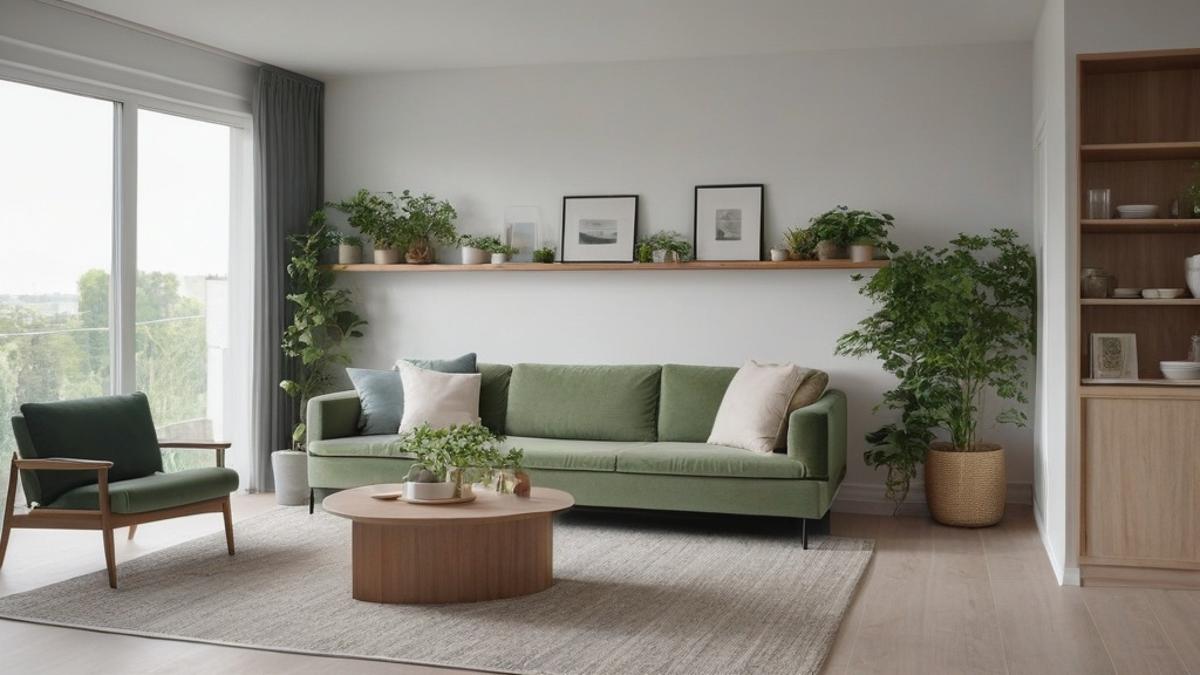
LEARN MORE: Maximizing Small Spaces: Minimalist Organization Strategies for Compact Apartments
Transforming Spaces: The Practical Approach to Decluttering
While the foundational theories of decluttering can inspire change, the real test lies in turning concepts into actions tailored to the unique spaces within your home. Shifting from a global perspective to a room-by-room focus allows individuals to tackle overwhelming duties piece by piece, making the journey of decluttering more approachable for busy families and individuals across the United States. This practical blueprint offers guidance on how to effectively manage clutter in key areas of the home.
The Kitchen: Where Clutter Multiplies Fastest
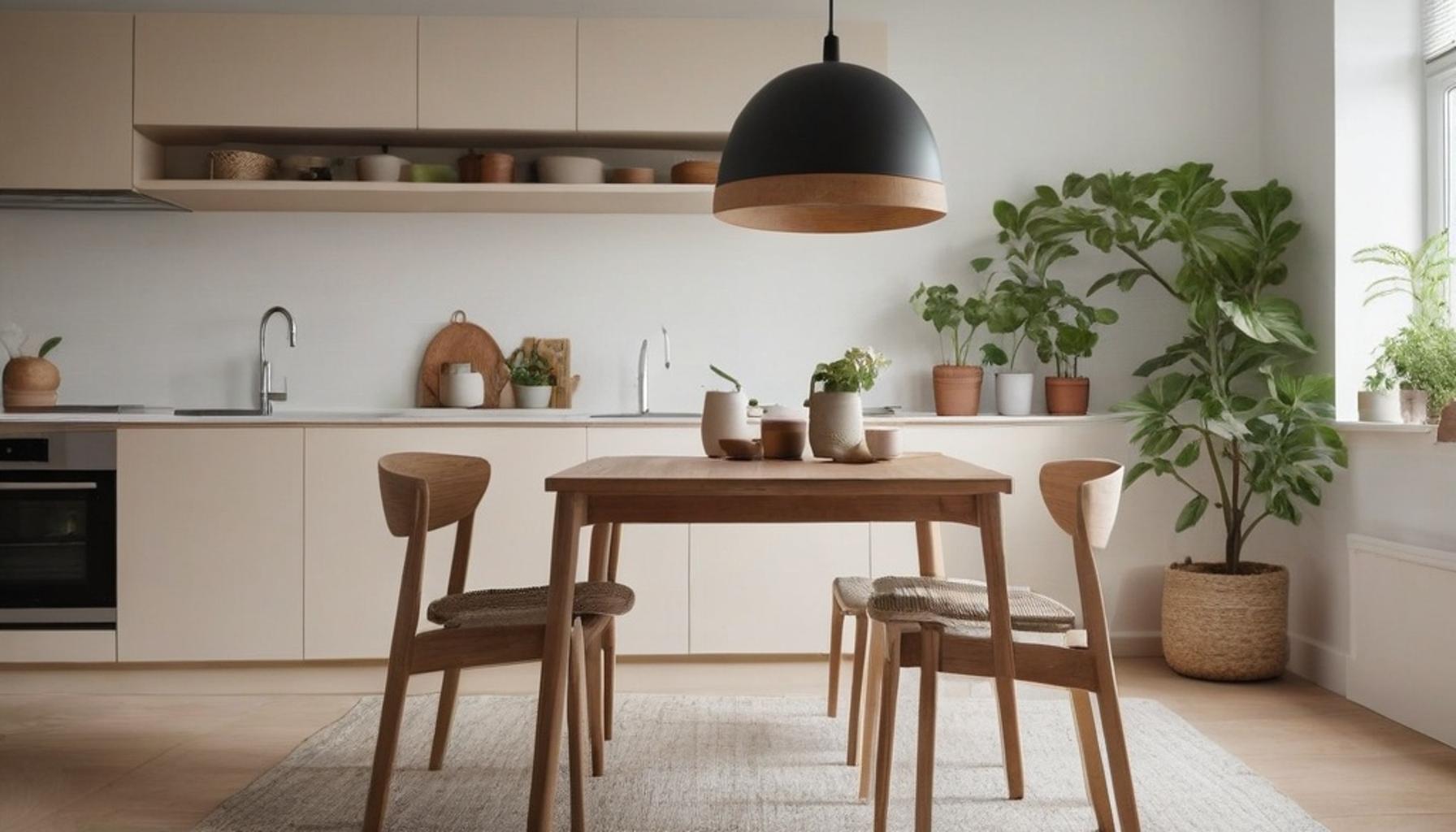
The kitchen often emerges as the primary repository for a multitude of items—from mail to miscellaneous appliances—transforming it into a clutter magnet over time. According to organizational experts, a starting point here can bring about quick and visible results, energizing further decluttering efforts.
A practical decluttering checklist for kitchens might include:
- Identifying and removing duplicate utensils: Many households accumulate redundant items; consider a second waffle iron, a rarely used popcorn maker, or an obsolete juicer. Streamlining your collection not only frees up space but also simplifies meal prep.
- Clearing countertops: A clean workspace is essential. Studies indicate that cluttered surfaces can increase perceived stress levels by hindering focus, making preparation for meals a more taxing endeavor.
- Installing storage solutions: Use drawer dividers to organize utensils and vertical shelving to maximize storage. This space optimization technique can transform the workflow in a kitchen, leading to a more efficient cooking experience.
For homeowners confined to smaller urban kitchens—such as those found in Boston’s historical brownstones or cozy New York apartments—additional solutions like magnetic strips for knives and pull-out organizers for spices can optimize even the most limited spaces, bringing both functionality and order.
The Closet: A Battleground for Personal Organization
Within the confines of closets lies not just clothing but a reflection of personal habits. A startling statistic from a 2022 survey by the National Association of Home Builders reveals that the average American closet holds almost 30 percent more clothing than is worn regularly. This urges the necessity for effective personal organization strategies.
Implementing the “one-year rule” is a practical step: if an item hasn’t seen the light of day in twelve months, it’s likely a candidate for donation or resale.
Additionally, a seasonal rotation system—using clearly labeled bins for off-season clothing—can make a world of difference, freeing up valuable closet space and providing easy access to frequently used items.
The Home Office: Digital Meets Physical Clutter
As remote work becomes an enduring practice for millions, the home office has evolved into its own unique ecosystem of clutter. Paper documents, tangled cables, and stuffed file folders can all obstruct productivity, leading to frustration.
To address this, consider adopting a few simple yet effective practices, such as:
- Digitizing important papers: Converting receipts and documents into digital formats can significantly reduce physical clutter.
- Utilizing cable organizers: Keeping cables neatly arranged can transform a chaotic workstation into an orderly one.
- Practicing a “one-in, one-out” rule: When purchasing new office supplies—whether it’s pens or folders—commit to discarding an equivalent item to maintain balance and keep clutter at bay.
Measuring the Payoff
The benefits of decluttering extend beyond mere aesthetics. Research published in the Journal of Environmental Psychology highlights that individuals inhabiting organized spaces reported a remarkable 20 percent lower cortisol levels, connecting an orderly environment with reduced stress.
By embracing a room-by-room decluttering strategy, individuals not only cultivate visual order in their homes but also pave the way for enhanced mental clarity, improved concentration, and a genuine sense of control over their lives.
Overall, the journey to declutter doesn’t have to be overwhelming; instead, it can be seen as an opportunity to rediscover the potential of each room in your home, leading to a more harmonious living space.
YOU MAY ALSO LIKE: Creating Functional Environments: The Importance of Minimalist Organization in Shared Spaces
The Lasting Value of an Organized Home
From the kitchen counters of a Chicago bungalow to the compact closets of a Manhattan studio, the underlying message remains consistent: clutter is rarely just about stuff. It’s about the systems, habits, and decisions that shape how Americans live day to day. This exploration into decluttering tips reveals that meaningful change happens not through a single weekend purge, but through sustained, room-specific strategies.
Key Takeaways for Long-Term Success
Throughout this article, a clear pattern emerges. Effective space optimization techniques—whether drawer dividers in a kitchen or labeled bins in a closet—work best when paired with intentional habits like the one-year rule or the one-in, one-out method.
These aren’t quick fixes; they’re personal organization strategies designed to endure beyond a single cleaning spree.
Consider these core principles when thinking about how to declutter your home:
- Start small: Tackling one room at a time prevents burnout and builds momentum.
- Track your progress: A simple decluttering checklist keeps efforts organized and measurable.
- Prioritize maintenance: Decluttering isn’t a one-time event but an ongoing practice woven into daily life.
Beyond the Physical Space
The benefits of decluttering ripple outward, touching mental health, productivity, and even relationships within a household. Lower cortisol levels, reduced decision fatigue, and a renewed sense of agency are not minor perks—they’re substantial shifts in quality of life.
As more Americans juggle remote work, growing families, and smaller urban footprints, the demand for practical, adaptable organization solutions will only intensify.
Ultimately, decluttering is less about minimalism for its own sake and more about creating space—physically and mentally—for what truly matters. Whether inspired by a single overflowing drawer or a desire for calmer living, the path forward starts with one deliberate choice: to make room for clarity.
Frequently Asked Questions
What are the most effective decluttering tips for small spaces?
For small spaces, focus on multifunctional furniture and vertical storage solutions. Use under-bed storage, wall-mounted shelves, and hooks to maximize every inch. Regularly assess your belongings and prioritize essentials, ensuring that everything has a designated place.
How can decluttering improve my mental health?
Decluttering can significantly reduce stress and anxiety by creating a more organized and peaceful environment. A tidy space helps enhance focus and productivity, while also providing a sense of control over one’s surroundings. Regular decluttering can lead to improved mood and overall well-being.
What are some decluttering tips for sentimental items?
When dealing with sentimental items, consider creating a memory box where you can keep only the most meaningful items. Take photos of items you cannot keep, and share your memories with loved ones. By being selective, you can honor your past while still maintaining an organized space.
How often should I declutter to maintain an organized space?
It’s recommended to declutter at least once every season to keep your space organized effectively. However, incorporating a few decluttering habits into your routine, such as a monthly review of items, can help prevent clutter from building up. Adopting a ‘one in, one out’ policy for new items also aids in maintaining balance.
Can technology assist with decluttering efforts?
Yes, technology can greatly assist in decluttering efforts through organizational apps and digital tools. Apps can help you list, categorize, and track your belongings, making it easier to decide what to keep or donate. Moreover, scanning documents and photos can help reduce physical clutter while keeping your memories intact.

Linda Carter
Linda Carter is a writer specializing in minimalism and personal organization. With extensive experience helping readers create more functional and balanced routines, she shares practical advice on decluttering, organizing spaces, simplifying daily tasks, and making more intentional choices. Her goal is to offer clear guidance and accessible strategies that help people reduce excess, improve their surroundings, and enjoy a calmer, more organized lifestyle.