Creative Solutions for Storage: Integrating Minimalism and Space Optimization
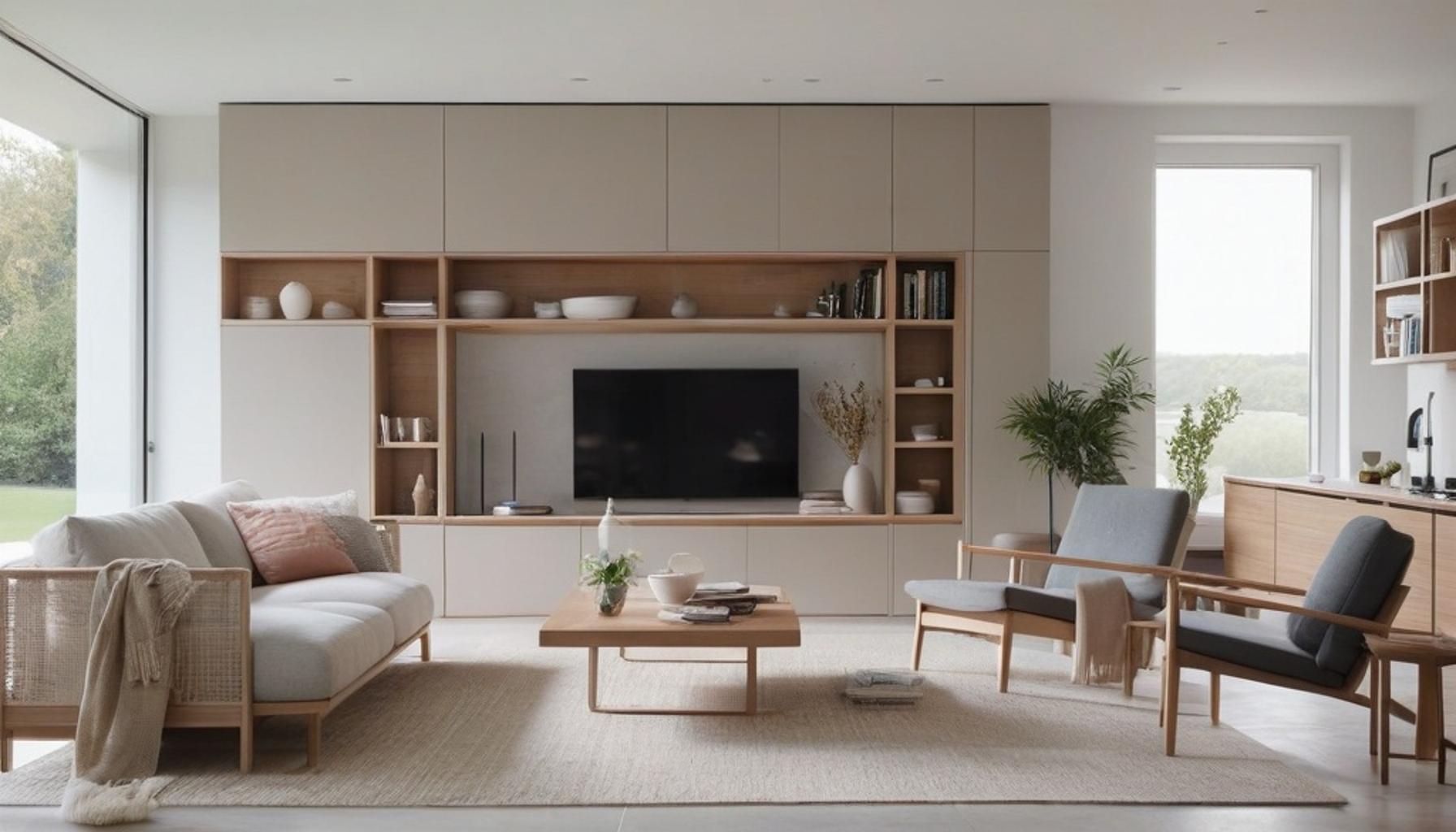
Rethinking Storage for Modern Living
The average American home has grown by nearly 1,000 square feet since 1973, yet clutter complaints have increased, not decreased. Something isn’t adding up. The answer may lie not in square footage, but in strategy, and the way we utilize the space we have available to us.
Across the country, homeowners and renters alike are embracing creative storage solutions that blend function with intentional living. This shift isn’t just about tidiness—it’s a lifestyle movement rooted in minimalism and smart design principles. The concept has evolved as people reassess their belongings and focus on quality over quantity, encouraging us to keep only what truly serves us.
Why Space Optimization Matters Now
Urban living costs are climbing, making it increasingly common for many city dwellers to occupy homes under 750 square feet. In these environments, every inch counts, which makes space optimization techniques less of a luxury and more of a necessity. Individuals and families are tapping into innovative solutions that create a sense of openness while maintaining access to their essentials.
Consider what is driving this trend:
- Rising real estate prices are pushing families into smaller footprints, leading to a reevaluation of how to make every square foot work harder.
- Remote work demands the establishment of multipurpose rooms, where a single area can function as both an office and a living space.
- A growing interest in sustainable, low-waste living is prompting individuals to choose fewer, high-quality items that add value rather than merely fill space.
- Social media is playing a significant role by popularizing minimalist storage ideas through viral home makeovers, inspiring others to rethink their lifestyles.
What This Article Covers
This guide seeks to explore practical, real-world approaches to reclaiming your space from the chaos of clutter. Expect actionable home organization tips that go beyond generic advice, addressing specific needs and challenges faced by modern homeowners.
You will discover:
- Furniture with hidden storage compartments such as ottomans, beds with drawers, and coffee tables designed for organization.
- Vertical shelving hacks that maximize small spaces by making use of walls for additional storage, including floating shelves and tiered organizers.
- Room-by-room decluttering strategies that focus on manageable tasks—tackling one area at a time for lasting change.
- Budget-friendly DIY projects inspired by tiny-house design, such as repurposed materials for creative storage solutions.
Whether you are downsizing, undergoing renovations, or simply craving order in a hectic lifestyle, the solutions ahead promise to offer a fresh perspective on living well with less. With intention and creativity, anyone can reclaim their space to foster an environment that promotes harmony and functionality.
SEE ALSO: Maximizing Small Spaces: Innovative Storage Solutions for Minimalist Living
Multipurpose Furniture: The Foundation of Smart Storage
Walk into any well-organized apartment in Brooklyn or a compact bungalow in San Francisco, and you’ll likely spot the same design secret: furniture that works overtime. This isn’t just a passing trend—it’s one of the most effective creative storage solutions available to anyone struggling with limited square footage.
Multipurpose furniture eliminates the need for separate storage units by weaving functionality directly into everyday pieces. A bed isn’t just a bed anymore; it’s a drawer system, a linen closet, and sometimes even a workspace, all in one frame.
Furniture Pieces Worth Considering
Manufacturers have caught on to consumer demand, producing pieces specifically engineered for maximizing small spaces. Some standout examples include:
- Storage ottomans that double as seating, coffee tables, and hidden compartments for blankets or remote controls.
- Platform beds with built-in drawers, offering up to 15 cubic feet of concealed storage without requiring a separate dresser.
- Expandable dining tables that shrink for daily use and extend only when guests arrive, saving valuable floor space.
- Wall-mounted desks that fold flat when not in use, ideal for remote workers navigating studio apartments.
- Bench seating with lift-top storage, perfect for entryways where shoes, bags, and seasonal gear tend to pile up.
These aren’t just clever gimmicks. According to furniture industry reports, sales of space-saving and convertible furniture have grown steadily over the past five years, driven largely by urban millennials and Gen Z renters seeking space optimization techniques that don’t sacrifice style.
Why This Approach Works
The psychology behind multipurpose furniture is simple: fewer standalone pieces mean less visual clutter and more open floor space. Interior designers often point to this principle when explaining why minimalist homes feel larger than their actual square footage suggests.
There’s also a financial incentive. Instead of purchasing a bed, a dresser, and a nightstand separately, consumers can invest in a single piece that accomplishes multiple functions. This aligns closely with broader minimalist storage ideas, where quality and versatility take precedence over quantity.
For renters especially, multipurpose furniture offers flexibility. Many pieces are modular or lightweight enough to transport between apartments, making them a practical long-term investment rather than a temporary fix tied to one specific floor plan.
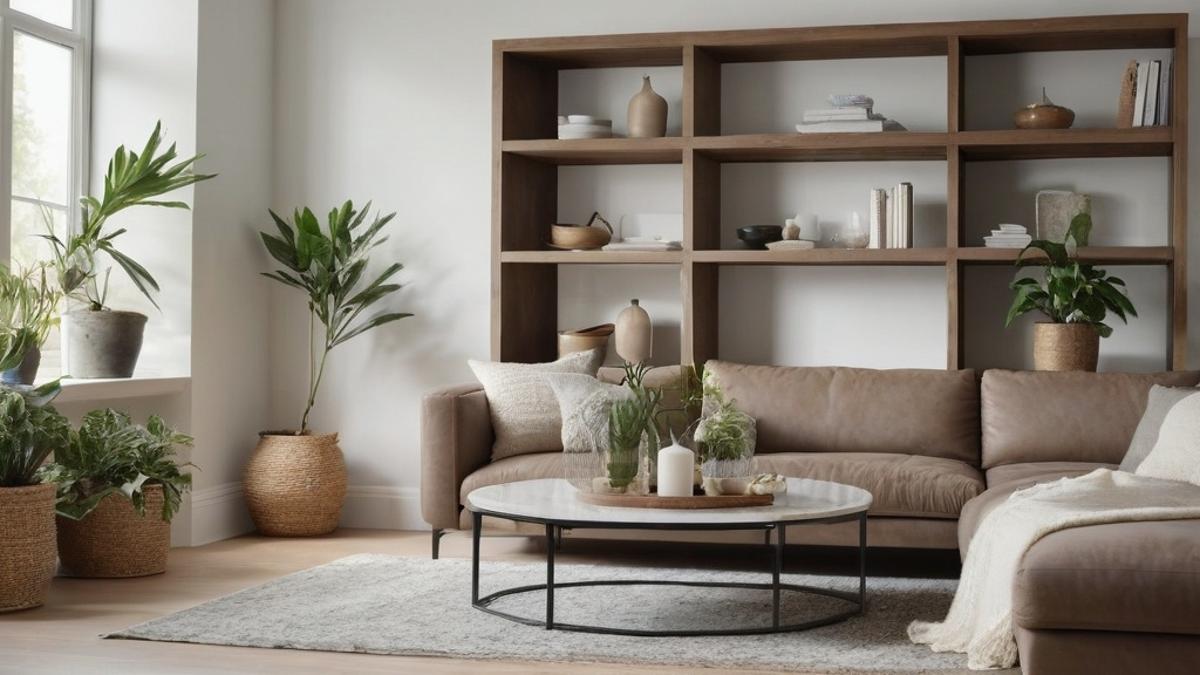
CHECK OUT: Minimalism in Practice: Space Optimization Techniques for Home Offices
Vertical Space and Hidden Nooks: Rethinking the Rooms You Already Have
Most people scan a room and see only floor space. But the real opportunity for creative storage solutions often lies above eye level and in the gaps nobody bothers to notice. Walls, staircases, and even the space above kitchen cabinets can absorb far more than most homeowners realize.
This shift in perspective is central to space optimization techniques that professional organizers swear by. Instead of asking “where can I put another shelf,” the smarter question becomes “what vertical real estate am I ignoring?”
Underused Areas That Deserve a Second Look
A quick walkthrough of any home reveals several overlooked zones ripe for transformation:
- The space above kitchen cabinets, often just dead air, can hold baskets for rarely used appliances or seasonal serveware.
- Staircase risers can be converted into pull-out drawers, a favorite trick in New England colonial homes with narrow floor plans.
- Over-the-door organizers work in closets, bathrooms, and even pantries, adding storage without a single drill hole.
- Under-bed containers capture an area most people treat as wasted space, easily holding out-of-season clothing or extra linens.
- Vertical wall grids in garages or craft rooms keep tools and supplies visible yet off the floor entirely.
Professional closet designers estimate that homes typically use only 40 percent of their available vertical storage capacity. That leaves a substantial margin for improvement, particularly in older homes built before builders prioritized closet square footage.
Small Changes, Measurable Results
Adopting these home organization tips doesn’t require a full renovation. Floating shelves installed above a desk, for instance, can free up an entire filing cabinet’s worth of floor space. Pegboards in a kitchen can eliminate the need for a bulky utensil drawer altogether.
This approach also supports long-term decluttering strategies. When every item has a designated vertical home, the temptation to pile things on countertops or chairs diminishes significantly. Organizational consultants often note that clients who install wall-mounted systems report feeling less overwhelmed within just a few weeks.
For apartment dwellers in cities like Chicago or Boston, where square footage comes at a premium, these vertical strategies aren’t just aesthetic choices. They’re practical necessities that make studio living genuinely functional, proving that maximizing small spaces often starts with simply looking up.
SEE ALSO: Creating Comfort Zones: The Importance of Minimalism in Organizing Multifunctional Environments
Bringing Minimalism and Function Together
Storage does not have to be an afterthought squeezed in once clutter becomes unbearable. As explored throughout this piece, creative storage solutions work best when they are woven into the design of a home from the start, not bolted on as a last resort.
The most successful homes are not necessarily the largest ones. They are the ones where every inch, from staircase risers to the airspace above kitchen cabinets, has been asked to earn its place.
What This Means for Everyday Living
Adopting minimalist storage ideas is not about owning fewer possessions for the sake of appearances. It is about creating breathing room, both physically and mentally, in spaces that Americans increasingly occupy for work, rest, and everything in between.
Consider the numbers again: with roughly 60 percent of vertical storage potential going unused in a typical home, there is a genuine opportunity hiding in plain sight. That statistic alone should prompt a second look at any room previously written off as “full.”
- Start small, with one overlooked area like an entryway or a hallway closet.
- Apply space optimization techniques gradually rather than overhauling an entire home at once.
- Track which changes actually reduce daily friction, not just visual clutter.
These incremental home organization tips tend to stick because they feel manageable, not overwhelming.
A Final Thought
Ultimately, maximizing small spaces is less about square footage and more about intention. Whether in a Brooklyn studio or a sprawling Texas ranch house, the principles remain consistent: look up, look under, and look behind doors before assuming there is no room left.
Effective decluttering strategies paired with smart design do not just solve a storage problem. They change how a home feels to live in, one overlooked corner at a time.
Frequently Asked Questions
What are some creative storage solutions for small apartments?
Small apartments can benefit from multifunctional furniture, like ottomans with hidden storage or beds with built-in drawers. Utilizing vertical space with wall-mounted shelves and pegboards can also maximize storage while maintaining a minimalist aesthetic.
How can I create a minimalist storage system in my home office?
To create a minimalist storage system in a home office, start by decluttering and keeping only essential items. Utilize sleek, open shelving and mobile storage carts to keep supplies accessible yet tidy, and consider digital solutions to reduce paper clutter.
What are some budget-friendly creative storage solutions?
Budget-friendly creative storage solutions include repurposing items you already own, like using mason jars for organizing office supplies or wooden crates as stylish storage units. Thrift stores and garage sales can also provide unique items that can be upcycled into functional storage solutions.
How can I optimize closet space without sacrificing style?
To optimize closet space stylishly, use uniform hangers and modular organizers to create a clean look. Consider adding hooks or hanging organizers on the inside of doors for accessories, and use decorative boxes or baskets to store items neatly while matching your decor.
Are there creative storage ideas for children’s toys?
Creative storage ideas for children’s toys include using labeled bins or colorful storage cubes that encourage kids to participate in tidying up. Wall-mounted shelves can display toys as decor, and under-bed storage can hold items that aren’t used daily, keeping the play area clutter-free.
What innovative storage solutions work well in shared living spaces?
In shared living spaces, innovative storage solutions like coffee tables with drawers or storage benches in communal areas provide a functional yet stylish touch. Partitioned shelving units can create separate zones while providing ample storage for each roommate’s belongings.

Linda Carter
Linda Carter is a writer specializing in minimalism and personal organization. With extensive experience helping readers create more functional and balanced routines, she shares practical advice on decluttering, organizing spaces, simplifying daily tasks, and making more intentional choices. Her goal is to offer clear guidance and accessible strategies that help people reduce excess, improve their surroundings, and enjoy a calmer, more organized lifestyle.