Maximizing Small Spaces: Minimalist Organization Strategies for Compact Apartments
Small Footprint, Big Potential
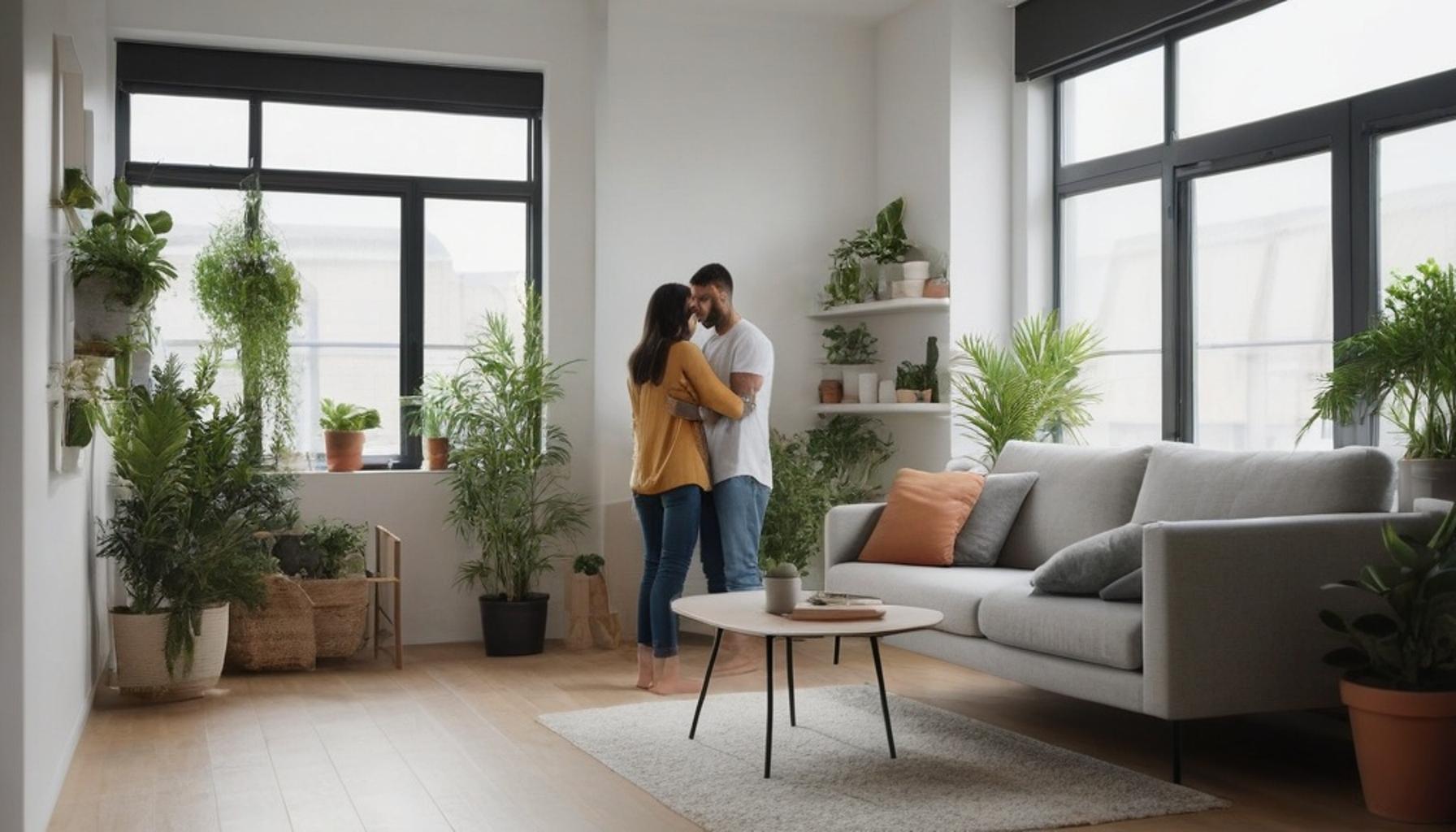
City living in the United States often means trading square footage for location. According to recent housing data, the average American apartment now measures under 750 square feet, with cities like New York, Los Angeles, and San Francisco pushing that number even lower. In some instances, it’s not uncommon to find studios or one-bedroom apartments that are less than 500 square feet, which further emphasizes the challenge many urban dwellers face when trying to create a comfortable living environment.
For renters and homeowners alike, this shrinking space has sparked a growing need for smarter solutions. That’s where minimalist organization strategies come into play. De-cluttering one’s living space and implementing innovative storage solutions can not only help with organization but also promote mental well-being, allowing individuals to focus on experiences rather than material possessions.
Why Compact Living Demands a New Approach
Cramming furniture and belongings into a tight apartment rarely works long-term. Instead, successful small space organization tips focus on intentional design rather than simply fitting more stuff into less room. Small spaces necessitate creative thinking and a commitment to functionality, rather than haphazardly arranging furniture and decor. By prioritizing what is essential and meaningful, urban dwellers are finding that their homes can feel both spacious and inviting.
This shift in thinking has fueled a nationwide interest in minimalist living ideas. Homeowners are discovering that less clutter often means more functionality, improved airflow, and significantly reduced daily stress. According to a survey by the National Association of Realtors, 70% of homeowners reported feeling happier in their homes after decluttering. This suggests that simplifying one’s space is not just about organization; it directly correlates with enhanced emotional well-being.
What This Guide Will Cover
- Compact apartment storage solutions that maximize vertical and hidden space, such as wall-mounted shelves, under-bed storage bins, and clever closet systems.
- Practical methods for organizing small spaces room by room, including tips for efficient kitchen and bathroom layouts, or maximizing living areas through multifunctional furniture.
- Furniture selection tips for multi-functional living, such as choosing ottomans with storage, fold-out tables, or convertible sofas that allow for comfortable seating without sacrificing space.
- Decluttering techniques backed by real-world results, including the ’30-Day Minimalism Challenge’ and strategies for digital decluttering to complement physical organization.
Whether you’re settling into a studio in Chicago, a one-bedroom in Austin, or a tiny home in Portland, the principles behind maximizing small apartments remain consistent. The right strategies can transform even the tightest floor plan into a space that feels open, organized, and genuinely livable. Exploring these minimalist approaches can uncover a lifestyle that emphasizes simplicity, functionality, and tranquility in one’s everyday environment. It’s not just about fitting into small spaces—it’s about living big within them.
RECOMMENDED: Multifunctional Spaces: Designing Minimalist Environments that Maximize Use
Understanding the Philosophy of Minimalist Organization
Before rearranging a single shelf or purchasing a storage bin, it helps to understand the philosophy behind effective minimalist organization strategies. This isn’t merely about owning fewer things for the sake of aesthetics; it’s about creating a home where every item has a purpose and a designated place. By reducing both visual and mental clutter, individuals can foster a more serene living environment.
Professional organizers specializing in urban apartments frequently emphasize one guiding question to contemplate: does this item add value to daily life? If the answer is ambiguous, that object likely belongs in a donation pile rather than a closet. This single habit, when engaged consistently, can eliminate up to 30% of unnecessary belongings in a typical studio or one-bedroom unit. Such figures are derived from estimates by professional decluttering services across major metropolitan areas, reflecting a significant opportunity for those seeking a more organized living space.
The Vertical Advantage: Thinking Beyond the Floor Plan
One of the most frequently overlooked aspects of small space organization involves shifting attention away from floor space entirely. Walls, doors, and even ceilings offer untapped storage potential that many renters fail to consider. Adopting a vertical approach not only maximizes storage but also enhances the visual appeal of a space by drawing the eye upwards.
Cities like Boston and Seattle, famed for their older, smaller apartment stock, have seen a marked increase in demand for vertical storage systems. Residents are installing floor-to-ceiling shelving, integrating pegboards in kitchens, and utilizing over-the-door organizers in bathrooms. Such additions often do not require permanent modifications, making them ideal for renters who cannot drill into walls or repaint without risking their security deposit.
Consider these practical approaches to capitalize on vertical space:
- Install tension-rod shelving inside closets to effectively double hanging and folded storage capacity. This creates organized zones for seasonal clothing or shoes.
- Use wall-mounted magnetic strips in kitchens to keep knives, spice tins, and utensils elevated, freeing up valuable counter space.
- Add hooks behind doors for bags, coats, or cleaning supplies; these areas are often underutilized but can substantially reduce clutter in entryways.
- Opt for tall, narrow bookshelves instead of wide units to preserve floor space while maximizing storage potential. These can also serve as visual dividers between different areas.
Zoning: Assigning Purpose to Every Square Foot
Another principle pivotal to successful organization in small spaces is zoning, a technique borrowed from professional interior designers who work with micro-units in cities such as San Francisco and New York. Instead of permitting a studio apartment to feel like one undefined blob of space, zoning divides the room into designated functional areas: sleeping, working, dining, and relaxing.
Even without installing physical barriers, visual cues like area rugs, strategically placed room dividers, or thoughtfully arranged bookshelves can help signal where one zone ends and another begins. This method not only enhances organization but also contributes to making compact apartments feel intentionally designed rather than inadvertently cramped. By creating distinct areas, residents can maximize the usability of their spaces and foster a sense of comfort.
Moreover, integrating furniture that serves multiple purposes can further streamline zoning. For instance, a stylish ottoman can provide both additional seating and storage, while a foldable table can serve as a dining area while not obstructing the living room. In essence, a purposeful approach to zoning allows individuals to make the most out of every inch in their homes.
Understanding and applying these core principles can dramatically transform the way one views their living environment. As urban spaces continue to shrink, embracing minimalist organization strategies could very well be the key to living harmoniously within smaller confines.
| Category | Description |
|---|---|
| Vertical Storage Solutions | Utilizing wall space with shelves and hooks to keep floor space clear. |
| Multi-Purpose Furniture | Furniture that serves more than one function, like foldable tables or storage ottomans. |
| Decluttering Techniques | Regularly evaluating belongings and removing items that are not frequently used. |
| Clear Containers | Using transparent bins for easy visibility of stored items to streamline organization. |
CHECK OUT: The Art of Decluttering: How Space Optimization Enhances Personal Organization
Multi-Functional Furniture and the Rise of Smart Storage Solutions
As city dwellers continue to grapple with rising rents and shrinking square footage, furniture manufacturers have responded with increasingly clever designs. The demand for compact apartment storage solutions has fueled a booming market for convertible and multi-functional pieces, particularly in cities like Chicago, Austin, and Los Angeles, where studio apartments now average under 500 square feet.
Murphy beds, once considered a relic of mid-century apartments, have made a stylish comeback. Modern versions fold seamlessly into wall units that double as shelving or desks during waking hours. Similarly, expandable dining tables that shrink to console width when not in use allow residents to reclaim several square feet of living space instantly.
Furniture That Works Twice as Hard
When evaluating furniture for a compact apartment, functionality should take precedence over aesthetics alone. Industry data from home goods retailers suggests that multi-purpose furniture sales have grown by nearly 45% over the past five years, a trend directly tied to urban migration patterns and the popularity of micro-living.
Some standout examples worth considering include:
- Storage ottomans that conceal blankets, electronics, or seasonal items while doubling as coffee tables or extra seating.
- Bed frames with built-in drawers, eliminating the need for separate dressers in small bedrooms.
- Nesting tables that can be tucked away when not needed, ideal for entertaining guests in tight living rooms.
- Wall beds paired with fold-down desks, a favorite among remote workers navigating studio apartments.
These pieces exemplify how minimalist organization strategies extend beyond simply owning less; they involve choosing smarter. Every item introduced into a compact apartment should ideally serve more than one function, reducing the overall volume of furniture required.
The Psychology Behind Decluttering Small Spaces
Beyond the physical benefits, there’s a psychological dimension to organizing small spaces that deserves attention. Environmental psychologists have long studied the connection between clutter and stress, with several studies linking disorganized living spaces to elevated cortisol levels, particularly among women managing households.
This research lends credibility to the growing popularity of minimalist living ideas as more than a passing design trend. For residents of compact apartments in high-density cities, controlling visual chaos can directly influence mental well-being, sleep quality, and even productivity for those working remotely.
Consider the ripple effect of a decluttered kitchen counter versus one crowded with appliances, mail, and miscellaneous items. The former invites calm; the latter can subconsciously heighten feelings of being overwhelmed, especially in spaces where the kitchen, living room, and office might occupy the same square footage.
Ultimately, maximizing small apartments isn’t just an exercise in spatial efficiency, it’s a lifestyle adjustment that touches on mental clarity as much as physical order. As more Americans embrace urban micro-living out of necessity or choice, these strategies are likely to shape how future apartments are designed and marketed.
LEARN MORE: The Psychology of Space: How Optimized Environments Foster Minimalist Living and Mental Clarity
Small Space Living as a Long-Term Strategy, Not a Sacrifice
The evidence is clear: maximizing small apartments requires more than clever hacks pulled from social media. It demands a coherent approach that blends smart furniture choices, deliberate storage systems, and an understanding of how physical space shapes mental clarity.
From multi-functional furniture that quietly does the work of two or three pieces to the psychological research linking clutter with elevated stress, the throughline is unmistakable. Minimalist organization strategies succeed because they address both the visible and invisible costs of cramped living.
What Renters and Owners Should Take Away
For anyone currently navigating a studio or one-bedroom in a dense urban market, a few takeaways stand out:
- Prioritize furniture that serves multiple purposes before adding decorative pieces.
- Treat vertical space and wall-mounted storage as essential, not optional.
- Reassess belongings quarterly, since needs and inventory shift over time.
- Recognize that a tidy environment often translates to better focus and sleep.
These small space organization tips aren’t one-time fixes. They require periodic reevaluation as lifestyles change, especially for remote workers, growing families, or anyone accumulating new belongings over time.
Looking ahead, expect the market for compact apartment storage solutions to keep expanding as urban density increases and square footage continues shrinking in cities nationwide. Developers and designers are already responding, building smaller units with smarter built-ins baked into the architecture itself.
Ultimately, embracing minimalist living ideas isn’t about deprivation. It’s about intention. Those who master the art of organizing small spaces often discover that less physical clutter creates more room for what actually matters, whether that’s better sleep, sharper focus, or simply a home that feels like a retreat rather than a source of daily friction.
Frequently Asked Questions
What are some effective minimalist organization strategies for my tiny kitchen?
To maximize space in a tiny kitchen, consider using vertical storage solutions like a hanging pot rack or wall-mounted shelves. Compact appliances, such as a combination oven and microwave, also save valuable counter space. Additionally, utilize clear containers to store pantry items, making it easier to find what you need without clutter.
How can I create a functional home office in a small apartment?
Creating a home office in a small apartment can be achieved by opting for a foldable desk that can be tucked away when not in use. Use wall-mounted shelves to keep office supplies organized and within reach. Additionally, invest in multi-purpose furniture like ottomans with storage to optimize space while keeping everything tidy.
What are my options for decluttering small living rooms using minimalist organization strategies?
In a small living room, decluttering can be streamlined by investing in furniture with built-in storage, such as coffee tables with compartments or couches with hidden spaces. Limit decorative items and choose a few meaningful pieces to display. Regularly assess your belongings to identify items you no longer use or need.
How can I organize my closet effectively in a compact apartment?
To maximize closet space in a compact apartment, use slim velvet hangers to save space and consider a double hanging rod for longer garments. Clear bins or labeled boxes can help keep shoes and accessories organized. Always review seasonal clothing and rotate items to maintain a streamlined closet.
What minimalist organization strategies can I implement for my bathroom without sacrificing style?
In a compact bathroom, opt for floating shelves or drawer organizers to keep toiletries neatly arranged. Use hooks or racks on the back of the door for towels and robes to save floor space. Choose stylish baskets for storage, which can add a decorative touch while keeping essentials accessible.

Beatriz
Beatriz Johnson is a seasoned minimalist and writer with a passion for simplifying the complexities of personal organization and intentional living. With over a decade of experience in decluttering strategies and mindful consumption, she specializes in topics like space optimization, habit simplification, and sustainable lifestyle choices. Through her work on our website, Beatriz empowers readers to embrace minimalism, reduce mental and physical clutter, and create more meaningful, organized lives in today's fast-paced world.