Creating Functional Spaces: Space Optimization Tips with a Minimalist Touch
Small Footprint, Big Impact
As housing trends evolve, Americans are increasingly gravitating towards smaller living spaces. According to data from the U.S. Census Bureau, the average size of new homes has decreased over the past decade, prompting homeowners and renters alike to reconsider the functionality of every square foot in their residences. This trend highlights a fundamental shift in mindset—from prioritizing sheer size to valuing how well a space serves its inhabitants.
This downsizing lifestyle has ignited a surge in the demand for space optimization tips that are not only visually appealing but also practical and applicable in everyday life. Whether nestled in a tiny apartment in Brooklyn or a cozy bungalow in Austin, people are finding that functionality is the new luxury by which they measure their living environments.
Why Minimalism Meets Practicality
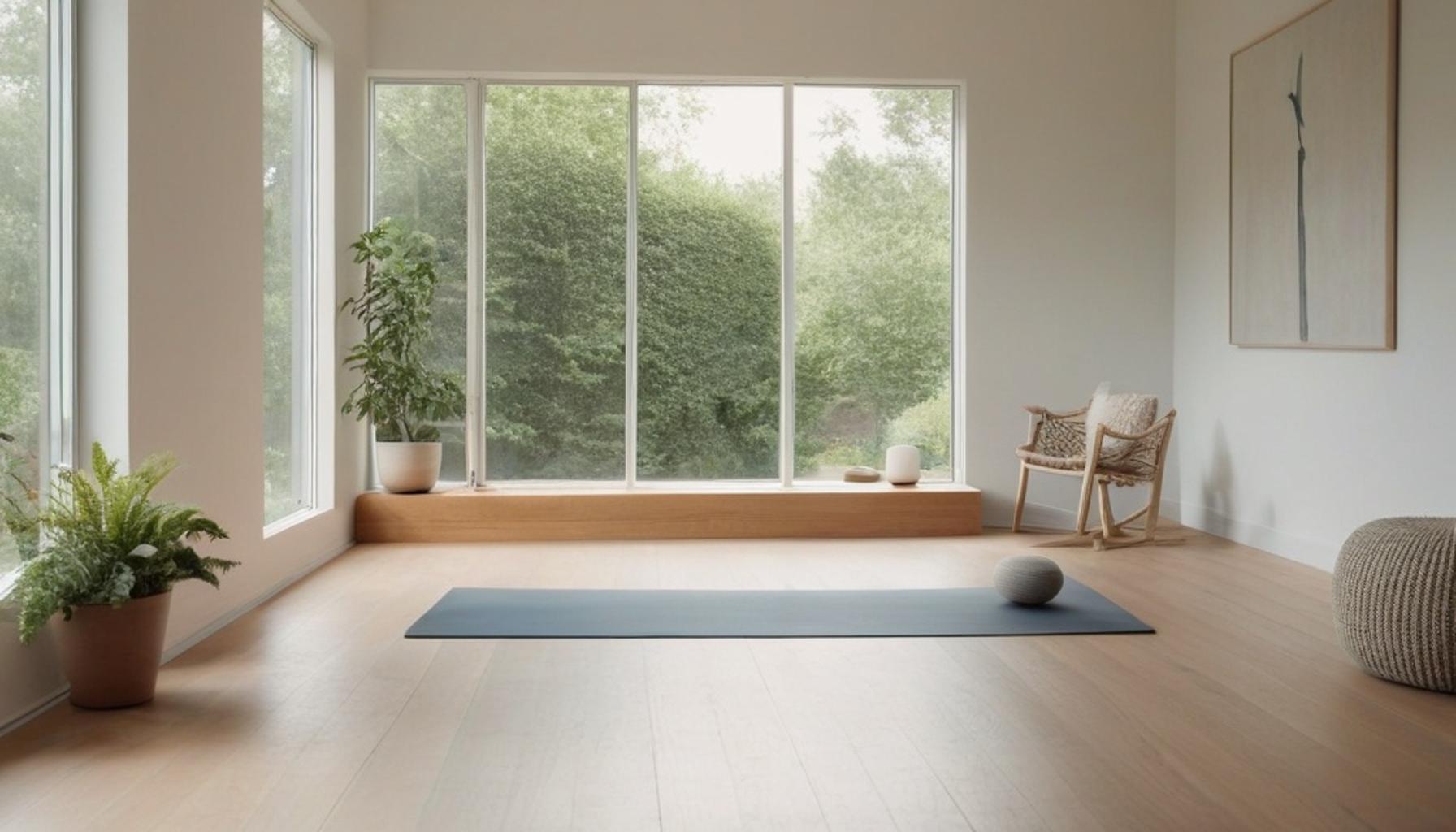
Minimalism has transformed from merely an aesthetic choice into a vital strategy for maximizing usable space without compromising on style. It encourages individuals to pursue an organized, clutter-free existence while enhancing the beauty of their surroundings. By marrying minimalist design ideas with clever storage solutions, even the most modest studio can emerge as a spacious and stylish haven.
Implementing this approach involves a series of intentional choices, including but not limited to:
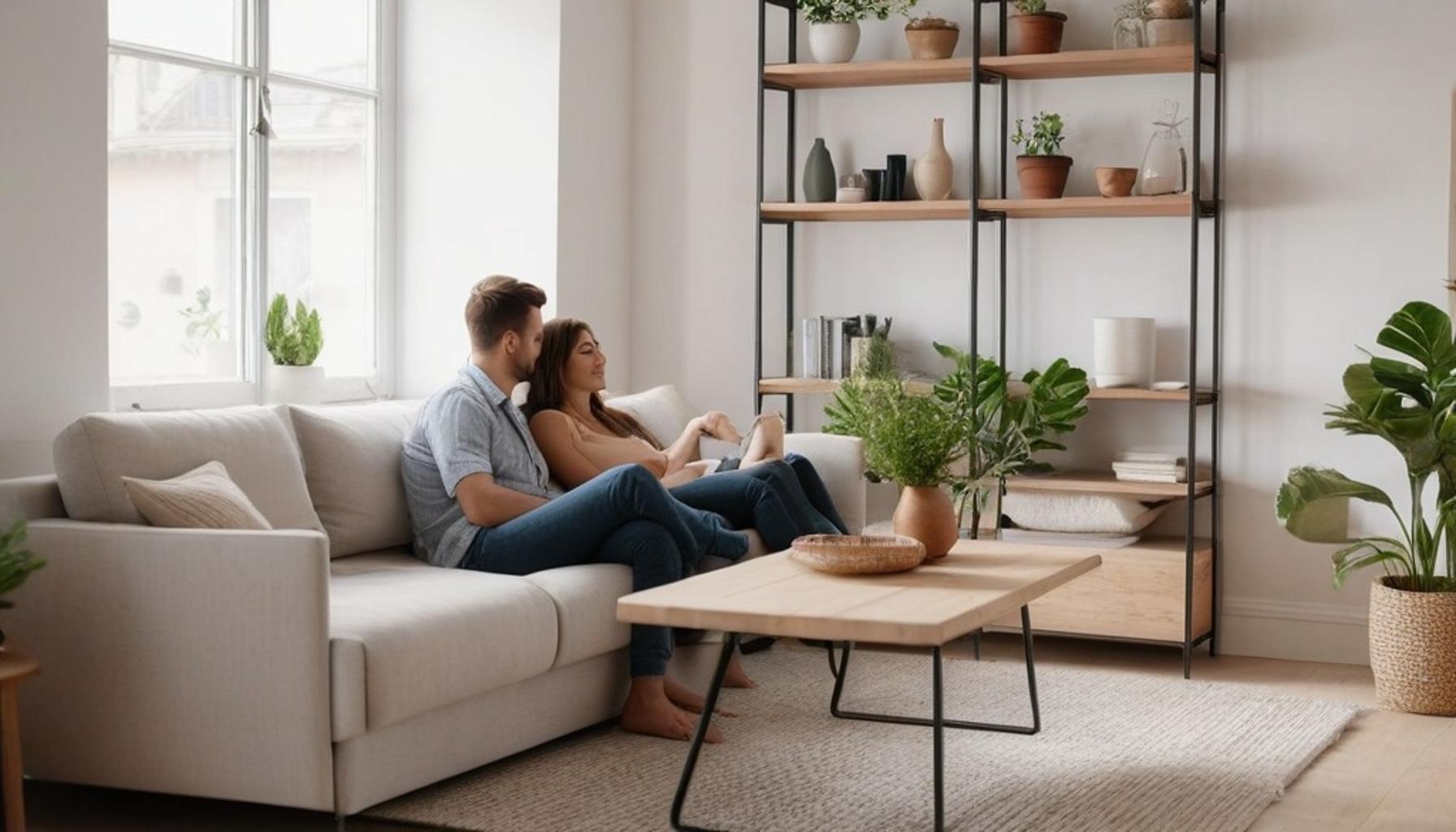
- Multi-functional furniture: Think sofas that convert into beds or ottomans with hidden compartments, allowing residents to make the most of their available space.
- Vertical storage systems: Wall-mounted shelves, hanging organizers, and tall bookcases can significantly free up floor space while providing ample storage options.
- Neutral color palettes: Light colors and simple patterns can create a visual flow, making small areas appear larger and more inviting.
- Decluttering routines: Establishing consistent habits for sorting and organizing can transform the day-to-day management of space, from a chaotic environment into a well-ordered one.
What This Article Covers
This guide offers insight into functional space solutions that cater specifically to real households rather than tailored showroom displays. Readers will uncover practical strategies for small space organization and design principles that significantly enhance home space efficiency in kitchens, bedrooms, and living rooms alike. Examples include integrating pegboards in kitchens for easy access to utensils or using under-bed storage to keep seasonal items organized and out of sight.
Expect actionable minimalist decor tips that anyone can replicate, transforming their dwellings no matter how big or small. Whether you’re working with a compact 400-square-foot apartment or managing a sprawling suburban home, the overarching objective remains the same: achieve more function and less clutter, cultivating environments that enrich daily life.
LEARN MORE: Multifunctional Spaces: Designing Minimalist Environments that Maximize Use
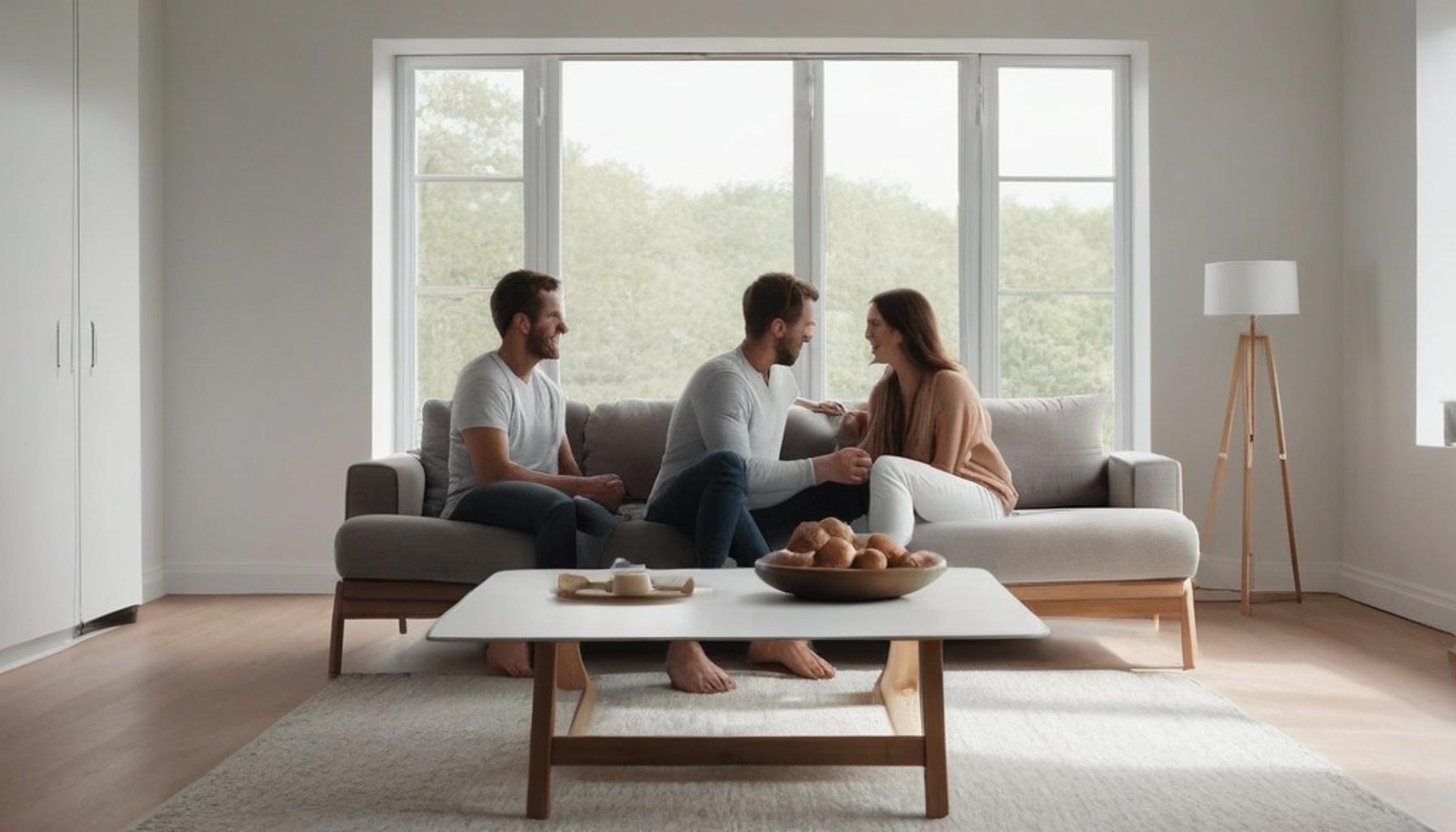
Walk into any well-designed small apartment today, and you’ll notice something distinct: every corner has a purpose. This is the essence of zone-based living, a concept gaining traction among interior designers and urban dwellers navigating tight square footage. Rather than assigning entire rooms to single functions, homeowners are dividing spaces into purposeful zones that flex according to need, creating a dynamic living environment that maximizes functionality without sacrificing style.
Consider the studio apartment dilemma familiar to renters in cities like San Francisco or Chicago. A single 500-square-foot room may need to accommodate sleeping, working, dining, and relaxing—all without feeling cramped. The solution doesn’t lie solely in acquiring more furniture; it’s about implementing smarter placement and thoughtful design choices that maximize home space efficiency and enhance daily living.
The Power of Furniture That Works Overtime
One of the most effective space optimization tips professional designers recommend involves rethinking furniture entirely. Instead of asking, “what does this piece look like,” the better question becomes, “what can this piece do?”
Innovative furniture designs that serve multiple functions can completely transform a small living area. For example:
- Murphy beds with built-in desks: These fold-away systems free up to 40 square feet during daytime hours, transforming bedrooms into functional workspaces. Imagine transitioning effortlessly from a cozy sleeping area to a productive office space with just a quick pull-down motion.
- Extendable dining tables: Perfect for entertaining without permanently sacrificing floor space to a table used only a few times a week. These tables can expand to accommodate guests and then collapse back, reclaiming valuable space for everyday activities.
- Nesting furniture sets: Stackable stools or tables that tuck away when not needed are ideal for impromptu gatherings. They can be brought out for a few guests and easily stored away afterward, ensuring your living area feels spacious.
- Storage ottomans and benches: These multifunctional pieces not only provide additional seating but also conceal blankets, books, or seasonal clothing. This dual-purpose functionality helps maintain a clean and organized environment, crucial in smaller homes.
This holistic approach reflects broader minimalist design ideas that prioritize intention over accumulation. Every item earns its place by serving multiple functions rather than occupying space passively, which is particularly important in urban settings where every square foot counts.
Mapping Your Space Before Making Changes
Effective small space organization starts with observation rather than impulse purchases. Designers often recommend tracking how a space gets utilized over a typical week. By doing this, individuals can uncover valuable insights into their living patterns.
Questions worth asking include: How often are certain areas utilized? Which zones feel consistently cluttered? Where do daily bottlenecks occur, such as a hallway that becomes a dumping ground for shoes and bags? Addressing these issues can significantly improve overall functionality.
This diagnostic phase reveals patterns that generic design advice often overlooks. For instance, a family in suburban Denver might discover that their kitchen island doubles as a homework station every afternoon, signaling a need for better lighting and storage nearby rather than purely aesthetic upgrades. This understanding can lead to customized solutions that enhance daily living.
Ultimately, understanding real-life patterns transforms abstract functional space solutions into targeted, practical changes. By embracing zone-based living and employing furnishings that adapt, homeowners can maximize their space and cultivate a more organized, enjoyable home environment. In a world where home often becomes a multipurpose haven, these thoughtful strategies pave the way for a more harmonious and efficient living experience.
LEARN MORE: The Art of Decluttering: How Space Optimization Enhances Personal Organization
Vertical Thinking and the Minimalist Mindset
Once furniture and zones are addressed, the next frontier in space optimization tips lies overhead. Most homes underutilize vertical space dramatically, leaving walls bare while floors grow cluttered with items that could easily be elevated.
Designers in space-strapped markets like New York City and Boston have long championed vertical storage as a cornerstone of small space organization. Floor-to-ceiling shelving, wall-mounted racks, and pegboard systems in kitchens or entryways can reclaim significant square footage that would otherwise be wasted on bulky floor units.
Practical Vertical Strategies Worth Trying
Some approaches have proven particularly effective for households looking to implement functional space solutions without major renovations:
- Loft-style storage above closets: Installing shelving in the often-ignored space above closet doors can add several cubic feet of storage for seasonal items.
- Wall-mounted drying racks in laundry areas: These fold flat against the wall when not in use, eliminating the need for a permanent, space-hogging rack.
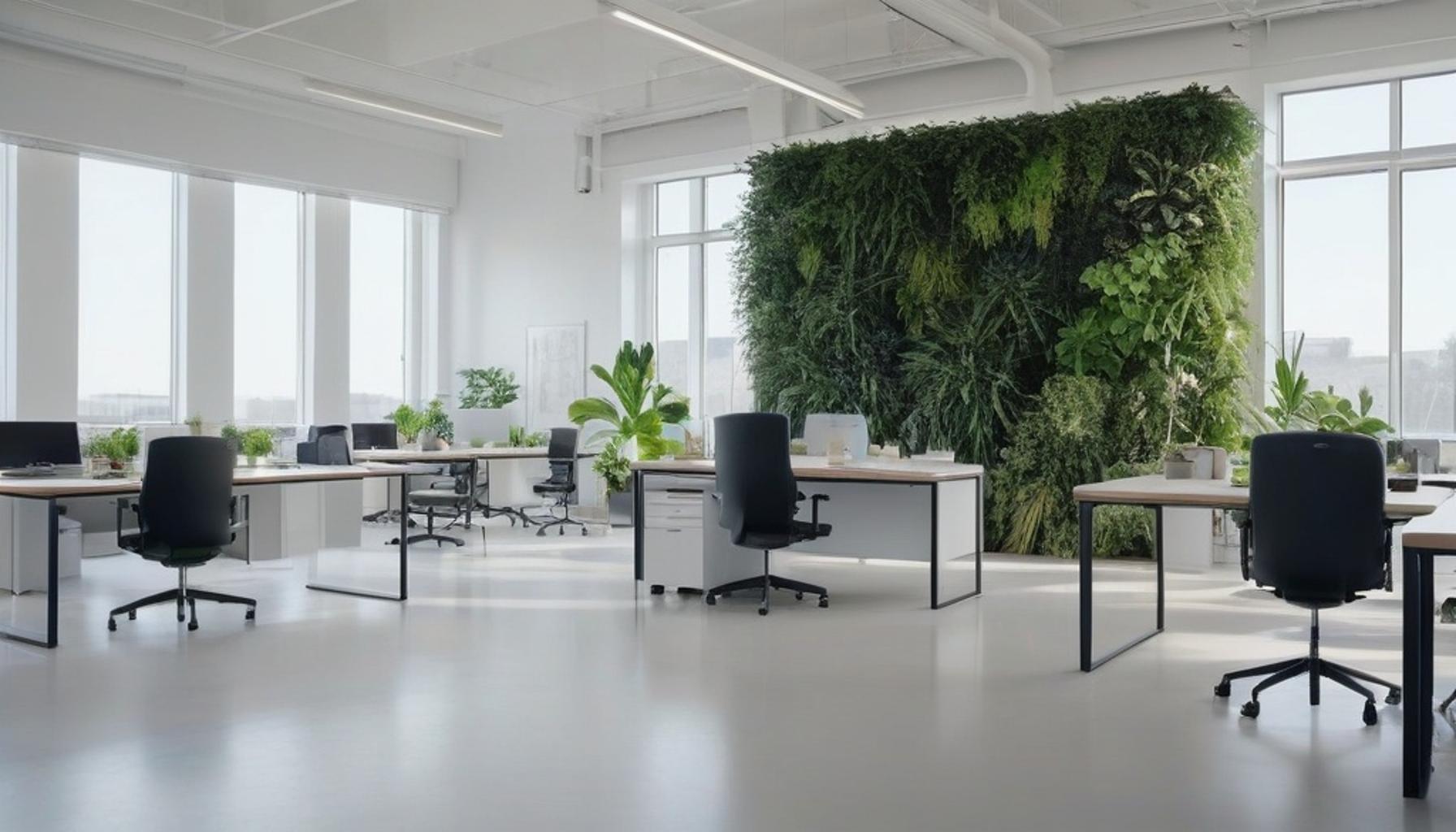
- Hanging planters and vertical gardens: For those wanting greenery without sacrificing counter or floor space, ceiling-mounted or wall-anchored planters bring nature indoors efficiently.
- Pegboard organization systems: Popular in both kitchens and home offices, these customizable boards allow tools, utensils, or supplies to be displayed and accessed without consuming drawer space.
This vertical approach aligns closely with core minimalist design ideas, where the goal isn’t emptiness for its own sake but intentional use of every available surface, including the ones people forget to look at.
Decluttering as an Ongoing Practice, Not a One-Time Event
Many homeowners mistake minimalism for a single dramatic purge. In reality, sustainable minimalist decor tips emphasize decluttering as a recurring habit woven into daily or seasonal routines.
Professional organizers frequently recommend the “one-in, one-out” rule: for every new item brought into the home, an existing item gets donated, sold, or discarded. This practice prevents the slow creep of accumulation that undermines even the most carefully designed small space.
Seasonal resets also play a role. Rotating out bulky winter coats for lightweight summer clothing, or swapping heavy bedding for breathable linens, keeps closets and storage areas from becoming overstuffed year-round.
Data from organizational studies suggests the average American household contains roughly 300,000 items, many rarely used. Addressing this reality head-on, rather than simply rearranging clutter, is what separates genuine home space efficiency from superficial tidying.
Combining vertical strategies with consistent decluttering habits creates a layered system. Rather than relying on a single fix, homeowners build resilience into their space, ensuring that functionality persists even as life circumstances and belongings inevitably shift over time.
# Bringing It All Together: A Smarter Way to LiveCreating a home that works harder without feeling cluttered isn’t about chasing a trend. It’s about rethinking how every inch of a room earns its place. From multi-purpose furniture to overlooked vertical real estate, the strategies covered throughout this piece prove that space optimization tips aren’t just cosmetic fixes but structural shifts in how Americans approach daily living.
Why Small Changes Add Up to Big Results
The households that succeed long-term rarely rely on one grand renovation. Instead, they layer small, intentional choices: a shelf installed above a closet door, a drying rack that folds flat, a habit of donating one item for every new purchase. These incremental shifts, repeated over months and years, are what transform a cramped apartment or an aging suburban home into a space that genuinely functions.
This is the essence of minimalist design ideas. It isn’t about owning less for the sake of appearances. It’s about ensuring that everything present, from a wall-mounted pegboard to a folding dining table, serves a clear and repeated purpose.
A Broader Perspective on Home Efficiency
As housing costs climb across cities like Austin, Denver, and Seattle, and square footage becomes increasingly precious, the demand for functional space solutions will likely keep growing. Renters and homeowners alike are discovering that small space organization isn’t a limitation but an opportunity to live more deliberately.
Those looking to apply these minimalist decor tips don’t need to overhaul their homes overnight. Starting with one room, one closet, or even one shelf can reveal how much untapped potential already exists within four walls.
Ultimately, home space efficiency is a moving target, shaped by changing needs, seasons, and lifestyles. The homes that adapt best are the ones built on flexible systems rather than fixed solutions, proving that thoughtful design and minimalist principles can turn even the smallest footprint into a space that truly works.
Frequently Asked Questions
What are some simple space optimization tips for small apartments?
For small apartments, consider multi-functional furniture like a sofa bed or a foldable table to maximize space. Use vertical storage solutions, such as wall-mounted shelves and hooks, to keep the floor area clear while adding storage. Additionally, incorporating mirrors can create an illusion of more space.
How can I maintain a minimalist approach while optimizing my living space?
To maintain a minimalist approach during space optimization, focus on keeping only essential items and declutter regularly. Choose furniture with clean lines and neutral colors to create a cohesive look, and utilize hidden storage options to keep surfaces clean. Embrace open spaces by reducing decorative items and allowing natural light to flow.
What are some effective storage solutions for maximizing closet space?
To maximize closet space, use adjustable shelving to customize the height based on your belongings. Add organizers such as bins and baskets for smaller items, and consider using cascading hangers for clothing. Implementing a seasonal rotation can also free up space by storing out-of-season items elsewhere.
How can I create a functional workspace in a small room?
To create a functional workspace in a small room, choose a compact desk that fits your needs without overwhelming the space. Utilize wall-mounted organizers or pegboards for supplies, and ensure good lighting to enhance productivity. Keep the workspace decluttered by using drawer organizers and only displaying essential items.
What role does lighting play in space optimization?
Lighting greatly impacts space perception; good lighting can make a small area feel larger and more inviting. Use a mix of ambient, task, and accent lighting to create depth and interest without overcrowding the space. Natural light is also crucial, so maximize window use and consider sheer curtains to let light in while maintaining privacy.

Beatriz
Beatriz Johnson is a seasoned minimalist and writer with a passion for simplifying the complexities of personal organization and intentional living. With over a decade of experience in decluttering strategies and mindful consumption, she specializes in topics like space optimization, habit simplification, and sustainable lifestyle choices. Through her work on our website, Beatriz empowers readers to embrace minimalism, reduce mental and physical clutter, and create more meaningful, organized lives in today's fast-paced world.