The Psychology of Space Optimization: How Minimalism Enhances Mental Clarity and Productivity

Why Your Cluttered Desk Might Be Sabotaging Your Brain
In our fast-paced lives, losing precious time due to disorganization can be profoundly frustrating. According to organizational studies, Americans spend an average of 2.5 days per year searching for misplaced items. This alarming statistic hints at a deeper truth explored by the psychology of space optimization: our physical environments significantly influence our mental performance. When we are surrounded by clutter, our ability to concentrate diminishes, leading to heightened frustration and fatigue.
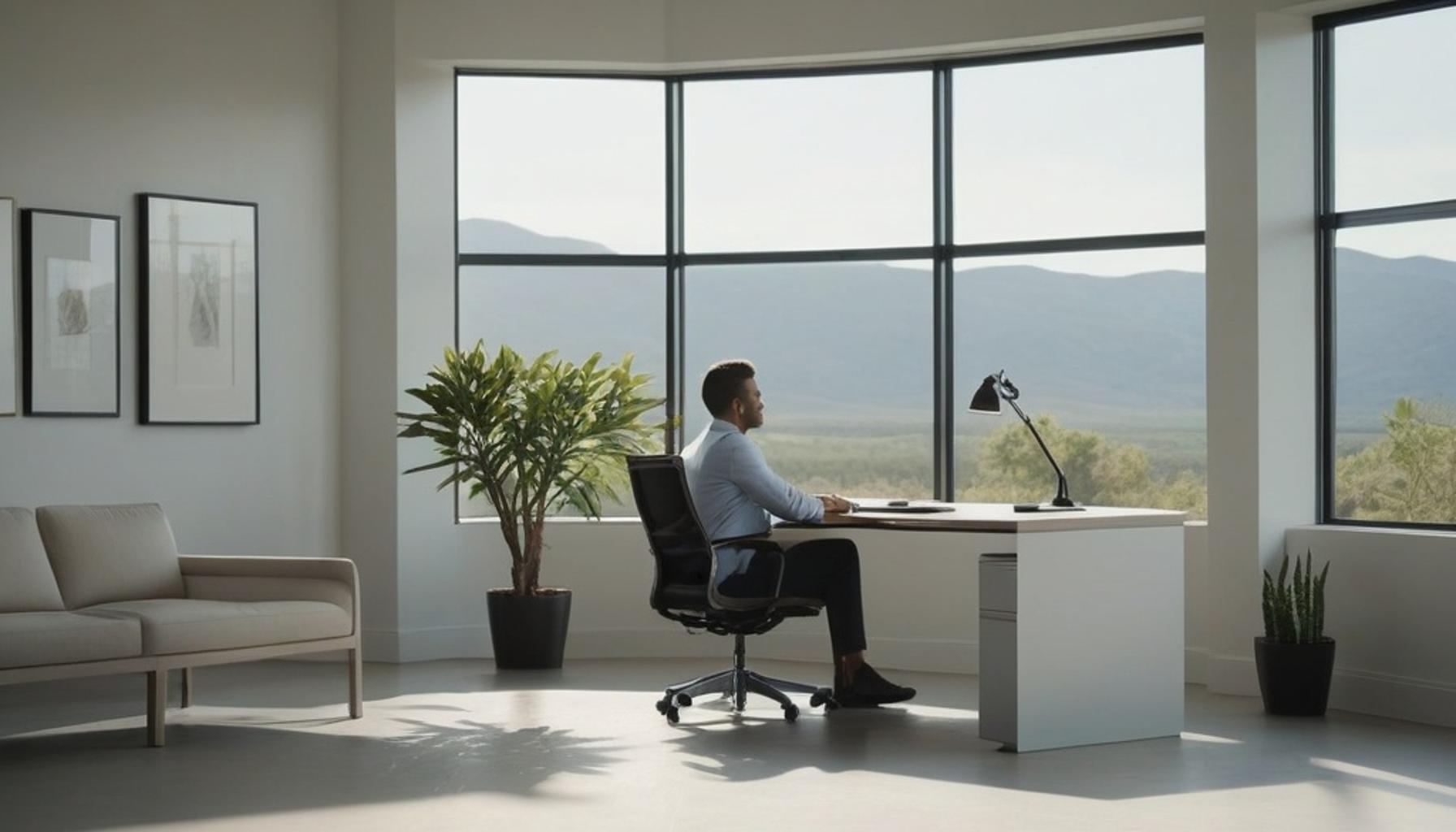
Walk into any Silicon Valley office or a suburban home featured in makeover shows today, and you’ll notice a consistent aesthetic theme. They showcase clean lines, empty surfaces, and intentional spaces. These design choices go beyond mere visual appeal—they draw on substantial neuroscientific research.
The Hidden Cost of Chaos
Research conducted by Princeton University highlights the idea that visual clutter competes for our attention, effectively diminishing our focus. In simpler terms, when we are encumbered by multiple visible distractions, our minds struggle to hone in on essential tasks. This link between minimalism and productivity helps explain the recent surge in decluttering movements across America, such as the popular KonMari method.
Consider the transformation experienced when you declutter your space:
- Decision fatigue decreases—when fewer objects demand daily choices, your mental bandwidth expands for more significant decisions.
- Stress hormones drop—visually simplified environments promote relaxation, reducing cortisol levels and enhancing overall well-being.
- Cognitive load lightens—with less clutter, mental resources are efficiently allocated towards focusing on critical tasks rather than getting lost in distractions.
- Time previously spent organizing—is redirected towards meaningful work, allowing for increased productivity and creativity.
More Than Just Tidying Up
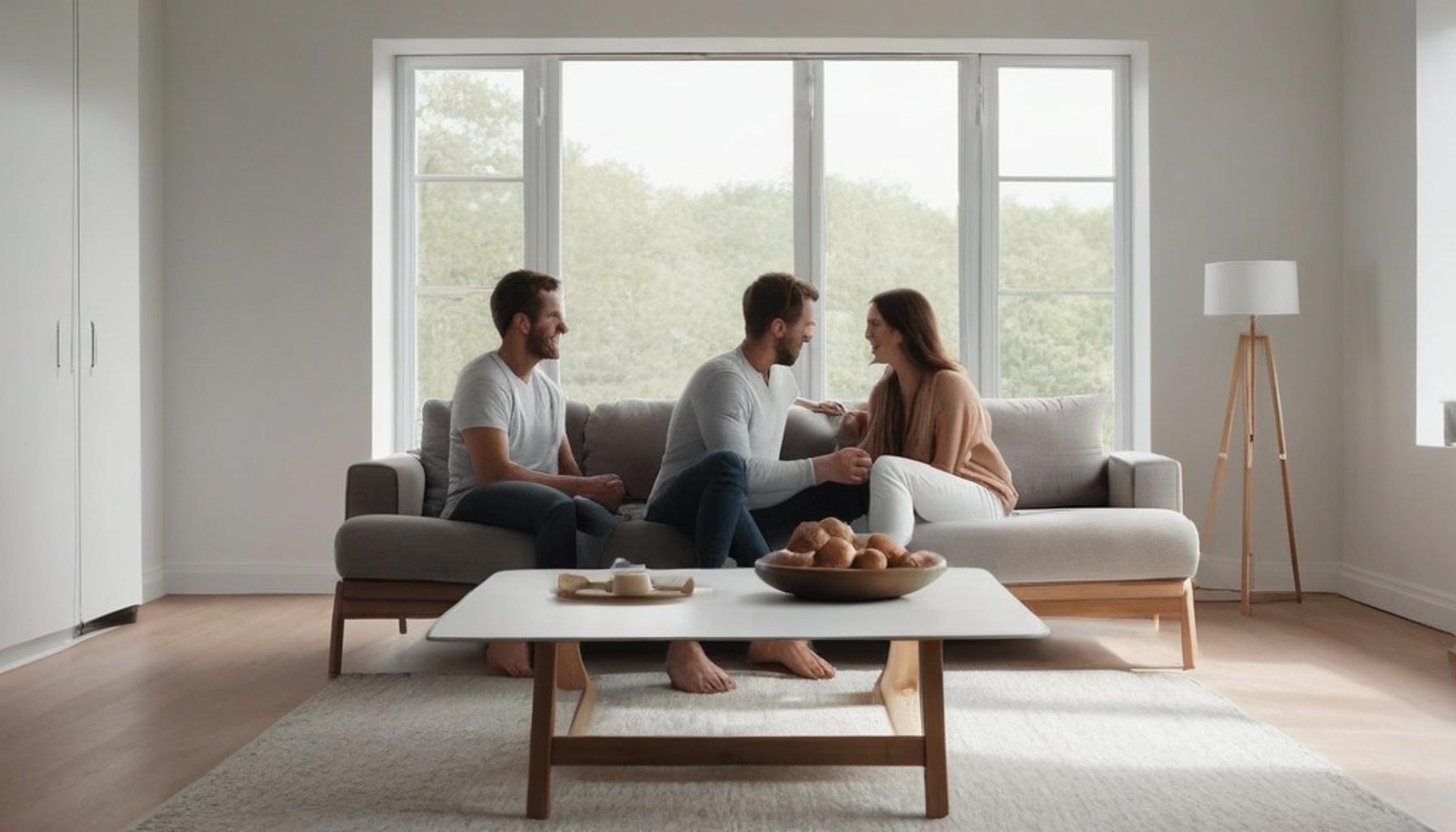
Achieving mental clarity through minimalism transcends merely owning fewer possessions; it’s about understanding how our physical environment shapes our psychological state. Whether living in a compact New York apartment or a spacious home in Texas, the principle remains consistent—less clutter leads to a more organized mind.
The operative question is not whether decluttering for mental health is effective, but rather how one can implement these strategies in daily life. Practical steps can include setting aside specific times to declutter, utilizing storage solutions, or even adopting habits like the “one in, one out” rule, where for every new item brought into a space, an old item is removed.
This article delves deep into the science, benefits, and actionable strategies behind minimalist living for better focus, revealing why adopting a less cluttered lifestyle can indeed lead to more clarity, tranquility, and productivity. Embracing minimalism isn’t just a trend; it’s a practical approach to achieving a balanced and effective life.
LEARN MORE: Creating a Functional Workspace: Space Optimization Strategies for a Minimalist Home Office
The Neuroscience Behind Empty Space
To truly grasp the psychology of space optimization, we need to look inside the brain itself. Neuroscientists at UCLA have found that our visual cortex processes every single object within our line of sight, whether we consciously notice it or not. A cluttered kitchen counter or an overflowing inbox isn’t just an eyesore—it’s a constant stream of micro-signals demanding cognitive processing.
This phenomenon explains why so many Americans report feeling inexplicably drained after spending time in disorganized spaces. Your brain is working overtime, even when you’re just trying to relax on the couch surrounded by unread mail and misplaced remote controls.
The Science of Attention Residue
Dr. Sophie Leroy, a researcher who coined the term “attention residue,” discovered that switching between tasks—or even just seeing reminders of unfinished tasks—leaves a lingering mental fog. Clutter operates on this exact principle. Every stack of papers, every pile of unworn clothes, serves as a visual reminder of something incomplete.
This is where the connection between minimalism and productivity becomes undeniable. When researchers at the HomeArts Studio and Cornell University tracked participants working in both cluttered and clean environments, those in organized spaces completed tasks up to 38% faster and reported significantly lower frustration levels.
The implications stretch far beyond simple efficiency. Consider these documented effects of environmental clutter on cognitive function:
- Working memory capacity shrinks—clutter consumes mental storage that could otherwise be used for problem-solving and creative thinking.
- Emotional regulation weakens—disorganized spaces have been linked to increased irritability and difficulty managing everyday stressors.
- Sleep quality suffers—a study from St. Lawrence University found that people with cluttered bedrooms were more likely to experience sleep disturbances than those with tidy spaces.
- Sense of control diminishes—chaotic environments can trigger feelings of helplessness, subtly eroding self-efficacy over time.
Why Minimalist Spaces Feel Like Mental Refuge
Achieving mental clarity through minimalism isn’t about aesthetics for aesthetics’ sake—it’s rooted in how our nervous system responds to visual simplicity. Open, uncluttered spaces activate the parasympathetic nervous system, the part responsible for calming us down after stress.
This is precisely why upscale hotels, wellness retreats, and even Apple Stores across the country favor minimalist design. They understand that benefits of space optimization extend beyond mere organization; they tap into something primal about how humans process their surroundings and find peace within them.
LEARN MORE: Multifunctional Spaces: Designing Minimalist Environments that Maximize Use
Decluttering for Mental Health: What the Data Reveals
If the neuroscience makes a compelling case, the mental health statistics make it impossible to ignore. A landmark study published in the Journal of Environmental Psychology found that women who described their homes as “cluttered” or “unfinished” had higher levels of cortisol, the body’s primary stress hormone, throughout the day compared to women who described their spaces as “restful” and “restorative.”
This isn’t a minor correlation. Elevated cortisol has been linked to everything from weight gain to weakened immune response, meaning the state of your living room could be quietly affecting your physical health, not just your mood.
The Hidden Cost of “Just in Case” Items
Americans have a well-documented attachment to keeping items for hypothetical future use. The self-storage industry in the United States is now worth over $40 billion annually, a figure that speaks volumes about how much physical—and psychological—space we dedicate to possessions we rarely touch.
Psychologists refer to this as “loss aversion,” a cognitive bias where the fear of potentially needing something outweighs the daily burden of storing it. Understanding this bias is central to the psychology of space optimization, because it reveals why decluttering often feels emotionally difficult rather than simply logistical.
Letting go of these items isn’t just about tidiness. It’s a practical form of decluttering for mental health, since researchers have found that reducing possessions by even 20% can measurably decrease feelings of overwhelm.
Minimalist Living for Better Focus in the Digital Age
Physical clutter isn’t the only culprit. Digital clutter—overflowing email inboxes, dozens of open browser tabs, and notification-heavy smartphones—triggers the same attention-splitting effects as a messy desk.
A study conducted by researchers at the University of California, Irvine, found that constant task-switching caused by digital distractions can take up to 23 minutes to fully recover from. Multiply that across a workday filled with pings and pop-ups, and the productivity loss becomes staggering.
This is where minimalist living for better focus extends beyond physical spaces into digital habits. Consider these practical strategies gaining traction among productivity researchers:
- Single-tasking blocks—dedicating uninterrupted time to one task mirrors the calm of a decluttered room.
- Inbox zero methods—treating email clutter with the same urgency as physical clutter reduces background cognitive noise.
- App minimalism—limiting smartphone home screens to essential apps has been shown to reduce daily screen time by nearly 20%.
Together, these findings suggest that the benefits of space optimization aren’t confined to your closet or garage. They ripple outward into how efficiently your brain functions across every digital and physical environment you occupy.
Rethinking Your Relationship With Space
The evidence, taken together, points to a conclusion that’s hard to dismiss: where you live and work shapes how you think. The psychology of space optimization isn’t a lifestyle trend confined to minimalist Instagram feeds—it’s a documented pattern with measurable effects on cortisol levels, attention span, and daily productivity.
From cluttered closets to overflowing inboxes, the common thread is cognitive load. Every unnecessary object or unresolved digital notification competes for mental bandwidth that could otherwise be spent on meaningful work or genuine rest.
Small Changes, Measurable Returns
What makes this research encouraging is that the fixes don’t require a complete lifestyle overhaul. A 20% reduction in possessions, a single-tasking habit, or a decluttered smartphone home screen can produce results that show up in stress hormones and focus metrics alike.
This is the essence of minimalism and productivity working together: small, intentional edits to your environment compound into outsized mental benefits over time.
For anyone skeptical that tidying up could really influence brain chemistry, the data offers a rebuttal grounded in science rather than aesthetics. Mental clarity through minimalism isn’t about achieving a perfectly staged room—it’s about removing friction between you and your ability to think clearly.
Where This Leaves Us
The broader benefits of space optimization extend into physical health, emotional regulation, and even how efficiently we recover from digital distractions. As American households continue pouring billions into storage units for items rarely used, the research suggests a simpler, more affordable alternative: creating less to manage in the first place.
Whether the next step is clearing a single drawer or rethinking an entire home office, the underlying message remains consistent. Space isn’t just where life happens—it’s a quiet, constant influence on how well we think, work, and feel each day.
Frequently Asked Questions
How does the psychology of space optimization influence my daily productivity?
The psychology of space optimization suggests that a clutter-free environment reduces distractions and enhances focus. By minimizing physical distractions, individuals can better concentrate on tasks, leading to increased productivity and improved mental clarity.
What are some practical ways to apply the principles of minimalism in my workspace?
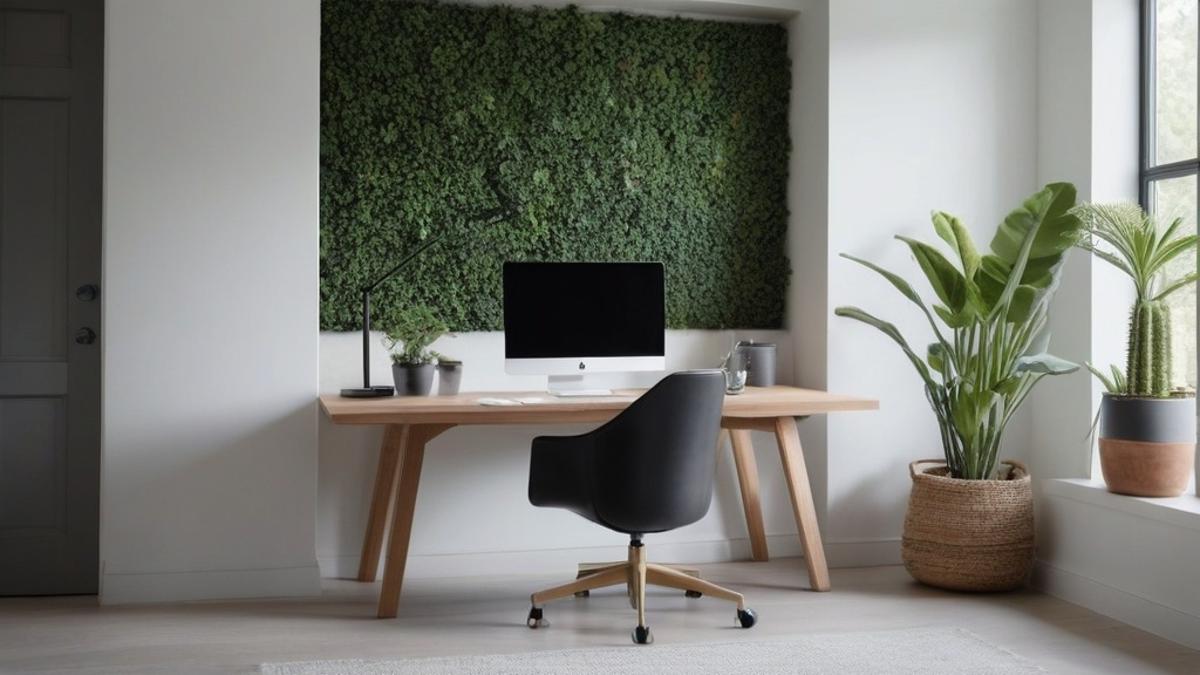
To apply minimalism in your workspace, start by decluttering your desk and removing items that don’t serve a purpose. Use storage solutions that keep essential tools handy but out of sight, and focus on maintaining a clean aesthetic that promotes calmness and creativity.
Can the layout of my home affect my mental well-being according to the psychology of space optimization?
Yes, the layout of your home greatly impacts your mental well-being. An environment that promotes open spaces and natural light can reduce stress and anxiety, allowing for greater mental clarity and a peaceful mindset.
What role does color play in the psychology of space optimization related to minimalism?
Color can significantly impact mood and cognitive function in space optimization. Soft, neutral colors tend to create a calming atmosphere, while brighter colors can stimulate energy and creativity, influencing overall mental clarity and productivity.
How can I maintain a minimalist lifestyle long-term to benefit my mental clarity?
To maintain a minimalist lifestyle, regularly assess your belongings and remove items that no longer serve a purpose. Establish routines for keeping your space organized and invest in multifunctional furniture to optimize space while staying true to minimalist principles.

Beatriz
Beatriz Johnson is a seasoned minimalist and writer with a passion for simplifying the complexities of personal organization and intentional living. With over a decade of experience in decluttering strategies and mindful consumption, she specializes in topics like space optimization, habit simplification, and sustainable lifestyle choices. Through her work on our website, Beatriz empowers readers to embrace minimalism, reduce mental and physical clutter, and create more meaningful, organized lives in today's fast-paced world.