Creating Functional Environments: The Importance of Minimalist Organization in Shared Spaces
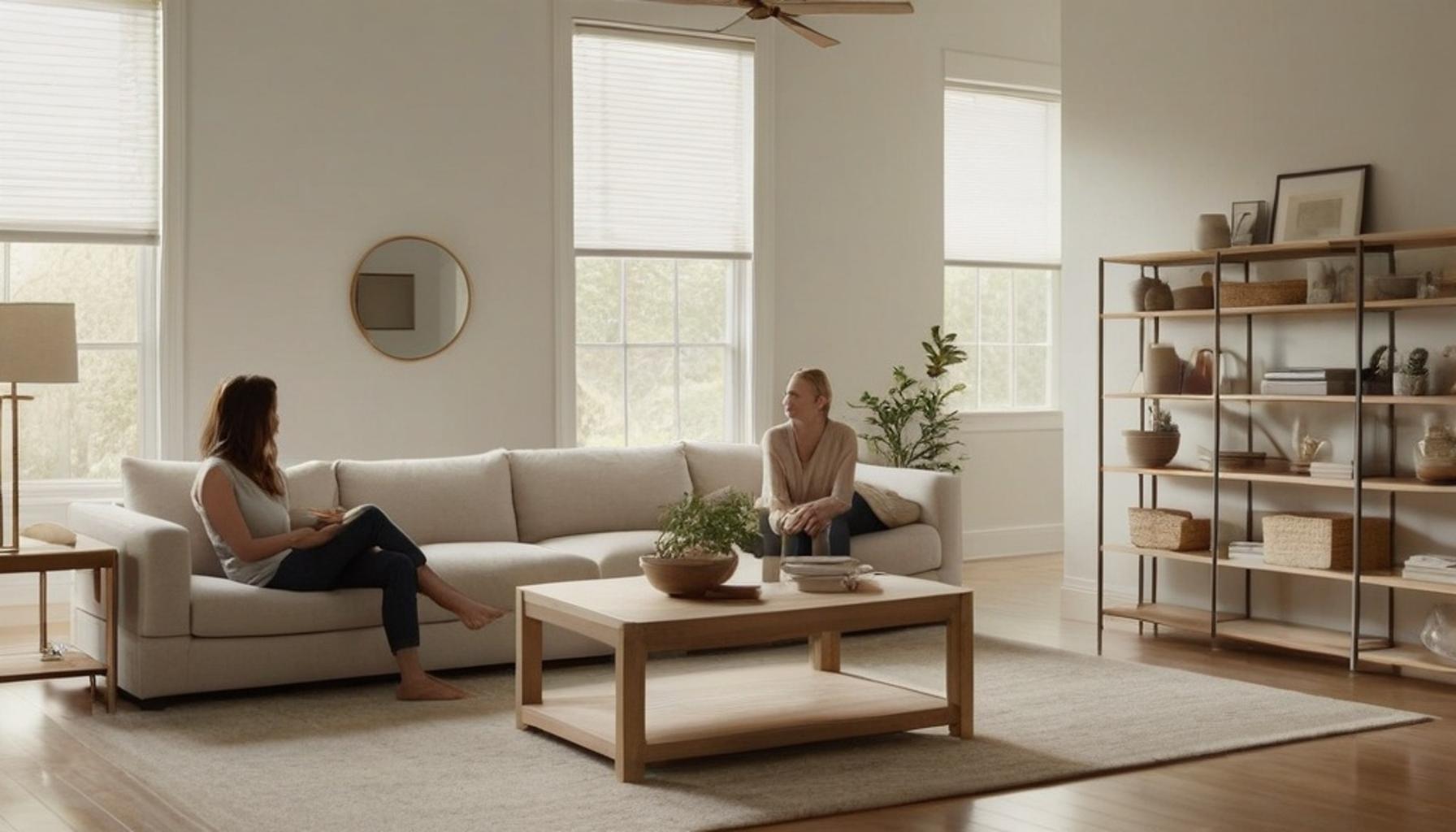
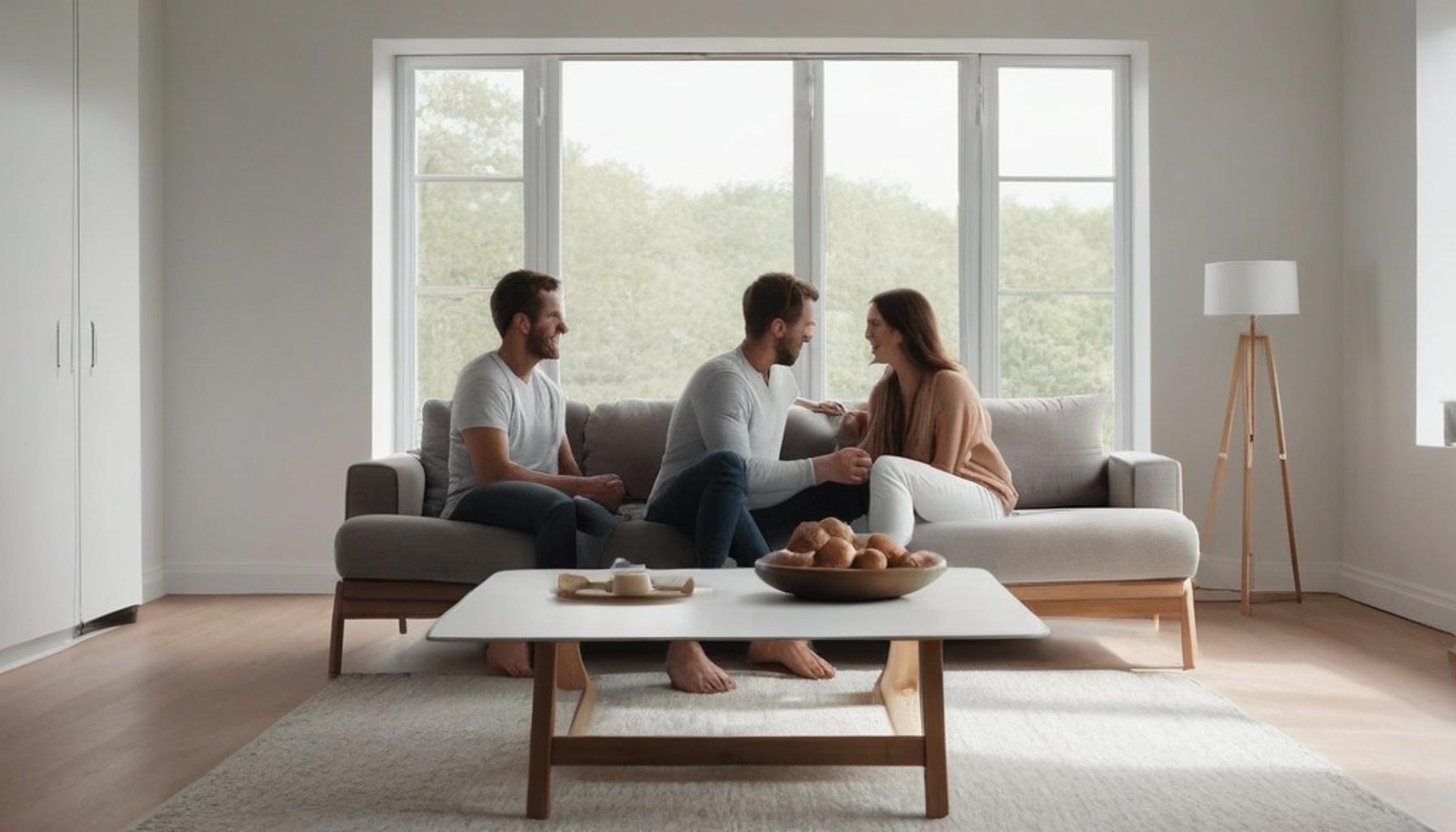
As American households navigate the realities of rising living costs and shifting demographics, the trend of shared living arrangements has gained significant momentum. With smaller living spaces becoming the norm, the importance of minimalist organization in shared spaces has escalated from a mere design trend to an essential practice for maintaining harmony and functionality. This reality is exacerbated when multiple people navigate shared kitchens, living rooms, and bathrooms, where every square foot counts in the quest for comfort and efficiency.
The National Association of Home Builders reported a nearly 10% decline in average home sizes since 2015, illustrating a growing need for strategic design solutions in increasingly crowded environments. Consequently, the rise of co-living and multigenerational homes underlines the urgency for innovative space management, pushing individuals to make conscious, intentional choices that maximize their usable space.
What Makes an Environment Truly Functional?
A truly functional environment goes beyond mere aesthetics; it is meticulously curated to serve all users effectively. The benefits of minimalist organization are substantial, influencing not just the visual appeal of a space but also enhancing daily life. This concept positively impacts productivity, mental clarity, and the quality of interpersonal relationships among housemates.
- Reduced visual clutter: A decluttered space minimizes stress and mitigates decision fatigue, allowing individuals to focus on what truly matters.
- Clearly defined zones: Establishing distinct areas for work, relaxation, and storage streamlines activities, making everything from homework to meal prep more efficient.
- Faster cleanup times: In shared high-traffic areas like kitchens and entryways, minimalist practices lead to quick and easy tidying, encouraging collaborative care for common spaces.
- Fewer conflicts: Maintaining clarity over shared belongings and personal space drastically reduces tension, promoting a more amicable living environment.
These practical benefits can be seen in everyday scenarios. For instance, in college dorms, where space is at a premium, students often employ multifunctional furniture and storage solutions, such as ottomans that double as storage containers. Similarly, families sharing an apartment can utilize vertical shelving for maximizing storage while keeping essential items accessible.
Where This Article Is Headed
This guide will outline actionable strategies for decluttering shared areas without compromising the personality or comfort of a home. It will delve into the essential functional environments design principles applicable to various settings, from minimalist home office organization to efficient communal kitchens.
Expect straightforward, actionable steps that can transform chaotic shared living spaces into well-organized sanctuaries. The goal is to advocate for fewer things, better systems, and harmonious environments that cater to the needs of all residents.
YOU MAY ALSO LIKE: Maximizing Small Spaces: Innovative Storage Solutions for Minimalist Living
# The Foundation of Shared Living: Establishing Zones and BoundariesThe physical layout of a shared space serves as the silent architect of household dynamics. Before diving into specific organizational tactics, it’s essential to understand why minimalist organization in shared spaces hinges on one core principle: intentional zoning. Without clearly demarcated areas, common rooms devolve into chaotic free-for-alls where personal items migrate freely and responsibility becomes diffused among residents.Data from a 2023 survey by the American Housing Survey revealed that households with three or more unrelated occupants reported 40% more conflicts related to shared space usage than single-family units. This statistic underscores a critical truth: the more people sharing an environment, the more structure that environment requires.
Practical Zoning Strategies for Common Areas
Creating functional boundaries doesn’t require construction or expensive renovations. Instead, it demands thoughtful shared spaces organization tips that residents can implement immediately.
- Color-coded storage systems: Assigning each housemate a specific color for bins, labels, or baskets eliminates ambiguity about ownership, particularly in refrigerators and pantries.
- Designated landing zones: Entryways benefit enormously from individual hooks, cubbies, or baskets where keys, mail, and shoes have permanent homes rather than accumulating on shared surfaces.
- Rotating cleaning schedules: Pairing minimalist principles with structured accountability ensures that decluttering becomes a shared responsibility rather than falling on one person.
- Digital calendars for shared spaces: Apps like Google Calendar or Splitwise help coordinate usage of high-demand areas like laundry rooms or home offices.
These strategies prove particularly effective in urban apartments, where square footage often falls below 700 square feet for multiple occupants. In cities like New York and San Francisco, where co-living arrangements have surged by nearly 25% since 2020 according to real estate analytics firm RentCafe, residents increasingly rely on these systems to maintain sanity within compact quarters.
The Home Office Challenge in Shared Environments
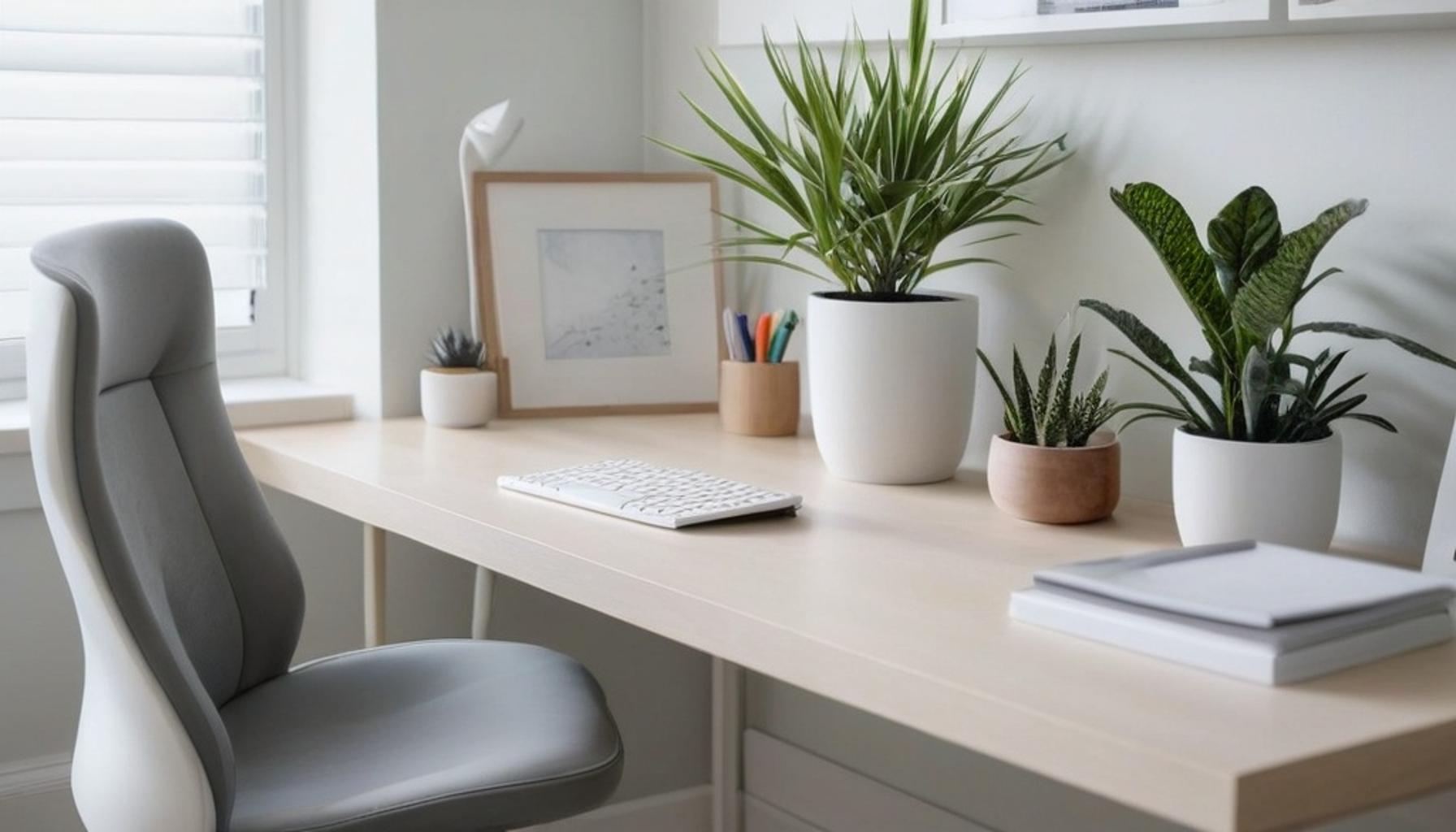
Remote work has introduced a new layer of complexity to shared living. Minimalist home office organization has become critical as households juggle multiple work-from-home schedules within limited square footage.Successful shared home offices typically incorporate modular desks that fold away, noise-canceling partitions, and strict digital-physical separation of work materials. Families in suburban multigenerational homes, for instance, have found success using closet conversions—transforming underutilized spaces into private, distraction-free workstations that disappear when not in use.This approach to functional environments design demonstrates that minimalism isn’t about deprivation; it’s about strategic allocation of limited resources to maximize everyone’s comfort and productivity.
YOU MAY ALSO LIKE: Maximizing Small Spaces: Minimalist Organization Strategies for Urban Apartments
Kitchens, Living Rooms, and the Psychology of Shared Storage
No room in a shared household generates more friction than the kitchen. It’s the epicenter of competing schedules, dietary preferences, and cleaning standards. Addressing decluttering shared areas in this space requires more than good intentions—it demands systems that anticipate conflict before it starts.
A 2022 study published by the National Association of Home Builders found that kitchens rank as the number one source of roommate disputes, cited by 62% of respondents living in shared housing arrangements. The culprit isn’t usually the people themselves but rather the absence of clear storage logic.
Vertical Storage and the Art of Visual Calm
Urban dwellers, particularly in cities like Chicago and Boston where older apartment buildings often feature galley-style kitchens, have turned to vertical storage solutions as a practical response to limited counter space. Wall-mounted racks, over-the-door organizers, and stackable bins allow multiple residents to store items without encroaching on shared surfaces.
This vertical approach reflects a broader principle within functional environments design: when floor and counter space are treated as sacred, communal territory, clutter naturally migrates upward and out of the way.
- Transparent containers: Clear bins reduce duplicate grocery purchases and help residents instantly identify what belongs to whom.
- Single-purpose shelves: Assigning one shelf per person in the refrigerator and pantry prevents the common scenario of expired, forgotten food items.
- Communal-only zones: Designating specific cabinets exclusively for shared appliances like blenders or coffee makers reduces the “whose turn is it” debate.
Living Rooms as Multi-Use Territories
Unlike bedrooms, living rooms in shared homes must serve everyone simultaneously, often for entirely different purposes. One resident may want a quiet reading nook while another hopes to host friends for a movie night.
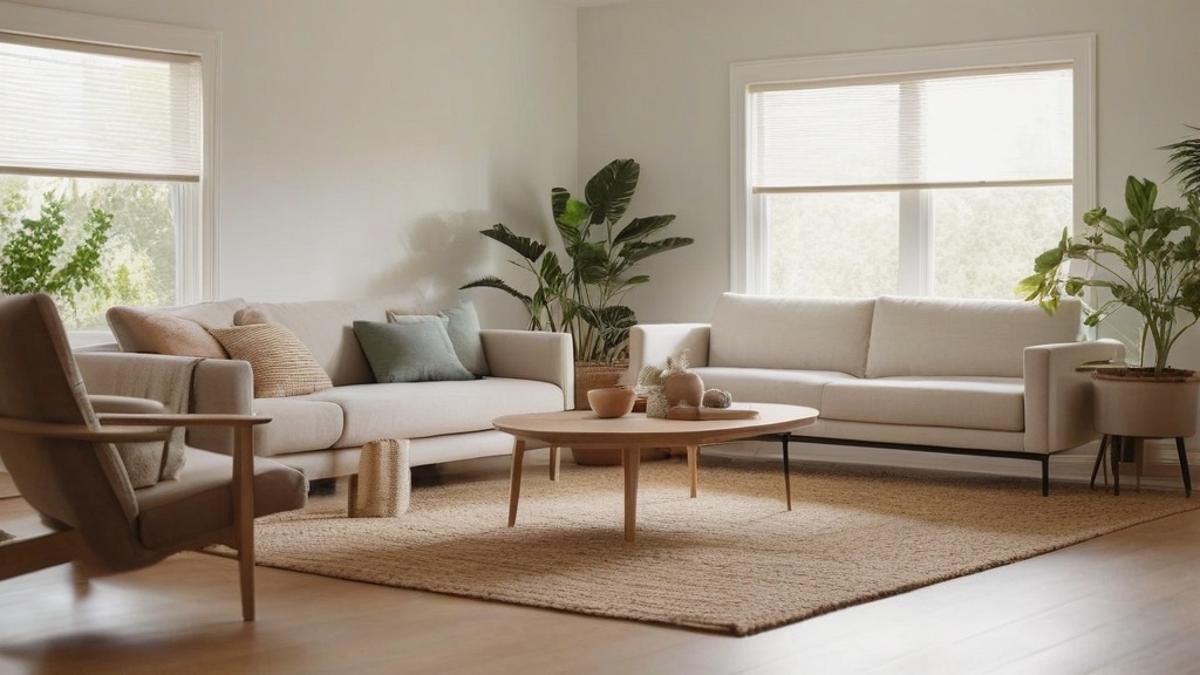
The benefits of minimalist organization become especially apparent here. Furniture with hidden storage compartments, such as ottomans that double as blanket bins, allows the room to shift purpose without requiring a complete overhaul each time.
Real estate professionals in cities like Austin and Denver, where co-living startups have gained significant traction, report that properties designed with modular furniture and minimal permanent clutter rent 15% faster than traditionally furnished units, according to internal leasing data shared by companies like Common and Ollie.
This trend signals something larger: tenants are actively seeking out environments where minimalist organization in shared spaces isn’t an afterthought but a built-in feature of the property itself.
Rethinking the Way We Share Space
The evidence gathered across kitchens, living rooms, and beyond points to a single conclusion: minimalist organization in shared spaces isn’t a design trend that will fade with the next home décor cycle. It’s a response to how Americans actually live now—in smaller units, with more roommates, and under tighter budgets than previous generations faced.
From Chicago’s vertical kitchen racks to Austin’s modular living room furniture, the pattern is consistent. Properties and households that prioritize functional environments design reduce conflict, save time, and even command higher rents or faster lease turnover.
These aren’t cosmetic improvements. They’re structural decisions that anticipate how multiple people will use the same square footage without stepping on each other’s routines.
For anyone currently navigating a shared household, the practical shared spaces organization tips outlined throughout this piece offer a starting point, not a finish line. Every household will need to adapt these systems—labeled shelves, communal-only zones, modular furniture—to its own mix of personalities and schedules.
What remains constant is the underlying philosophy: clarity prevents conflict. Whether it’s decluttering shared areas in a common kitchen or applying minimalist home office organization principles to a shared workspace, the goal is the same—creating environments where function takes precedence over accumulation.
As co-living arrangements continue to grow across major U.S. cities, the demand for intentionally organized shared spaces will likely intensify. Those willing to invest in these systems now, whether as tenants, landlords, or designers, are positioning themselves ahead of a housing trend that shows no signs of slowing down.
Frequently Asked Questions
How can minimalist organization improve productivity in shared office spaces?
Minimalist organization reduces clutter, which can help minimize distractions and enhance focus among team members. By creating a clean and tidy environment, employees can better concentrate on their tasks, ultimately boosting overall productivity in shared office settings.
What are some effective strategies for implementing minimalist organization in a shared living space?
To implement minimalist organization in shared living spaces, start by decluttering common areas and encouraging all roommates to keep personal belongings contained. Use multifunctional furniture and designate specific zones for different activities to create a functional and harmonious environment.
How does minimalist organization benefit mental well-being in communal environments?
A minimalist organized space can lead to reduced stress and anxiety by providing a sense of order and tranquility. In communal environments, this fosters a more peaceful atmosphere, allowing individuals to feel more relaxed and in control of their surroundings.
What are some common challenges of achieving minimalist organization in shared spaces?
Challenges often include differing personal styles and habits among individuals sharing the space. Coordinating with everyone to agree on organization methods and maintaining consistency can also be difficult, especially as lifestyles and needs evolve over time.
Can technology play a role in supporting minimalist organization in shared spaces?
Yes, technology can streamline organization through the use of apps for task management, scheduling, and storage solutions. Digital tools can help maintain organization by reducing the need for physical items and facilitating communication about shared responsibilities.
What are the first steps to take when starting a minimalist organization project in a shared space?
Begin by assessing the space and identifying areas that need decluttering and organization. Schedule a group meeting with all users of the space to discuss goals and develop a shared plan that everyone can commit to, ensuring everyone’s input is valued for a more collaborative approach.

Linda Carter
Linda Carter is a writer specializing in minimalism and personal organization. With extensive experience helping readers create more functional and balanced routines, she shares practical advice on decluttering, organizing spaces, simplifying daily tasks, and making more intentional choices. Her goal is to offer clear guidance and accessible strategies that help people reduce excess, improve their surroundings, and enjoy a calmer, more organized lifestyle.