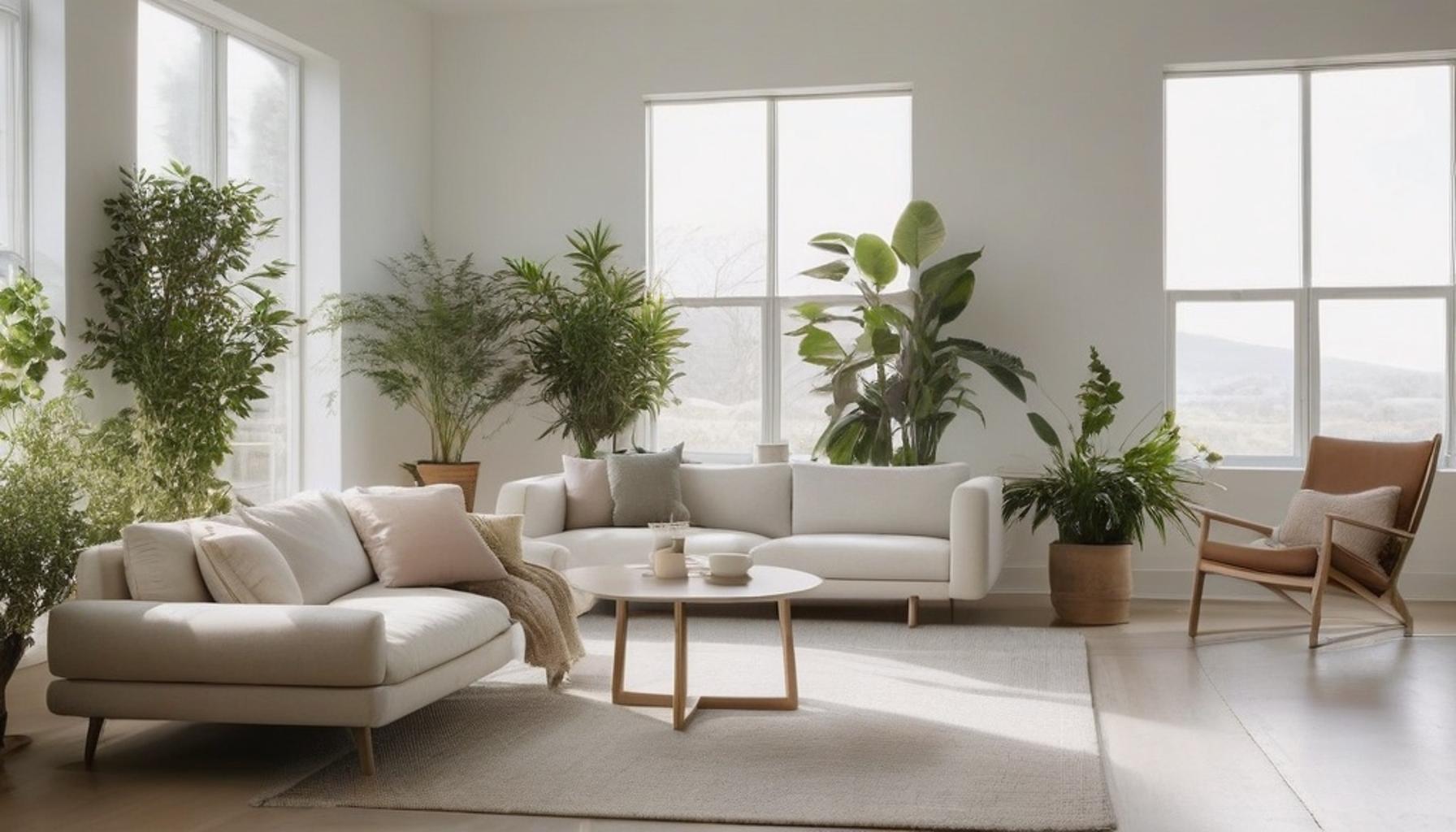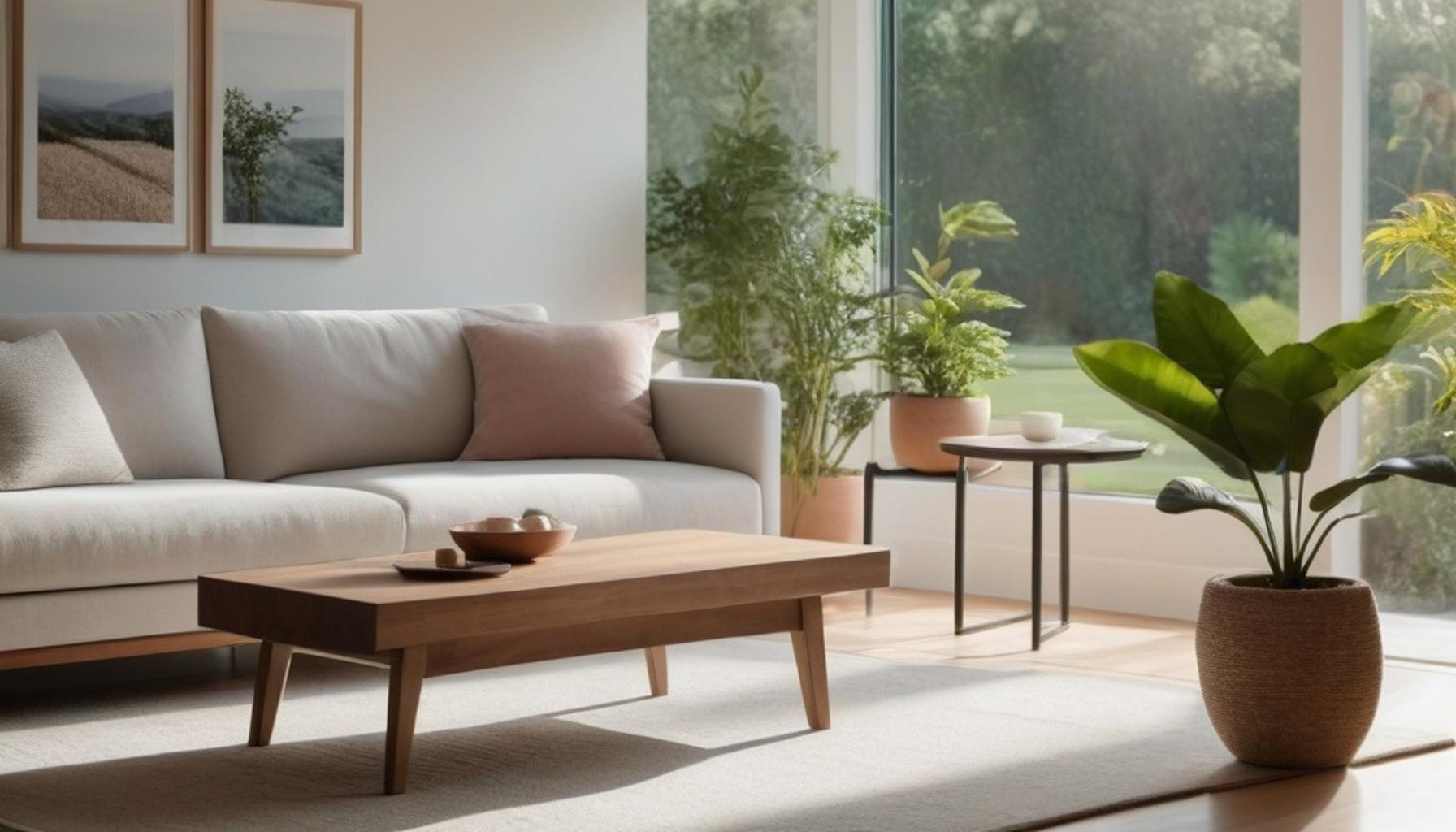
Creating Zen Spaces: The Importance of Minimalist Design in Stress Reduction
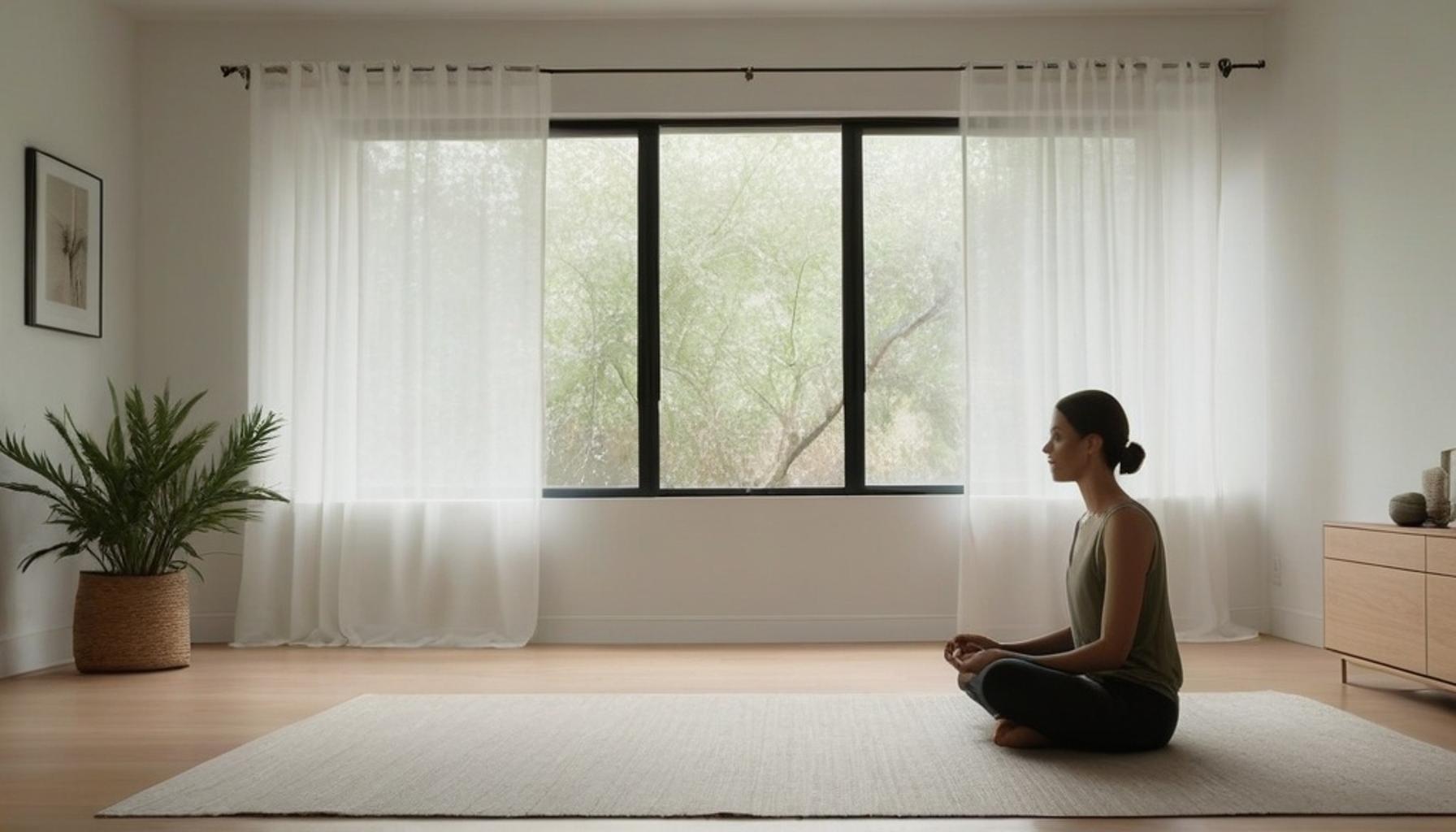
The Impact of Clutter on Mental Health
The average American spends an astounding 90% of their time indoors, making the environment in which we live incredibly significant to our mental well-being. Unfortunately, many homes represent a significant source of stress due to clutter, noise, and visual distractions. A study conducted at Princeton University highlighted how cluttered settings can compete for our attention, creating a cognitive overload that drains mental resources and elevates cortisol levels, the hormone closely linked to stress.
As we navigate our busy lives, the psychological burden of disorganized spaces becomes apparent. Uncertainty and indecision often arise in environments overflowing with possessions, making it challenging to focus on tasks or even relax after a long day. This is where the concept of minimalist design for stress reduction gains importance. Rather than a mere trend, minimalism embodies a research-supported strategy to foster tranquility amidst modern chaos.
The Rise of Zen-Inspired Living Spaces
The movement towards embracing zen spaces has gained traction across the United States, from the bustling streets of Brooklyn to the scenic neighborhoods of Austin. As more individuals become conscious of the influence their surroundings exert on their mental health, they start to prioritize creating serene environments that reflect their values and promote wellness.
Several key elements are driving this transformative shift:
- Utilizing decluttering as a daily stress reduction technique can make rooms feel not only organized but also peaceful.
- Integrating natural materials, such as polished wood, rugged stone, and soft linen, encourage a connection to nature that can revitalize the mind.
- Employing soothing neutral color palettes that evoke calmness allows for mental relaxation and enhances focus.
- Incorporating intentional negative space in each room contributes to clarity, making it easier to breathe and think.
- Utilizing multi-functional furniture minimizes clutter, striking a balance between style and practicality, thus reducing visual noise.
What This Article Will Explore
The advantages of minimalism are profound and multifaceted, extending well beyond mere aesthetic appeal. They encompass improvements in sleep quality, increased focus, and enhanced relationship dynamics at home. This exploration delves into the psychology that underpins minimalist interior design and its tangible effects on anxiety levels.
Readers can expect to uncover practical strategies for embedding zen home decor principles into any living space, regardless of the size or budget constraints. Whether residing in a compact Manhattan studio or a sprawling Texas ranch house, these minimalist philosophies can be tailored to suit any environment while fostering a sense of peace and balance.
YOU MAY ALSO LIKE: Creating Functional Spaces: Organization Tips for a Minimalist Lifestyle
The Science Behind Minimalist Design for Stress Reduction
As our fast-paced lives continue to evolve, mental wellness has surged to the forefront of discussions around home environments and personal spaces. Neuroscience is beginning to validate what many minimalists have claimed for years: less truly is more when it comes to mental clarity. For instance, research conducted by UCLA’s Center on Everyday Lives and Families revealed that women who perceived their homes as cluttered or incomplete exhibited markedly higher levels of the stress hormone cortisol throughout the day in comparison to those who considered their living spaces as calming and restorative. This relationship between clutter and stress leverages an essential understanding of how our environments affect psychological well-being.
This correlation is far from anecdotal. Our brain’s visual cortex is tasked with processing an overwhelming amount of stimuli every second. Cluttered environments taxes this cognitive powerhouse, forcing it to work overtime. Each stray object, whether it’s a pile of overdue bills or an untouched stack of laundry, sends a subtle signal that there is unfinished business demanding attention. Over time, this relentless low-grade alert system can lead to chronic stress and even sleep disturbances, creating a cycle of anxiety that is difficult to break.
How Zen Home Decor Physically Changes Brain Response
Studies published in the Journal of Neuroscience further illuminate this dynamic, showing that when the brain encounters organized and simplified visual fields, it requires significantly less cognitive processing power. This data underlines that a well-designed minimalist space is not merely visually appealing; it also operates on a neurological level, thereby freeing up mental bandwidth for the pursuits of creativity, problem-solving, and genuine relaxation. Our surroundings have a profound influence on our mood, cognition, and overall well-being.
To illustrate this effect, consider the vast difference between stepping into a cluttered room filled with mismatched furniture, stray electronics, and towering stacks of unread magazines versus entering a sanctuary designed with clean lines, a single curated piece of art, and open, breathable areas. The latter experience invites the nervous system to downshift almost instantly and promotes a sense of peace.
Several measurable benefits of minimalist design have emerged from recent wellness-focused research:
- Reduced heart rate variability disruptions, indicating a calmer physiological state that can enhance overall health.
- Improved sleep onset time observed when bedrooms are stripped of electronic devices and excess furnishings, as clutter can prevent the mind from winding down.
- Enhanced concentration ability when focusing on single tasks in decluttered spaces, thus reducing distractions that are inherently damaging to productivity.
- Lower reported anxiety scores among individuals who reside in intentionally designed and decluttered homes that evoke positive emotional responses.
- A greater sense of control and autonomy over one’s living environment, which can lead to feelings of empowerment and satisfaction.
Why American Homeowners Are Taking Notice
This burgeoning awareness around minimalism has taken hold throughout the United States. Interior designers are reporting a notable increase in clients requesting stress reduction techniques to be intricately woven into their renovation plans. In metropolitan areas like Seattle and Portland, where remote work has blurred the lines between home and office, many homeowners are actively pursuing designs that create distinct functional zones while avoiding visual clutter.
This rising demand mirrors a broader cultural shift where Americans increasingly view their homes not simply as symbols of status filled to the brim with possessions but as personal sanctuaries designed for mental restoration. The principles of minimalist interior design are gaining recognition as not an act of sacrifice, but rather an investment in long-term psychological health and happiness. As we reconsider our spaces, the profound benefits of simplicity cannot be overstated—they pave the way towards a life imbued with clarity, peace, and purposeful living.
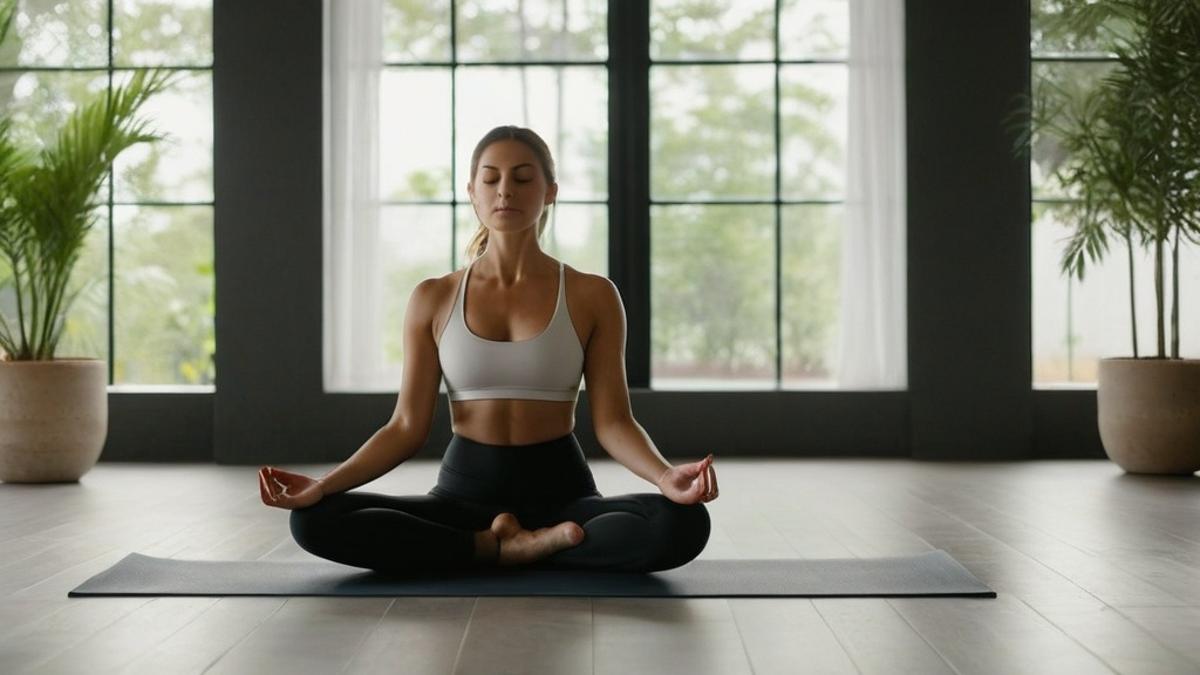
RECOMMENDED: Digital Minimalism: Simplifying Technology for a Fuller Life
Practical Elements of Zen Home Decor That Foster Calm
Understanding the psychology behind clutter is only half the equation. The next logical step involves translating that science into tangible design choices. Minimalist design for stress reduction isn’t about stripping a home bare; it’s about intentional curation that honors both function and tranquility.
Natural materials play a starring role in this transformation. Designers across the country are increasingly incorporating elements like unfinished wood, raw stone, and organic textiles into their projects. These materials carry what biophilic design experts call “nature-nostalgia,” a subconscious connection to the outdoors that lowers blood pressure and reduces feelings of confinement, even within a compact apartment in Chicago or a suburban home in Austin.
Color Psychology and Its Role in Creating Zen Spaces
Color selection carries surprising weight in stress reduction. Research from the Pantone Color Institute indicates that muted, earthy tones such as sage green, warm beige, and soft terracotta trigger measurably lower stress responses compared to high-saturation hues like bright red or neon yellow. This explains why so many wellness retreats and spas gravitate toward these palettes.
Homeowners looking to replicate this effect don’t need a complete overhaul. Simple swaps make a measurable difference:
- Replacing bold accent walls with soft, neutral tones that recede visually rather than compete for attention.
- Choosing bedding and curtains in breathable, natural fibers like linen or organic cotton in muted shades.
- Introducing a single statement plant, such as a fiddle leaf fig, rather than cluttering shelves with multiple decorative trinkets.
- Opting for matte finishes over glossy surfaces, which tend to create visual noise under artificial lighting.
Lighting: The Overlooked Ingredient in Stress Reduction Techniques
Lighting design deserves far more attention than it typically receives. Harsh overhead fluorescent lighting, common in older American homes, has been linked to increased cortisol production and eye strain. Replacing these fixtures with layered lighting solutions, including warm-toned LED bulbs, dimmable lamps, and strategically placed candles, can transform a room’s emotional temperature almost instantly.
Cities like Denver and Asheville have seen a rise in “lighting consultants” who specialize exclusively in circadian-friendly home lighting. These professionals adjust color temperature throughout living spaces to mimic natural daylight patterns, helping regulate sleep cycles and reduce evening anxiety.
The Role of Negative Space in Minimalist Interior Design
Perhaps the most underappreciated element of minimalist interior design is negative space, the deliberate emptiness between objects. Japanese design philosophy refers to this concept as “ma,” a purposeful void that allows the eye and mind to rest. Western interior designers have begun adopting this principle, encouraging clients to resist the urge to fill every corner or shelf.
A 2022 survey by the American Society of Interior Designers found that 68 percent of clients reported feeling calmer in rooms with visible empty space compared to fully furnished counterparts. This single data point reinforces a broader truth: the absence of objects can be just as powerful as their presence when the goal is genuine mental restoration.
LEARN MORE: Simplified Living: Practical Tips for Organizing Your Daily Life with Minimalism
Bringing It All Together: A Calmer Way to Live
Creating zen spaces isn’t a weekend project with a finish line. It’s an ongoing relationship between a person and their environment, one that shifts as life circumstances, seasons, and stress levels change. What began as an ancient philosophy rooted in Japanese minimalism has evolved into a practical toolkit for modern American households navigating noisy, overstimulated lives.
The evidence throughout this discussion points to a consistent conclusion: minimalist design for stress reduction works because it addresses the nervous system directly, not just aesthetic preference. From muted color palettes to circadian-friendly lighting and the intentional use of negative space, each element chips away at the visual and psychological clutter that keeps cortisol levels elevated.
It’s worth remembering that zen home decor doesn’t require a five-figure renovation budget. Many of the most effective stress reduction techniques discussed here, swapping harsh bulbs, decluttering a single shelf, choosing linen over polyester, cost little beyond intention and follow-through.
The broader benefits of minimalism extend well past the walls of a living room. Homeowners who’ve embraced these principles often report improvements in sleep quality, focus, and even relationship dynamics within shared spaces. That ripple effect deserves more attention as mental health conversations continue gaining ground across the country.
Anyone curious about testing these ideas doesn’t need to overhaul an entire home overnight. Start small: clear one countertop, swap one harsh bulb, add one plant. The data suggests even modest changes to minimalist interior design can produce measurable shifts in how a space, and the people living in it, actually feel.
Frequently Asked Questions
How does minimalist design specifically contribute to stress reduction in a home environment?
Minimalist design contributes to stress reduction by eliminating clutter and distractions, which allows for a more peaceful and focused atmosphere. This simplicity creates a sense of calm and order, making it easier for individuals to relax and unwind in their home environment.
What are some essential elements of minimalist design that can enhance a zen space?
Essential elements of minimalist design include neutral color palettes, functional furniture, and a limited number of decorative items. Incorporating natural materials and maximizing natural light can also enhance the tranquil feel of a zen space, promoting relaxation and mindfulness.
Can minimalist design be implemented in small living spaces for stress reduction?
Yes, minimalist design can be effectively implemented in small living spaces to promote stress reduction. By focusing on multifunctional furniture and maximizing storage solutions, small spaces can feel open and peaceful rather than cramped and overwhelming.
What role does color play in minimalist design for stress reduction?
Color plays a crucial role in minimalist design for stress reduction by influencing mood and emotions. Soft, neutral hues such as whites, grays, and earth tones can create a serene atmosphere, while bold colors may be used sparingly to accentuate specific areas and stimulate positive feelings without overwhelming the senses.
How can I start transitioning my current space to a minimalist design for better stress management?
To transition to a minimalist design for better stress management, begin by decluttering your space and removing items that do not serve a purpose or bring you joy. Focus on selecting quality over quantity in furniture and decor, and aim to create visual balance and harmony within the space while incorporating natural elements that promote tranquility.

Linda Carter
Linda Carter is a writer specializing in minimalism and personal organization. With extensive experience helping readers create more functional and balanced routines, she shares practical advice on decluttering, organizing spaces, simplifying daily tasks, and making more intentional choices. Her goal is to offer clear guidance and accessible strategies that help people reduce excess, improve their surroundings, and enjoy a calmer, more organized lifestyle.